
Steven Ackerman 🇺🇸 retweetledi

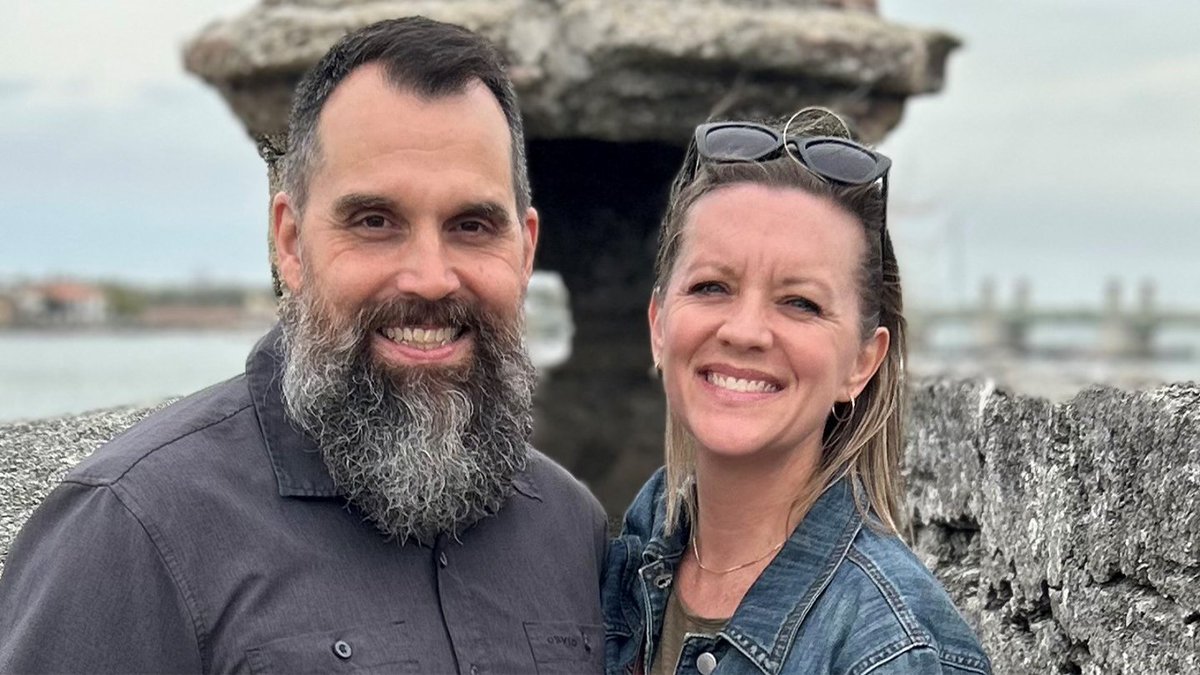
In a defiant stand for religious freedom and the rights of foster parents, Shane and Jennifer DeGross are challenging the overreach of Washington state's progressive policies. The couple's commitment to their faith and the welfare of foster children has led them to file a lawsuit against state officials, represented by the stalwart Alliance Defending Freedom (ADF), for imposing what they see as an unconstitutional ideology on gender identity.
The heart of this legal battle lies in the DeGrosses' refusal to conform to the state's demands that they endorse gender ideologies contrary to their Christian beliefs. The state's insistence on using pronouns that do not align with a child's biological sex and the expectation for foster parents to immerse children in certain cultural events, such as pride parades, has ignited a firestorm of controversy.
For nearly a decade, the DeGrosses have opened their hearts and home to foster children in need, guided by their faith's call to support "widows and orphans in their distress." Their unwavering commitment to providing a nurturing environment for foster children highlights the critical shortage of foster homes in Washington—a state where thousands of children are left without stable family settings, resorting to temporary accommodations like hotels.
The lawsuit, ADF asserts, is not merely about the DeGrosses but underscores a broader issue of religious freedom and the state's infringement upon individual rights. The legal precedent set by the Blais v. Hunter case, where a family was initially denied the right to care for their great-granddaughter due to their views on hormone therapy, serves as a stark reminder of the ongoing battle between personal beliefs and state-mandated ideologies.
Washington state's response, articulated by DCYF communications director Jason Wettstein, attempts to straddle the line between adherence to policies and respect for religious beliefs. However, the underlying tension between these two positions remains unresolved, as the state's criteria for foster parents appear to marginalize those holding traditional views on gender and family.
The DeGrosses' legal challenge is a rallying cry for those who believe in the sanctity of family, the importance of faith, and the need to protect children from the ideological battlegrounds that have seeped into the foster care system. By taking a stand, the DeGrosses are not only fighting for their right to serve as foster parents but are also advocating for the thousands of children in need of loving homes—homes where they can thrive, free from the imposition of state-driven ideologies that conflict with the deeply held beliefs of many Americans.
As this case unfolds, it serves as a pivotal moment in the ongoing dialogue about religious freedom, parental rights, and the best interests of children in the foster care system. It's a reminder that at the heart of foster care should be the welfare of the children, a principle that transcends political and ideological divides.
English