SMARTWATCH 3.0
15.8K posts

SMARTWATCH 3.0
@VOLGDEDATA
Saving history on the blockchain #bsv TWETCH | RECORDINALS | WEB 3.0 | MUSIC


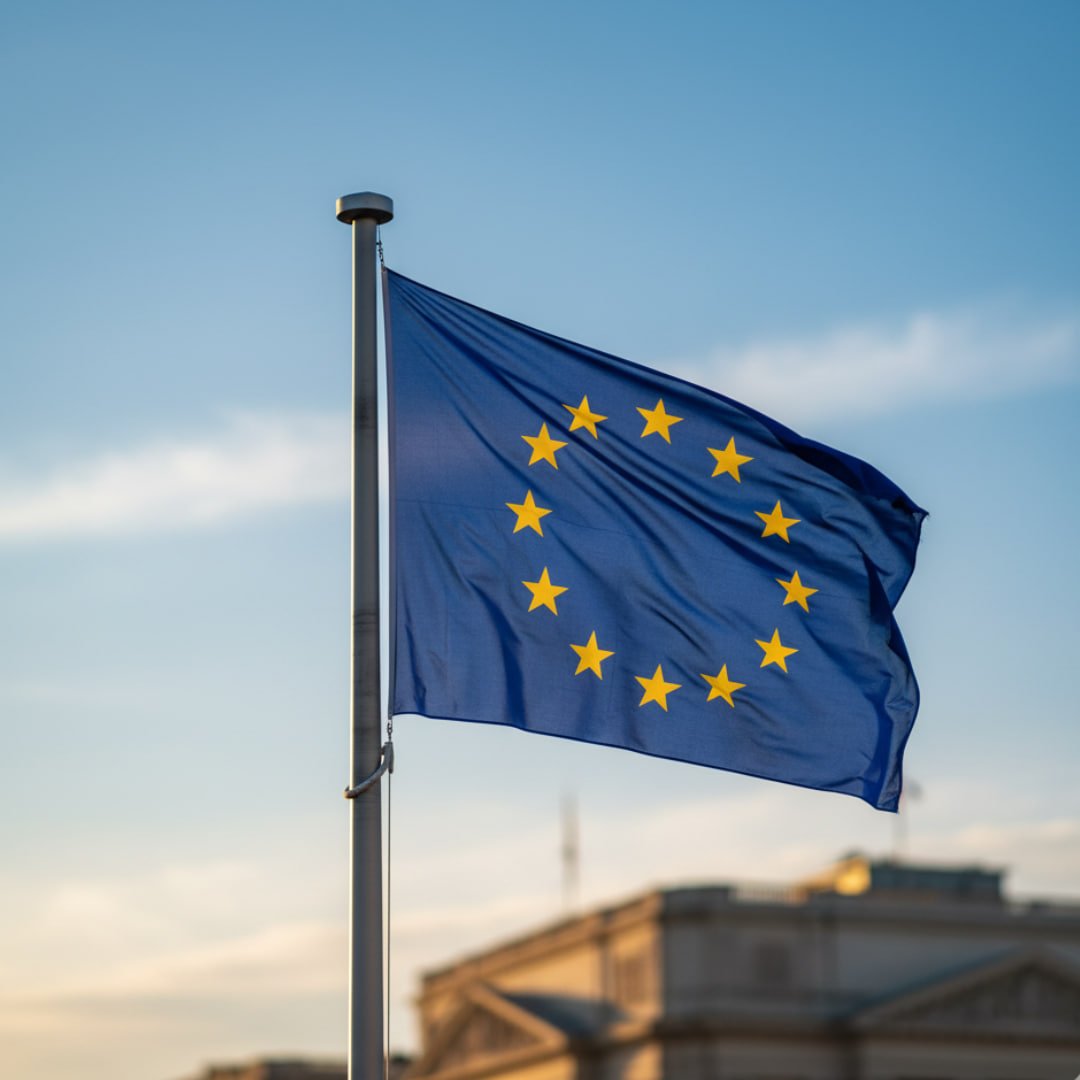
The new EU Inc - how it works and what's still missing 🇪🇺 3 days ago, the EU tabled its long-discussed proposal for a “28th regime” — a new optional company form: EU Inc. → Europe still has 27 different company law systems → A major barrier for startups scaling across the Single Market → A core theme of the Draghi & Letta reports and the EU competitiveness agenda What is EU Inc.? → An optional EU-wide corporate form → A single rulebook you can opt into instead of national regimes → Still anchored in a Member State (not a fully separate EU system) Registration / setup → Fully digital (no paper, no physical presence) → Via EU interface (BRIS) or national registers → 48h incorporation (with templates), max €100 → 5 working days with custom statutes → “Once-only” principle: data reused across tax, VAT, etc. Governance → Board structure (at least 1 EU-resident director) → Fully digital governance (online meetings, e-voting) → Harmonised duties, liability, conflict rules → Minority shareholder protections (incl. exit rights) Shares & fundraising (key for startups) → Fully digital shares (no paper, no notaries required) → Free transfer of shares across borders → Flexible share classes (incl. multiple voting rights) → No minimum capital (can be €0) → No nominal value shares by default → Designed to support SAFEs, convertibles, warrants Employee stock options (big one) → New EU-wide ESO regime → Taxation only at sale of shares (not grant/vesting/exercise) → Aimed at fixing Europe’s “dry tax” problem Cross-border scaling → Branches & subsidiaries set up digitally EU-wide → Company data shared automatically via BRIS → EU Company Certificate + digital power of attorney → No re-submission of the same info across countries So what’s the catch? (key criticism from the startups) → Core areas still national: tax, labour, insolvency -> this won't change anytime soon → Not a fully unified EU company code → Disputes in countries remain with national courts (no EU-level system) -> probably the main point of criticism at the moment What’s next? → Parliament + Member States negotiations starting now → Political deal targeted by end of 2026 → Likely application ~2028 (after entry into force + 12 months) Bottom line: One of the most ambitious EU steps in history toward a real Single Market for companies. Not yet “one rulebook” across the board - but a big step in the right direction. Pushback from usual interest groups will be significant, so outcome and final shape remain tbd. The history of similar proposals such as the Societas Europaea in 2004 shows how tough it is to crack that nut. But Fingers crossed. Congrats for this initial success to long-time supporters like @euinc_petition @euacc @euacchq. Keep pushing!