NSF-DOE Rubin Observatory

3.2K posts

NSF-DOE Rubin Observatory banner
NSF-DOE Rubin Observatory

NSF-DOE Rubin Observatory

@VRubinObs

Rubin will #CaptureTheCosmos in exquisite detail starting in 2026 🌌 Funded by @NSF and @DOEScience. Para español: https://t.co/JXSHsXeBwQ
Cerro Pachon, Chile Katılım Ağustos 2008
367 Takip Edilen25.4K Takipçiler
NSF-DOE Rubin Observatory
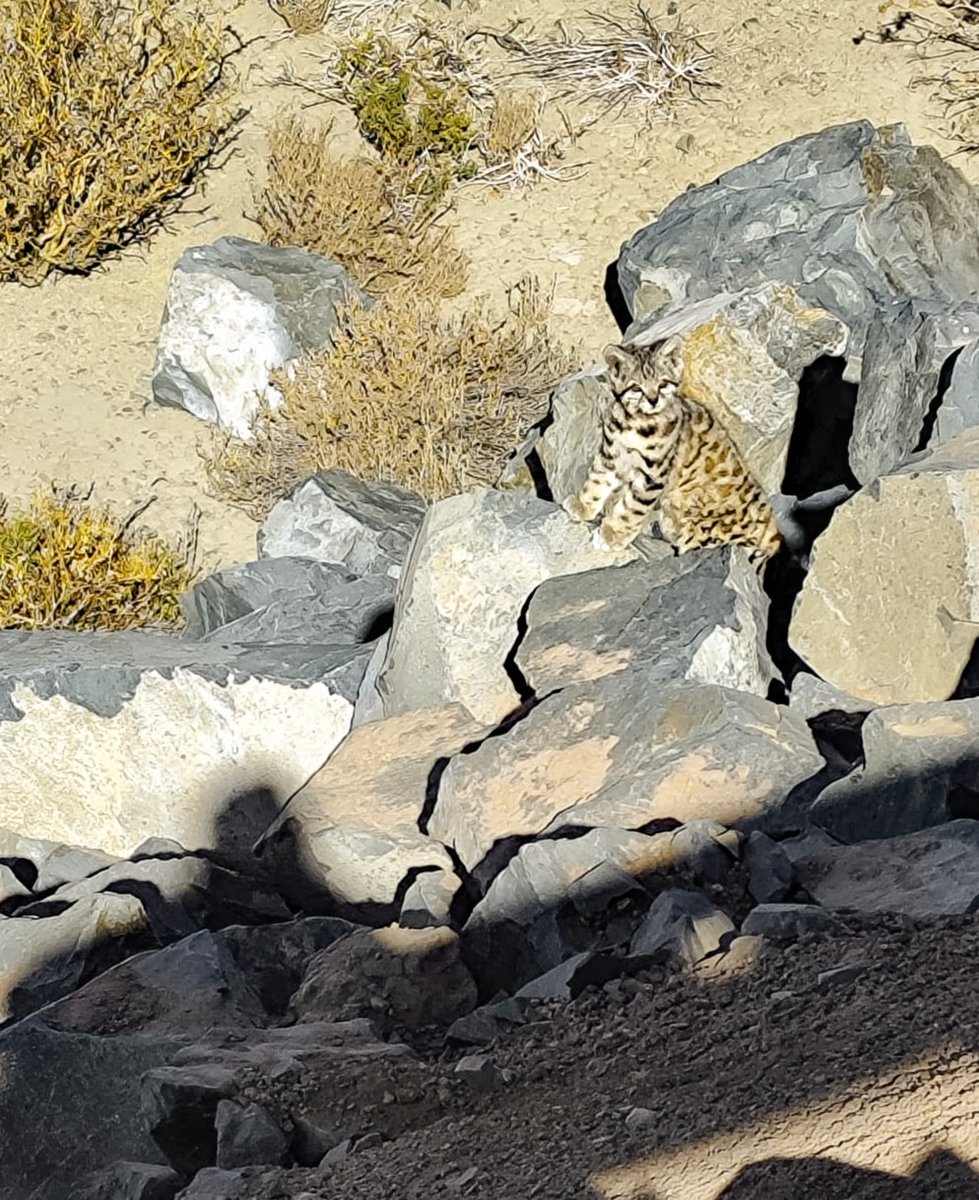
A pair of Gatos Andinos, which are extremely rare Andean mountain cats, were recently spotted down the ridge from NSF–DOE Rubin Observatory near the 4-m SOAR Telescope. Because they live in such remote mountain terrain, seeing them up close is a rare treat 🐱 📷: SOAR Day Crew
NSF-DOE Rubin Observatory tweet mediaNSF-DOE Rubin Observatory tweet mediaNSF-DOE Rubin Observatory tweet media
English
2
3
24
1.3K
NSF-DOE Rubin Observatory
Over the next decade, Rubin will reveal nearly 1 million of them, helping scientists measure how the Universe has expanded through cosmic history, and test whether dark energy has changed over time. If it has…we may need to rethink the history of the cosmos itself 🤯
English
0
0
8
816
NSF-DOE Rubin Observatory
What if the Universe isn't the age we think it is? 😱 That possibility hinges on one of the biggest mysteries in astrophysics: dark energy. Meet NSF–DOE Rubin Observatory scientist Anaïs Möller, who studies exploding stars called Type Ia supernovae.
English
3
8
35
2K
NSF-DOE Rubin Observatory
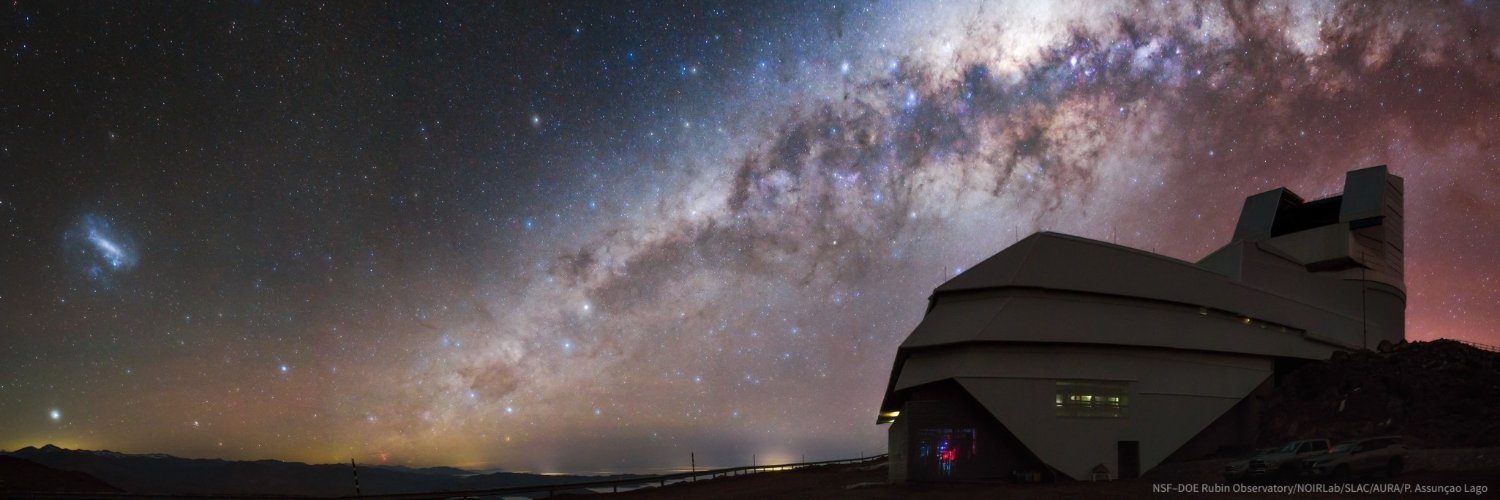
Before a night of discovery begins, there's this 🌅 NSF–DOE Rubin Observatory basks in a sunset glow in this @noirlabastro #ImageOfTheWeek, captured in June 2025. Rubin's Chile site was chosen because of its exceptional observing conditions, but it's also not a bad office view!
NSF-DOE Rubin Observatory tweet media
English
3
8
58
1.7K
NSF-DOE Rubin Observatory
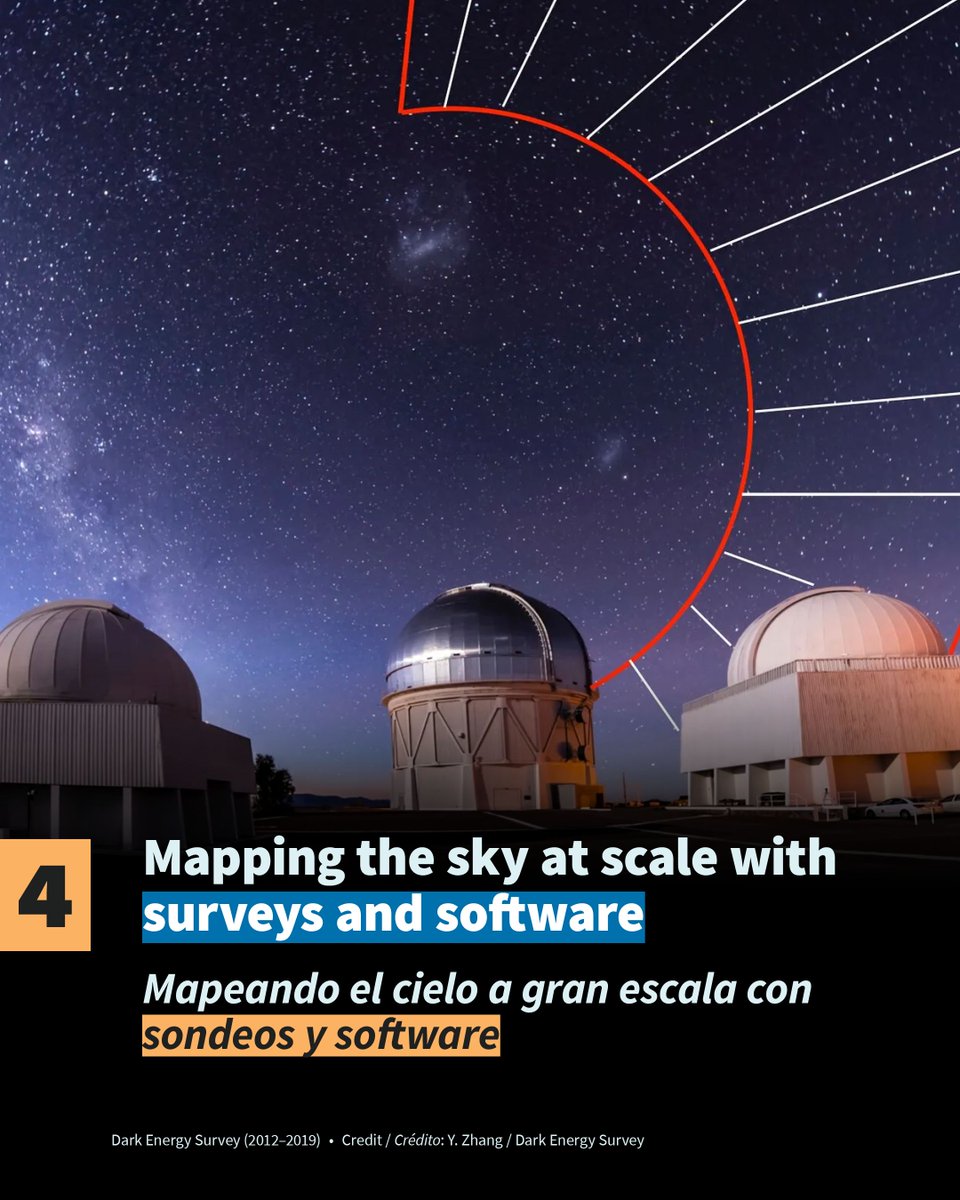
NSF–DOE Rubin Observatory is the next step, bringing in the era of big-data survey astronomy. Rubin is the most powerful survey observatory ever built, capable of not only capturing the entire southern sky, but doing it on repeat every few nights for a decade!
NSF-DOE Rubin Observatory tweet media
English
0
3
16
721
NSF-DOE Rubin Observatory
Then we developed CCDs and digital detectors, which turned light into precise data that computers could analyze. Around the turn of the century, advances in software and computing made large-scale sky surveys possible for the first time.
NSF-DOE Rubin Observatory tweet mediaNSF-DOE Rubin Observatory tweet media
English
1
2
12
911
NSF-DOE Rubin Observatory
How it started, and how it's going ✨ Astronomy used to mean studying a single object at a time, often by eye or through early telescopes. Then came photographic plates, which let us capture the sky for later study. 🧵
NSF-DOE Rubin Observatory tweet mediaNSF-DOE Rubin Observatory tweet mediaNSF-DOE Rubin Observatory tweet media
English
1
9
29
1.7K
NSF-DOE Rubin Observatory
Fireworks from the cosmos🎆 Happy #FourthOfJuly! The colors in NSF–DOE Rubin Observatory's Ocean of Stars are both scientific & beautiful, and tell us about the stars' properties. Hot, massive stars burn blue-white, while cool or old stars glow red. 🔗: skyviewer.app
NSF-DOE Rubin Observatory tweet mediaNSF-DOE Rubin Observatory tweet mediaNSF-DOE Rubin Observatory tweet mediaNSF-DOE Rubin Observatory tweet media
English
5
14
79
2.4K
NSF-DOE Rubin Observatory
NSF-DOE Rubin Observatory@VRubinObs·
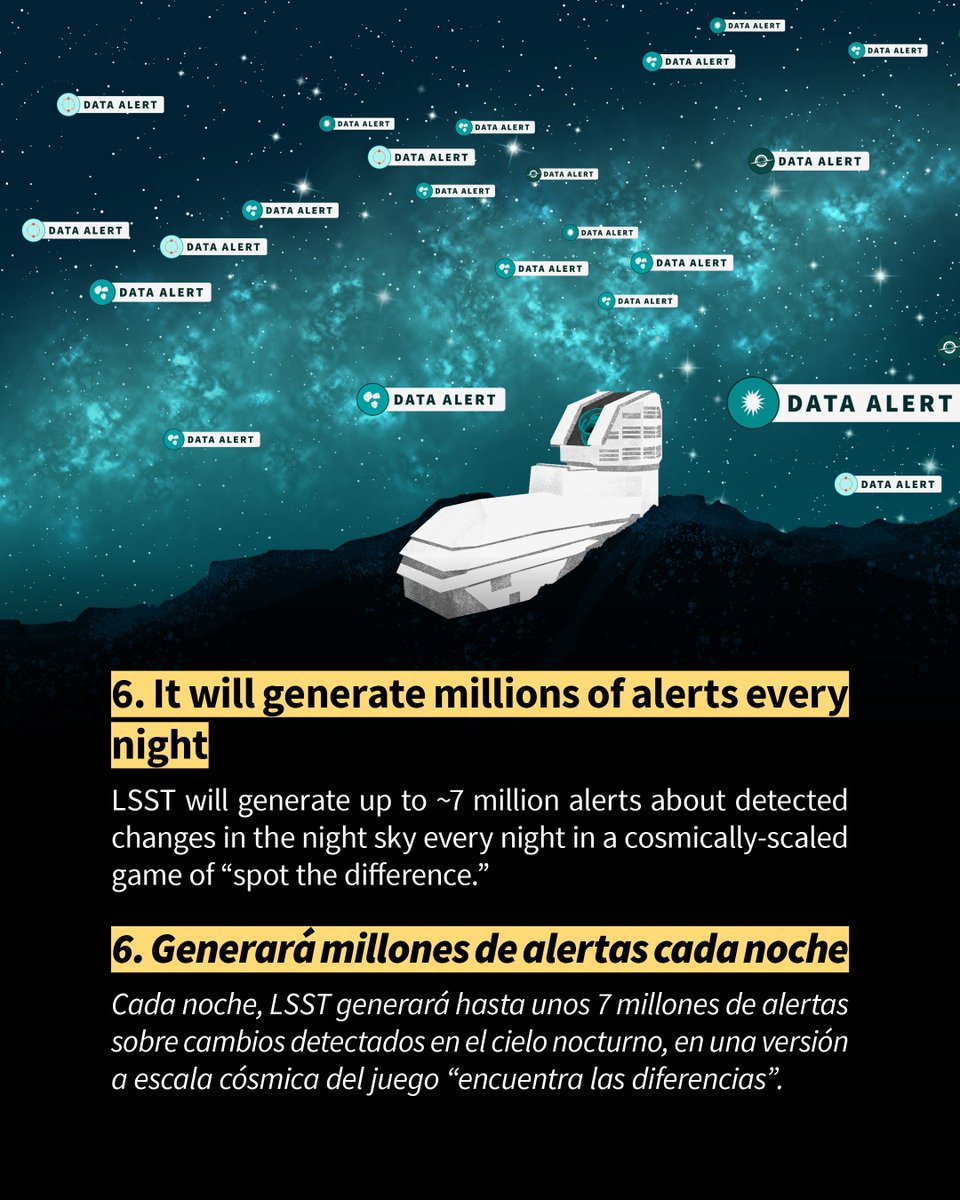
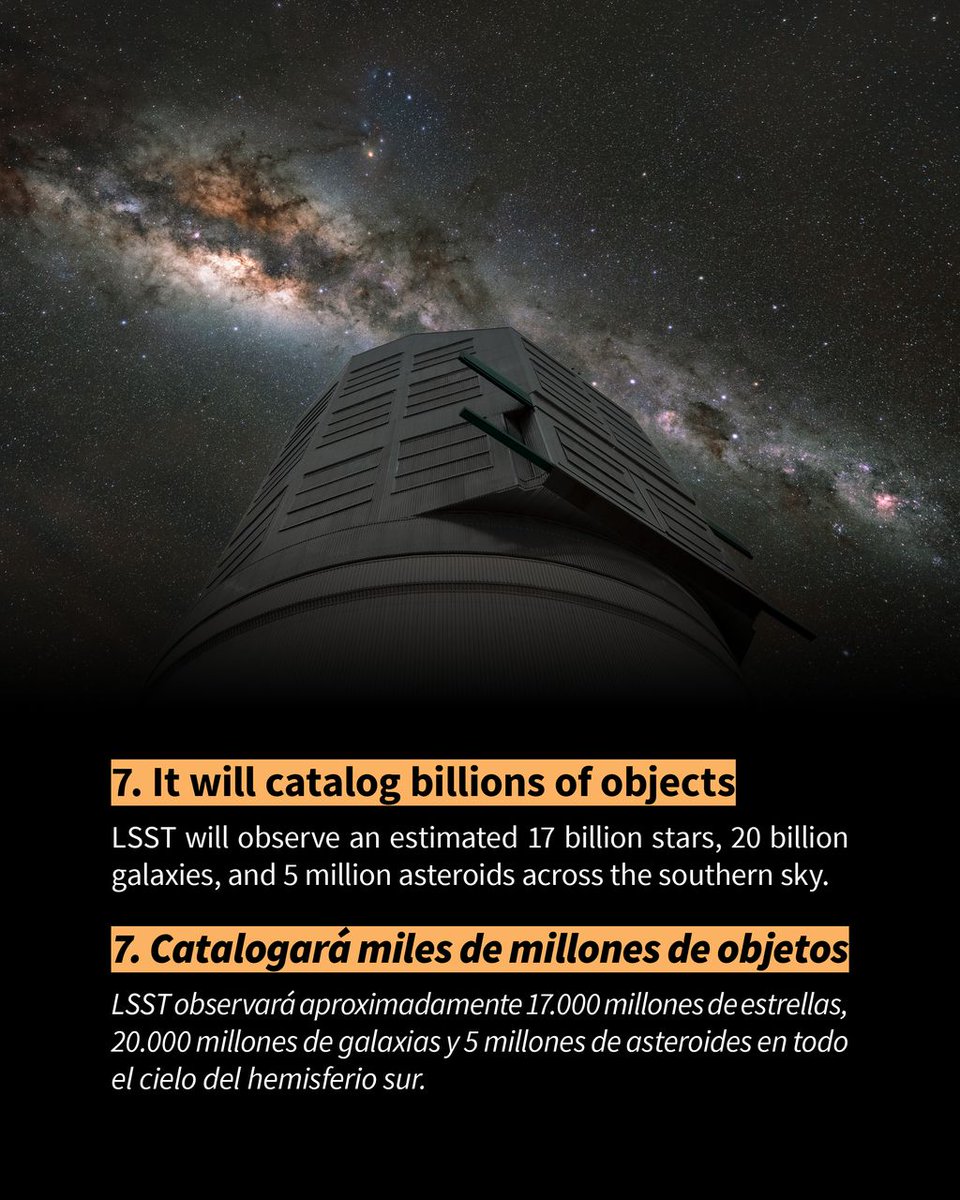
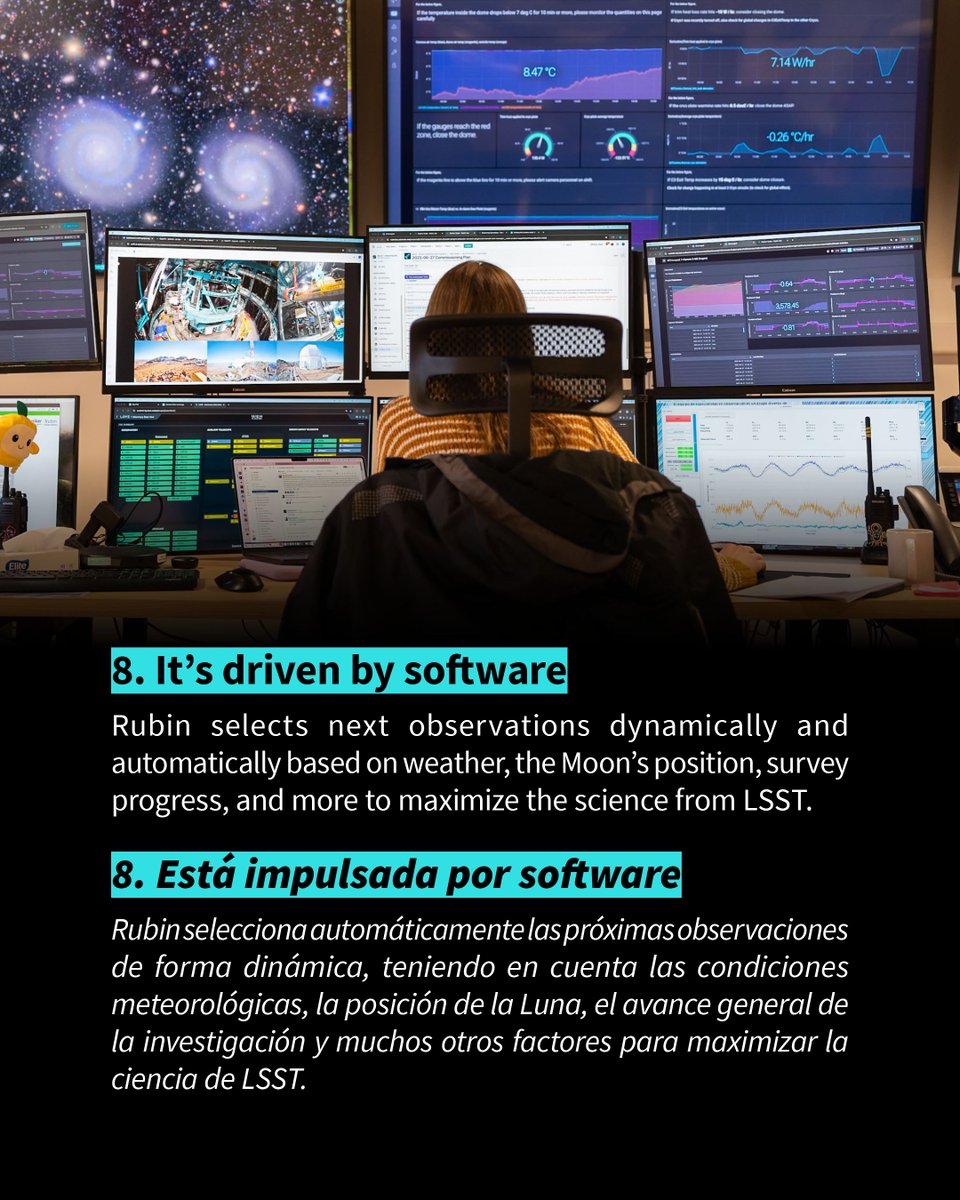
5. It will produce massive amounts of data 📈 6. It will generate millions of alerts every night 🚨 7. It will catalog billions of objects 🌟🌀☄️💥 8. It’s driven by software 💻
NSF-DOE Rubin Observatory tweet mediaNSF-DOE Rubin Observatory tweet mediaNSF-DOE Rubin Observatory tweet mediaNSF-DOE Rubin Observatory tweet media
English
1
1
14
788
NSF-DOE Rubin Observatory
NSF-DOE Rubin Observatory@VRubinObs·
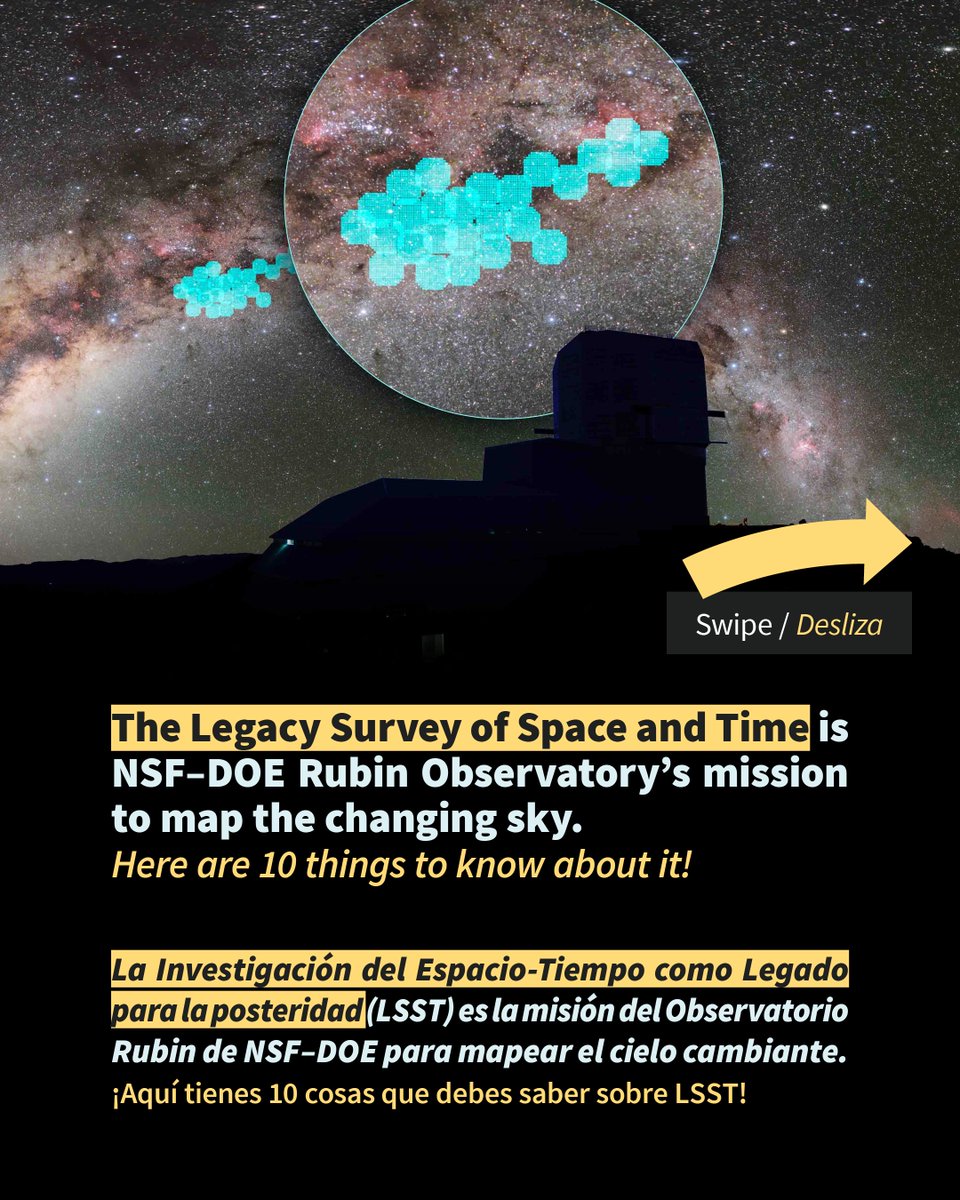
An observatory built to see it all. NSF–DOE Rubin Observatory was built to conduct the decade-long Legacy Survey of Space and Time (LSST). Here are ten things to know about LSST! 🔭🧪 🧵
NSF-DOE Rubin Observatory tweet media
English
5
16
49
6.2K
NSF-DOE Rubin Observatory
NSF-DOE Rubin Observatory@VRubinObs·
The scheduler sets the next pointings based on environmental conditions, science priorities, and existing sky coverage. This means Rubin can optimize sky coverage on the fly and collect the best data possible all night, every night! 🎥: NSF–DOE RubinObs/NOIRLab/SLAC/AURA
English
1
0
8
728
NSF-DOE Rubin Observatory
NSF-DOE Rubin Observatory@VRubinObs·
What do we mean when we say NSF–DOE Rubin Observatory will scan the sky? This visualization shows what a typical week of the 10-year survey looks like. The survey runs via a smart algorithm called a scheduler that dynamically determines where Rubin points next.
English
2
15
91
4.1K
Owen Lewis
Owen Lewis@is_OwenLewis·
@VRubinObs What part of the galaxy are we looking at here?
English
1
0
0
51
NSF-DOE Rubin Observatory
NSF-DOE Rubin Observatory@VRubinObs·
NSF–DOE Rubin Observatory's new Ocean of Stars image is packed full, but where to start? Our new Skyviewer tour introduces you to some of the objects hiding in plain sight. Knowing where to look is half the fun! skyviewer.app/tours/ocean-ge… 📷: NSF–DOE RubinObs/NOIRLab/SLAC/AURA
NSF-DOE Rubin Observatory tweet mediaNSF-DOE Rubin Observatory tweet mediaNSF-DOE Rubin Observatory tweet mediaNSF-DOE Rubin Observatory tweet media
English
3
18
101
4.3K
NSF-DOE Rubin Observatory
NSF-DOE Rubin Observatory@VRubinObs·
@JfkWhitlam @ESA_Euclid @NASARoman Not yet but we’re just getting started! Our scientific community is already hard at work not only readying for Rubin data, but also readying to combine this incredible dataset with others (including Euclid and Roman) to learn the most we can about the Universe.
English
1
0
1
37
JFK Whitlam
JFK Whitlam@JfkWhitlam·
@VRubinObs @ESA_Euclid Thank you, Is there a dataset from Rubin of the same area? A direct comparison, especially when @NASARoman launches will be very useful I think realistically, A large telescope mission building on pioneer 10 11 voyagers Leaving the solar system galactic north south Center,
English
2
0
0
24
NSF-DOE Rubin Observatory
NSF-DOE Rubin Observatory@VRubinObs·
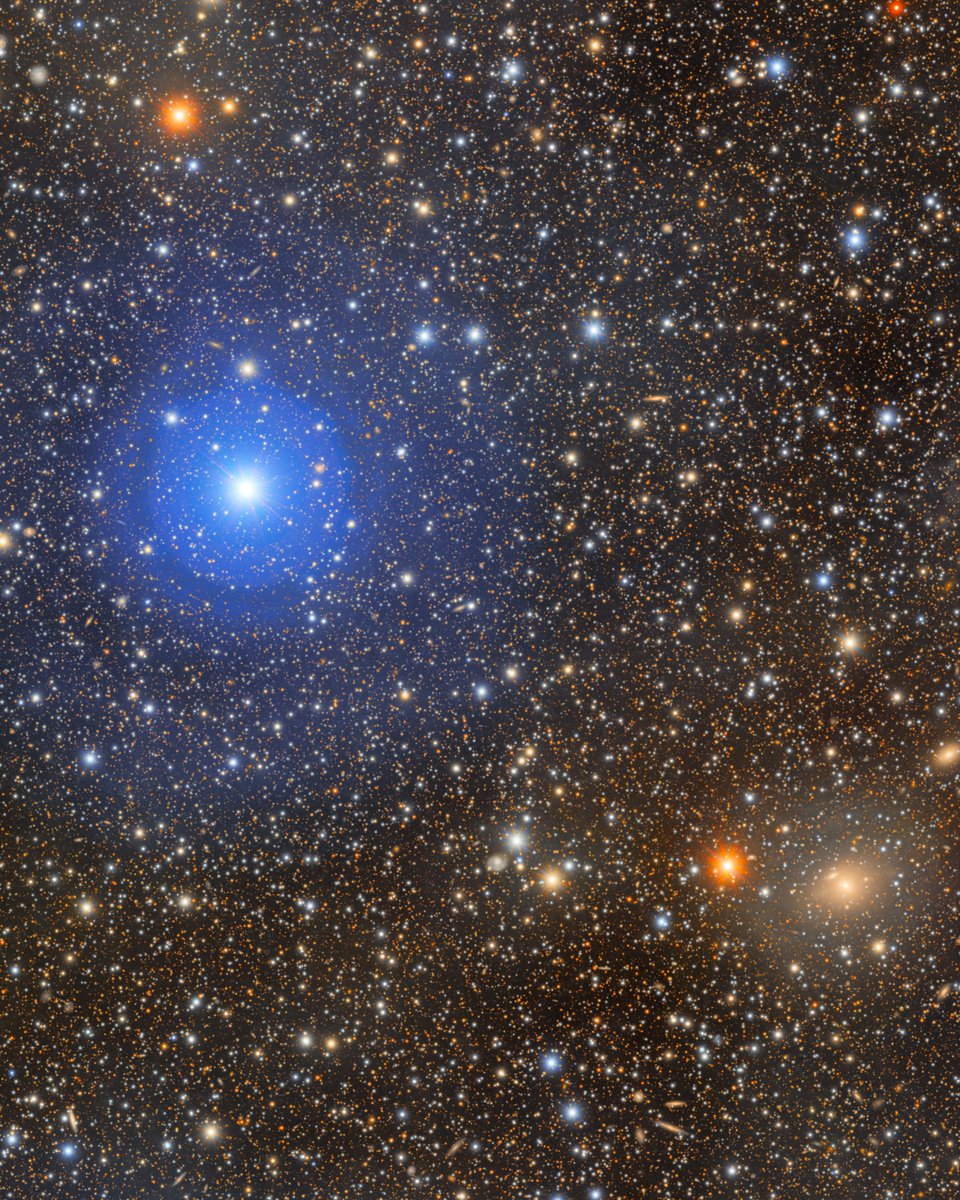
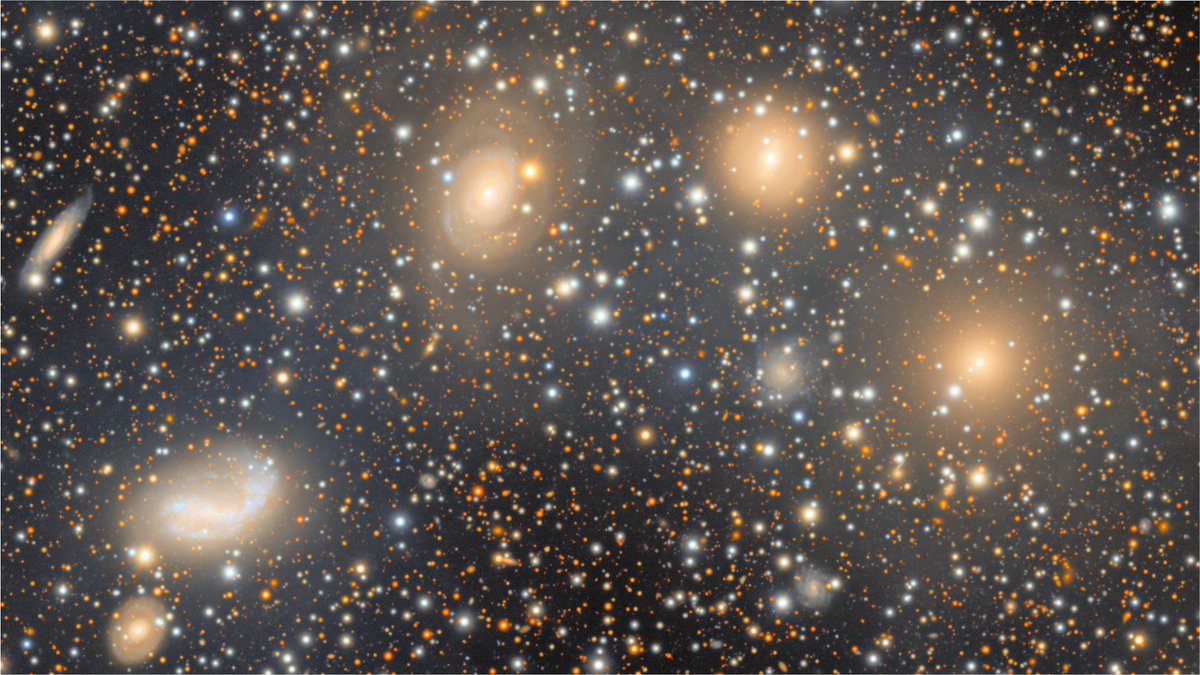
This image is packed full with millions of stars in our own Milky Way 🌟 Millions more distant galaxies lie beyond them, each full of billions or trillions of stars. We even see the faint, ghostly clouds of interstellar dust known as "galactic cirrus" spread through our galaxy.
NSF-DOE Rubin Observatory tweet mediaNSF-DOE Rubin Observatory tweet mediaNSF-DOE Rubin Observatory tweet mediaNSF-DOE Rubin Observatory tweet media
English
1
8
39
994