Franco Vazquez

65 posts

Franco Vazquez banner
Franco Vazquez

Franco Vazquez

@VazquezFrancom

Economista (UNLP-UdeSA). Research Assistant (Harvard University).

La Plata Katılım Nisan 2020
337 Takip Edilen202 Takipçiler
Franco Vazquez retweetledi
Santiago Capdevila
Santiago Capdevila@capdevila_sc·
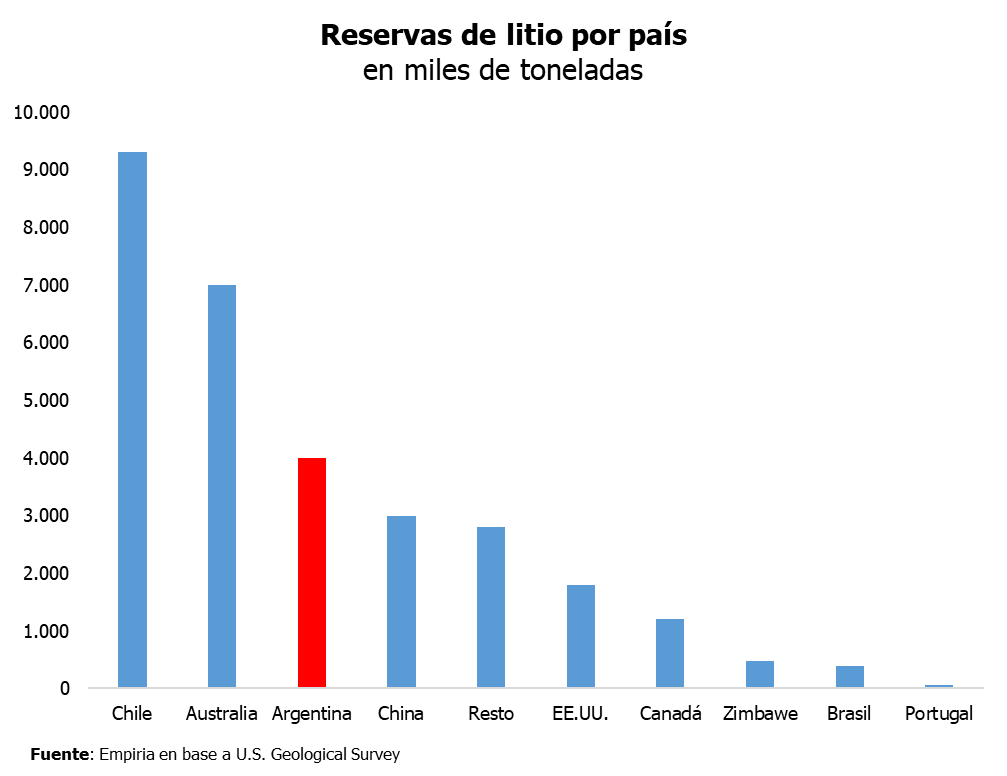
Argentina tiene una oportunidad enorme siendo el tercer país con mayor stock de reservas de litio del mundo. Hoy el litio ya explica ~15% de las exportaciones mineras, récord en 2025. El salto depende menos de la geología y más de la macro, la inversión y la previsibilidad.
Santiago Capdevila tweet media
Español
0
4
10
247
Franco Vazquez retweetledi
Alberto Cavallo
Alberto Cavallo@albertocavallo·
The WSJ highlights data from our HBS Tariff Tracker. Import prices have picked up in recent weeks, as noted in the article, but remain largely flat since November. So far, the recent moves look more like a post-holiday rebound than a sustained increase. See updated graphs through Feb 10 on the HBS Tariff Tracker.
The Wall Street Journal@WSJ

Higher tariffs, labor and health-insurance costs have pushed many businesses to raise prices for consumers. on.wsj.com/4rVcjhr

English
2
3
31
4.6K
Franco Vazquez retweetledi
Alberto Cavallo
Alberto Cavallo@albertocavallo·
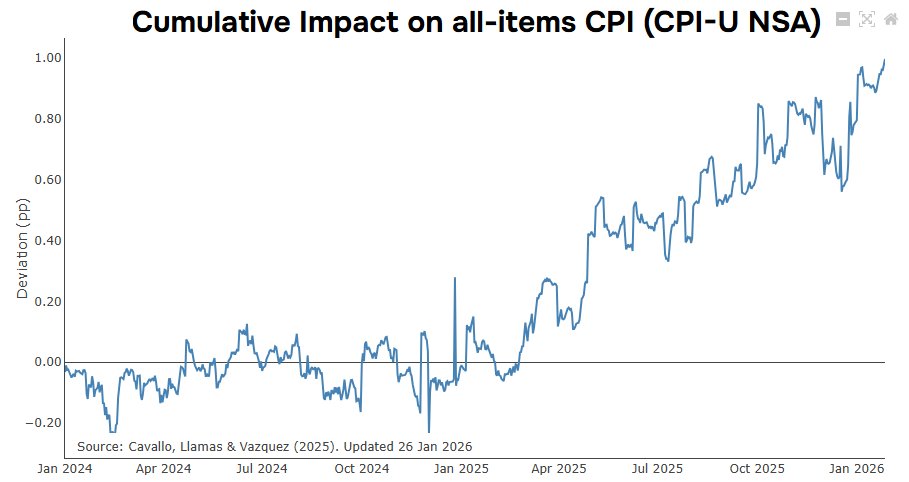
📈 HBS Tariff Tracker Update Tariffs continue to drive prices higher than pre-2025 trends: 🔹 Import Prices: +9.7% 🔹 Domestic Prices: +4.4% 🔹 CPI Impact: +1.0 pp (since Mar 2025) Our revised paper now includes an incidence estimate: Consumers paid 43% of the burden by Oct 2025 (see assumptions in paper). Details: pricinglab.org/tariff-tracker/
Alberto Cavallo tweet media
English
6
131
383
45.9K
Franco Vazquez retweetledi
Raul Sosa
Raul Sosa@raul_sosa2908·
New NBER working paper with @SFGaliani, @RamiroHGalvez, and @Franco_MettLG! We develop an LLM-based approach to measure how economics research frames efficiency and equity using 27,464 articles from 1950 to 2021, and document a sharp post-1990 shift toward equity-related framing.
NBER@nberpubs

Measuring how frontier research frames what is normatively at stake along the efficiency and equity dimension, from @SFGaliani, @RamiroHGalvez, @Franco_MettLG, and @raul_sosa2908 nber.org/papers/w34714

English
0
2
12
1.1K
Franco Vazquez retweetledi
Jesús Fernández-Villaverde
Jesús Fernández-Villaverde@JesusFerna7026·
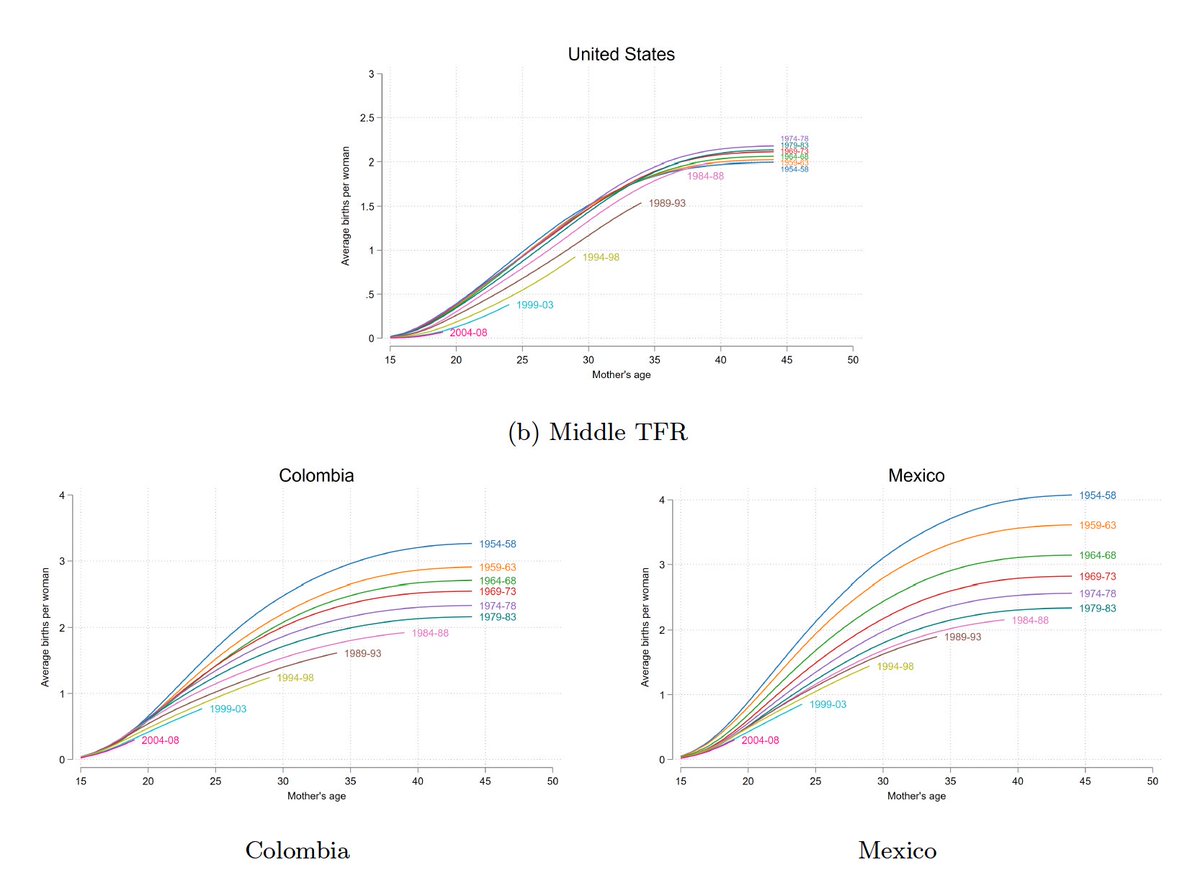
Few facts are more surprising than that, as of early 2026, Latin America has a lower fertility rate than the U.S., reversing a long-standing historical pattern. I was therefore very glad to see this morning a truly fascinating paper by Milagros Onofri, Inés Berniell (@InesBerniell), Raquel Fernández (@raquel1fernan), and Azul Menduiña on Latin America’s recent fertility decline at @nberpubs: Understanding Latin America’s Fertility Decline: Age, Education, and Cohort Dynamics nber.org/papers/w34749 I have not yet had time to fully digest all its findings, but I will be reading it repeatedly over the next few weeks. From a first reading, here are five key results (which align very well with some of my previous posts here on X): 1️⃣ The decline in period fertility between 2000 and 2022 is driven primarily by reductions in within-group birth rates, rather than by changes in population composition. 2️⃣ The largest contributions to the fertility reduction come from younger and less-educated women. 3️⃣ The decline in completed fertility reflects substantial reductions in the average number of children per woman. 4️⃣ This is driven primarily by lower fertility among mothers, rather than by rising childlessness. 5️⃣ There is currently a negative correlation between female labor force participation and the total fertility rate, suggesting that greater engagement of women in market work is not directly driving the fertility decline. Findings 2️⃣ and 5️⃣ contradict some of the overfacile explanations one often reads in the media (or in the comments section): the reduction in fertility in Latin America is not concentrated among “liberated,” highly educated women with jobs in the market. Finding 3️⃣ says the observed reduction in fertility is not mainly about timing. Yes, timing matters, but much less so than reductions in completed fertility. Finding 4️⃣ is interesting, and perhaps different from more advanced economies. My own conjectures (not the authors’!): 1️⃣ Their data end in 2022, since they need to rely on final consolidated sources. Everything I have seen in the provisional data for 2023–2025 fully supports their findings and perhaps even reinforces them. 2️⃣ By looking at the cohort level, I do not see much of a differential effect between cohorts with and without access to cell phones. Instead, I see a constant decline over time. To make this latter point, I include one of the figures from the paper, plotting, for several countries and five-year birth cohorts from 1954–1958 to 2004–2008, the cumulative average number of children a woman has had by each age. The only point where perhaps I diverge somewhat from the authors is in their more optimistic assessment of the WPP data than mine. But that is a very minor quibble. Otherwise, anyone interested in Latin America’s fertility should read this paper with utmost attention. This is social science research at its best.
Jesús Fernández-Villaverde tweet media
English
41
194
773
134.4K
Franco Vazquez retweetledi
Alberto Cavallo
Alberto Cavallo@albertocavallo·
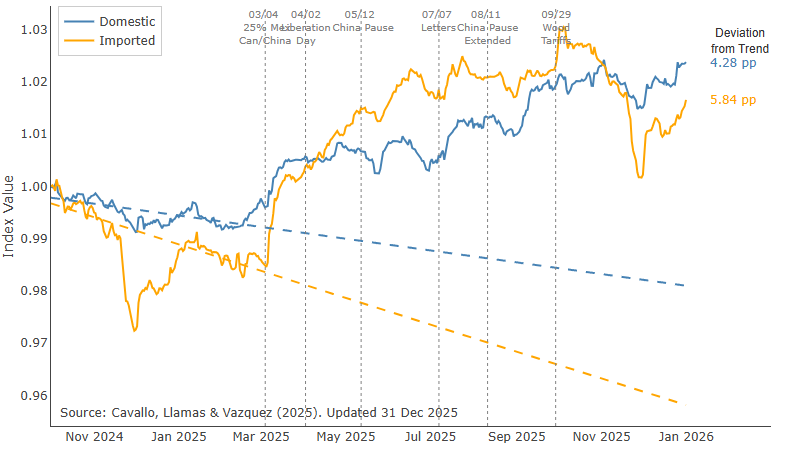
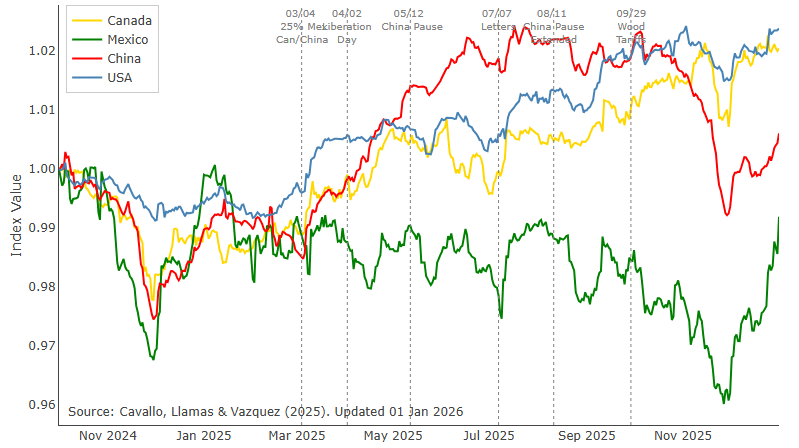
HBS Tariff Tracker updated through Jan 1: 📦 Imported goods +5.8% | Domestic goods +4.3% vs pre tariff trends 💸 Imported goods saw large holiday discounts and have only partially rebounded. 🌏 Chinese prices fell in November and remain soft. Mexican prices are surging (seasonal). Canadian prices rising steadily. 📈 CPI impact: +0.65 pp We added 250K new products to the sample. More at pricinglab.org/tariff-tracker
Alberto Cavallo tweet mediaAlberto Cavallo tweet media
English
1
19
64
6.7K
Franco Vazquez retweetledi
Santiago Capdevila
Santiago Capdevila@capdevila_sc·
Hoy en @TiempoLibreok le preguntamos a @LuisCaputoAR sobre cómo se van a pagar los vencimientos de enero. Acá la respuesta:
Ministerio de Economía@MinEconomia_Ar

En @somoslacasaok, @LuisCaputoAR aseguró que “no es un problema el vencimiento del 9 de enero”. Además, precisó que el Gobierno cuenta con “casi USD 890 millones que ha venido comprando el Tesoro y casi USD 1.000 millones de la colocación de bonos”. “Hay además alrededor de USD 7.000 millones que ofrecieron los bancos en repo y los dos swaps”, añadió.

Español
0
4
21
1.4K
Franco Vazquez retweetledi
Alberto Cavallo
Alberto Cavallo@albertocavallo·
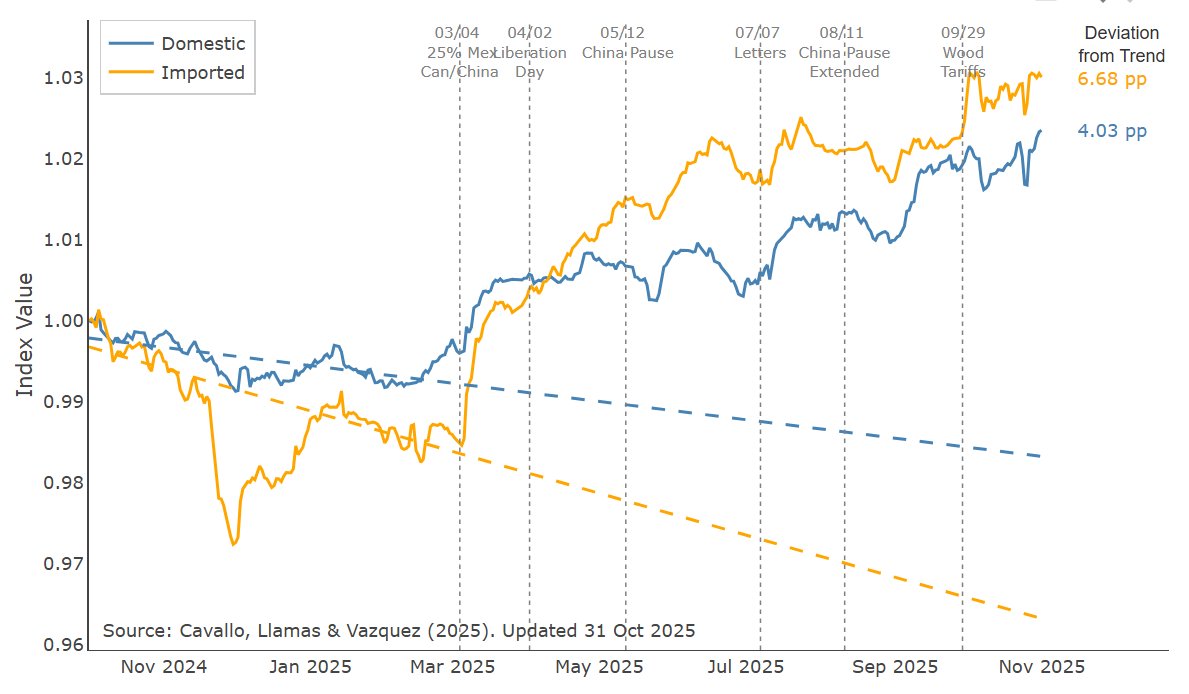
We updated the HBS tariff tracker through November 1. Results remain stable: imported goods up 6.7 percent vs pre-tariff trends, domestic goods up 4 percent. The combined impact from these sectors is now estimated at 0.63 percentage points. See pricinglab.org/tariff-tracker/
Alberto Cavallo tweet media
English
0
13
55
4.6K
Franco Vazquez retweetledi
Raul Sosa
Raul Sosa@raul_sosa2908·
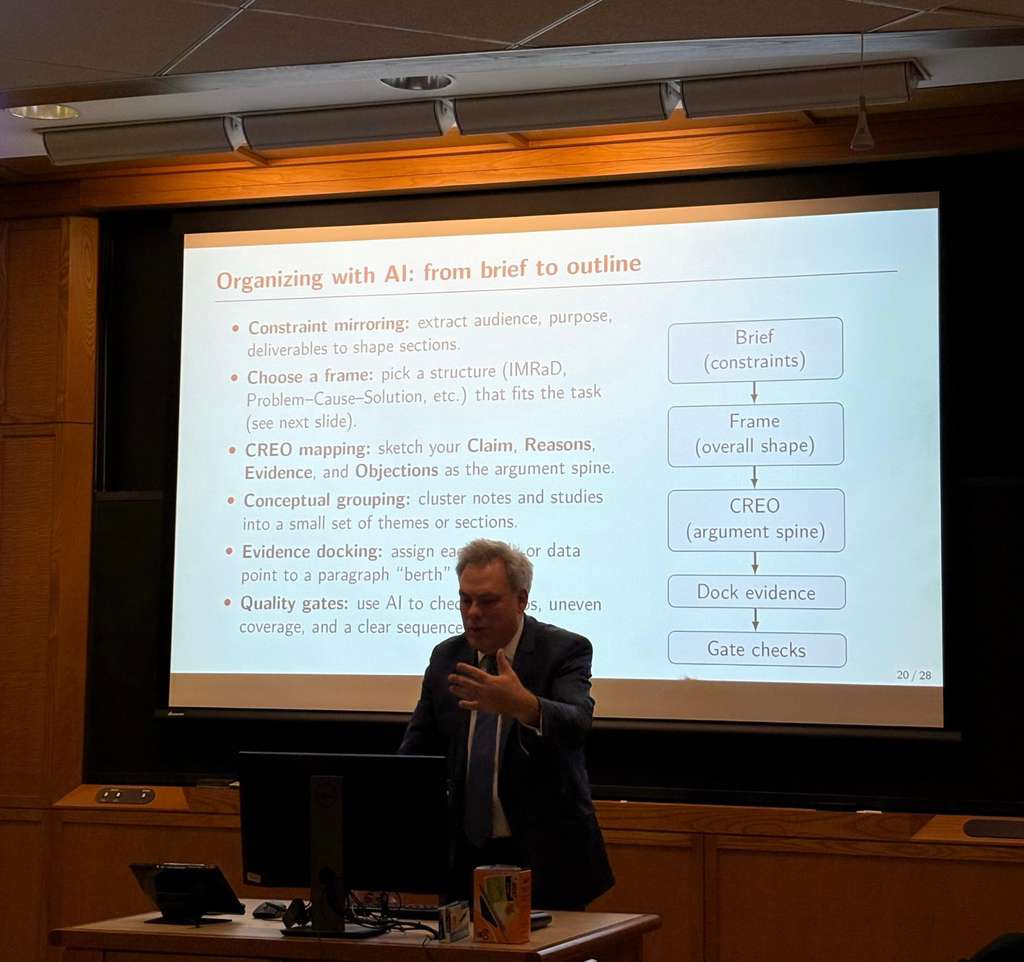
Happy to see our book "AI at Your Side" presented at Harvard Graduate School of Education (@hgse)! Huge thanks @SFGaliani. More coming soon!
Sebastian Galiani@SFGaliani

Rolling out AI at Your Side: first presentation of this very original book, co-authored with @raul_sosa2908, on how to use AI to boost learning and productivity. More to come. Today at Harvard Graduate School of Education @hgse — thank you for the invitation and the excellent comments.

English
2
2
24
2.3K
Franco Vazquez retweetledi
Sebastian Galiani
Sebastian Galiani@SFGaliani·
Rolling out AI at Your Side: first presentation of this very original book, co-authored with @raul_sosa2908, on how to use AI to boost learning and productivity. More to come. Today at Harvard Graduate School of Education @hgse — thank you for the invitation and the excellent comments.
Sebastian Galiani tweet media
English
0
5
46
149.6K
Franco Vazquez retweetledi
Departamento de Economía - U. de San Andrés
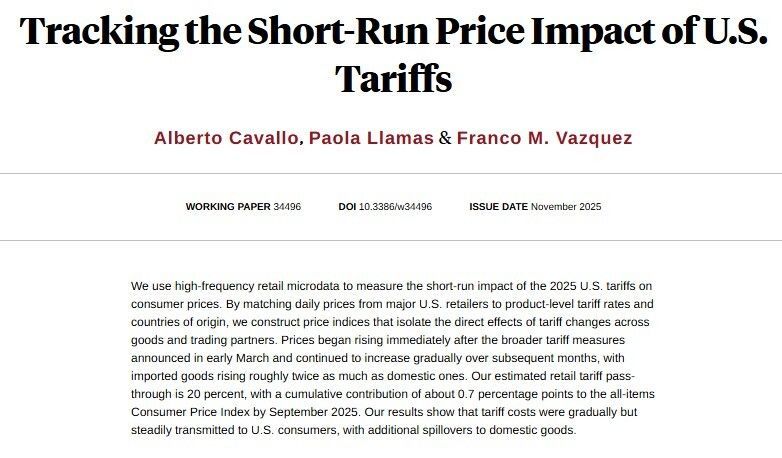
📄 Nuevo working paper de nuestros graduados @albertocavallo (Lic. 2000, profesor en Harvard Business School), @paollamas_ (Mae. 2023) y @VazquezFrancom (Mae. 2024). Orgullosos del aporte académico que distingue a la comunidad de graduados en @econudesa. ✨
NBER@nberpubs

Tariff costs were gradually but steadily transmitted to US consumers, with additional spillovers to domestic goods, from @albertocavallo, Paola Llamas, and @VazquezFrancom nber.org/papers/w34496

Español
0
1
14
1.6K
Franco Vazquez retweetledi
Alberto Cavallo
Alberto Cavallo@albertocavallo·
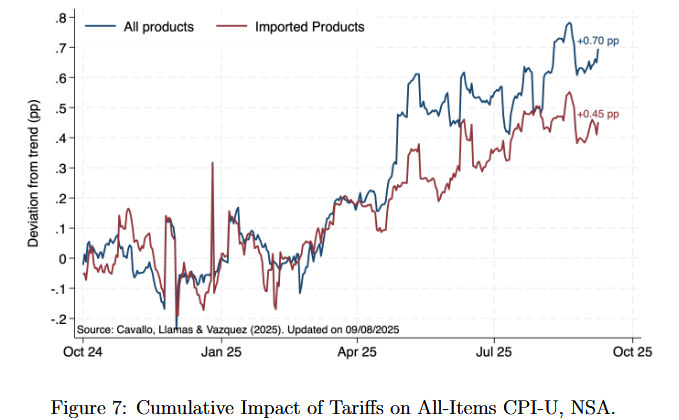
We updated our US tariff paper last week with new evidence. Figure 7 shows the cumulative impact of the tariffs on headline CPI through September, measured as the deviation from pre tariff trends and weighted with official CPI expenditure data. Imported goods alone added about 0.45 percentage points, rising to 0.7 percentage points once domestic price responses are taken into account. Detail here: pricinglab.org/files/Tracking…
Alberto Cavallo tweet media
English
8
99
272
127.2K
Franco Vazquez retweetledi
Alberto Cavallo
Alberto Cavallo@albertocavallo·
Big update to our US Tariffs Paper: 📦 Pass-through ≈20% (using applied tariff rates, accounting for exemptions) 💸 “Cheapflation”: cheaper goods within categories saw 2× higher inflation 📈 Cumulative CPI impact: +0.7 percentage points More details pricinglab.org/files/Tracking…
Alberto Cavallo tweet media
English
10
105
343
94.1K
Franco Vazquez retweetledi
Santiago Capdevila
Santiago Capdevila@capdevila_sc·
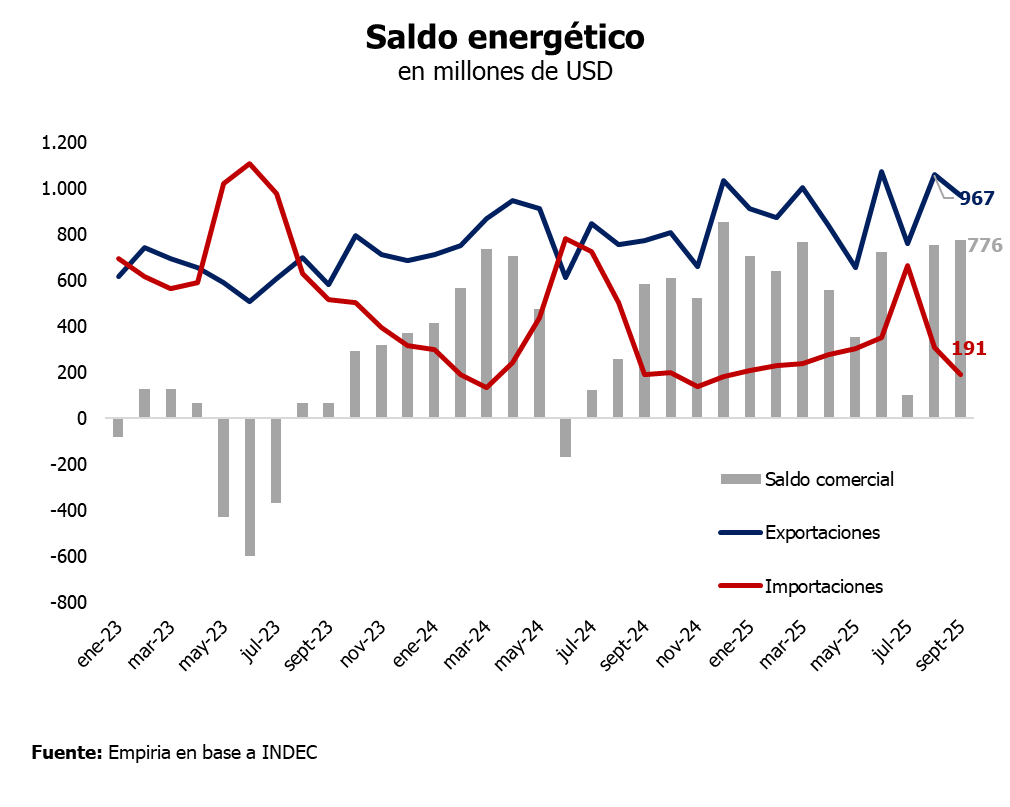
En septiembre, el sector energético registró un superávit de USD 776 millones, el más alto de 2025. En lo que va del año acumula USD 5.367 millones, superando ampliamente los USD 3.684 millones del mismo período de 2024.
Santiago Capdevila tweet media
Español
0
1
9
254
Franco Vazquez
Franco Vazquez@VazquezFrancom·
Muy contento de ver que el trabajo que venimos haciendo, donde miramos el efecto de los aranceles en EE.UU. sobre los precios al consumidor esté generando tanto interés. Las últimas actualizaciones disponibles están en el sitio del Harvard Pricing Lab 👉 pricinglab.org/tariff-tracker
Español
0
0
2
47