
Stick
1.1K posts


Stick
@VegasStick
🇺🇸 🇺🇸 TRUMP|VANCE 🇺🇸 AMERICA 🇺🇸 FREEDOM 🇺🇸 METAL HEAD 🤘🏼🤘🏼🤘🏼SPACE LOVER 🪐 FOOD AFICIONADO 👨🏼🍳 HUSBAND AND FATHER 🦸🏼♂️ IFB 🍻
Las Vegas, NV Katılım Mart 2026
1.5K Takip Edilen1K Takipçiler




🚨NEW: Father of two died after getting trapped in a Boston subway station escalator while more than a dozen people walked past him without helping
Steven McCluskey, 40, lost his balance while going down an escalator at Davis Station in Somerville just before 5 a.m. on February 27
Surveillance video shows his coat getting caught in the escalator as he desperately tried to free himself
As the fabric tightened around his neck, McCluskey eventually collapsed at the bottom of the escalator
Video released by the MBTA shows multiple people walking past him without stopping to help, including one man who watched briefly before walking away
An employee finally stopped the escalator more than 20 minutes later before medics arrived and performed CPR
English

The Illusion of "Easy" DIY: What It Actually Takes to Build Floating Stairs
There is a massive difference between underestimating a project and choosing to execute it with absolute precision anyway. What looks like a seamless aesthetic transition in a completed landscape is actually a masterclass in geometry, physics, and patience.
Transforming an unstable, uneven slope into a structural floating deck stairway requires looking past the surface. For those planning to tackle a similar elevation challenge, true success relies on a few non-negotiable steps:
1. Foundation is Everything
The entire structure sits flush and level because blocks are utilized early on to meticulously level the framing. If the base landing frame is off by even a millimeter, every subsequent step compounding down the hill will magnify that error.
2. Know the Materials
A common misconception in DIY outdoor builds is assuming all lumber is treated equally. In regions like Australia, H3 pressure-treated timber is standard for above-ground framing to repel moisture, while robust H4 timber must be used for any posts making direct ground contact. Additionally, applying joist tape to the top of the frame is a critical, often-overlooked step to prevent water trapped between boards from causing premature rot.
3. The Visual Disappearing Act
The secret to the "floating" illusion isn't magic—it's contrast. By painting the structural framing pitch black and backfilling with textured elements like coffee rock, the eye completely bypasses the support system, making the premium composite decking look as though it is hovering in mid-air.
4. Finishing with Intent
Ripping faceboards down to exact dimensions and meticulously mitering the edges ensures that the final product looks like a professional architectural installation rather than an afterthought. Add a subtle layer of under-tread LED lighting, and the entire landscape transitions from a functional walkway into a visual centerpiece.
The Ultimate Debate
Every builder has a different approach when managing challenging slopes. Some swear by pouring a solid concrete pad first, while others prefer setting independent posts step-by-step to adapt to the natural curve of the earth.
When dealing with a massive elevation change, is it better to excavate a completely uniform trench beforehand, or is adapting the framing dynamically to the slope the smarter move?
English

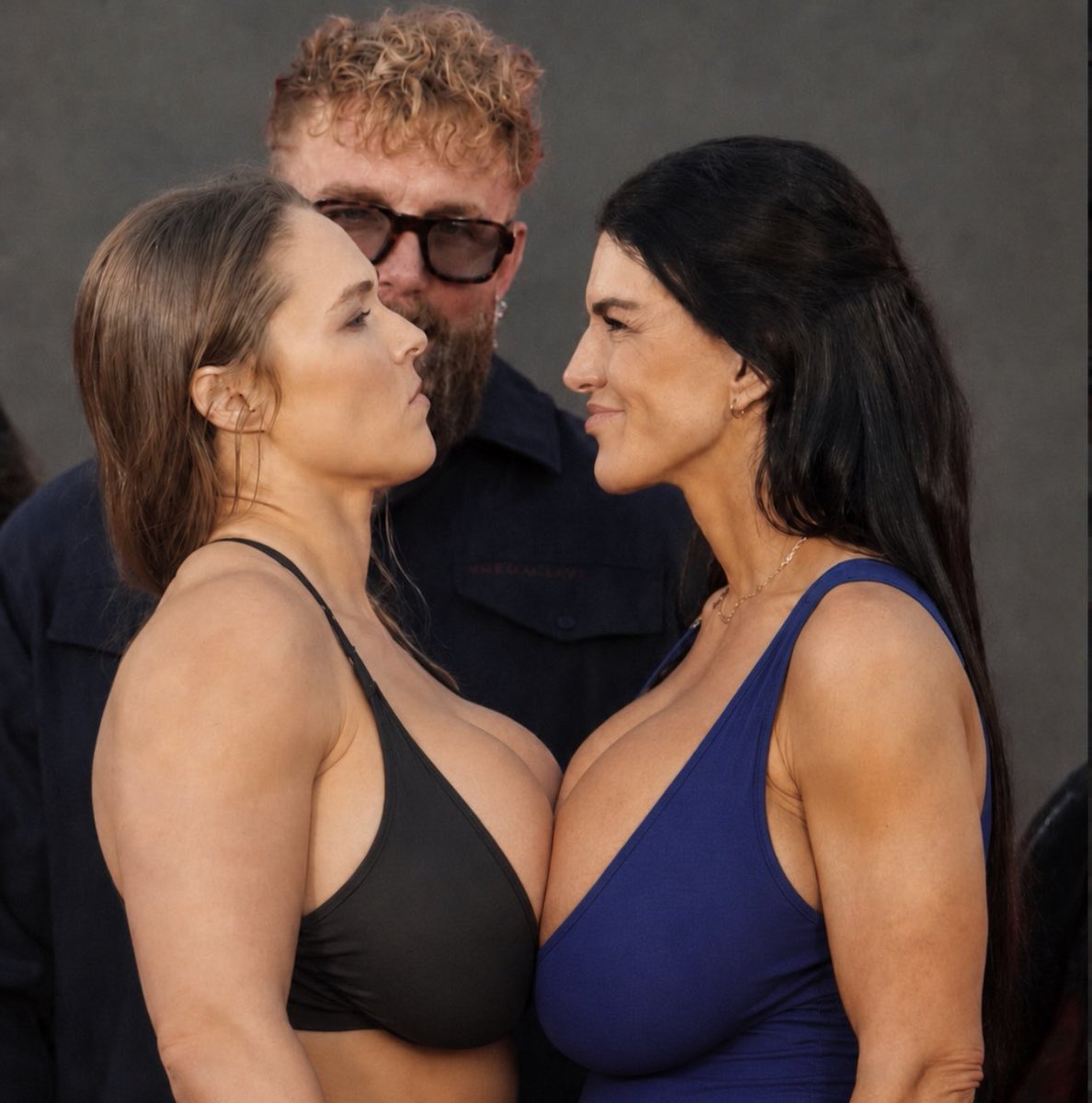
You are legally required to pick a side before entering the comments.
Team Ronda or Team Gina?
English
She must’ve graduated from the learing center.
AlphaFox@alphafox
If there was only an invention, which would all you to clean the floor using water, without making a mess. 🤔
English
@LangmanVince I’d have to watch basketball to answer that one, which I don’t because basketball is lame as shit. 😬
English
Am I the only one who thinks that Caitlin Clark has gotten annoying?
English


@Raindropsmedia1 @EdsrAh Pos, but that’s better than being punched in the face.
English

Comedian Kelly Collette was assaulted in broad daylight by a man on a bicycle in Cincinnati. He smacked her cheeks and then rode off quickly. Police are now searching for the suspect. 👀😳
English


You get $50… but you can never watch the Kardashians again. Deal?
English