Verneri Brander

3.3K posts

Verneri Brander banner
Verneri Brander

Verneri Brander

@VerneriB

The Only Email & SMS Marketing Partner for Telehealth Brands | #1 Klaviyo & https://t.co/axZ1rbOBjL Partner | Free Guides etc. ๐Ÿ‘‰ https://t.co/drW5MuNnfo

Austin, TX Katฤฑlฤฑm Mayฤฑs 2013
492 Takip Edilen409 Takipรงiler
SabitlenmiลŸ Tweet
Verneri Brander
Verneri Brander@VerneriBยท
Partnership Announcement: @GrowthTrigger X @klaviyo redefining the retention marketing game for Nordic e-commerce ๐Ÿค 1/8
English
4
0
21
1.2K
Verneri Brander
Verneri Brander@VerneriBยท
Here's a pattern we keep seeing with telehealth brands that scale past $5M. They've got 15-20 automations running. Nobody has reviewed them in 6 months. Half are sending to outdated segments. Three are conflicting with each other. Two are converting at literally 0%. The system grew organically and now it's fighting itself. First thing we do is map every active flow, kill the ones dragging performance, and rebuild the ones worth saving.
English
1
0
0
16
Verneri Brander
Verneri Brander@VerneriBยท
Had a prospect tell me last week "we already have Klaviyo set up, so we're good on email." Having Klaviyo set up is like having a gym membership. It means nothing if you're not showing up and doing the work.
English
1
0
1
23
Verneri Brander
Verneri Brander@VerneriBยท
The best cross-sell in telehealth doesn't feel like a hard sell. It feels like a provider saying "based on your progress, you might benefit from this." Clinical framing converts. Ecommerce framing gets ignored.
English
0
0
0
9
Verneri Brander
Verneri Brander@VerneriBยท
I used to work 8 hours a day and have a never-ending to-do list. Then i found Claude Now I work 16 hours a day and have a never-ending to-do list. --- Jk :D But that's how it feels like. The pace of taking action and getting sh*t done has exploded with AI but it also means that every hour I'm not working, I lose "more output" than in the past. Can anyone relate? I'm excited and overwhelmed at the same time.
English
0
0
0
18
Verneri Brander
Verneri Brander@VerneriBยท
We've audited lifecycle marketing at dozens of telehealth brands now. Most score below 40% on what we'd consider a healthy retention infrastructure. Not because they're bad at marketing. Because nobody ever mapped it out for them. What "good" looks like across deliverability, segmentation, automation health, and patient lifecycle coverage. So we built a free tool that does exactly that. 6 questions. Takes 1 minute. You get a Lifecycle Health Score (0/100) and a breakdown of where the gaps are. See where you actually stand in under 60 seconds. growthtrigger.xyz/health-score
English
1
0
0
21
Verneri Brander
Verneri Brander@VerneriBยท
Something that surprised me about building a service business for one hyper-specific vertical. When you only serve telehealth, every conversation compounds. A pattern we spot at one brand shows up at the next. A flow that works for GLP-1 retention informs how we think about men's health. The knowledge stacks. Generalist agencies can't do this. They go from a fashion brand to a SaaS tool to a supplement company. Every engagement starts from scratch. The insights from one project don't transfer because the industries are too different. For us, every client makes the next engagement better. We already know which months patients churn, which segments respond to what, which automations tend to break, and where the data usually falls apart. That's not something you can build in a pitch deck. It takes years. If you're building an agency or a service business, seriously consider going deep in one space instead of wide across many. The compounding effect takes 12-18 months to really kick in, but once it does, it changes everything about how you win deals and deliver results.
English
1
0
0
25
Verneri Brander
Verneri Brander@VerneriBยท
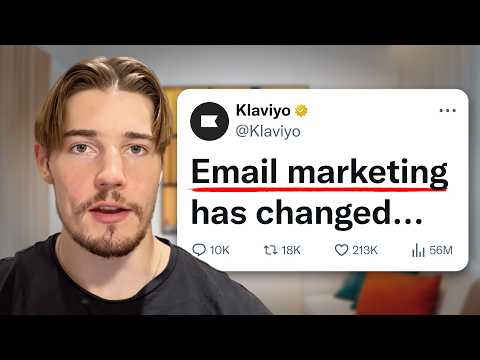
If you're still sending emails like this in 2026, you're in trouble. โŒ Only emailing when there's a sale or promotion โŒ Every campaign is a discount blast โŒ Same generic emails to your entire list This worked in 2015. It doesn't anymore. Ad costs are at an all-time high. Inboxes are more crowded than ever. And your customers have been trained to ignore almost everything you send them. The landscape has completely changed, So I made an entire breakdown covering the 3 new rules of email marketing in 2026. If you're an e-commerce or telehealth brand doing $50k+/month, this one's for you. ๐Ÿ“บ Watch the full breakdown here: youtu.be/W0FW5DuGK0A?isโ€ฆ
YouTube video
YouTube
English
0
0
0
21
Verneri Brander
Verneri Brander@VerneriBยท
Talked to a founder yesterday who said "we tried email, it didn't move the needle." Turns out their spam complaint rate was above 0.3%, open rate below 25%. Their emails were landing in spam for months and nobody even knew. The channel works fine. If the infrastructure isn't broken.
English
0
0
0
21
Verneri Brander
Verneri Brander@VerneriBยท
Customer/Patient retention isnโ€™t a discount problem. Itโ€™s a journey design problem. Yet most telehealth brands treat it like a last-minute rescue mission. Month 2 drops? โ†’ Send a discount. โ†’ Launch a winback. โ†’ Add a โ€œplease donโ€™t cancelโ€ flow. Thatโ€™s not retention. Thatโ€™s damage control. Real retention is built ๐›๐ž๐Ÿ๐จ๐ซ๐ž the cancellation button is ever clicked. It starts here: โ†’ Expectation setting in week 1 โ†’ Normalizing side effects โ†’ Explaining plateaus before they happen โ†’ Handling objections before they turn into refunds If a GLP-1 patient doesnโ€™t know nausea can be normalโ€ฆ They donโ€™t think: "Ah, this is part of the process.โ€ They think: โ€œThis isnโ€™t working for me.โ€ And that thought is where churn begins. Retention in telehealth is psychological before itโ€™s financial. Patients stay when: โ†’ They understand whatโ€™s happening in their body โ†’ They feel guided โ†’ They see a clear next step โ†’ They know what comes after month one And once trust is built... Then expansion becomes natural: โ†’ Multi-month plans โ†’ Complementary treatments โ†’ Long-term health pathways Not pushed. Designed. The brands that win donโ€™t rely on end-of-journey discounts. They architect the journey so churn never becomes the default outcome. If your retention strategy starts at โ€œdonโ€™t cancelโ€โ€ฆ Youโ€™re already too late.
English
0
0
0
9
Verneri Brander
Verneri Brander@VerneriBยท
Three different telehealth founders in two months have told me the same story: their previous agency took their backend IP and customer data and used it for a direct competitor. The bar in this industry is literally on the floor. Not recycling your clients' IP isn't a bold ethical stance. It's basic. But apparently it's rare enough to be a differentiator now. I'm building an entire business around something most people consider table stakes - just not screwing people over. Funny how that works.
English
0
0
1
30
Verneri Brander
Verneri Brander@VerneriBยท
Naming the shame works in copywriting. We wrote a campaign for a weight loss brand that named the thing everybody thought of but nobody ever said out loud. The secret eating. The 11 PM kitchen. The shame. This email got a 81% open rate. Sometimes the most effective copy is just saying what the patient is already thinking but afraid to admit.
English
1
0
0
21
Verneri Brander
Verneri Brander@VerneriBยท
Most telehealth brands send the same welcome flow to every patient regardless of what treatment they signed up for. A GLP-1 patient and a hair loss patient have completely different pain points and dream outcomes since day 1. One welcome flow can't address both.
English
0
0
0
20
Verneri Brander
Verneri Brander@VerneriBยท
Hims stock up 50% in two weeks. $1.15B Eucalyptus acquisition. Novo Nordisk partnership for branded GLP-1s. 2.5M+ global subscribers. Here's what this means if you're a smaller telehealth operator. 1. When Hims was selling compounded semaglutide, smaller brands could compete on price. That era is closing fast. They've pivoted to branded products and global expansion. The competitive moat just got a lot deeper. 2. You can't outspend Hims on acquisition. They did $2.35B in revenue last year with 59% YoY growth. But here's what they can't do: personalize lifecycle marketing at the level a focused brand can. 3. A brand with 10,000 patients and deep segmentation will retain at higher rates than a brand with 2.5M subscribers sending the same flows to everyone. That's the math that keeps smaller operators alive. The takeaway: stop trying to win on acquisition volume. Win on the patients you already have. Your lifecycle channel is the only asset that gets more valuable as the big players drive up ad costs.
English
0
0
0
77
Verneri Brander
Verneri Brander@VerneriBยท
Plain text email from a named provider. Zero design. No logo. No banner image. It outconverts your polished campaign every time with cold and lapsed patients. Clinical authority is a trust shortcut that no amount of branding can replicate.
English
0
0
0
20
Verneri Brander
Verneri Brander@VerneriBยท
One of our clients made $34/month (yes, 34 DOLLARS) in email revenue. One month later, after fixing the deliverability infrastructure alone, $30K/month. Same list. Same products. The emails were just never arriving.
English
0
0
0
14
Verneri Brander
Verneri Brander@VerneriBยท
Walgreens just entered weight loss telehealth. $49 per visit, no subscription. The pricing war is here. The brands that survive it won't be the cheapest. They'll be the ones patients actually stay with.
English
0
0
0
14
Verneri Brander
Verneri Brander@VerneriBยท
If youโ€™re not running monthly cohort analyses as a telehealth brand, you're flying blind. In subscription-based businesses like telehealth, patient retention is the key to long-term growth. Why? Because LTV and retention are data-driven. And if you're not consistently analyzing cohorts, your whole strategy is based on guesses. A monthly cohort analysis tells you: โ†’ Where patients are dropping off โ†’ How long they stay on treatment โ†’ What triggers them to buy more or churn This isnโ€™t about tracking numbers for numbers' sake. Itโ€™s about tying your actions to real insights. Hereโ€™s why it matters: 1๏ธโƒฃ ๐ˆ๐๐ž๐ง๐ญ๐ข๐Ÿ๐ฒ ๐ค๐ž๐ฒ ๐๐ซ๐จ๐ฉ-๐จ๐Ÿ๐Ÿ ๐ฉ๐จ๐ข๐ง๐ญ๐ฌ: Cohorts help you spot where patients start to churn or disengage. Is it early treatment dissatisfaction? Is it after theyโ€™ve hit a weight loss plateau? โ†’ Knowing this lets you interrupt that pattern with strategic interventions. 2๏ธโƒฃ ๐“๐ซ๐š๐œ๐ค ๐‹๐“๐• ๐จ๐ฏ๐ž๐ซ ๐ญ๐ข๐ฆ๐ž: With cohort analysis, you can see how long patients stick with you and how much they spend throughout their treatment journey. โ†’ This allows you to adjust your marketing and offers to extend that LTV - without spending more on acquisition. 3๏ธโƒฃ ๐๐ž๐ซ๐ฌ๐จ๐ง๐š๐ฅ๐ข๐ณ๐ž ๐ฒ๐จ๐ฎ๐ซ ๐ฃ๐จ๐ฎ๐ซ๐ง๐ž๐ฒ: Each cohort has unique needs. Some will need more reassurance. Others will need more education. โ†’ By aligning your retention flows to specific patient needs, you increase engagement, satisfaction, and ultimately retention. Hereโ€™s a simple strategy to implement monthly cohort analysis in your telehealth business: โ†’ Track cohorts by treatment type, start date, and engagement. โ†’ Focus on key metrics like refill rates, follow-ups, and churn points. โ†’ Adjust retention strategies based on those insights When done right, monthly cohort analysis lets you: โ†’ Improve retention and reduce churn โ†’ Maximize LTV by offering timely interventions โ†’ Build a patient-first marketing strategy You have all the data you need to make actionable, high impact decisions. All you need is to simply follow the numbers and strategize accordingly.
English
2
0
2
17
Verneri Brander
Verneri Brander@VerneriBยท
You open an email and within seconds you just know it's premium. You can't point to one specific thing. But something about it makes you trust the brand more, makes you want to buy. That feeling isn't an accident. It's psychology. Most brands design their emails based on what looks cool. Or worse, they copy a template and call it a day. But the brands that actually convert are engineering a psychological response. And most of their competitors have no idea they're doing it. After designing thousands of emails, we found that almost every premium email comes down to 3 core principles: โ†’ Why "simple" designs outperform cluttered ones (and it's not the reason you think) โ†’ How brands like Apple use one psychological effect to build trust before you even read a word โ†’ The design trick that makes people crave your product before they even click "buy" If your emails still look like a coupon flyer, this one's for you. ๐Ÿ“บ Watch the full breakdown here: youtu.be/xt3wdPKNHcE?siโ€ฆ
YouTube video
YouTube
English
0
0
1
25
Verneri Brander
Verneri Brander@VerneriBยท
FDA sent 30 warning letters to telehealth companies marketing compounded GLP-1s. Hims immediately partnered with Novo Nordisk to sell branded products instead. Here's what this means for every telehealth operator right now. The compounding exemption that let dozens of brands offer cheaper semaglutide is effectively over. The FDA ruled the shortage resolved. If your entire business model was built on compounded GLP-1s, you're now in a regulatory gray zone. The brands that will survive this aren't the ones scrambling for new compounding loopholes. They're the ones who already built retention systems around their existing patients. Product diversification plus strong lifecycle infrastructure. When your acquisition channel gets disrupted overnight, your email and SMS list is the only asset you actually own. No algorithm change, no regulatory shift can take it from you. That's the entire argument for investing in retention before you need it. The telehealth brands who treated lifecycle as an afterthought are about to learn the most expensive lesson: acquisition without retention is renting patients, not building a business.
English
0
0
0
70
Verneri Brander
Verneri Brander@VerneriBยท
If you're in telehealth or a subscription-based business, your success hinges on one key metric: ๐‹๐“๐•:๐‚๐€๐‚ ๐ซ๐š๐ญ๐ข๐จ. Hereโ€™s what it means: โ†’ ๐‹๐“๐• (๐‹๐ข๐Ÿ๐ž๐ญ๐ข๐ฆ๐ž ๐•๐š๐ฅ๐ฎ๐ž): The total revenue you generate from a patient or customer throughout their entire relationship with your brand. โ†’ ๐‚๐€๐‚ (๐‚๐ฎ๐ฌ๐ญ๐จ๐ฆ๐ž๐ซ ๐€๐œ๐ช๐ฎ๐ข๐ฌ๐ข๐ญ๐ข๐จ๐ง ๐‚๐จ๐ฌ๐ญ): The cost of acquiring a new patient or customer, including marketing spend, sales efforts, and other related costs. The ratio of these two metrics = how much revenue youโ€™re getting for each dollar you spend to acquire a new customer. ๐“๐ก๐ž ๐†๐จ๐š๐ฅ: You want to ๐ข๐ง๐œ๐ซ๐ž๐š๐ฌ๐ž ๐‹๐“๐• (revenue from patients) while ๐๐ž๐œ๐ซ๐ž๐š๐ฌ๐ข๐ง๐  ๐‚๐€๐‚ (cost to acquire them). The higher this ratio, the more profitable your business is, and the easier it becomes to scale. ๐‡๐จ๐ฐ ๐ญ๐จ ๐ˆ๐ฆ๐ฉ๐ซ๐จ๐ฏ๐ž ๐‹๐“๐•:๐‚๐€๐‚? It all comes down to optimizing both the front-end (pre-purchase) and back-end (post-purchase) of your patient journey. 1๏ธโƒฃ ๐…๐ซ๐จ๐ง๐ญ-๐„๐ง๐ ๐Ž๐ฉ๐ญ๐ข๐ฆ๐ข๐ณ๐š๐ญ๐ข๐จ๐ง (๐๐ซ๐ž-๐๐ฎ๐ซ๐œ๐ก๐š๐ฌ๐ž) The more frictionless and personalized your pre-purchase journey is, the lower your CAC will be. โ†’ ๐Ž๐ฉ๐ญ๐ข๐ฆ๐ข๐ณ๐ž๐ ๐Ÿ๐ฎ๐ง๐ง๐ž๐ฅ๐ฌ that guide leads smoothly from interest to conversion without unnecessary roadblocks. โ†’ ๐๐ฎ๐ซ๐œ๐ก๐š๐ฌ๐ž ๐ซ๐ž๐œ๐จ๐ฏ๐ž๐ซ๐ฒ ๐Ÿ๐ฅ๐จ๐ฐ๐ฌ that bring back lost patients from abandonment or hesitation. โ†’ ๐๐ž๐ซ๐ฌ๐จ๐ง๐š๐ฅ๐ข๐ณ๐š๐ญ๐ข๐จ๐ง based on data, segmenting based on treatment needs, gender, goals, and behavior. 2๏ธโƒฃ ๐๐จ๐ฌ๐ญ-๐๐ฎ๐ซ๐œ๐ก๐š๐ฌ๐ž ๐Ž๐ฉ๐ญ๐ข๐ฆ๐ข๐ณ๐š๐ญ๐ข๐จ๐ง (๐‘๐ž๐ญ๐ž๐ง๐ญ๐ข๐จ๐ง & ๐„๐ฑ๐ฉ๐š๐ง๐ฌ๐ข๐จ๐ง) Increasing LTV comes from keeping patients engaged and happy throughout their treatment journey. โ†’ ๐Ž๐ง๐›๐จ๐š๐ซ๐๐ข๐ง๐  & ๐ž๐ฑ๐ฉ๐ž๐œ๐ญ๐š๐ญ๐ข๐จ๐ง ๐ฌ๐ž๐ญ๐ญ๐ข๐ง๐  that reduce churn in the first few weeks. โ†’ ๐Ž๐ง๐ ๐จ๐ข๐ง๐  ๐ž๐๐ฎ๐œ๐š๐ญ๐ข๐จ๐ง to keep patients on track with their goals (especially for long-term treatments like GLP-1). โ†’ ๐‚๐ซ๐จ๐ฌ๐ฌ-๐ฌ๐ž๐ฅ๐ฅ ๐š๐ง๐ ๐ฎ๐ฉ๐ฌ๐ž๐ฅ๐ฅ ๐จ๐ฉ๐ฉ๐จ๐ซ๐ญ๐ฎ๐ง๐ข๐ญ๐ข๐ž๐ฌ strategically timed (e.g., from GLP-1 to NAD+, TRT, or HRT). โ†’ ๐‘๐ž๐ญ๐ž๐ง๐ญ๐ข๐จ๐ง-๐Ÿ๐จ๐œ๐ฎ๐ฌ๐ž๐ ๐œ๐จ๐ฆ๐ฆ๐ฎ๐ง๐ข๐œ๐š๐ญ๐ข๐จ๐ง (monthly check-ins, milestone emails) that continue to provide value and reinforce progress. ๐–๐ก๐ฒ ๐ˆ๐ญ ๐–๐จ๐ซ๐ค๐ฌ: These strategies reduce ๐‚๐€๐‚ by improving your patient acquisition systems, while ๐ข๐ง๐œ๐ซ๐ž๐š๐ฌ๐ข๐ง๐  ๐‹๐“๐• by making patients more likely to stay longer, spend more, and refer others. ๐“๐ก๐ž ๐‘๐ž๐ฌ๐ฎ๐ฅ๐ญ? A scalable business model with higher margins, less reliance on paid ads, and stronger financial health.
English
0
0
0
17