Vicky Clarke

3.5K posts

Vicky Clarke banner
Vicky Clarke

Vicky Clarke

@VickyCSPFT

Head of Assurance & Practice, Adult Social Care, West Sussex, MBA, OT, OD Practitioner, passionate about quality of care improvement

Sussex Katılım Nisan 2018
2.5K Takip Edilen1.4K Takipçiler
Vicky Clarke retweetledi

Helen Bevan
Helen Bevan@HelenBevan·
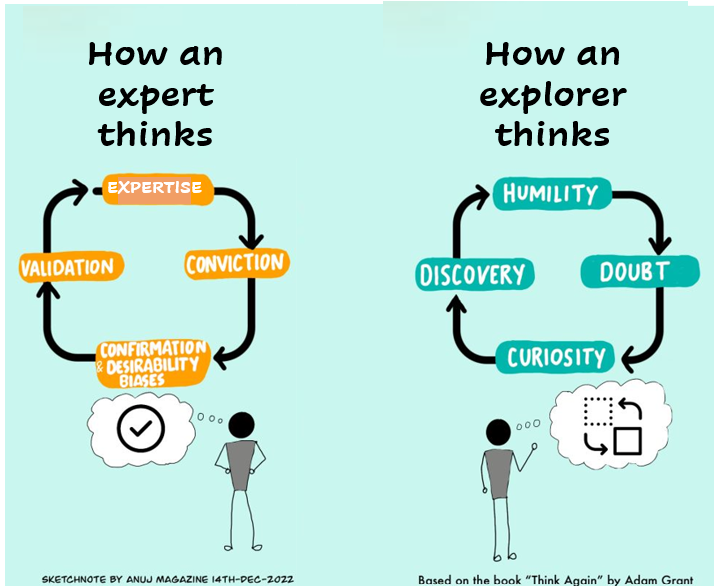
“Experts” & “expertise” can be very dangerous to change interventions. In leading change, it’s better to think like an explorer than an expert. See the graphic below. An “expert” way of thinking can become a loop where knowing a lot turns into strong certainty. That leads us to mainly look for information that backs up what we already know, which then makes us feel confirmed. Experts can become oriented toward being right & getting affirmed, which can make their thinking narrower & more self-sealing over time. An “explorer” way of thinking is a loop focused on learning. It starts with being humble enough to admit we might not have the full picture, then asking questions, staying curious & trying to find out more - so new information keeps shaping our views & change practice over time. One of the greatest dangers in change experts (especially prevalent in external change experts coming into an organisation) is bias. Common biases are: - Confirmation bias: we search for information/evidence that supports what we already think & overlook anything that contradicts this. - “Solutioneering”: We jump quickly to a preferred intervention (new structure, operating model, digital tool etc) before fully understanding the local context & constraints. - ​Authority bias: we can give extra weight to the opinion of the most senior person (or the loudest “expert”) & discount what others (especially people closer to the work) are seeing or can contribute. - Overconfidence effect: we can be too sure we’ve got this under control, so we plan as if the future is predictable & leave too little room for learning & adaptation. - One-size-fits-all / template bias: we over-apply what worked elsewhere (reusing change models, templates & assumptions) even when culture, incentives, capability or demand patterns differ. - Case-study trap: We lean too heavily on successful past engagements & familiar sectors (“this looks just like Y”) & under-sample what is unique about this organisation. In a relatively stable world, expert-led change can deliver results. But as AI accelerates the pace of disruption, the edge shifts from having the answers to staying open to better ones. The most effective change leaders will be those who keep their curiosity switched on, run experiments, learn quickly & humbly adapt when the evidence changes. In other words, the future belongs to explorers - because in an AI-shaped world, agility is likely to beat expert ability when it comes to change. For experts/explorers see Joey Davis: joeydavis.me/posts/unlockin… For more on biases, see the review by @grahamkmann of the work of Rolf Dobelli: grahammann.net/book-notes/the… Graphic adapted from one by @anujmagazine.
Helen Bevan tweet media
English
9
77
177
14.4K
Vicky Clarke retweetledi
Light on Leadership
Light on Leadership@lightonleaders·
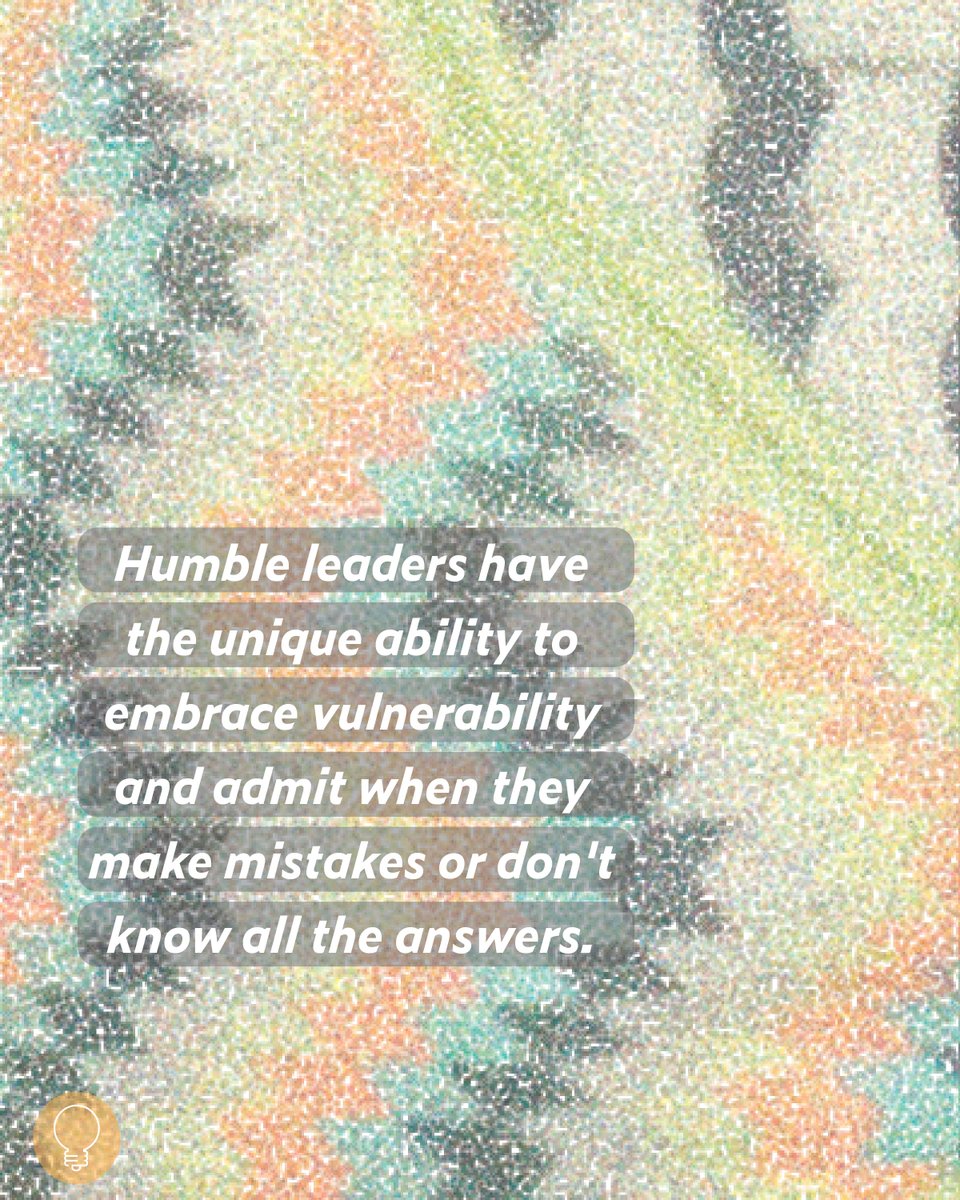
Help others dream big! Leadership is about empowering others to realize their potential. It's about fostering a mindset of growth and resilience, and it's about inspiring others to overcome challenges and reach new heights. #Leadership #GrowthMindset
Light on Leadership tweet media
English
0
3
2
127
Vicky Clarke retweetledi
louis appleby
louis appleby@ProfLAppleby·
Finally. Every 20y or so, the MH Act should be updated, to reflect society’s changing values. New Act does this well. But it is not a substitute for good care. We need that too. (Disclosure: I was Govt’s adviser on 2007 reform of Act & on review group this time).
Department of Health and Social Care@DHSCgovuk

🚨 The New Mental Health Act is now law. It will: ▪️ give patients more control ▪️ make treatment more personalised ▪️ tackle racial and other disparities ▪️ support NHS staff to deliver better care Making mental health care fit for the 21st century. gov.uk/government/new…

English
5
13
46
11.5K
Vicky Clarke retweetledi
Light on Leadership
Light on Leadership@lightonleaders·
Today's Leadership Thought Six things great leaders do that many others don’t… Communicate with impact Listen actively Ask powerful questions Refuse to make excuses Bring clarity See the opportunity, not the obstacle
English
0
3
7
124
Vicky Clarke retweetledi
Light on Leadership
Light on Leadership@lightonleaders·
Something all leaders wish they would have realized earlier! Leadership is about moments and impact, not titles and fame. Start with the people you spend the most time with each day. What are a few things you can do today to positively impact their lives?
Light on Leadership tweet media
English
0
4
4
129
Vicky Clarke retweetledi
Peter Brennan
Peter Brennan@BrennanSurgeon·
Recognising the signs burnout is the first stage in trying to help manage it These can include: Exhaustion despite regular sleep Irritable towards others Lack of concentration Losing your voice in the team Boredom/fed up Feeling like you're always failing Losing civility
Peter Brennan tweet media
English
7
38
138
13.1K
Vicky Clarke retweetledi
Book Therapy
Book Therapy@Book_therapy223·
12 Things Emotionally Intelligent People Understand
Book Therapy tweet media
English
3
249
1.3K
63.7K
Vicky Clarke retweetledi
Helen Bevan
Helen Bevan@HelenBevan·
If we want sustainable organisational change, which group is more important? (a) People who are active in response to the change (even if they are resistant); or (b) People who accept the change? Newly published research suggests (a); it is more important to get people active in change than it is to get favourable responses to it. Active dissenters/resisters/opponents are preferable to passive, seemingly accepting people who go along with the change. Many existing change frameworks focus on “valence”: the extent to which people are positive or negative about the change. This research highlights the importance of another dimension: “activation” - the energy or action level in people’s response to change - whether they are engaged, energetic & visible (active) or quiet, withdrawn, & non-participative (passive). The authors have created a four box framework called “the Change Response Circumplex Scale”. I’ve added some strategies for working with the different categories alongside their graphic. Active resistance is preferable to passive disengagement because it: -keeps the lines of feedback & dialogue open -surfaces important information & risks that passive compliance might hide -enables leaders to create psychological safety for diverse reactions to change. -Creates the conditions for long term engagement in change. Implications of this research for leaders of change: 1. Go beyond reducing resistance: Don’t just focus solely on minimising resistance or seeking passive agreement; aim to foster active, positive engagement from people -what the authors term “change proactivity.” 2. Understand engagement levels: Differentiate between passive acceptance, disengagement & truly active, positive support. Use the framework to understand people’s responses to your change initiative. 3. Create interventions accordingly: Disengaged people need approaches to increase involvement, passive assent can become active support & resistance can become constructive dialogue. 4. Leverage the value of dissent: Rather than viewing resistance solely as an obstacle, explore what motivates active dissent & use it as a resource for learning & adaptation. I appreciate this model because it challenges so much of the existing (dubious) advice for change leaders to “overcome resistance to change”. Instead we should work to activate engagement in change. The research shows that both high activation responses (change proactivity & change resistance) show the most promise for long term change engagement. Activism is what changes the world. There are two research articles about this framework. The 1st, from 2024, validates the framework (This is a version from Scrid so it is it accessible): scribd.com/document/89056…. The 2nd, which sets the framework in a wider change context, is from 2025 & is attached to this LinkedIn post from Cheese Cheeseman: linkedin.com/posts/cheesema…. By Shaul Oreg & Noga Sverdlik.
Helen Bevan tweet media
English
3
72
183
14.9K
Vicky Clarke retweetledi
ADASS
ADASS@1adass·
“The @NuffieldTrust's report on CHC highlights the lack of fairness and consistency in who receives it. Our latest survey found 75% of ASC directors reported an increase in the number of people no longer eligible for CHC.” Read our President's response. adass.org.uk/adass-says-new…
English
0
5
9
2.3K
Vicky Clarke retweetledi
Light on Leadership
Light on Leadership@lightonleaders·
Leadership tip: Extend trust! Without it, judgment may replace trust, performance may decline, and innovation and productivity could suffer. Choose to lead with trust. #leadership #trust
Light on Leadership tweet media
English
0
3
8
223
Vicky Clarke retweetledi
Light on Leadership
Light on Leadership@lightonleaders·
Five things all successful leaders do. 1. They care. 2. They engage. 3. They make an impact. 4. They listen. 5. They value others. Be this leader!
English
0
5
12
341
Vicky Clarke retweetledi
Light on Leadership
Light on Leadership@lightonleaders·
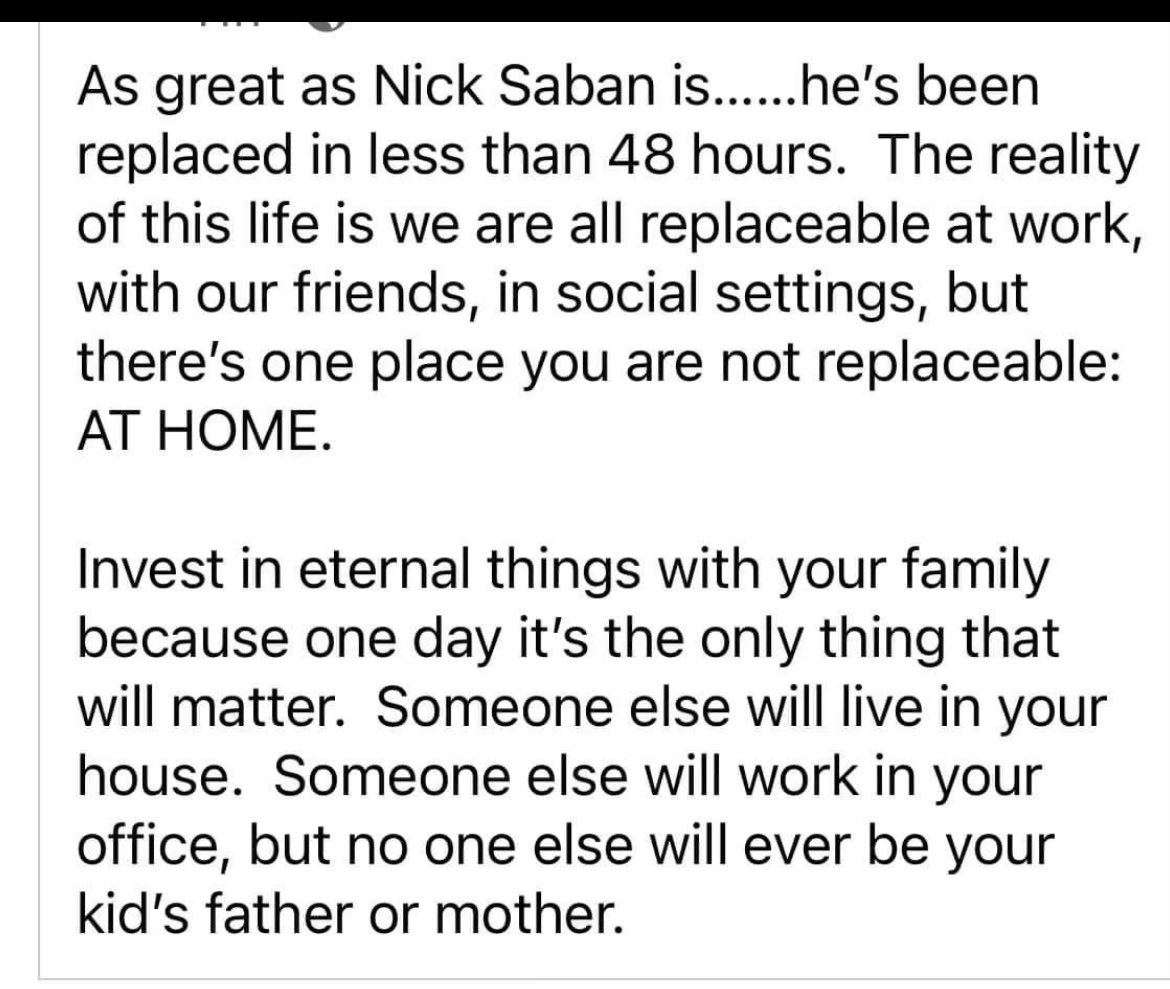
Not sure who posted this originally, but it is amazing advice. One of the most successful college football coaches in history and replaced in two days after retirement. Remember in your busy leadership work to appreciate each day. It goes fast!
Light on Leadership tweet media
English
2
13
31
2.6K
Vicky Clarke retweetledi
Light on Leadership
Light on Leadership@lightonleaders·
The “secret to success” really isn’t a secret… Success isn't a mystery. It's built on three pillars: Grit, Work Ethic, and Consistency. There are no shortcuts – just dedication, passion, and perseverance. #SuccessMindset #leadership #passion #mindset
Light on Leadership tweet media
English
0
2
4
323
Vicky Clarke retweetledi
Light on Leadership
Light on Leadership@lightonleaders·
Improving the culture within your organization doesn't happen with hoping and hanging posters - it takes consistent effort. Four Thoughts for Improving Team Culture 1.Discuss it – what is it you value? 2.Model it – what does this behavior look like? 3.Practice it – be intentional each day in your behaviors and actions. 4.Revisit it – every 30 days schedule a time for review.
Light on Leadership tweet media
English
0
4
6
283
Vicky Clarke retweetledi
Dr. Henry Cloud
Dr. Henry Cloud@DrHenryCloud·
You can be firm without being harsh. Your words and tone can protect both your boundaries and your relationships. Make sure your message lands the way you intend. Learn how to master your emotional tone at bit.ly/4nhwPGK
Dr. Henry Cloud tweet media
English
2
7
49
3.1K
Vicky Clarke retweetledi
West Sussex County Council
Today is World Suicide Prevention Day and we’re promoting access to support. When life is difficult, Samaritans are there – day or night, 365 days a year. Call them for free on 116 123 Email them at jo@samaritans.org Or download the Stay Alive app: orlo.uk/49G6L
West Sussex County Council tweet media
English
0
5
8
589