Voyageurs Wolf Project

4.7K posts

Voyageurs Wolf Project banner
Voyageurs Wolf Project

Voyageurs Wolf Project

@VoyaWolfProject

The official Twitter account of the Voyageurs Wolf Project, which studies wolves in the Greater Voyageurs Ecosystem, MN.

Voyageurs Natl. Park, MN Katılım Ekim 2020
1 Takip Edilen47.7K Takipçiler
Voyageurs Wolf Project
Voyageurs Wolf Project@VoyaWolfProject·
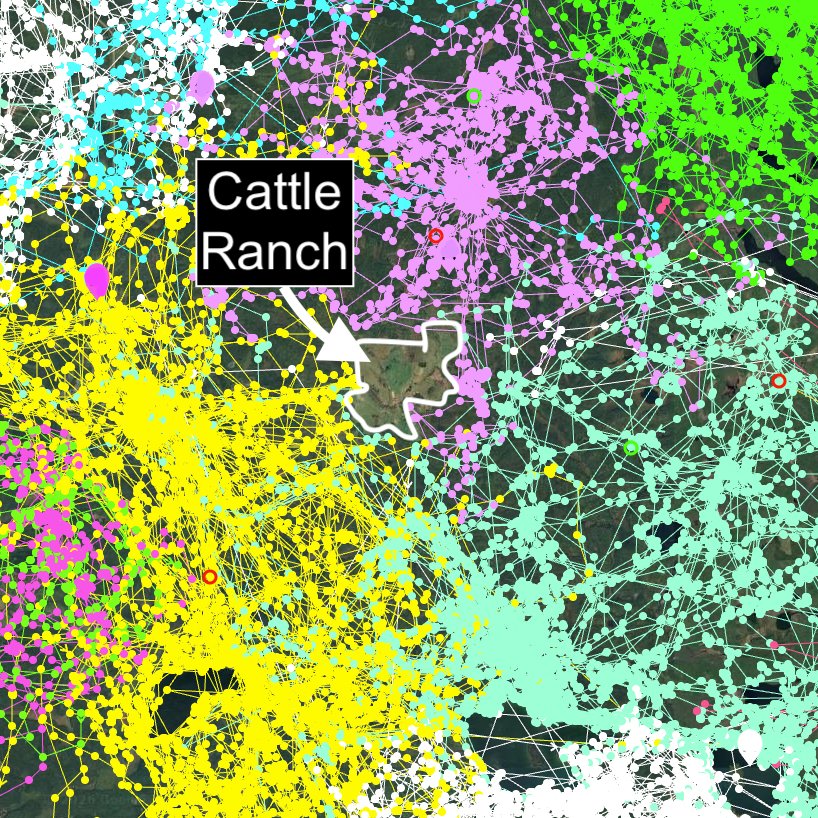
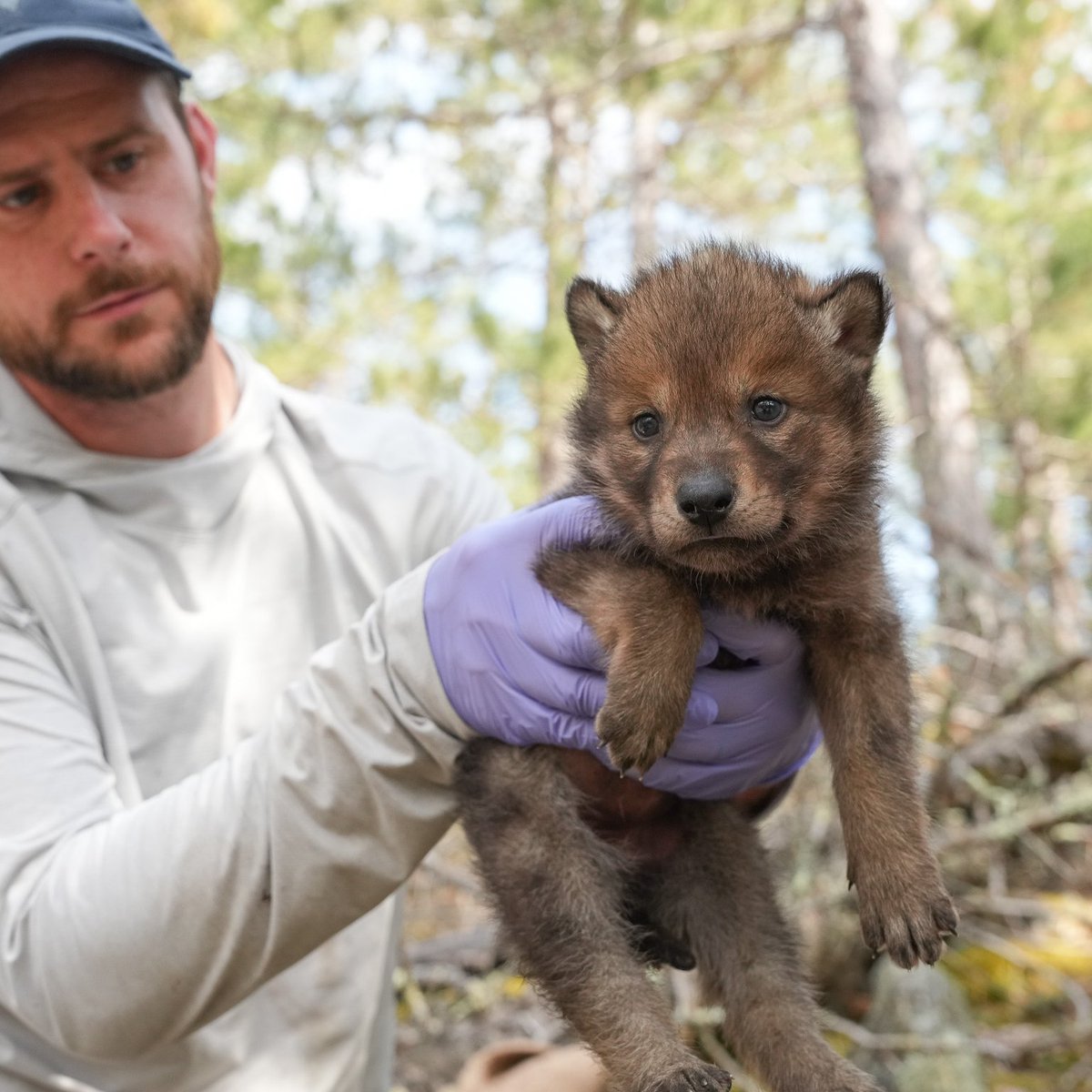
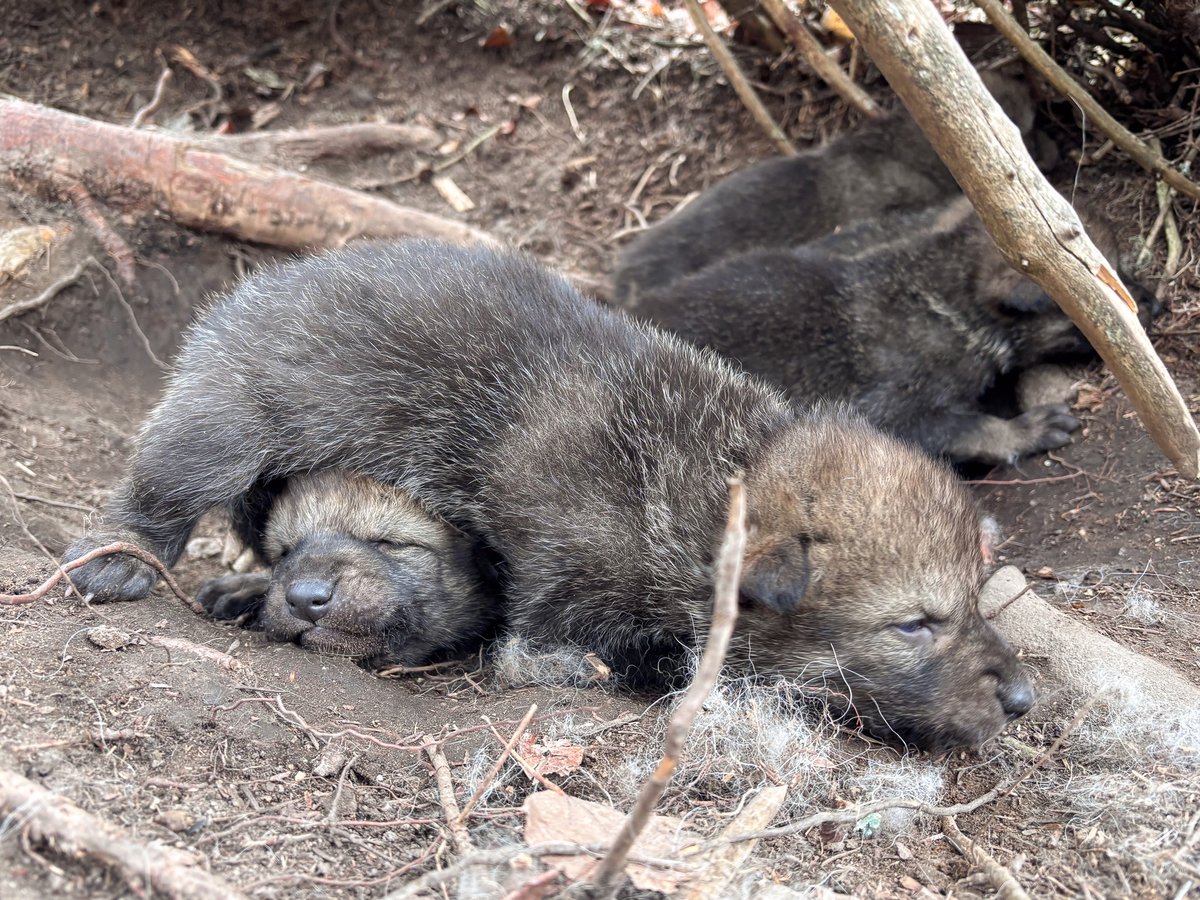
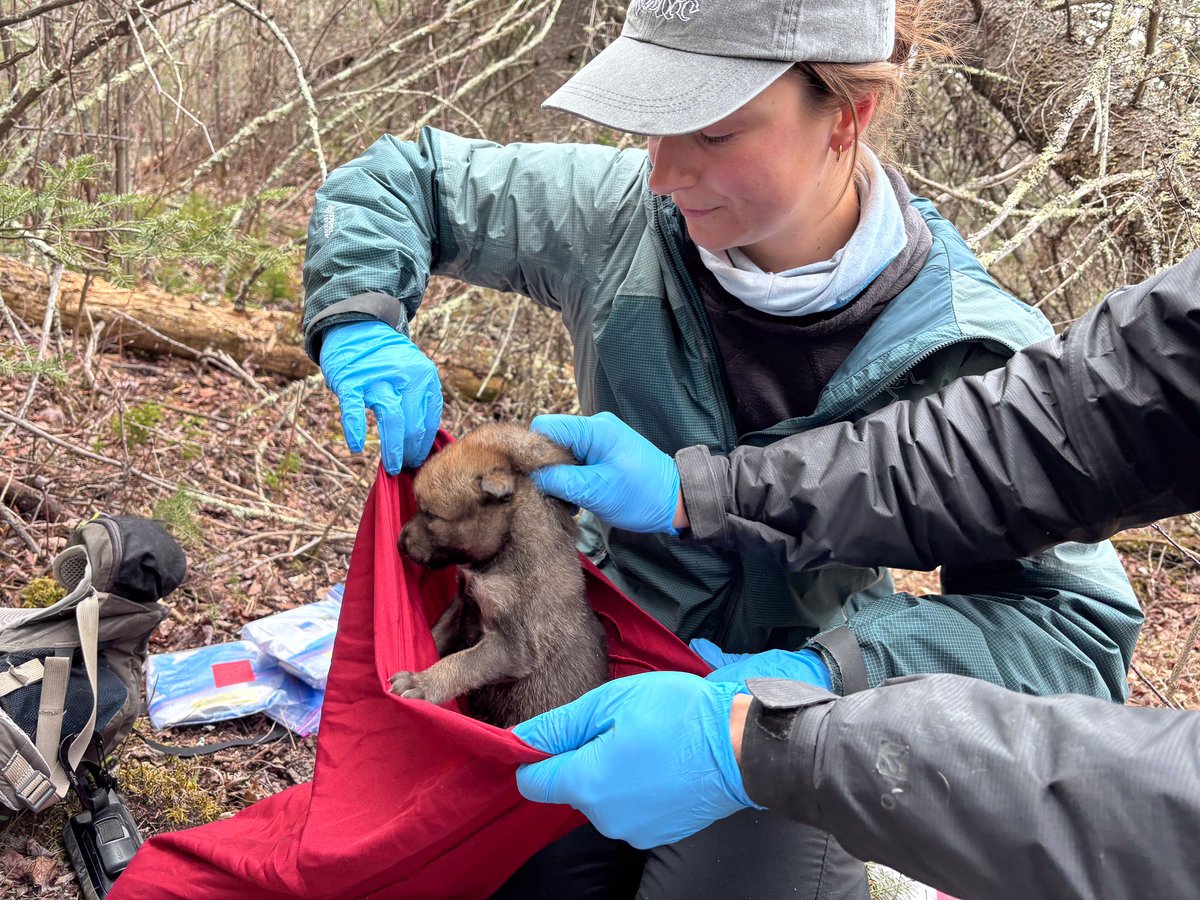
Are wolves ecosystem saviors? Many advocating for wolves imply this is the case but what does the science actually say? Join us TONIGHT at 6:30 p.m. for a webinar that is a deep dive into the research on what we know about how wolves impact ecosystems. The webinar will dive into the Yellowstone "how-wolves-change-rivers story", examine myriad studies from the boreal forest and Great Lakes Region, and share what we have learned in the Greater Voyageurs Ecosystem. Register for the webinar at the link below! The registration costs go directly toward our research so you get to listen to an interesting webinar AND support the project at the same time. We will record this webinar and send out a link to everyone who registers the day after the webinar so that folks who cannot make the live webinar can watch it later. Register for the webinar here: z.umn.edu/VWPwinterwebin…
Voyageurs Wolf Project tweet mediaVoyageurs Wolf Project tweet mediaVoyageurs Wolf Project tweet media
English
1
16
66
1.6K
Voyageurs Wolf Project
Voyageurs Wolf Project@VoyaWolfProject·
Put differently, if packs successfully rear less than 2-2.5 pups/year, then survival rates are undoubtedly <50% and likely much closer to the 29% or so we documented. In other words, the only way you get small packs (4-5 wolves), on average, is if a lot of pups die before their first birthday.
English
1
0
33
1.3K
Voyageurs Wolf Project
Voyageurs Wolf Project@VoyaWolfProject·
During 2019-2025, 71% of wolf pups died before reaching their first birthday in our area, per new research we just published (link below). In one year, 93% of pups died which is the highest annual rate of wolf pup mortality that has been documented to our knowledge.
Voyageurs Wolf Project tweet media
English
14
121
544
16.3K
Voyageurs Wolf Project
Voyageurs Wolf Project@VoyaWolfProject·
Fascinating footage from early January of the social behavior of a pack. Turn the volume up for the full effect but just a warning: your dog might lose its mind. What is interesting in this video is that the Birch Bark Pack consists of a old male, his 3.5 year old son, and an unrelated female who joined the pack in Summer 2024, shortly after the original breeding female disappeared (likely died). In this video, the wolf getting “mounted” in the first clip is the 3.5 year old male (Wolf W4D), who is briefly mounted by the breeding female of the pack before being mounted by his father. The reason that this dynamic is interesting is because it is highly unusual in our area to have two mature adult males in the same pack, especially two mature males who are father and son. As such, we are unsure who the dominant/breeding male of the pack really is. Young males almost never stick around in their original pack in our area. Instead, they usually disperse by 1-2 years of age. We have documented many instances of females remaining in their original packs for many years before usurping their mothers and becoming the breeding female of the pack. We have yet to document a young male doing this. This suggests to us that W4D is the dominant, breeding male and has stuck around in the pack because he has taken that role over from his father. Much of the trail camera footage of the Birch Bark Pack suggests Wolf W4D is the dominant male as well. But we cannot say that with certainty. It is a very curious situation. If the pack has pups, we will collect genetic samples and can figure it out that way. The pack did have pup's last year but all appeared to die very early and we were not able to get genetic samples from them. Nonetheless, this same trio has now been together for the past 1.5 years and will be interesting to continue to see how these dynamics unfold.
English
3
42
238
7.5K
Voyageurs Wolf Project
Voyageurs Wolf Project@VoyaWolfProject·
A rare glimpse at the territorial nature of wolf packs. Instances like this probably happen regularly as wolves aim to maintain/expand their territory and eliminate neighboring wolves (i.e., competitors for resources). These snippets show the breeding pair of the Windsong Pack venturing out of their territory to chase the breeding male of the neighboring pack (the Blood Moon Pack). If the Windsong Pack had caught up to this wolf, they would have undoubtedly killed him. But they didn’t. The chase did not last very long—a handful of minutes with a straight-line distance of just under a mile. The first clips of the chase were from a camera on the edge of a beaver dam. The breeding male of the neighboring pack (Wolf Y1T) crossed the dam and clearly knew he was being followed. A minute later, the Windsong Pack passed by in pursuit. The next clips were captured about 4 minutes later on a second camera just under a mile to the north of the first one. On this second camera, Wolf Y1T was running full speed. However, the Windsong Pack while in pursuit, appeared to be slowing down. A minute later, the Windsong pair walks back past this camera…the chase had ended. About an hour after that, the Windsong Pack crossed the beaver dam that the first camera was on in their return trip to their territory. Interestingly, about 2 months after this video was captured, Wolf Y1T’s mate was killed by the neighboring pack to the south (Biondich Pack). Since the pack was only two wolves (Y1T and his mate), this event left Y1T by himself and the status of the Blood Moon Pack up in the air. However, within a few weeks, Y1T found another mate and through some series of events, Y1T and his new mate booted the Windsong pair (i.e., the wolves in this video pursuing Y1T) from their territory this past summer, and took it over. As such, Y1T and his mate (the Blood Moon Pack) currently occupy the Windsong Pack territory.
English
3
62
449
15.7K
Voyageurs Wolf Project
Voyageurs Wolf Project@VoyaWolfProject·
An interesting snippet of a wolf chasing a deer earlier this winter—the wolf was 6.5 seconds behind the deer. In particular, we found the bounding/leaping of the wolf as it ran intriguing. We have captured many hunting sequences like this on camera but have not observed one where the wolf was leaping like this. And that one leap was a pretty big one. We don’t know how the hunt played out after this brief observation.
English
37
207
2K
77.7K
Voyageurs Wolf Project
Voyageurs Wolf Project@VoyaWolfProject·
Wolf kills provide substantial food for a lot of animals in winter as you can see in this footage from a fresh deer kill we found a couple weeks ago. Unfortunately, the camera only lasted 12 hours before it filled up on footage of ravens, which were at the carcass when we arrived and shortly after we left. The wolves came back that evening and cleaned up the kill. We have footage of them on another camera that we had set-up near the kill but not on the kill. When we came back to grab our cameras, the deer had been totally consumed—all that was left was fur. While the video highlights how wolves create substantial food for scavengers, it also shows how wolves are in competition with all these scavengers for their own kills. Wolves have to eat their kills as quickly as they can to avoid losing large amounts of their kills to ravens, eagles, foxes, etc. But obviously, there is a limit to how much wolves can eat and digest in one sitting…so wolves often lose a sizable chunk to scavengers. Estimates indicate wolves, on average, likely lose upwards of ~10-20% of the biomass of their deer kills to scavengers. Also, 99% sure that the one eagle was a golden eagle (the other was obviously a bald eagle) but will let some more skilled birders confirm that one for us!
English
8
48
295
7.3K
Voyageurs Wolf Project
Voyageurs Wolf Project@VoyaWolfProject·
Don’t be deceived! This wolf used its good looks and cute behavior to move in close, and then just when its victim had let down its guard, the wolf launched a vicious and merciless attack. Luckily, this victim is a survivor and only sustained some flesh wounds...nothing a little bit of plastic surgery can’t fix.
English
39
308
3.1K
233.6K
Voyageurs Wolf Project
Voyageurs Wolf Project@VoyaWolfProject·
Webinar TONIGHT at 6:30 pm CT: “Will killing wolves save Bambi?” This webinar will dig into the science regarding how predators, including wolves, impact deer fawn survival as well as how hunting, trapping, and lethal removal of predators influences fawn survival rates. Many often assume that if we remove the predator, we save the prey but is that actually true? Find out tonight. Register for the webinar (or the entire webinar package) here: z.umn.edu/VWPwinterwebin… All of the registration costs from the webinars go directly toward our research! We will record this webinar and send out a link to everyone who registers the day after the webinar so that folks who cannot make the live webinar can watch it later.
Voyageurs Wolf Project tweet media
English
0
12
59
2.5K
Voyageurs Wolf Project
Voyageurs Wolf Project@VoyaWolfProject·
In virtually every part of North America, the primary cause of death for deer fawns are predators, with many newborn fawns killed within weeks of being born. There is an appealing and seemingly logical notion that because wolves and other predators kill fawns, fewer wolves/predators will therefore increase fawn survival and in turn deer populations. We often assume that if we remove the predator, we save the prey but is that actually true? Join us TOMORROW night at 6:30 p.m. CT for our webinar “Will killing wolves save Bambi?” where we will dig into the science regarding how predators, including wolves, impact deer fawn survival as well as how hunting, trapping, and lethal removal of predators influences fawn survival and whether killing wolves would save deer fawns. Register for the webinar or the entire webinar package here: z.umn.edu/VWPwinterwebin… All of the registration costs from the webinars go directly toward our research! We will record this webinar and send out a link to everyone who registers the day after the webinar so that folks who cannot make the live webinar can watch it later.
Voyageurs Wolf Project tweet mediaVoyageurs Wolf Project tweet mediaVoyageurs Wolf Project tweet media
English
9
20
191
10.2K