The war reached a turning point in April 1873 when peace negotiations collapsed and General Edward Canby was killed during a meeting with Modoc leaders. The Modocs eventually surrendered in June 1873. Several leaders, including Captain Jack, were executed.
Outnumbered, the Modocs used the rugged volcanic terrain of the Lava Beds to their advantage. From a natural fortress known as the Stronghold, fewer than 60 Modoc warriors held off hundreds of U.S. soldiers for months, inflicting significant casualties.
The Modoc War (1872–1873) was fought between the United States Army and the Modoc people of northern California and southern Oregon. Led by Kintpuash, a band of Modocs left their reservation after years of conflict and attempted to return to their ancestral homeland.
The Americans won the military engagement, capturing forts and dozens of cannons, but failed to secure a treaty with Korea’s isolationist government. The expedition ended with the U.S. fleet’s departure, though it marked one of the first direct encounters between Korea & the U.S.
Tensions escalated when American warships surveying the waterways near Ganghwa Island came under fire from Korean coastal forts. After demands for an apology went unanswered, a U.S. force of sailors & Marines attacked and captured several fortified positions along the shoreline.
In 1871, the U.S. launched its first military expedition to Korea, known in Korea as the Shinmiyangyo. The mission sought to establish diplomatic & trade relations and to investigate the fate of the merchant ship General Sherman, which had been destroyed five years earlier.
The Enforcement Act marked a major expansion of federal authority in defense of civil rights. It was the first of several Enforcement Acts passed during Reconstruction and laid the groundwork for efforts to combat terrorist groups such as the Ku Klux Klan.
The law made it a federal crime to interfere with a citizen’s right to vote because of race, color, or previous condition of servitude. It also authorized federal oversight of elections and gave the national government new tools to prosecute voter intimidation.
On May 31, 1870, President Ulysses S. Grant signed the Enforcement Act of 1870 into law. Passed during Reconstruction, the measure was designed to protect the voting rights guaranteed to Black men by the recently ratified Fifteenth Amendment to the United States Constitution.
On June 17, 1870, American sailors stormed the stranded steamer while coming under fire from pirate positions along the riverbanks. After intense fighting, the pirates were driven off and their ship captured. When efforts to free the vessel failed, it was set ablaze.
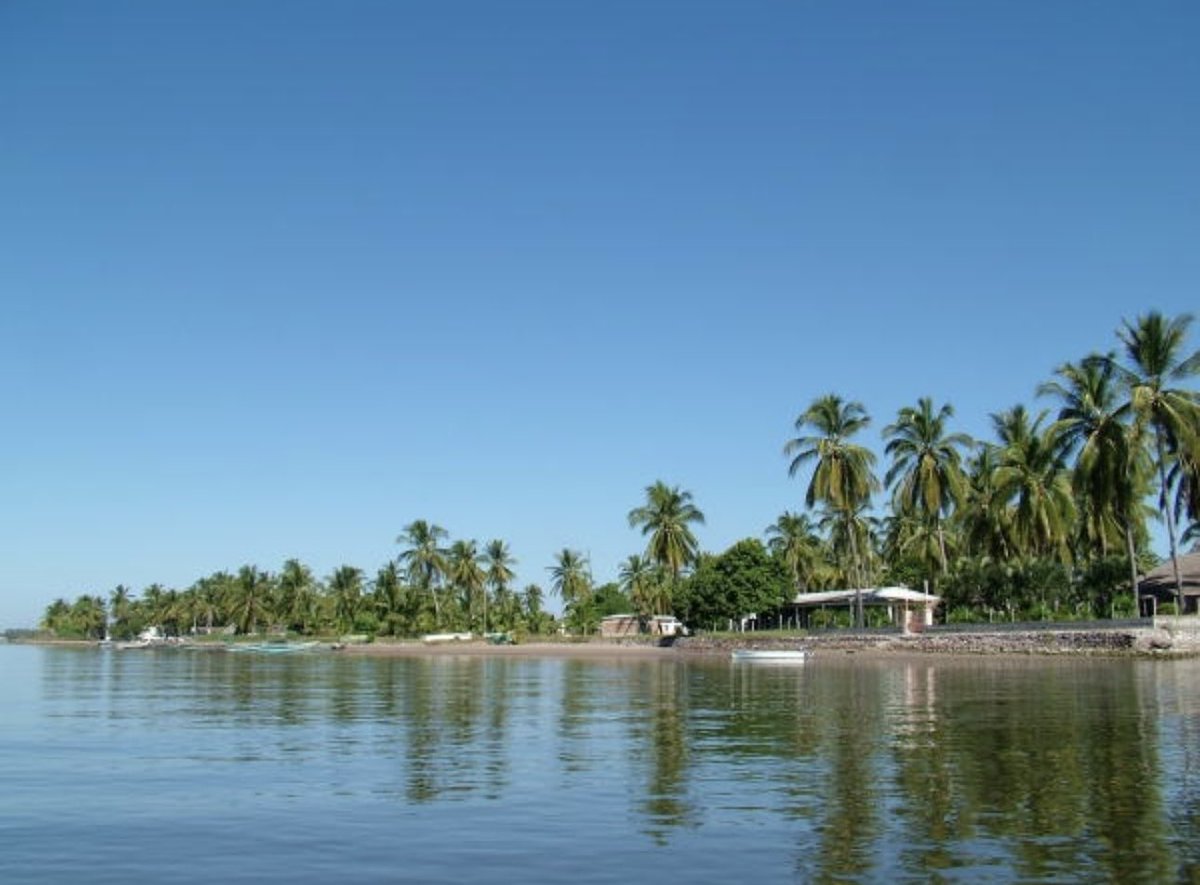
A force of roughly 75 sailors and Marines under Lieutenant Willard H. Brownson tracked the pirates into the isolated Teacapán Estuary in Sinaloa. After an arduous pursuit through winding waterways, they located Forward, which had run aground near a concealed pirate stronghold.
By 1870, piracy remained a problem along Mexico’s Pacific coast. The pirate steamer Forward had terrorized merchant shipping, looted the city of Guaymas, and coerced the American consulate into providing supplies. In response, the U.S. Navy dispatched forces from the USS Mohican.
By the outbreak of the First World War in 1914, the Second Industrial Revolution had reshaped society. It created immense wealth, fueled urbanization, strengthened industrial powers, and laid the foundations for the modern technological age.
The era also saw breakthroughs in transportation and communication. The telephone, automobile, and wireless telegraph shrank distances and connected people, businesses, and governments faster than ever before.
The Second Industrial Revolution transformed the world between roughly 1870 and 1914. Building on earlier industrial advances, it introduced new technologies, expanded global trade, and accelerated economic growth on a scale never before seen.
The crisis ended when President Ulysses S. Grant ordered the Treasury to release millions in gold onto the market. Prices collapsed within minutes, wiping out fortunes and triggering one of the most infamous financial scandals of the 19th century.
The scheme relied on limiting government gold sales while buying up as much gold as possible. As prices soared, panic spread across Wall Street. Farmers, merchants, and investors feared economic disaster as the cost of doing business surged.
On September 24, 1869, the U.S. financial market was rocked by “Black Friday.” Financiers Jay Gould and James Fisk attempted to corner the nation’s gold market, driving prices to unprecedented heights in a bid for massive profits.