Beam

2.2K posts

Beam banner
Beam

Beam

@wearebeam

We’re bringing AI to welfare services, trusted by over 100 government partners. Join us 🚀 https://t.co/YVsNTsE7Dy

London, England Katılım Aralık 2016
954 Takip Edilen3.3K Takipçiler
Sabitlenmiş Tweet
Beam
Beam@wearebeam·
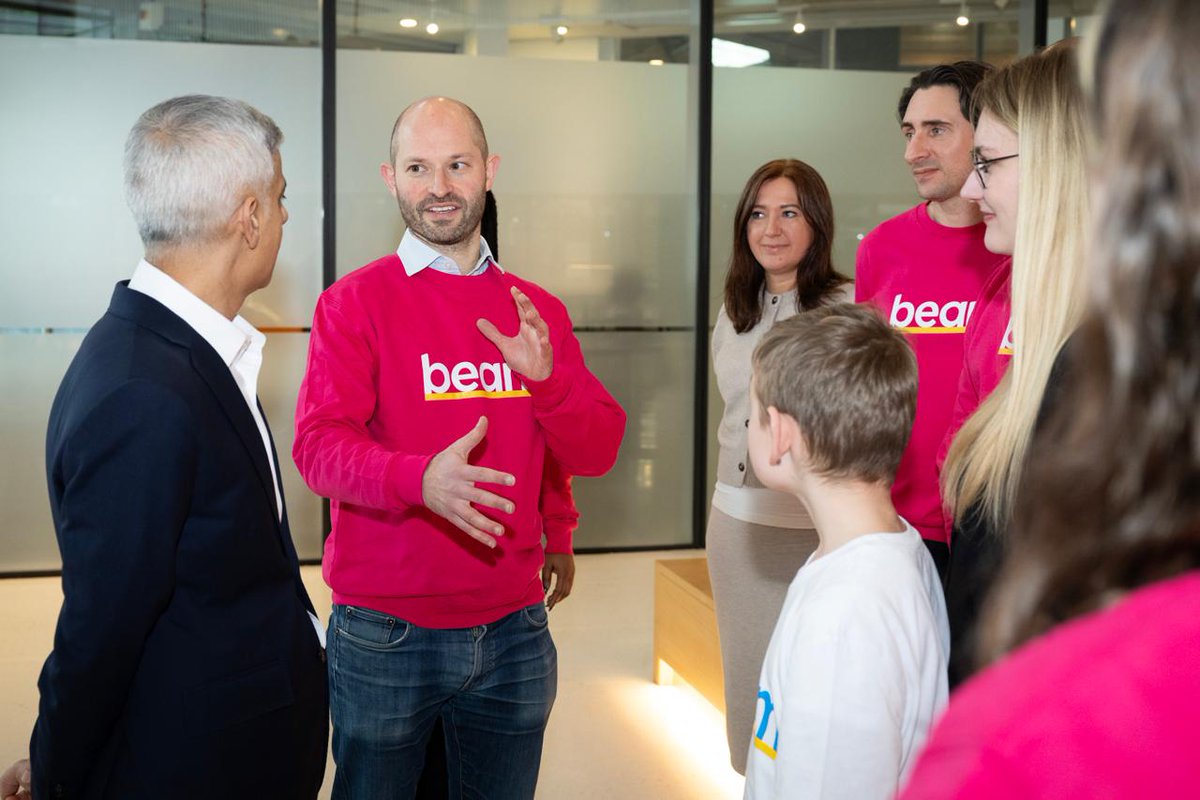
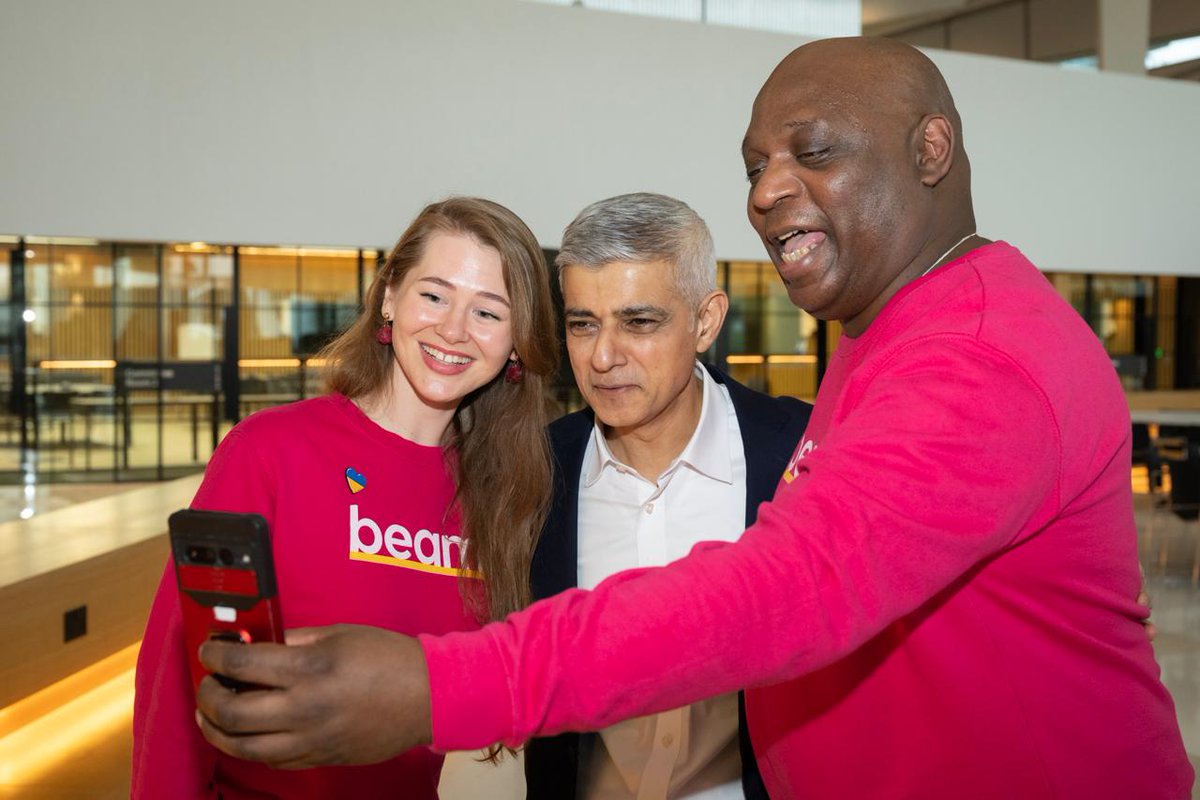
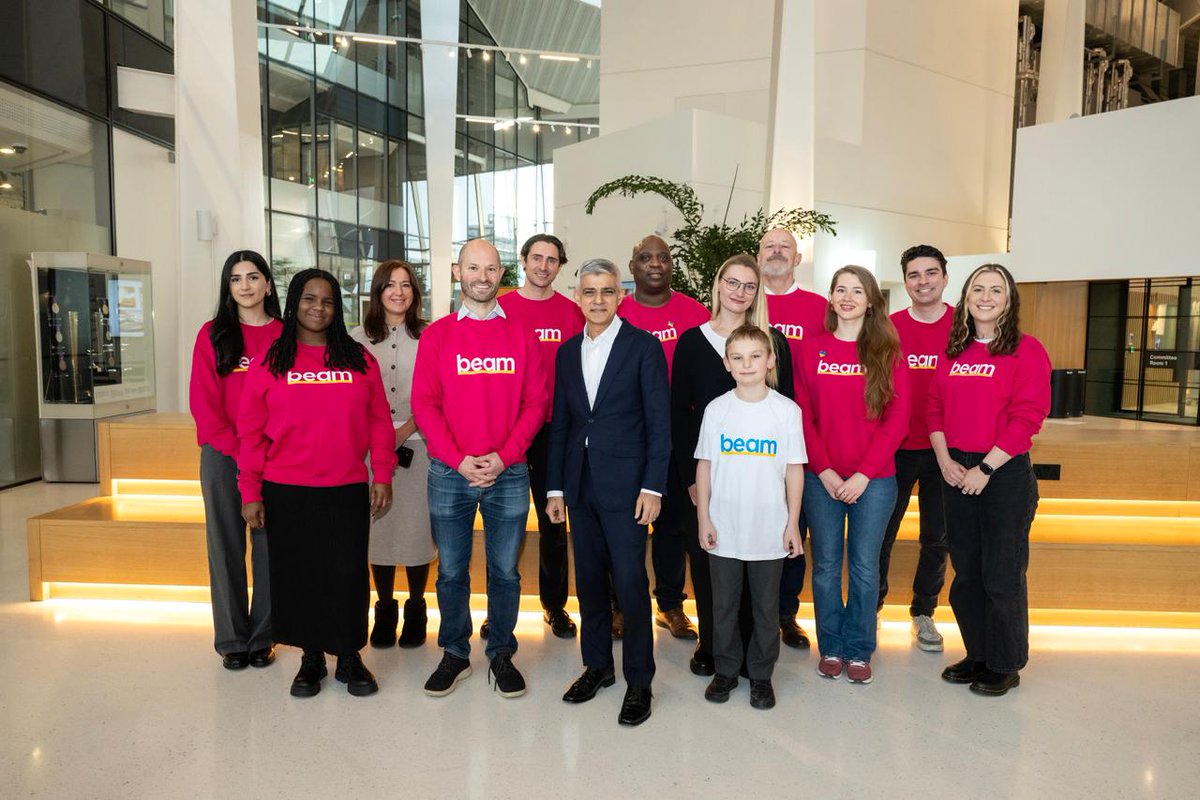
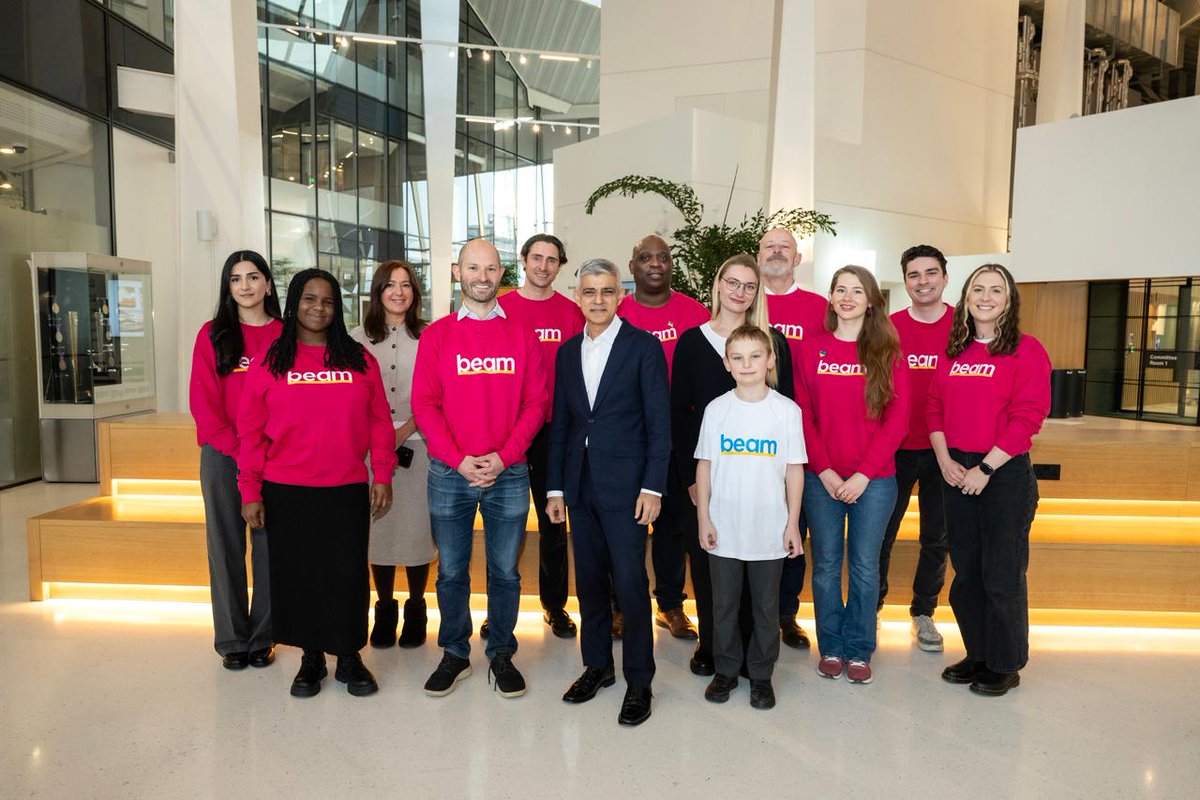
🎉 1️⃣0️⃣0️⃣0️⃣ 🎉 Beam has supported 𝟏𝟎𝟎𝟎 Londoners out of homelessness and into stable homes and jobs! @MayorofLondon, Sadiq Khan, was one of our first backers when Beam launched in 2017. As we cross this huge milestone we took some of our members to meet him at City Hall.
Beam tweet mediaBeam tweet mediaBeam tweet mediaBeam tweet media
English
73
12
28
23.4K
Beam retweetledi
Jaime Jorge
Jaime Jorge@jaimefjorge·
The biggest takeaways/nuggets from my interview with @GeoffreyHuntley on AI-native software engineering and the Ralph loop: 1. Software development and software engineering are now two different professions, and one of them is over. Software development, the work of translating tickets into code, can now be done by anyone for $10-42/hour while they sleep. Software engineering, architecture, security, requirements breakdown, understanding failure modes, is where humans still matter. If you identify as a "software developer," you're competing against a bash loop. If you identify as a "software engineer," your job is to orchestrate the loops. 2. The moat you think protects your software product doesn't exist anymore. Geoffrey argues you can clone any SaaS product, even those with BSL licenses or proprietary enterprise code, using AI. He ran Ralph in reverse on HashiCorp Nomad's source code to generate clean-room specifications. When he hit gaps from missing enterprise features, he ran Ralph over their marketing materials and product docs to fill them in. Any company relying on licensing or code secrecy as a competitive moat needs to rethink their strategy. 3. Cursor, Windsurf, and every other AI coding tool are essentially the same thing: a loop that automatically copies and pastes. Geoffrey built these tools professionally and says the harness does almost nothing; the model does all the work. There's no real moat in the harness business when you're reselling tokens. The only differentiator is taste and UX. Stop evaluating tools and start learning the underlying patterns. 4. Ralph is not a product. It's an orchestrator pattern for running thousands of AI loops. The simplest version is a bash loop that deterministically allocates memory, lets the LLM pick one task, executes it, then starts fresh. The key insight: every loop gets a brand new context window. You avoid compaction (where the AI gets dumber as context fills up) by never letting the context window accumulate competing goals. Your institutional knowledge lives in specification files, not in the context window. 5. Specifications are the new source code. Geoffrey's workflow: spend 30 minutes in conversation with AI, drilling into requirements, making engineering decisions, building up specs. Then throw those specs to Ralph and get weeks worth of work in hours. The specs act as a "pin" that reframes every fresh loop with your domain knowledge. He doesn't hand-write specs. He code-generates them through structured conversation. Prototypes are now free. Refactoring is cheap. 6. The entry-level path into software engineering is closing fast. Geoffrey's company stopped hiring juniors for a year until they figured out how to interview for AI-native skills. There's already a cohort of juniors who've been practicing these techniques for six months. They'll work at a quarter of senior wages and outship them. If you're just picking up these tools today, you're behind. The new interview question: can you explain how to build a coding agent on a whiteboard? 7. Senior engineers who refuse to adapt are in more danger than juniors who embrace it. Geoffrey sees respected engineers taking hardline stances against AI ("it's installing fascism in your codebase"). Meanwhile, leadership teams are discovering Ralph and realizing three people can run the output of an entire org. When commit velocity and product velocity diverge that dramatically between adopters and non-adopters, founders notice. The hard line is coming. 8. AI is an amplifier of operator skill, not a replacement for it. If you're great at security and you get good at AI, you become a weapon. If you're mediocre and you use AI, you're still mediocre, just faster. The skill gap comes from "discoveries": learning the tricks, the loop-backs, the ways to close the automation loop. These techniques don't have standardized language yet. We're inventing the terms for the new computer every day. 9. Open source may no longer make sense for most use cases. Geoffrey, a former prominent open source maintainer whose land was funded by Open Collective, no longer uses open source libraries. His reasoning: every dependency injects a human into the loop. If there's a bug, you open a PR, chase a maintainer, wait. That's not automation. Instead, code-generate what you need. The exception: don't generate cryptography or security-critical code unless you have the domain expertise to verify it. 10. Programming languages now have a tier list based on how well AI agents can work with them. S-tier: Rust, TypeScript (especially with Effect.js), Python with Pydantic. These are source-based with strong type systems that reject invalid generations and work well with ripgrep for code discovery. F-tier: Java and .NET. Their DLL-based dependency systems don't work natively with the search tools AI agents use. The tradeoff with Rust: compilation is slow, so bad generations cost more time. 11. Corporate AI transformation programs are dangerously slow. Three-to-four-year rollouts with coaches and committees won't cut it when three founders in Bali can Ralph your entire product and undercut your pricing by 99%. Smaller teams ship faster. By the time the transformation is done, the market has moved. Geoffrey calls this the "Titanic moment": the boat is full, get the next boat. 12. We have a new computer, and that's why the legends are coming out of retirement. The last 40 years of computing decisions were designed for humans: TTYs, environment variables, slow language evolution to avoid breaking mental models. Now we have robots. What's the bare minimum a robot needs? Geoffrey sees this as the most exciting time in computing. If you're not excited about what you can now build, you haven't truly picked up the new computer yet.
English
33
112
720
63.5K
Beam retweetledi
Alex Stephany
Alex Stephany@AlexStephany·
Bias to action. Pro growth and innovation. Super switched on. The 🇬🇧 is lucky to have @KanishkaNarayan in the crucial role of AI Minister. Thank you @joinsequel for hosting an excellent Founders round table discussing how the tech sector can keep growing, innovating and job creating. #publicservice #UK #AI
Alex Stephany tweet mediaAlex Stephany tweet media
English
1
3
9
569
Beam retweetledi
Alex Stephany
Alex Stephany@AlexStephany·
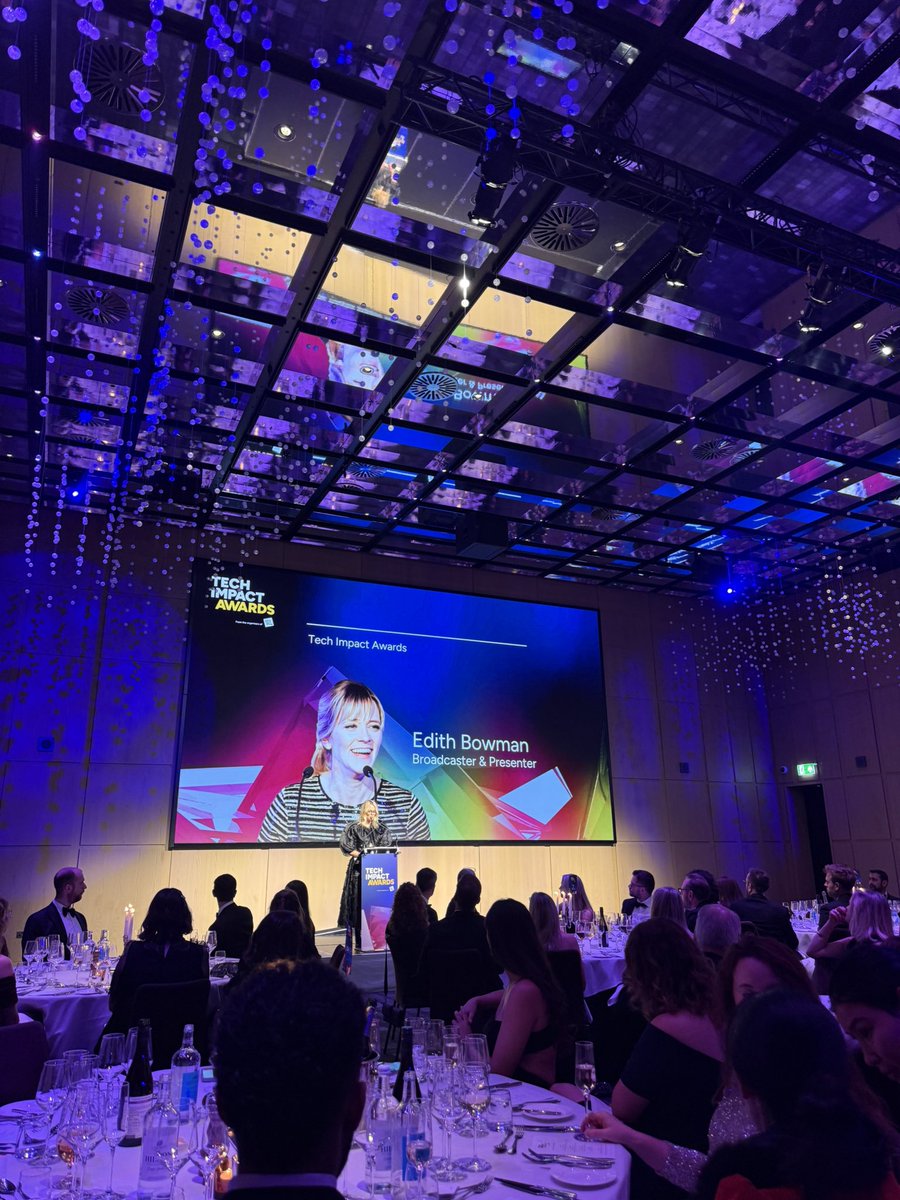
Great to be a finalist at Tech Impact Awards with @wearebeam hosted by @edibow Let’s indeed make tech “human and hopeful” Edith 👏
Alex Stephany tweet media
English
0
1
4
373
Beam retweetledi
Alex Stephany
Alex Stephany@AlexStephany·
🎉 Great seeing your startup's tech on the front page! Delighted to be working with Edinburgh Council and thir brilliant team and well done the @wearebeam team.
Alex Stephany tweet media
English
0
2
3
271
Beam
Beam@wearebeam·
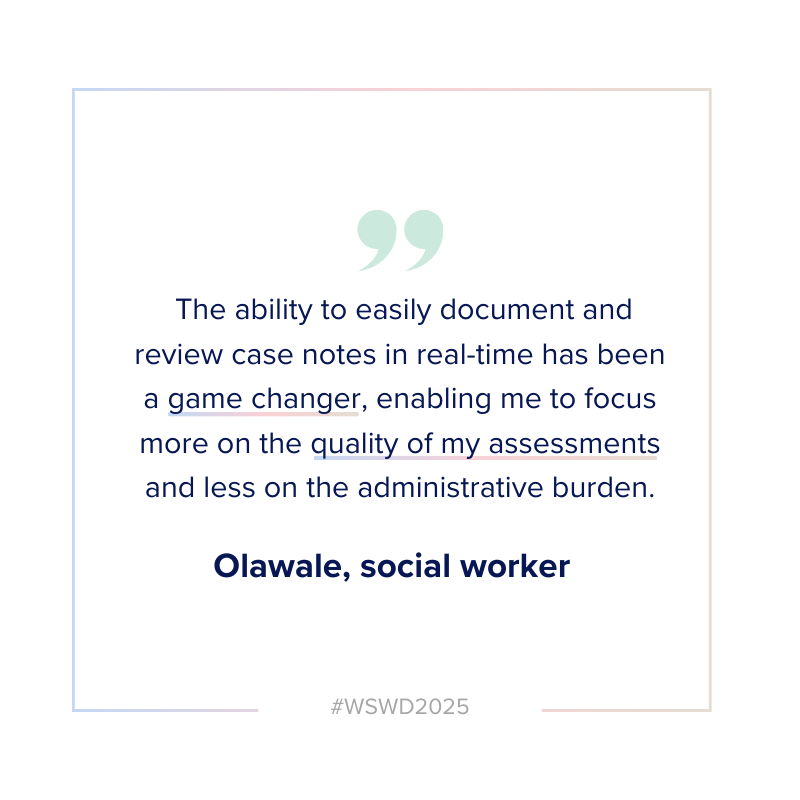
💛 A reminder of why we do what we do this #WorldSocialWorkDay ⬇️ Social workers like Olawale support some of the most vulnerable people in our communities. We're focused on building tech that gets social workers back to the work they love. #WSWD2025 @basw_uk
Beam tweet media
English
0
1
2
259
Beam
Beam@wearebeam·
🤖 "The term is quite dehumanising - Artificial Intelligence - it sounds like it's going to replace people..." ☀️ "... but in reality, it's actual use is allowing people to focus on the unique aspects of what makes them human: acting with empathy and kindness"
English
2
1
2
224
Beam
Beam@wearebeam·
🪄 ✨ How does Magic Notes save social workers 8 hours a week? Our AI tool, Magic Notes, is built for social care teams and is unlocking huge productivity gains at more than one third of councils. ⬇️ Our COO, Seb Barker, explains how it works at @thinkdigicon
English
0
1
3
298
Beam retweetledi
Mayor of London, Sadiq Khan
Mayor of London, Sadiq Khan@MayorofLondon·
It’s great news that Beam, the world’s first crowdfunding platform for homeless people, has helped 1,000 Londoners out of homelessness and into stable jobs and homes. I provided them with start-up funding through my Rough Sleeping Innovation Fund and was proud to meet their founders and beneficiaries this week.
Mayor of London, Sadiq Khan tweet mediaMayor of London, Sadiq Khan tweet mediaMayor of London, Sadiq Khan tweet media
English
0
23
66
19.5K
Beam retweetledi
Times Radio
Times Radio@TimesRadio·
“This technology allows… for the social worker to be really present in the room with someone.” @AlexStephany, CEO of BEAM, says AI is “liberating social workers" from the paperwork that has come to define the profession. #TimesRadio
English
0
4
5
2.7K