

Web3 Foundation
3.7K posts

Web3 Foundation
@Web3foundation
Web3 Foundation is building an internet where users are in control of their own data, identity and destiny. Primary projects include @Polkadot & @kusamanetwork.
Katılım Temmuz 2017
38 Takip Edilen144.4K Takipçiler
Every time we click "Accept", we make a trade.
Not with money, but with our data, our attention, and, increasingly, our autonomy.
The internet's most successful business model isn't really free, and it's fair to say we all pay for it in ways that are difficult to see.
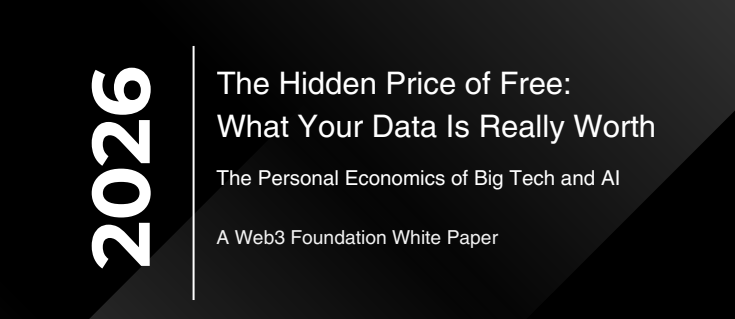
This clip explores one of the ideas behind the Web3 Foundation whitepaper, The Hidden Price of Free, and why it's time to rethink what "free" really costs.
English
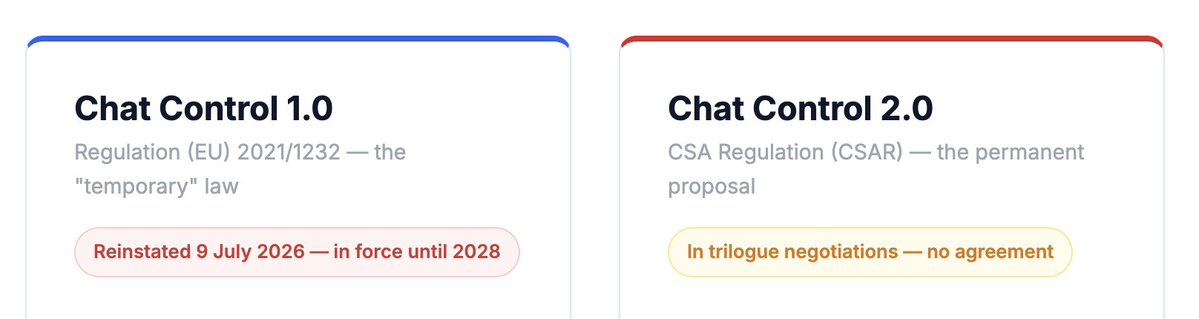
"There is not one proposed “Chat Control” law; there are two, and they are moving through the EU institutions in parallel."
fightchatcontrol.eu/chat-control-o…
English
Privacy isn't just about keeping secrets. It's about preserving the freedom to communicate, organize, and think without every conversation being subject to mass surveillance.
Yesterday, the EU reinstated the temporary "Chat Control" regulation, allowing providers to continue to voluntarily scan private communications until 2028.
Meanwhile, negotiations continue on a permanent framework that still leaves fundamental questions around encrypted communications unresolved.
Whatever your position on the legislation itself, one principle should remain clear:
Private communication should be the default.
Encryption protects journalists, activists, businesses, families, and ordinary citizens every day. Weakening it doesn't only affect criminals. It changes the security model for everyone.
This is why open, decentralized infrastructure matters.
Technology should give people agency over their own communications, not require them to trust that privacy will always be preserved by policy alone.
Privacy is not an obstacle to a safer internet. It's one of the foundations of a free one.
English
Web3 Foundation retweetledi

The wait is over, and uploads are processed...
Day One | Studio One talks are now available on YouTube.
Talks from:
@gavofyork
@yanisvaroufakis
@andrea_leiter
@lunardragon420
@tw_tter
@TBSocialist & More.
English
Web3 Foundation retweetledi

Before I got onboarded into this space, whenever I heard "Web3," I thought it was just a more advanced version of the internet and I don’t think I was completely wrong.
Where I was wrong was thinking Web3 simply meant crypto🥲
I did a little research and then I got my answer:
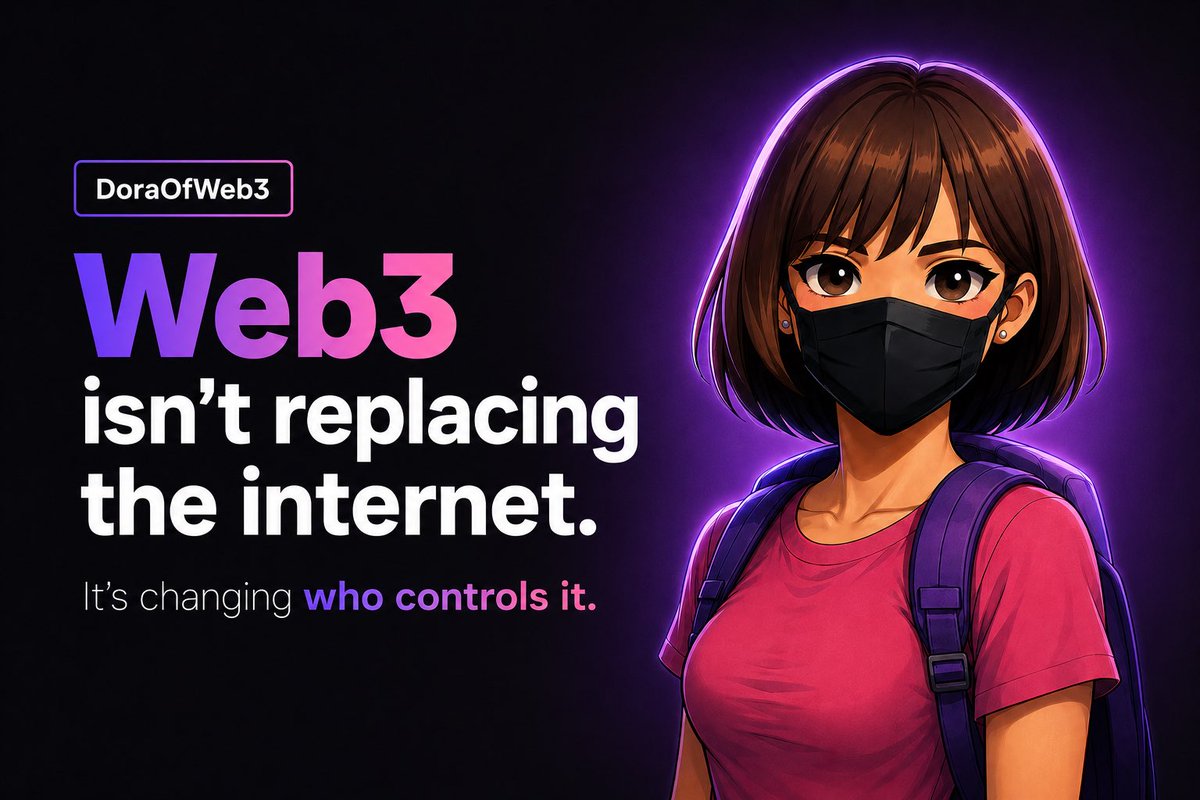
𝐖𝐞𝐛𝟑 𝐢𝐬𝐧'𝐭 𝐭𝐡𝐞 𝐢𝐧𝐭𝐞𝐫𝐧𝐞𝐭 𝐚𝐧𝐝 𝐧𝐞𝐢𝐭𝐡𝐞𝐫 𝐢𝐬 𝐢𝐭 𝐭𝐫𝐲𝐢𝐧𝐠 𝐭𝐨 𝐫𝐞𝐩𝐥𝐚𝐜𝐞 𝐭𝐡𝐞 𝐢𝐧𝐭𝐞𝐫𝐧𝐞𝐭, 𝐈𝐭'𝐬 𝐬𝐢𝐦𝐩𝐥𝐲 𝐭𝐫𝐲𝐢𝐧𝐠 𝐭𝐨 𝐜𝐡𝐚𝐧𝐠𝐞 𝐰𝐡𝐨 𝐜𝐨𝐧𝐭𝐫𝐨𝐥𝐬 𝐢𝐭.
We've been using Web2 for years, so it feels normal but Web3 simply challenges that normal by asking:
𝐖𝐡𝐚𝐭 𝐢𝐟 𝐮𝐬𝐞𝐫𝐬 𝐡𝐚𝐝 𝐦𝐨𝐫𝐞 𝐜𝐨𝐧𝐭𝐫𝐨𝐥 𝐚𝐧𝐝 𝐨𝐰𝐧𝐞𝐫𝐬𝐡𝐢𝐩 𝐨𝐯𝐞𝐫 𝐭𝐡𝐞𝐢𝐫 𝐝𝐢𝐠𝐢𝐭𝐚𝐥 𝐥𝐢𝐯𝐞𝐬?
──── ୨୧ ────
𝐖𝐞𝐛𝟐 𝐯𝐬 𝐖𝐞𝐛𝟑
➺ 𝐖𝐞𝐛𝟐 includes the websites and social media apps we use every day where you can read and write. They are centralized webs stored and owned by big companies.
𝐄𝐱𝐚𝐦𝐩𝐥𝐞𝐬 𝐨𝐟 𝐖𝐞𝐛𝟐 𝐚𝐩𝐩𝐥𝐢𝐜𝐚𝐭𝐢𝐨𝐧𝐬: Facebook, X, Instagram, Tiktok.
➺ 𝐖𝐞𝐛𝟑 is the decentralized web. Being decentralized simply means there isn’t any central authority and you are in control of what you own. The term was introduced in 2014 by Gavin Wood, a co-founder of Ethereum.
In web3, you can read, write, own and control your identity, data and digital assets which are stored on blockchains.
𝐄𝐱𝐚𝐦𝐩𝐥𝐞𝐬 𝐨𝐟 𝐖𝐞𝐛𝟑 𝐚𝐩𝐩𝐥𝐢𝐜𝐚𝐭𝐢𝐨𝐧𝐬: Aave, Uniswap, Opensea.
──── ୨୧ ────
𝐖𝐡𝐚𝐭 𝐚𝐜𝐭𝐮𝐚𝐥𝐥𝐲 𝐦𝐚𝐤𝐞𝐬 𝐭𝐡𝐞𝐦 𝐝𝐢𝐟𝐟𝐞𝐫𝐞𝐧𝐭?
★ 𝐎𝐰𝐧𝐞𝐫𝐬𝐡𝐢𝐩
➺ In Web2, your account, audience, or digital assets live on someone else's platform.
➺ In Web3, you can own digital assets through your wallet and move them across compatible platforms.
★ 𝐂𝐨𝐧𝐭𝐫𝐨𝐥
➺ In Web2, platforms are run by big companies.For example, the most known social apps Facebook and WhatsApp are owned by Meta.
➺ Web3 projects involve their communities in governance, although the level of decentralization varies.
★ 𝐕𝐚𝐥𝐮𝐞
➺ In Web2, platforms capture most of the value users create through content and engagement without even giving them credit.
➺ Web3 experiments with ways for users, creators, and contributors to share in that value through tokens, NFTs, incentives, or governance.
Understanding these differences makes it easier to see why so many people misunderstand or have one or two misconceptions about what Web3 actually is.
──── ୨୧ ────
One misconception people have (including me when I first started) is that Web3 is only about crypto.
𝐖𝐞𝐛𝟑 𝐢𝐬 𝐧𝐨𝐭 𝐂𝐫𝐲𝐩𝐭𝐨, 𝐫𝐚𝐭𝐡𝐞𝐫 𝐂𝐫𝐲𝐩𝐭𝐨 𝐢𝐬 𝐨𝐧𝐞 𝐩𝐢𝐞𝐜𝐞 𝐨𝐟 𝐭𝐡𝐞 𝐞𝐜𝐨𝐬𝐲𝐬𝐭𝐞𝐦.
If I was asked to describe Web3 in one word now, I’ll say 𝐃𝐞𝐜𝐞𝐧𝐭𝐫𝐚𝐥𝐢𝐳𝐚𝐭𝐢𝐨𝐧 because it’s about giving people more ownership, transparency, and control.
Web2 made the internet more social but Web3 is trying to make it more participatory by giving users greater ownership and control.
It won't replace everything we use today, but it's introducing new ways to own, build, and contribute online.
Understanding the difference is the first step to understanding why so many people are building here.
There's a lot more to Web3 than this, and not all of it is sunshine and rainbows🥲
I'll be sharing more beginner-friendly breakdowns, common terms, and even some of the downsides so stick around.
English
Web3 Foundation retweetledi

It is finally here: our last blog of the decentralization series.
Now it is time to dig into what interests us the most: blockchains and decentralization.
In part 3, the research team tackles decentralization measurement, how security goes beyond it, and shows what Polkadot has done since day one to strengthen it.
The major takeaway from our series is simple: even though decentralization is difficult to achieve, the advantages of decentralized applications over centralized ones should make us strive for it.
parity.io/blog/a-technic…
English
For a deeper dive on a specific case 👇
reuters.com/world/europe/p…
English
Recent internet shutdowns are a reminder that digital infrastructure exists in layers.
Governments can restrict access to networks. They can block services, disrupt connectivity, and determine which applications remain available.
That's why the protocols beneath those applications matter. Decentralization doesn't prevent a network shutdown. It doesn't keep mobile towers online.
What it can do is remove the ability for any single operator to switch a protocol off, rewrite its rules, or decide who gets to participate.
The future of the internet isn't defined only by whether we're connected. It's also defined by what remains open when we are.

English
Web3 Foundation retweetledi
"Who owns the machinery determines whether it is used in a decentralized or centralized way." - @yanisvaroufakis at @Web3summit
@Web3foundation found 129 companies across banking, insurance, AI, and advertising that have built business models on personal data. That is what concentrated ownership looks like in practice.
Open-source infrastructure is where ownership becomes contestable. The Product SDK is public. The protocol is governed on-chain. The code is auditable by anyone.
English
Web3 Foundation retweetledi
Web3 Foundation retweetledi
All good things come to those who wait.
And we kept you waiting long enough 🖤

English
Web3 Foundation retweetledi
Web3 Foundation retweetledi
If you’ve been meaning to get your ticket, this is the moment.
In 14 days, Web3 Summit takes over the legendary Funkhaus Berlin for two days of ideas, prototypes, art, music, cinema, BBQs, riverside conversations, and people asking what comes after the internet we have today.
@yanisvaroufakis. @gavofyork. @maxschrems. @lunardragon420. @lunar_mining. @JoanWesten75687. Developers, designers, economists, activists, artists, builders, and critical thinkers — all in one place.
The internet won’t fix itself. Let’s talk solutions.
18–19 June
Funkhaus, Berlin I @nalepastrasse
🎟️web3summit.com/tickets/

English
The question isn’t whether value is being created.
The question is:
Who controls it?
Who benefits?
Who participates?
Read the report ↓
web3.foundation/hidden-price-o…
English
You’ve heard it for years:
“If you’re not paying, you’re the product.”
But what if the true cost of the internet was far higher than anyone realized?
New research from Web3 Foundation suggests Big Tech and AI companies may extract up to $162,492 in lifetime value from each internet user. 🧵
English