WebThreeCapital retweetledi
WebThreeCapital
4.9K posts

WebThreeCapital
@WebThreeCapital
Supporting Web3
Web3-not-Crypto Katılım Ocak 2022
1.4K Takip Edilen332 Takipçiler
WebThreeCapital retweetledi

The decentralized cloud is being built on Polkadot.
@acurast's biggest update since TGE, Cargo, is now live on Mainnet. Full Linux containers running across a global network of Android smartphones in 175+ countries.
For builders, this means almost anything you'd run on a traditional cloud can now run on Acurast, with the experience of a regular cloud server: deploy, access logs, debug, and ship, all with familiar tools, and with Polkadot as the underlying foundation.

English

@eischideraa_unn @Polkadot Yes, 'maybe joining' his home city event after 6 months of silence while the ecosystem is picking up the pieces from the layoffs and funding cuts, and investors wondering if this project is still functioning.
English

@WebThreeCapital @Polkadot Getting ready for Web3submit
English

The market usually chases hype first and fundamentals later.
What @Polkadot has been doing lately feels more focused on building something that can actually last long term, not just pump for a few weeks.
Capped supply, lower emissions, growing machine-based activity, stronger cross-chain infrastructure...
So yeah, ETF inflows may look quiet right now, but that doesn’t mean nothing is happening underneath.
It all depends on investors.
Sometimes the strongest networks are the ones building quietly while everyone is distracted elsewhere.
BSCN@BSCNews
POLKADOT ETF STRUGGLES FOR INFLOWS DESPITE BULLISH UPDATES Despite several exciting @Polkadot updates this year, including a major tokenomics overhaul that capped token supply and dramatically reduced emissions... ... The one spot $DOT ETF in the US has not seen net inflows since as far back as April 13, nearly a whole month ago. 21Shares operates the only spot Polkadot ETF in the US, which has a current AUM of nearly $12 million at time of writing.
English
WebThreeCapital retweetledi

What could possibly go wrong when trillions get invested into these new digital yielding “cash like” products…
If you’re paid a higher yield it just means somewhere in the value chain you are taking higher risk…
There is no higher yields without taking higher risk. Higher yield always has a source. That source is either risk, mispricing, subsidy, temporary market dislocation, or deception.
And for those who disagree, it just means they have not identified the risk yet.
English

Food for thought.
Will the CLARITY Act wake investors up to the real carry trade?
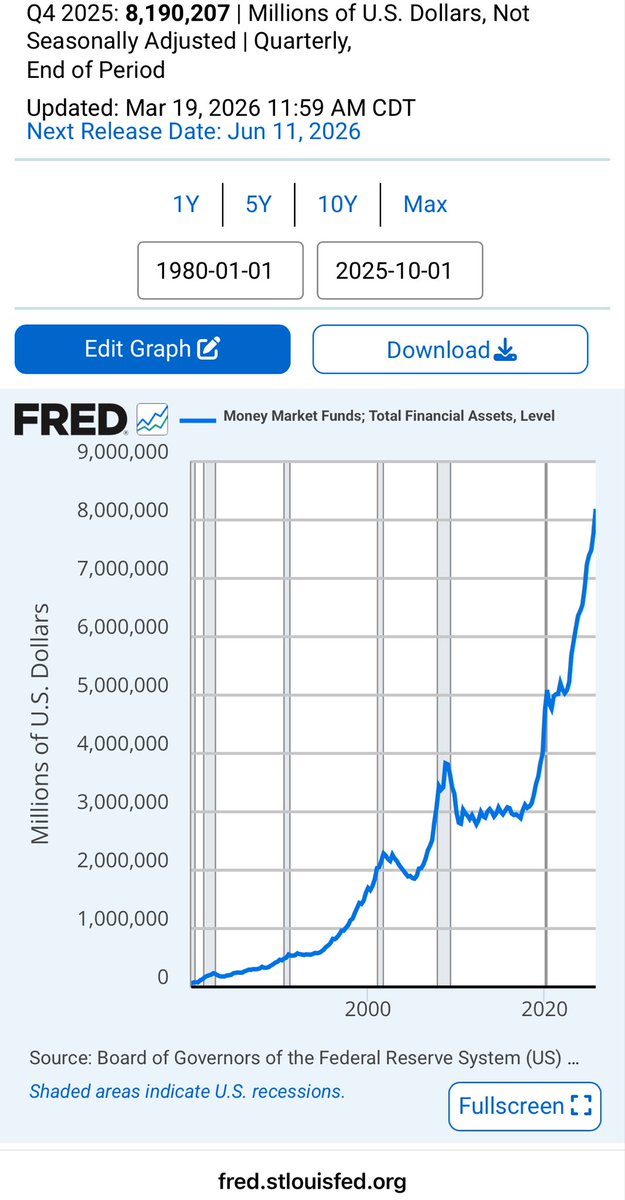
More than 7.75 trillion dollars now sits in US money market funds, while roughly 3 trillion in reserve balances is parked at the Federal Reserve earning about 3.65%. That is over $10 trillion still chained to the logic of the old monetary order, accepting what looks like “safe” yield even as the purchasing power of the underlying currency is steadily eroded.
Since the gold window closed in 1971, broad money has exploded growing at close to 8% p/a; the fiat unit of account is designed to grow, yet savers are asked to pretend that a nominal rate a few points above zero is “risk‑free.” Sensible is not the same thing as efficient. Nor is “risk‑free” the same thing as preserving real wealth.
The thesis of the incumbent system is simple. Safety lives in bank deposits, Treasury bills, central bank reserves and government‑only money funds. Investors, chastened by crises, park cash in money markets for liquidity and low volatility. Banks, scarred by regulation, leave reserves at the Fed for a predictable overnight rate and a quiet life with supervisors.
The classical carry trade built on this foundation was straightforward: borrow cheaply at the policy rate and reach a little for yield in duration or credit, clipping a modest spread. Now add the risk free rate in the digital world.
The antithesis is already visible in the digital world. Instruments linked to Bitcoin‑centred balance sheets and digitally native structures are building a different yield curve. Strategy’s STRC, a perpetual preferred backed by a Bitcoin‑levered corporate, has recently offered an annualised 11.5%, paid monthly, with distributions structured as return of capital rather than ordinary income.
It is not a Treasury bill, and there is balance‑sheet risk. But it shows that the market can engineer “cash‑like” exposure with double‑digit, tax‑efficient payouts, anchored in hard digital collateral rather than in the spread between overnight funding and a five‑year note. Bitcoin itself sits at the philosophical core: its supply is capped at 21 million coins, while fiat continues to expand.
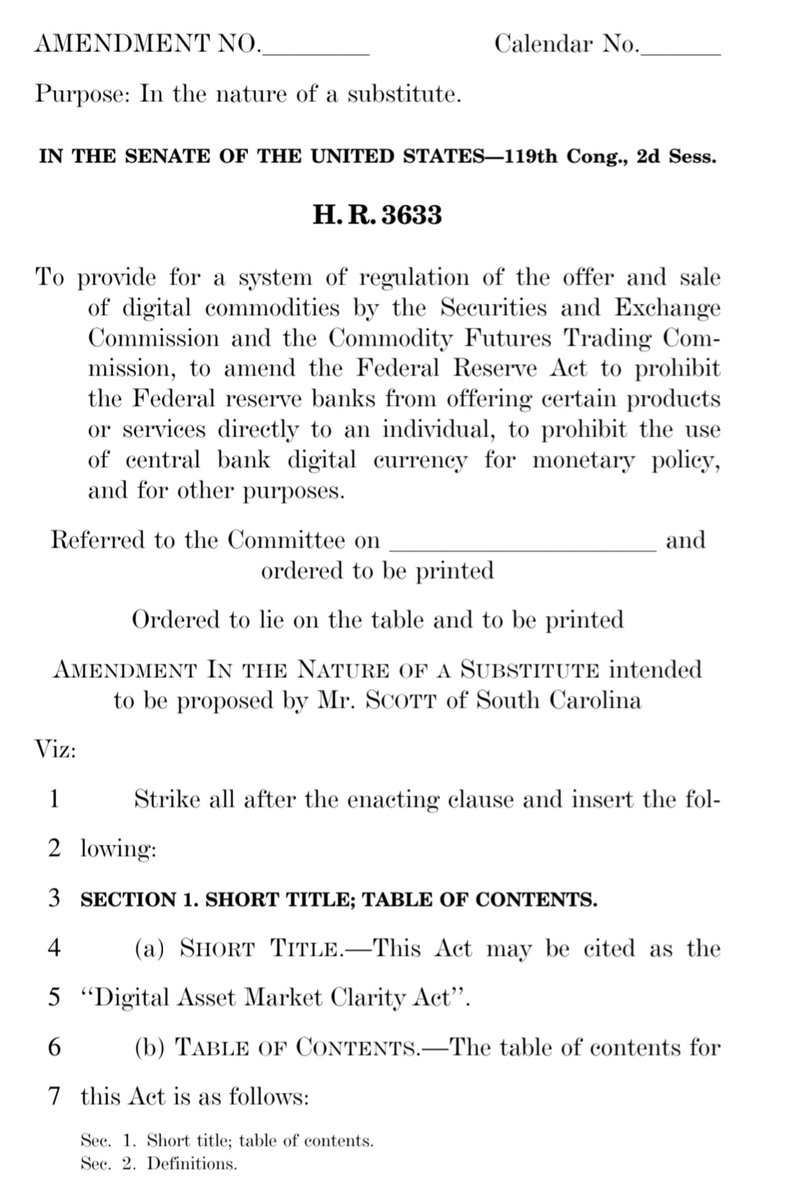
The synthesis is a new definition of “risk‑free” and a new destination for the global carry trade. Public debate still obsesses over the dialectic of stablecoins versus bank deposits. The Digital Asset Market Clarity Act of 2025 would create a federal framework for digital asset markets and formalise regulatory boundaries.
More important is what such a law would symbolise: a tacit admission that a parallel monetary system is being built on top of the US dollar and Treasury market, but with yields discovered in competitive digital markets rather than by the constricted economics of legacy banks. Fully collateralised, dollar‑denominated, Treasury‑backed structures on public rails can in principle offer both the credit quality of the US sovereign and higher, more transparent yields than the old deposit‑money market complex.
This does not make every high‑yield token or Bitcoin‑linked security safe. It does mean that “risk‑free” in the old world has become a marketing phrase for nominal returns that often fail to protect purchasing power. Banks leaving reserves at 3.65 % are leaving money on the table. Investors accepting mid‑single‑digit money‑market yields in a structurally inflationary fiat regime are doing much the same.
The real question is whether the CLARITY Act will be remembered as the moment investors finally woke up to a generational shift: the point at which they realised that the true baseline for low‑volatility, dollar‑denominated returns had begun to migrate out of the old banking system and into a new, digital, USD Treasury‑backed monetary architecture.
Yes Bretton Woods 2.0 is upon us, the only question now is when will investors wake up to the opportunities in front of them.

English

Most DOT stakers don't realize they're leaving yield on the table.
DeFi is where full of arbitrage opportunities and Bifrost's vDOT minting UX makes that visible.
Mint 10,000 DOT → 6,096.216 vDOT
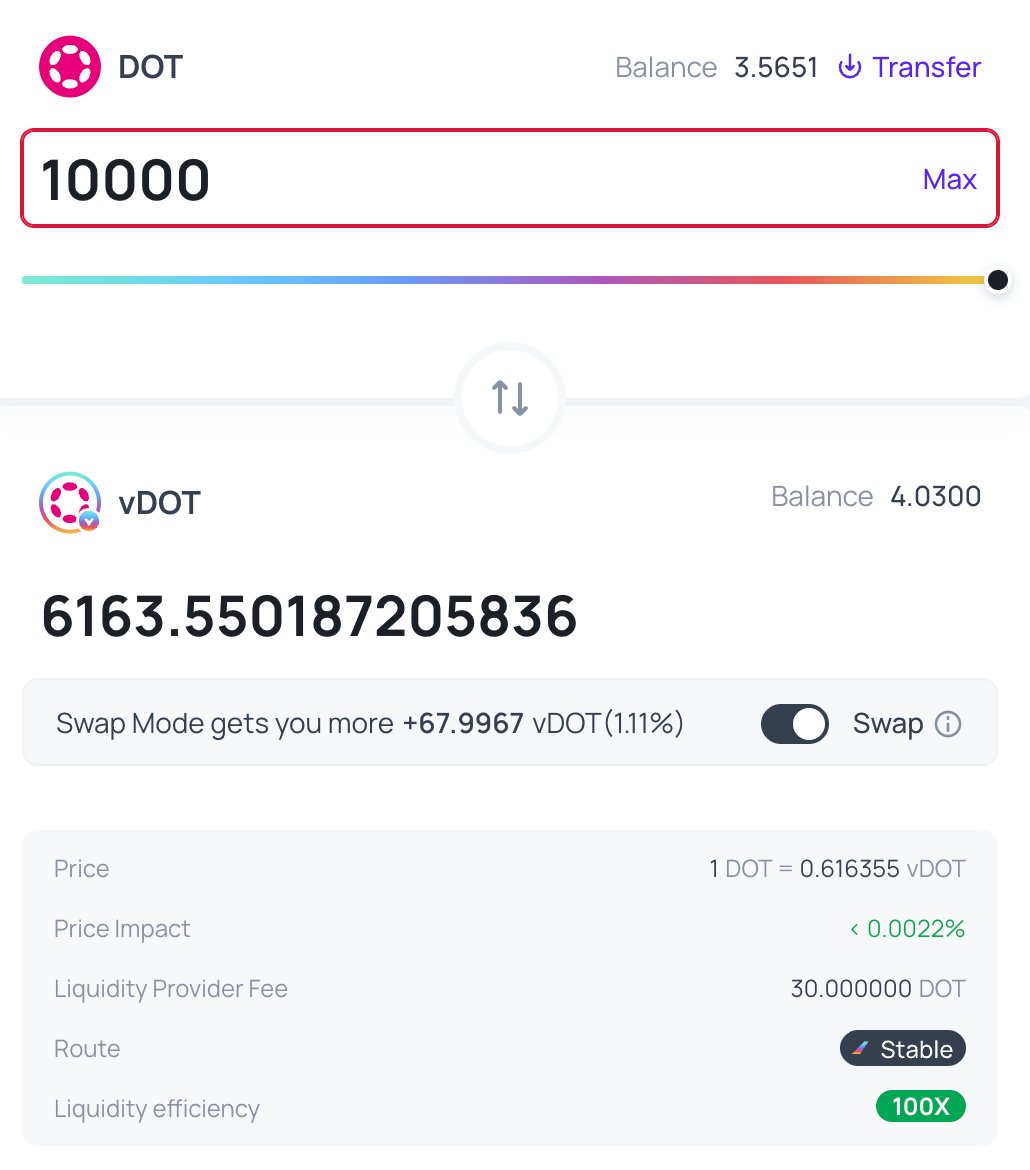
Swap 10,000 DOT → 6,163.550 vDOT
Difference: +67.334 vDOT.
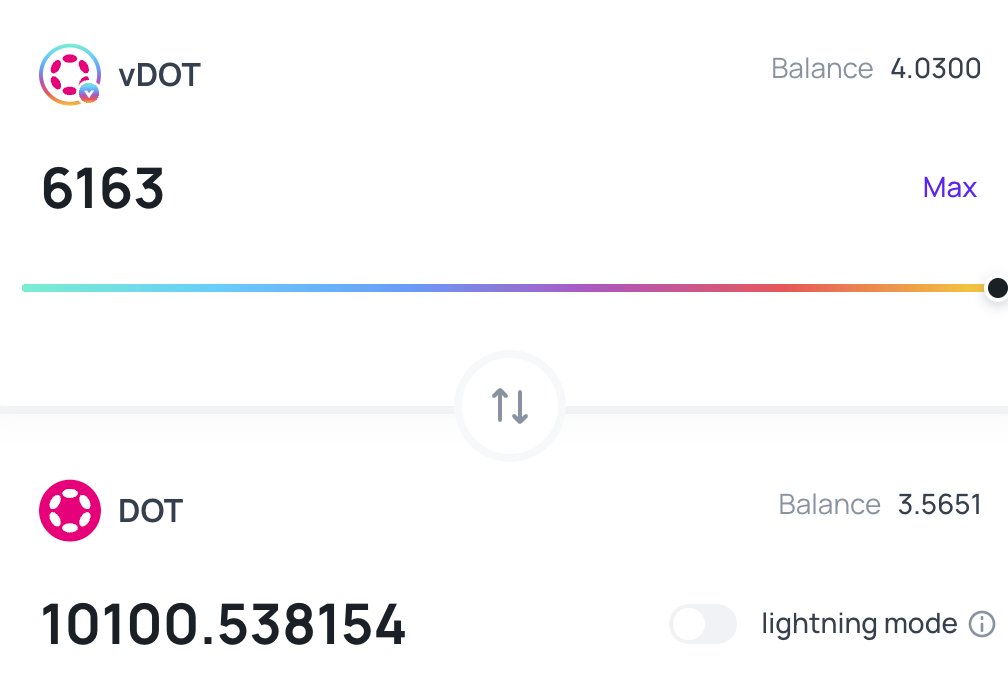
Since vDOT remains redeemable for the underlying DOT after the standard 28-day unbonding period, that swap route could be redeemed for around 10,100 DOT.
Annualized on a 10,000 DOT position, that spread represents ~13% APR captured purely through better routing.
This is the beauty of DeFi.


English
WebThreeCapital retweetledi

@Oz6868306733644 @BDliveSA Haha 😜 this is a bot account 🙃
English

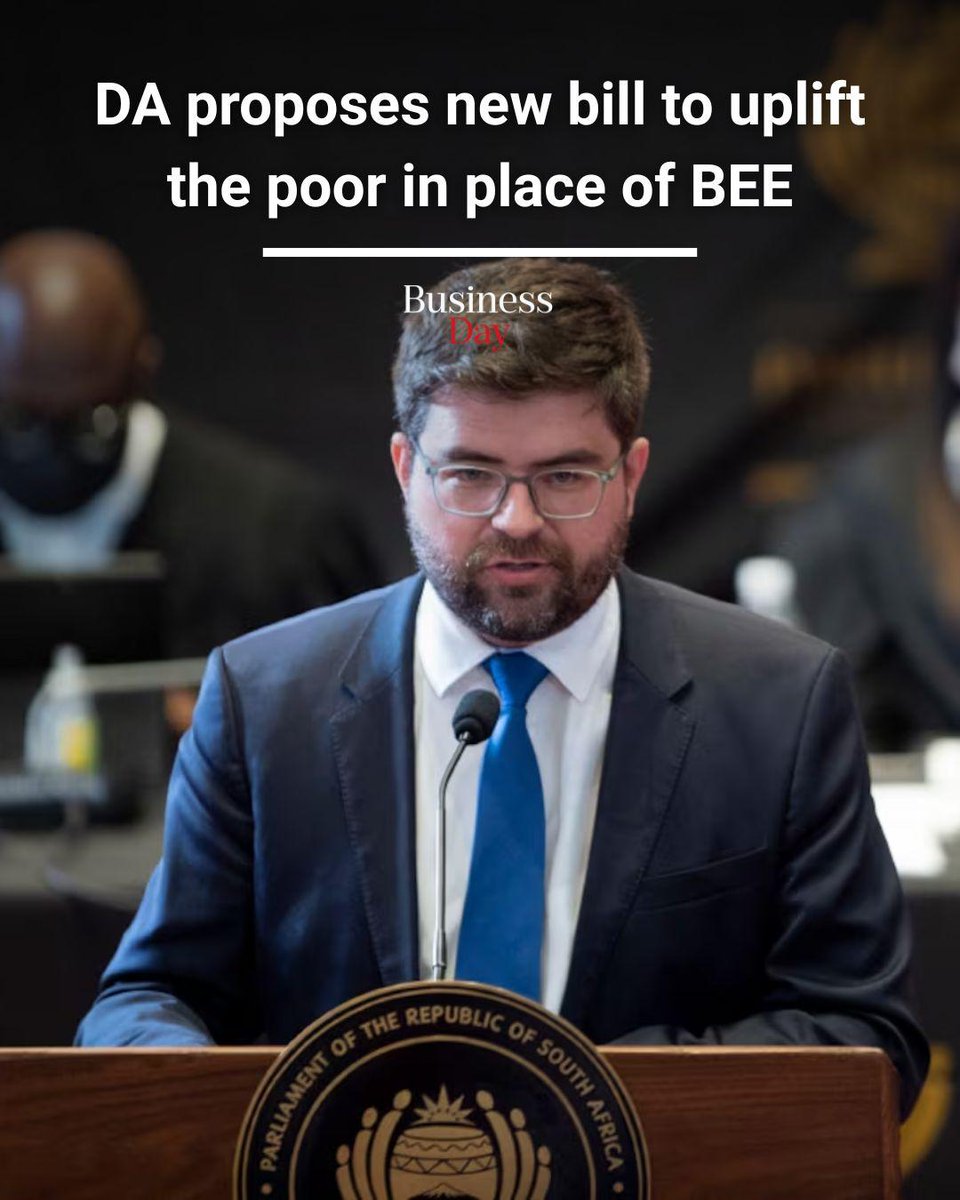
@Oz6868306733644 @BDliveSA As per the gov website…
The 2025 Western Cape provincial MTEF is R269.524bn, and the province says R215.712bn, or 80%, goes to the social sector: education, health, social protection, housing and community amenities.
That’s 80% 👀 of the money 💰
English

@charise_lee This is how countries fight authoritarian wars.
English

@danicuki I think a lot of companies are now just “spinning their wheels“ waiting for some direction.
…But with none coming and the situation only getting worse.
I guess that’s what happens when humanity’s whole coordination system upgrades
But it’s darn frustrating to live through.
English
WebThreeCapital retweetledi

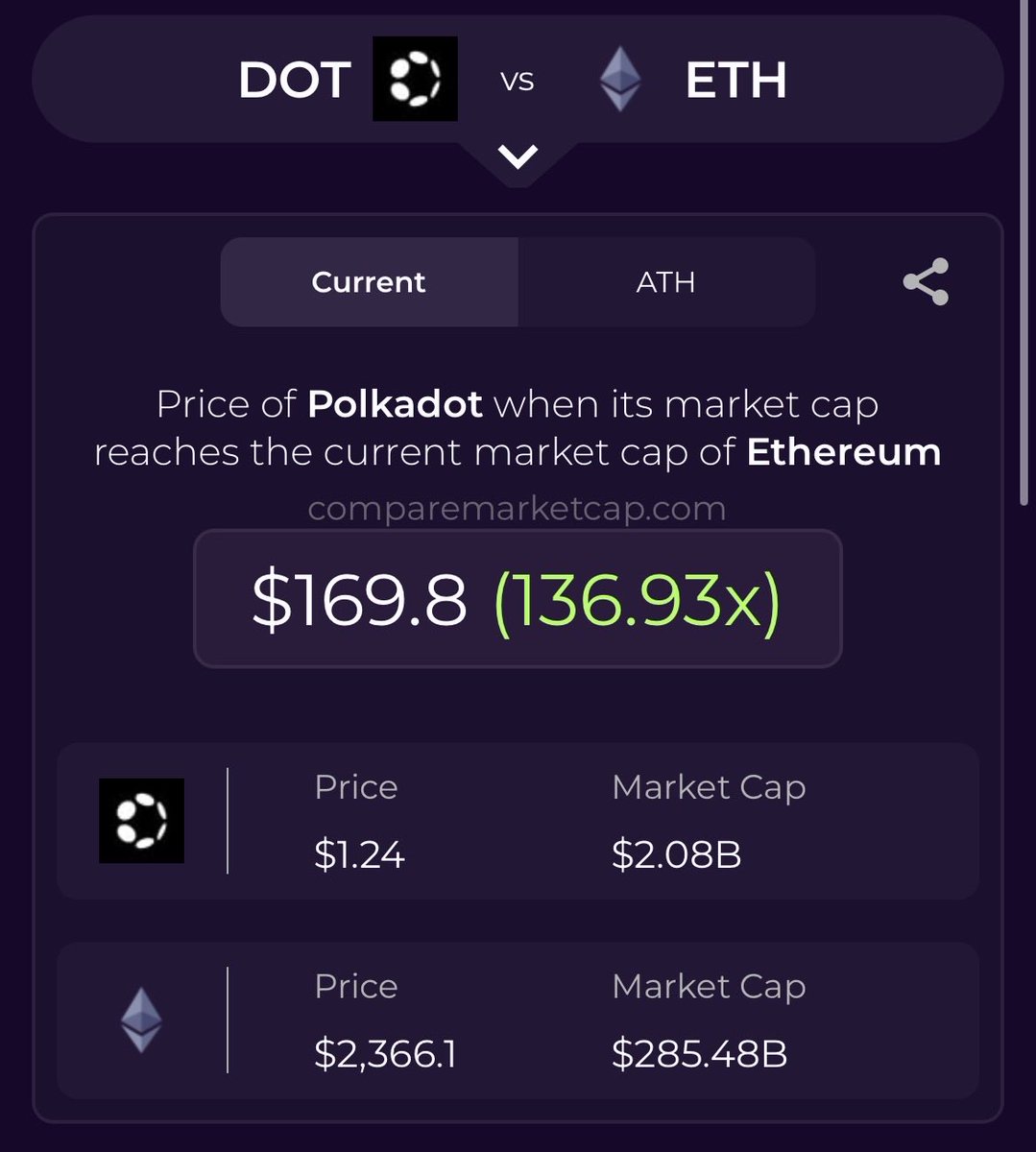
$DOT TOP2 is loading!!
Do you think Gavin Wood, co-founder of $ETH, left #ethereum just to avoid taking the top spot?? And to create the best blockchain in existence today!!
GET READY 💣💥📈

English
WebThreeCapital retweetledi

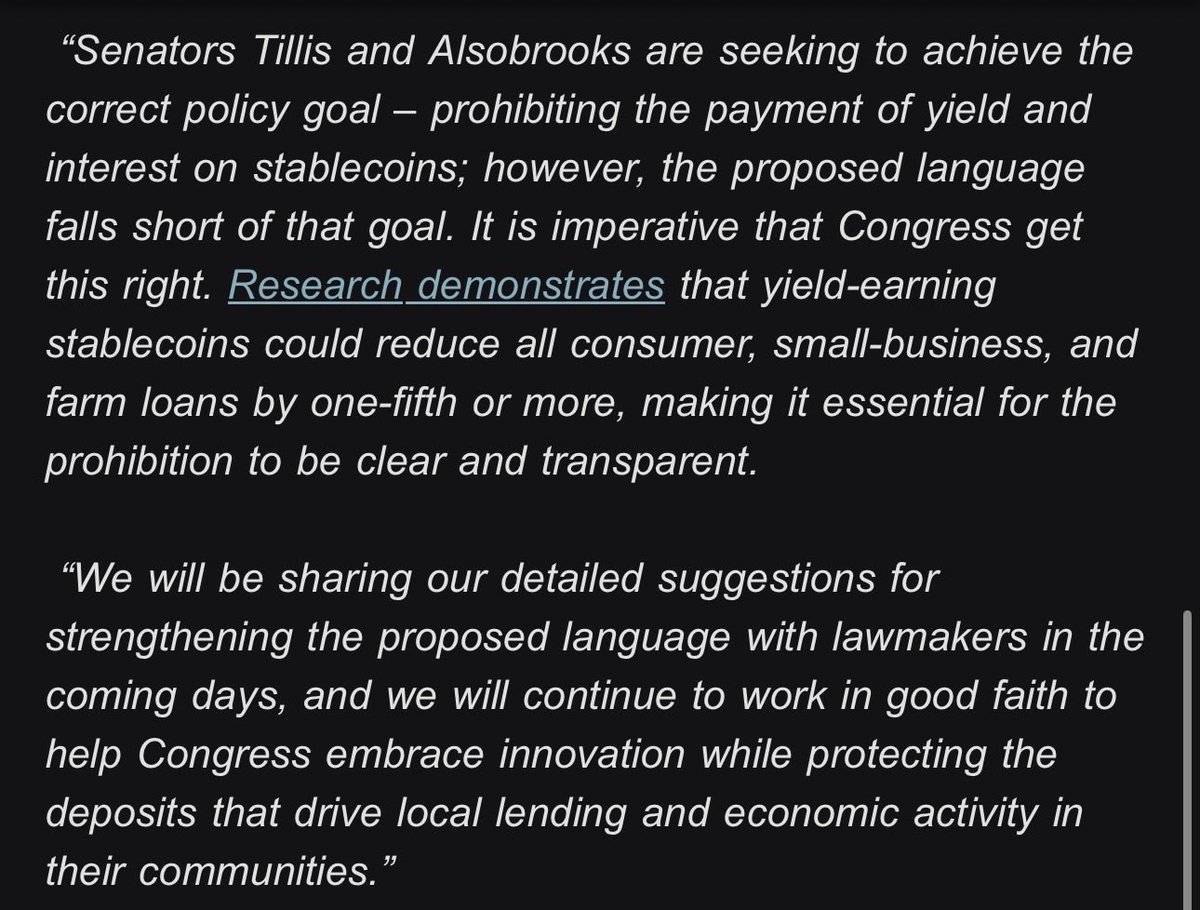
@BrendanPedersen What’s stopping banks from stopping yield outflows by just paying more yield? Like hello….
But I think we know the answer..
English