
Sabitlenmiş Tweet
𝕎𝕖𝕣 ⓥ 𝕟𝕖𝕣
37.9K posts


𝕎𝕖𝕣 ⓥ 𝕟𝕖𝕣
@Wrnr69Smit
Look up here I'm in heaven I've got scars that can't be seen I've got drama can't be stolen Everybody knows me now ⭐️BOWIE⭐️ 56/1.88m/80kg 🧑💻💪📚🎶🚶♂️ ⚔️
Groningen, Nederland Katılım Mayıs 2013
1.7K Takip Edilen2.2K Takipçiler
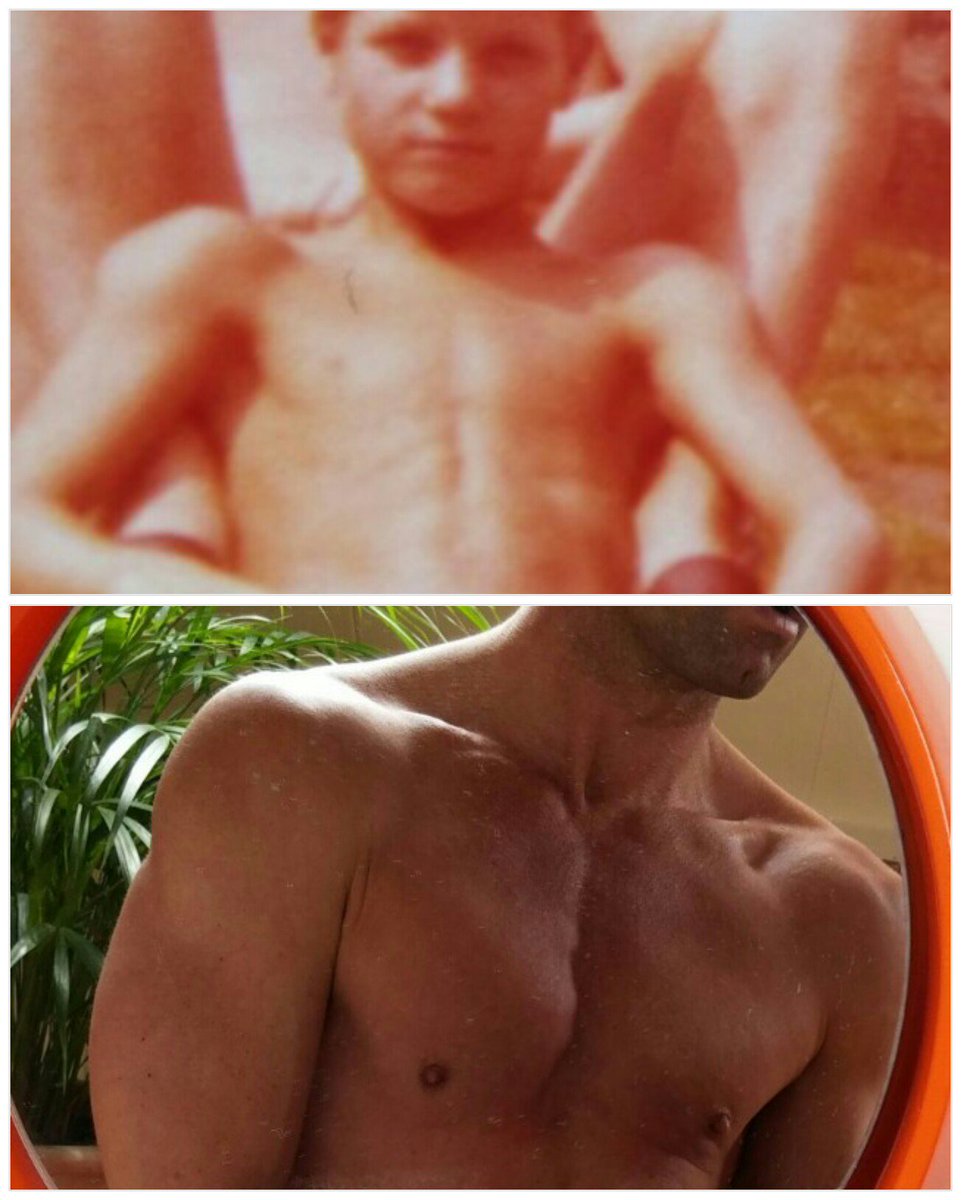
In 2024, summer heat in the EU claimed roughly three times more lives than car crashes, 16 times more than murderers, and more than 10,000 times more than terrorists.
theguardian.com/environment/20…
English
Als je niet meer door de ogen van een man naar jezelf hoeft te kijken, je je niet meer tot hem hoeft te verhouden, jullie niet langer een huis delen, dan pas gaat de vrijheid je opvallen. De rúímte.
volkskrant.nl/cs-b034dfeb/
Nederlands
Euthanasie is een fictie, stelde Karin. “We maken onszelf wijs dat we een uitweg hebben als de ziekte, die ons nu al sloopt, echt te gortig wordt. Dan neem je de regie terug. Dat maakt het draaglijker, denk je. villamedia.nl/artikel/bij-de…
Nederlands
𝕎𝕖𝕣 ⓥ 𝕟𝕖𝕣 retweetledi

Dat alles wat je waarneemt uiteindelijk maar een (gekozen) verhaal is, jouw verhaal, is even geruststellend als niet, ofzo. De keuzevrijheid vind ik geruststellend. Dat niets perse waar is niet.
Peter Middendorp formuleert het mooier, vind ik.
volkskrant.nl/ts-bad31036/
Nederlands


Geen betaalmuur:
Uiteindelijk moet je een keer sterven. Als je dan de kans krijgt om dat in je eigen omgeving te doen, waarom zou je die kans dan verjagen? Als we de dood blijven wegduwen, ‘nu niet’, kan de volgende kans weleens veel vervelender zijn.nrc.nl/nieuws/2026/04…
Nederlands
𝕎𝕖𝕣 ⓥ 𝕟𝕖𝕣 retweetledi

𝕎𝕖𝕣 ⓥ 𝕟𝕖𝕣 retweetledi

It was true when Frank Zappa said it, and it's true today. 🎯🎯🎯👇
English
Currently, I spend part of my time trying to tell people … that the chances of you living 50 [more] years are very small. Due to the danger of nuclear war, you have about 35 years.
livescience.com/space/cosmolog…
English
En als we die ziekte eenmaal hebben, groeien de kankercellen ook nog eens agressiever dankzij die verhoogde concentratie van glucose en insuline in ons bloed. En de prognose wordt daarmee slechter. Bloedsuikerpiegel wordt vooral sterk verhoogd door het drinken van frisdranken.
Nederlands
,We weten al langer dat als je dieren voedt met suiker en industrieel bewerkte voeding, ze snel meer kanker krijgen. Intussen weten we uit onderzoek bij mensen ook dat hoe hoger ons bloedsuiker is, des te vaker we kanker krijgen.
lc.nl/extra/Arts-en-…
Nederlands
It’s only later, when your kids are grown and those missed moments are gone forever, that you realize you were trading permanent memories for temporary urgency. share.google/mcEJCxWGMw9tSI…
English
𝕎𝕖𝕣 ⓥ 𝕟𝕖𝕣 retweetledi

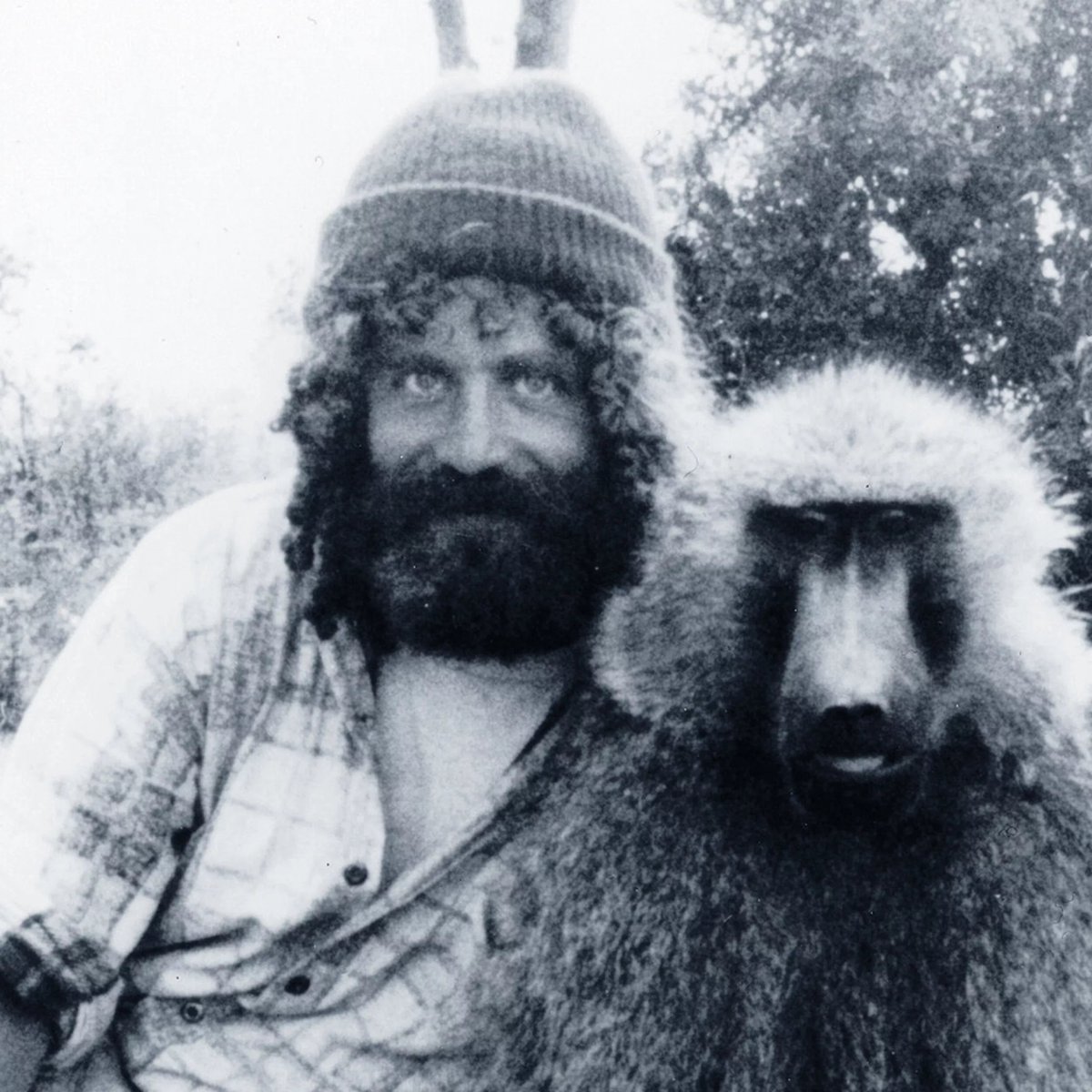
🚨In 1990s, Stanford researcher Dr. Robert Sapolsky discovered something that should have broken the internet by now.
He was studying dopamine pathways in primates and found that the brain doesn't just adapt to repeated stimulation. It actively fights back.
When you flood dopamine receptors consistently, the brain deploys what neuroscientists call "opponent processes." For every artificial high you create, your nervous system generates an equal and opposite neurochemical low. Not eventually. Immediately. The system is designed to maintain balance, so it starts producing compounds that directly counteract dopamine while you're still experiencing the dopamine hit.
This means every notification, every scroll, every digital reward doesn't just give you a high followed by a return to baseline. It gives you a high followed by a crash below baseline. You end up in neurochemical debt.
Tech companies never publicized this research. They probably never read it. They were too busy discovering that variable ratio reinforcement schedules could keep users engaged for hours. They built addictive systems by accident, then refined them into addiction machines once they realized what they'd stumbled onto.
Your phone delivers an average of 80 dopamine hits per day. Your ancestors got maybe 5. Each hit triggers opponent processes that create a corresponding low. By the end of a typical day of normal phone usage, your baseline dopamine is running in negative territory. You feel flat, restless, vaguely unsatisfied, and hungry for stimulation because your brain chemistry is literally below zero.
You think you're bored. You're chemically depressed by artificial highs.
The opponent process theory explains why nothing feels interesting anymore. Your brain isn't broken. It's precisely calibrated to maintain neurochemical balance, and you keep throwing that balance off with artificial intensity. Every Instagram hit requires an equal Instagram crash. Every TikTok high gets paid for with a TikTok low. Every notification rush gets balanced with notification emptiness.
Your reward system is running a neurochemical deficit that grows larger every day.
Sapolsky's research revealed something even more disturbing: opponent processes don't just create temporary lows. They become permanent changes to your baseline dopamine production. Chronic overstimulation doesn't just make you tolerant to digital rewards. It makes you insensitive to natural rewards.
The sunset that would have captivated your great-grandfather becomes invisible to you not because sunsets got worse, but because your dopamine system needs intensity levels that sunsets can't provide. A good conversation becomes boring not because conversations got less interesting, but because your brain requires the rapid-fire stimulation of social media to register engagement.
You've accidentally trained your reward system to ignore everything that isn't artificially amplified.
This connects to research from Dr. Anna Lembke at Stanford, who found that people who undergo complete digital fasting for just 30 days show measurable increases in dopamine receptor density. Their brains literally regrow sensitivity to natural rewards. Food tastes better. Music sounds more complex. Social interactions become genuinely engaging again.
But there's a catch that nobody talks about: the first two weeks of dopamine detox feel like clinical depression. Your brain has been chemically dependent on artificial stimulation for years. Removing that stimulation creates actual withdrawal symptoms. Restlessness, anxiety, inability to focus, emotional flatness, and desperate cravings for digital input.
Most people interpret these symptoms as evidence that they need their phones. Actually, they're evidence that they've been neurochemically dependent on their phones without realizing it.
The withdrawal period isn't a bug. It's proof the reset is working.
What happens after week three is remarkable. Colors become more vivid. Conversations become genuinely absorbing. Simple pleasures like hot coffee or cool air become satisfying in ways you forgot were possible. Your brain rediscovers that reality contains enough complexity and beauty to hold your attention without artificial amplification.
You don't need more interesting content. You need more sensitive reward systems.
The solution isn't better apps or more engaging entertainment. The solution is restoring your brain's factory settings for what constitutes a worthwhile experience.
Sapolsky's opponent process research suggests this can happen faster than anyone expected. Every day you don't artificially spike your dopamine, your baseline moves a little higher. Every natural reward you pay attention to rebuilds receptor density. Every moment of boredom you endure without reaching for stimulation strengthens your capacity for sustained focus.
Ancient humans lived in a world that provided exactly the right amount of stimulation to keep their reward systems healthy. Enough challenge to stay engaged, enough calm to stay balanced, enough novelty to stay curious, enough routine to stay stable.
We built a world that provides 10 times too much stimulation and wonder why nothing feels rewarding anymore.
Your brain is not the problem. Your environment is the problem.
Change the environment, and the brain heals itself automatically.
Darshak Rana ⚡️@thedarshakrana
English
𝕎𝕖𝕣 ⓥ 𝕟𝕖𝕣 retweetledi

This is one of the best Saturday Night Live skits ever! Americans are waking up! #maga #TrumpWarCrimes
English
𝕎𝕖𝕣 ⓥ 𝕟𝕖𝕣 retweetledi

@brad_polumbo For those of you who would like the full version of that video, here ya go.
youtube.com/watch?v=Q71Xb1…
YouTube
English

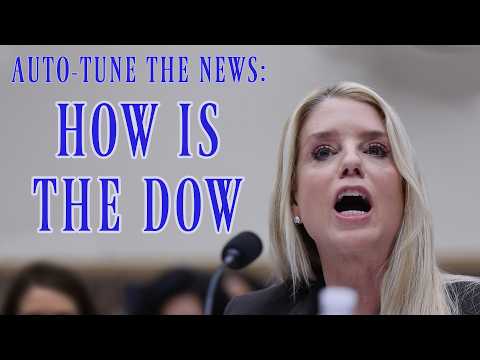
This moment will haunt Pam Bondi for the rest of her life.
It has been memed into infinity, because it so perfectly captures the craven, humiliating failure that was her tenure as Attorney General.
English