Aix
222 posts



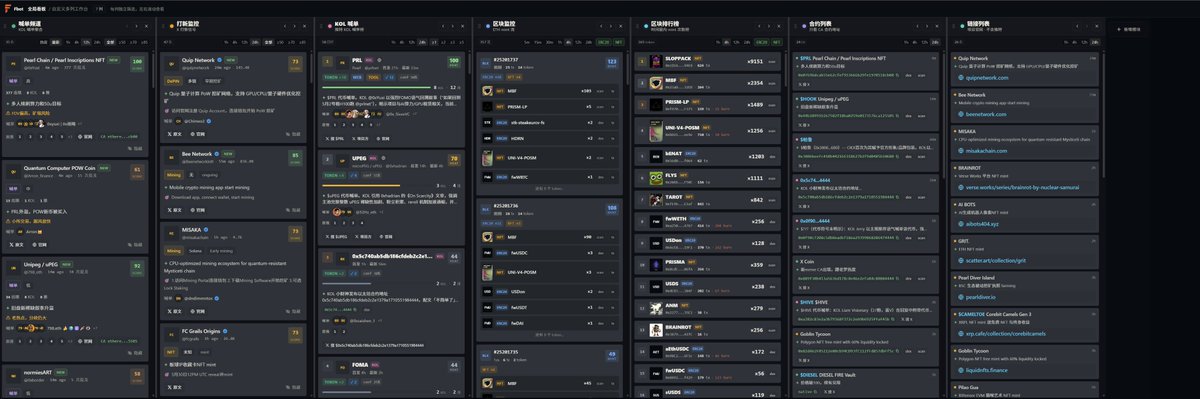

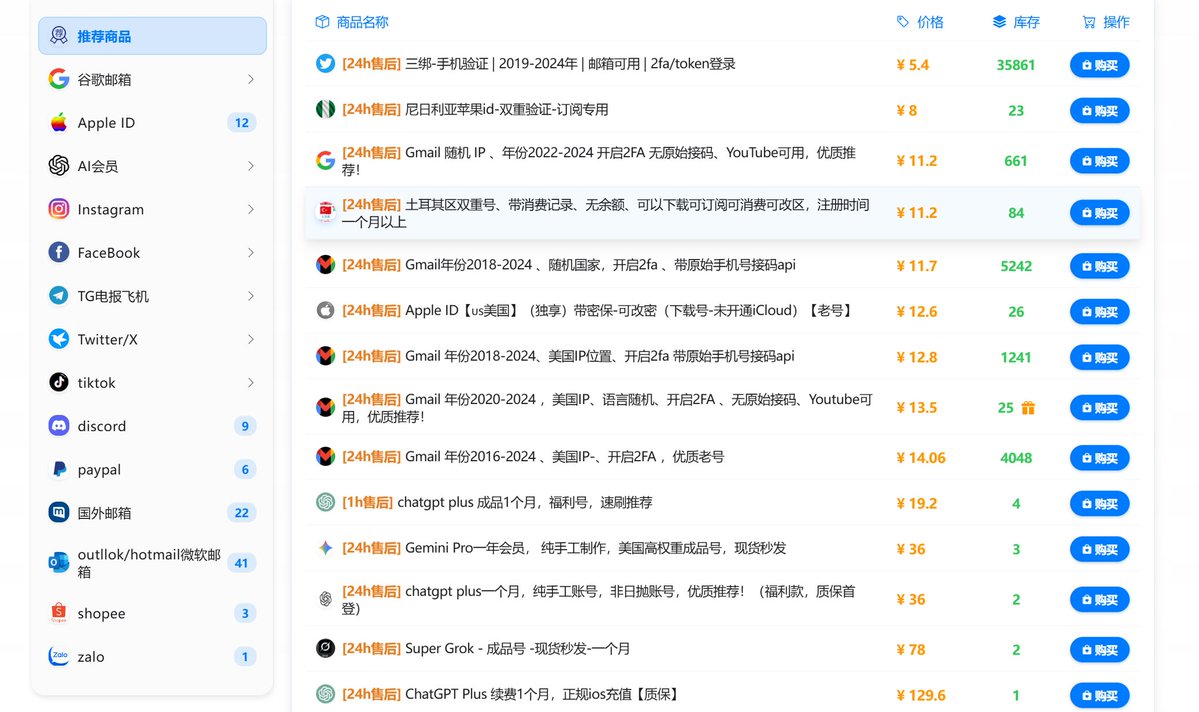
AI 赚钱 很简单的,你就卖铲子,一天100+很轻松的
我主页有链接,里面全是各种账号,你加价卖到闲鱼去,有人买了你回来下单,然后给他发货
也可以引流到微信成交,看你个人
蜗牛King 👑@snail_9106
兄弟们 AI 搞钱你就去闲鱼 讲真的
中文



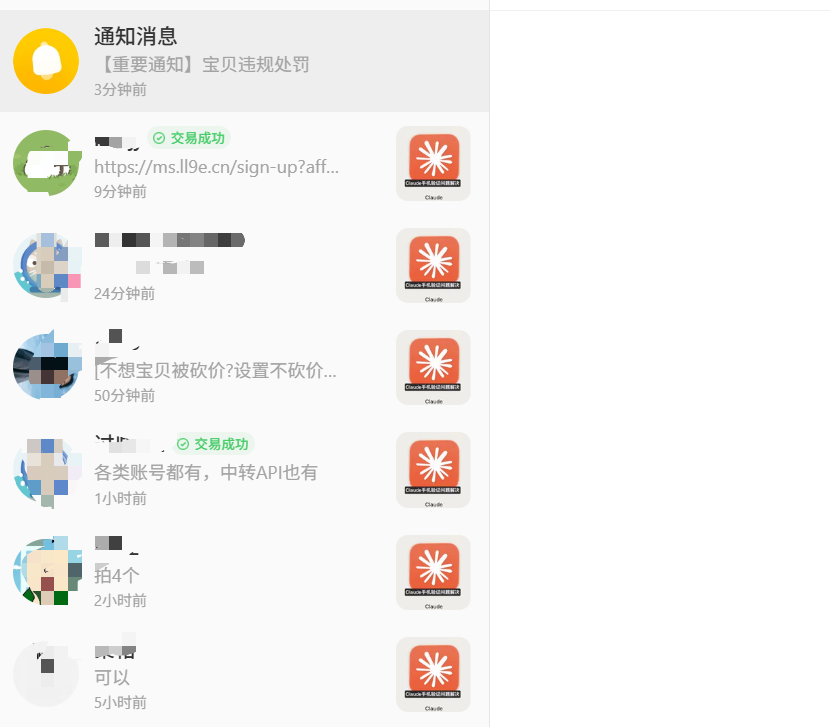
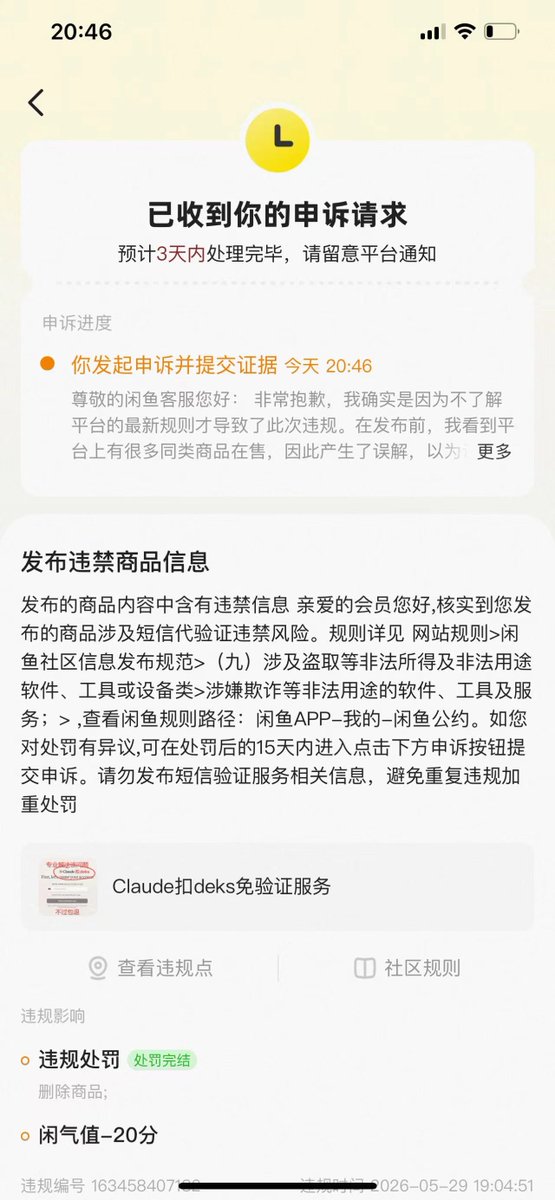
【哦豁,闲鱼账号被喜提7天封禁】
刚起号一周还没到
就因为我发布违规产品被禁言
可问题是
这个claude&codex接码商品
这周一刚给我那么大流量
转头又说我上架不合规商品
真实拔屌无情啊!!
我已经申诉了
不知能能否有效果
想干闲鱼的x友们
要引以为戒哈

alley wu@alleywu270684
【闲鱼爆单后续-我决定扩展业务范围】 接到闲鱼客户的海量需求后 我决定把业务范围 往AI铲子以及配套环境拓展 一方面是因为这些解码客户 除了接码需求 还有vpn、ai工具复购等其他需求 这样可以实现把这些客户资源最大化 另一方面接码单笔利润太低 性价比不高 卖AI使用全流程解决方案利润更高 但VPN我还是没敢卖 现在是做推荐 等润出去后再做baq 说干就干 我开始找到供应商后 把产品和定价做好 让gpt生成一张图(效果还挺好呢) 开始往群里宣传 加强个人品牌宣传 期待这些客户的复购
中文


SpaceX has almost finished writing V1.0 of an in-house AI training stack in C that exact-maps to 220k GB300s with 800G NICs, making heavy use of pipeline parallelism and getting as close to bare metal as possible.
The potential speed improvement vs JAX for large training runs is over an order of magnitude.
English
ANNOUNCEMENT: WE’RE SAVING SCIENCE!
We’re often told that science is “self-correcting.”
But that’s not really true.
Science doesn’t correct itself like a thermostat adjusting the temperature in your house. Science is a human institution run by human beings. And human beings are vulnerable to career incentives, groupthink, moral fads, political pressure, and fear.
And when those forces capture academic journals, peer review stops being a filter for bad ideas and starts becoming more of a credentialing system for fashionable nonsense.
This isn’t exactly new.
In 1996, the physicist Alan Sokal managed to publish a totally gibberish article in the journal Social Text full of trendy postmodern jargon. His point was simple: if you flatter the ideological commitments of certain academic editors, nonsense can pass as real scholarship.
Two decades later, @ConceptualJames, @HPluckrose , and @peterboghossian pulled off the “grievance studies” hoax, placing over a half dozen absurd papers in peer-reviewed journals. One paper used dog parks to analyze rape culture and queer performativity. Another rewrote parts of Mein Kampf in the language of feminist theory.
The problem wasn’t just that fake papers got published. It was that they were completely indistinguishable from the real thing.
And today, the problem is even worse.
We now have serious SCIENCE journals publishing papers about feminist lesbians marrying brine shrimp. We have disturbing papers that aim to “queer” and sexualize infants. We have scholarship on “lesbian-queer-trans-canine relationalities” and “trans-dog intimacies.”
But while Clown World papers are concerning because it makes a complete mockery of academia, the same broken, ideologically captured system is also publishing research in legitimate science and medical journals that pushes sex and gender pseudoscience, relies on deeply flawed data, and influences policies on the medical transition of children and young adults.
That’s not funny. That affects real people. It affects medicine. It affects law. It affects children.
And when critics try to respond, they often discover there’s no serious mechanism for correction. Submitted Letters to the Editor often go completely ignored. Contrary evidence is rejected without comment. As a result, the best critiques are often relegated to personal blog posts, social media threads, or newspaper op-eds, while the original paper remains in the literature wearing the armor of “peer review.”
That is untenable.
So Kevin McCaffree, editor-in-chief of Theory and Society (@Theory_Society), and I decided to do something about it.
Today, in the Wall Street Journal, we announced a first-of-its-kind article type called “Peer Review.”
The idea is simple: publication should be the beginning of academic scrutiny, not the end of it.
A Peer Review article can critique a paper from any scholarly journal. It can address problems with methods, evidence, logic, definitions, theory, or interpretation. But it has to focus on the claims and arguments, not personal attacks.
Submissions are capped at 2,500 words and go through a straightforward merit review instead of endless gatekeeping and ideological screening. We ask just one basic question: Is this critique coherent, serious, reasonable, or even popular enough to deserve scholarly attention?
If yes, it gets published.
And the authors of the original paper get a built-in right of reply, so readers can see the critique and the response in a legitimate academic venue.
That’s how science is supposed to work.
Science becomes self-correcting only when real people build the mechanisms that allow correction to happen.
That’s what we’ve done.
Now it’s time for academics to use it.
Read our announcement on the @WSJ below.
🔗wsj.com/opinion/a-way-…
English