
Sabitlenmiş Tweet
Yogesh Patil
2.5K posts


Yogesh Patil
@Yogesh_Himself
Seeker of my Own Truth • Strategic Investor • Engineer • Fitness Enthusiast
Earth Katılım Ocak 2012
148 Takip Edilen130 Takipçiler
Yogesh Patil retweetledi
Respected @nsitharaman ji and @FinMinIndia,
Suggestion 2 of 3 for strengthening India's capital markets:
Dividend income on listed equities should not be subjected to double taxation.
A business can raise capital in only two ways: debt or equity.
When a company raises debt, the interest paid to lenders is treated as a business expense and deducted before tax. The lender may then pay tax on the interest received.
However, when a company raises equity capital, dividends are paid out of profits that have already suffered corporate tax. The shareholder is then taxed again on the same stream of income.
More importantly, equity capital bears far greater risk than debt capital. A lender has a contractual right to interest and principal repayment. A shareholder has no such guarantee. Dividends are discretionary, capital is fully at risk, and the shareholder stands last in line if a business fails.
If debt providers receive tax-deductible compensation despite bearing lower risk, there is a strong case for more favourable treatment of equity providers who supply the permanent capital that fuels entrepreneurship, innovation, employment and economic growth.
India needs to encourage long-term risk capital and greater participation in equity markets. Tax policy should reward those who provide patient equity capital to Indian enterprises rather than place them at a relative disadvantage compared to debt capital.
Respectfully submitted.
Vijay Kedia@VijayKedia1
Respected @nsitharaman ji and @FinMinIndia , Suggestion 1 of 3 for strengthening India's capital markets: Long-term capital gains tax on listed equities should be abolished. A long-term shareholder is not a speculator but a provider of patient risk capital. By investing in and holding businesses, investors help companies expand, create jobs, innovate and contribute to India's economic growth. India requires enormous amounts of long-term capital to build world class enterprises, infrastructure and global champions. Tax policy should encourage households to move savings from passive assets, including imported stores of value such as gold, into productive businesses that create jobs, generate tax revenues and build national wealth. The appreciation in a company's value is not created in isolation. During its growth journey, the government already collects corporate tax, GST, income tax from employees, customs duties, stamp duties and numerous other levies. Long-term capital gains are often the final outcome of economic activity that has already generated substantial tax revenues. Most importantly, tax policy should clearly distinguish between investment and speculation. A long term shareholder is a partner in wealth creation, not merely a participant in market transactions. Tax policy should reward long-term ownership of productive businesses and distinguish it from short-term speculation. India needs more patient capital, more entrepreneurship and more long term investing. Abolishing long-term capital gains tax on listed equities would be a powerful step in that direction. Respectfully submitted.
English
Respected @nsitharaman ji and @FinMinIndia ,
Suggestion 1 of 3 for strengthening India's capital markets:
Long-term capital gains tax on listed equities should be abolished.
A long-term shareholder is not a speculator but a provider of patient risk capital. By investing in and holding businesses, investors help companies expand, create jobs, innovate and contribute to India's economic growth.
India requires enormous amounts of long-term capital to build world class enterprises, infrastructure and global champions. Tax policy should encourage households to move savings from passive assets, including imported stores of value such as gold, into productive businesses that create jobs, generate tax revenues and build national wealth.
The appreciation in a company's value is not created in isolation. During its growth journey, the government already collects corporate tax, GST, income tax from employees, customs duties, stamp duties and numerous other levies. Long-term capital gains are often the final outcome of economic activity that has already generated substantial tax revenues.
Most importantly, tax policy should clearly distinguish between investment and speculation. A long term shareholder is a partner in wealth creation, not merely a participant in market transactions. Tax policy should reward long-term ownership of productive businesses and distinguish it from short-term speculation.
India needs more patient capital, more entrepreneurship and more long term investing. Abolishing long-term capital gains tax on listed equities would be a powerful step in that direction.
Respectfully submitted.
English
English
I read this differently.
Those who care about their car engines, shell out more!!!
RedboxGlobal India@REDBOXINDIA
INDIA MAY SOON ALLOW CONSUMERS TO CHOOSE ETHANOL-BLENDED PETROL BASED ON VEHICLE COMPATIBILITY: REPORT
English
@1kunalbahl You can always check how many autopay active you have by logging in below link.
upihelp.npci.org.in
English
UPI AutoPay is a masterclass in convenience, but the industry must guard against the "mobile VAS trap" of 15 years ago. Opaque opt-ins and hidden cancellation loops might juice short-term metrics, but they destroy systemic trust. Frictionless tech needs flawless transparency. Let's self-regulate before the regulators do it for us. 💳🇮🇳
GIF
English
English

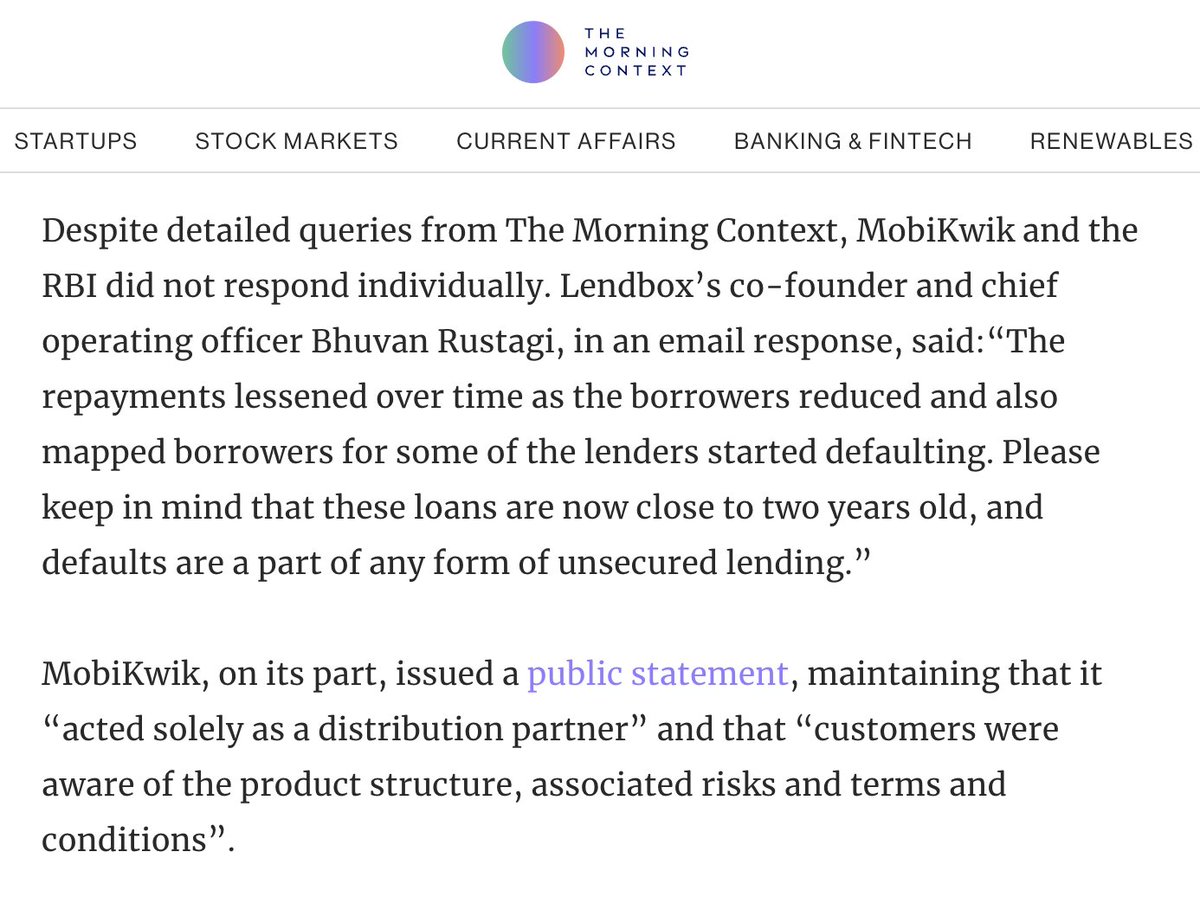
Every time I think MobiKwik will finally get its act right, it ends up in another mess. The Lendbox P2P mess is the latest.
Around 580 people have come forward saying their money is stuck and Lendbox and MobiKwik are playing pass the parcel. @MorningContext @sonalch10

English
@FinanceSoumya @AxisBank @RBI @Cyberdost @FinMinIndia I think you can always reopen if you are not satisfied with resolution.
English

@Yogesh_Himself @AxisBank @RBI @Cyberdost @FinMinIndia Got this reply !!!
Your complaint N202627013004099 has been closed. Closure letter has been sent on your email/address. Please give feedback on RBI CMS Portal.
English
Reported a ₹46k credit card scam to Axis Bank within 5 mins, yet they still processed the transaction & closed complaint without resolution😡
Even after cyber cell complaint, there’s 0 accountability
Shameful customer protection standards
@AxisBank @RBI @Cyberdost @FinMinIndia

English
@CRED_support Imran, hope you are enough capable to understand English.
No resolution is provided by your team.
Maybe customer satisfaction is really not important for a company like @CRED_club
@CRED_support @kunalb11
English

@Yogesh_Himself Hi Yogesh, our team has shared a resolution on your DM thread. Please connect with us over the same communication for further assistance. -Imran
English
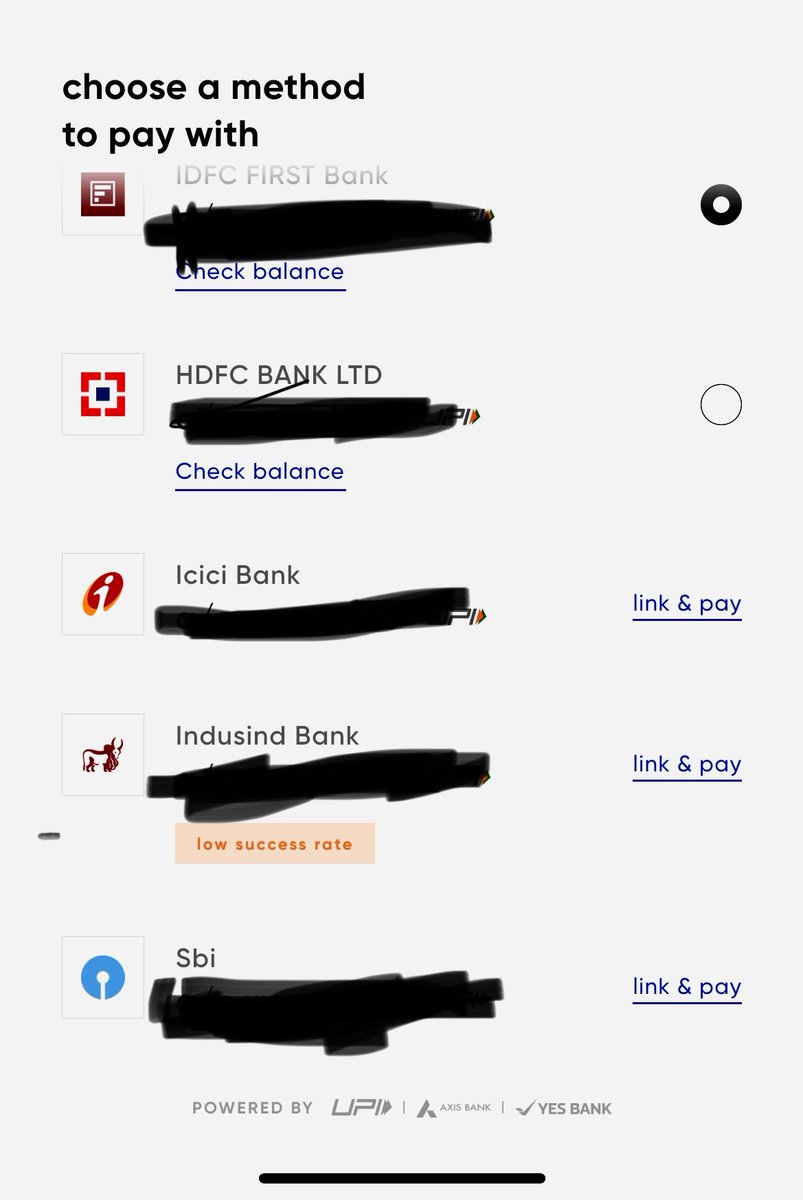
Hey @kunalb11 @CRED_club
Why are you tracking unnecessary private information that doesn’t linked ?
Privacy violations or Piracy ?
English

@Yogesh_Himself @WeekendInvestng Dummy tickets. Standard practice.
English
Super Amazing Efficiency in Visa Delivery.
On Thursday at noon, I applied for a Shengen Visa at VFS Delhi. On Saturday at noon, the passport with a visa has been delivered to my house.
Regular non premium service!
48 hour. This has to be a record!
Of course I am not traveling till Modiji will allow. 😊
@FranceinIndia @VFSGlobal
English
@CRED_support Imran wake up & have a coffee, No resolution is provided by your team, whatever i have been told by your team is absolute garbage. @CRED_support @kunalb11
English
@Yogesh_Himself Hi Yogesh, help is just a DM away. Simply write back to us using the below link and we'll ensure that this issue is addressed at the earliest. -Sujith twitter.com/messages/compo…
English
@CRED_support @kunalb11 @CRED_club This raises serious questions about how CRED is accessing & displaying this private financial data without explicit user consent or linkage.
English
@CRED_support @kunalb11 @CRED_club
10+ months & still taking feedbacks of repeated instances isn’t sufficient.
I’m not seeing actual fix. Your app continues to display my bank accounts even though I haven’t linked any UPI in CRED.
English
English

Booked an @AkasaAir ticket via @agoda and accidentally selected Navi Mumbai instead of Mumbai.
Tried cancelling via Agoda - they showed a cancellation fee of ₹4,764 and refund of just ₹1,571.
Then I checked directly with Akasa Air.
Akasa Air’s own cancellation page shows:
• Total deduction: ₹299
• Refund amount: ₹6,076
Akasa customer care also confirmed the airline cancellation charge is only ₹299, and since the booking was made through Agoda, the refund would go back to Agoda.
So the obvious question:
If the airline is deducting only ₹299, why is Agoda charging me ₹4,764?
That’s an extra ₹4,465 for what exactly?
Charging 15x the airline’s actual cancellation fee for the same ticket feels completely unethical.
@agodaindia please explain this loot.
@AkasaAir passengers deserve transparency from booking partners.
@jagograhakjago @MoCA_GoI


English
English


Yogesh Patil retweetledi
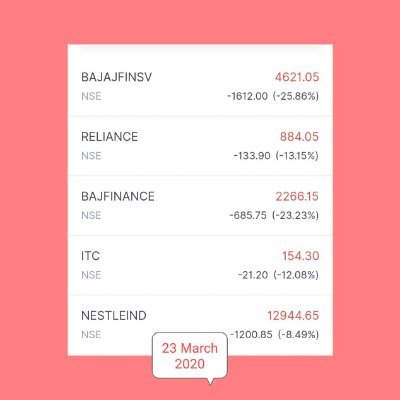
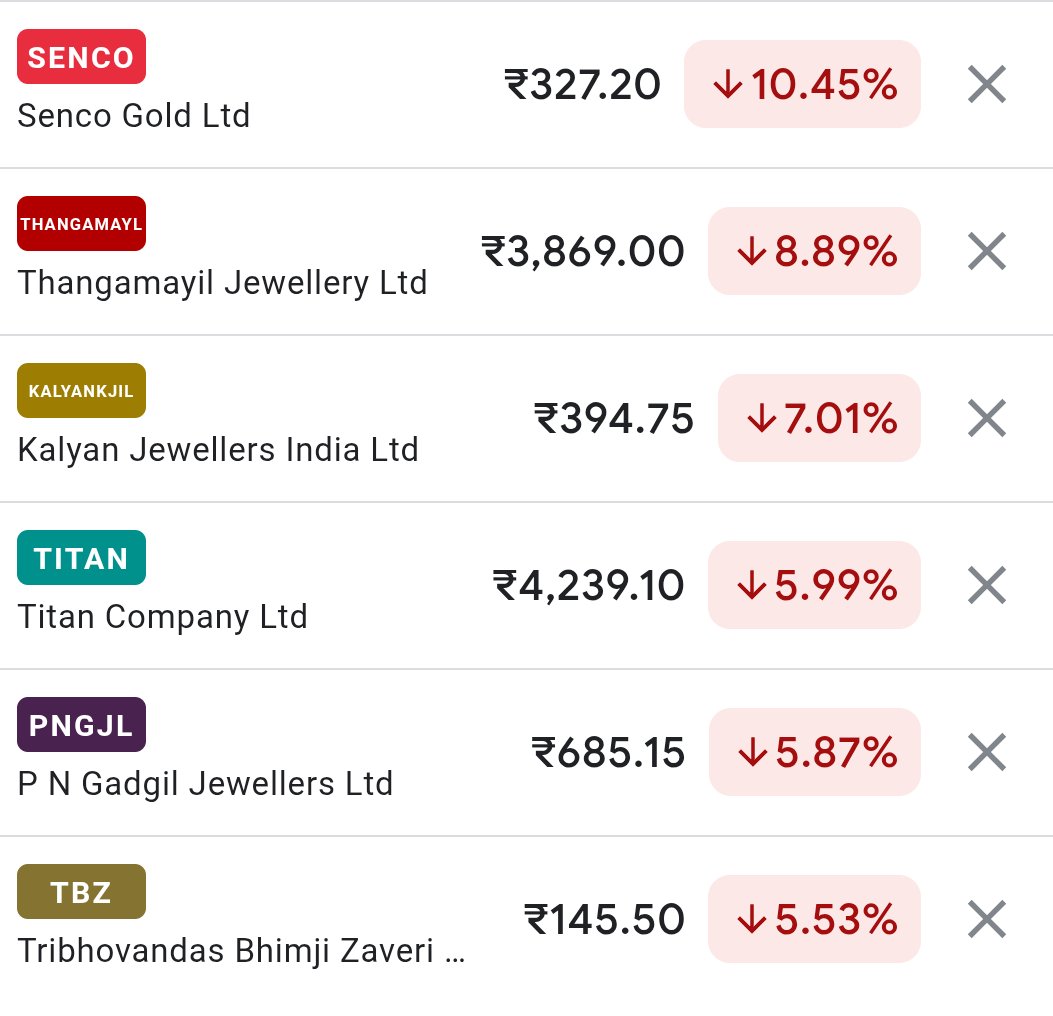
With this kind of dominance, if we are not able to push faster growth, then it is never happening...
PM Modi needs a new Reforms and Growth Ministry perhaps, one that can think out of the box!

English
Yogesh Patil retweetledi

The silly rule of showing rent as cash flow from financing makes it so painful to find out if a co is truly cash flow positive from ops. Rent is an operational cost so you have to put back the rent interest and principal back out from CFO
So many cos go to negative cfo after.
English