Sabitlenmiş Tweet
𝒁𝒂𝒗寂
9.4K posts


𝒁𝒂𝒗寂
@ZavMuss
Apreciador de la historia en general y de la cultura japonesa ⛩️📖🇯🇵|🇲🇽🌮 Esp|Eng
Tercer Imperio Mexicano Katılım Ağustos 2017
1.4K Takip Edilen198 Takipçiler



@msilvaplata @danieloso El módulo lunar tenía su propia cámara apuntando a la escalera
Español
@danieloso si lo analizas, la misma toma de los astronautas bajando es una "recreación" de ellos mismos. Claramente bajaron, pusieron la cámara, echaron a grabar y volvieron a subir para captar la bajada.
Español

Se sabe que la NASA contrató a Stanley Kubrick para el falso alunizaje, pero como el tipo era un perfeccionista pidió que se rodara en la Luna y entonces la NASA no tuvo más remedio que ir...🥲
Gustavo Cardenas@gustav0cardenas
Los conspiranoicos están presentando este video falso, donde supuestamente Stanley Kubrick “confiesa” haber filmado el alunizaje. En realidad, es un actor llamado Tom Mayk quien participó en una falsa entrevista hecha en 1999, después de la muerte de Kubrick, para reforzar el engaño de que el director dirigió una supuesta puesta en escena del alunizaje. No se dejen engañar con estos videos.
Español
@AleJuarezA La fuerza aérea estará condenada mientras siga de lado del ejército
Nuestra fuerza aérea carece totalmente de capacidades de intercepción y para derribar amenazas
No podemos derribar o interceptar nada más rápido que un Cessna que entre dentro de nuestro espacio aéreo.
Español

#ConozcaASusFuerzasArmadas
Las Fuerzas Armadas son la Secretaría de la Defensa Nacional (Defensa), conformada por el Ejército Mexicano, la Fuerza Aérea Mexicana y la Guardia Nacional, y la Secretaría de Marina-Armada de México (SEMAR).
En México ha existido una…
1/3 👇🏽
Español
@eltripletecom @MemoriasPez Trump es un mentiroso patológico no debería tomarse en serio ni un cuarto de lo que dice
Que lo diga trump no significa que sea verdad.
Español

@ZavMuss @MemoriasPez Los hay, pero antes de buscártelos, solo decirte que literalmente lo dijo Trump 😂😂 ¿Por qué sois así?
Español

Que Trump no me hace ninguna gracia no es ningún secreto, pero tener que aguantar a esta gentuza haciendo bromas es aún peor.
¿Creéis que no nos acordamos de los miles de iraníes que habéis matado este mismo año?
Vaya tela.
Embajada de Irán en España@IraninSpain
El mundo sería más seguro si el conejo tuviera el micrófono 😎
Español
@eltripletecom @MemoriasPez No hay ni un solo video o prueba de manifestantes armados
Español
@MemoriasPez Si en EEUU un país extranjero como Rusia o Irán armase a ciudadanos de EEUU para que asesinen a policías y ciudadanos, qué haría EEUU?
Yo lo sé: se los cargaría a todos.
Español
@MacinManuel @AleJuarezA Al mexicano le gustan las empresas públicas les vendieron bastante bien el cuento de soberanía nacional y así.
Español

@AleJuarezA Solo por la vecindad con EEUU y Canadá, deberíamos ser una Suiza latinoamericana.
Pero somos quienes somos. Lamentablemente.
Español
Cosas que la Fuerza Aérea Mexicana debería de tener capacidad de hacer por la vecindad con Estados Unidos. 👇🏽
U.S. Southern Command@Southcom
Western Hemisphere partnership and readiness: A Chilean Air Force KC-135 provides in-flight refueling for two @usairforce F-35 Lighting II aircraft near Chile. The fighters are part of a demonstration team in Chile for the FIDAE air and space show in Santiago from April 7 - 12. We are united with our partners to ensure security and stability in the region. @FACh_Chile @WHAAsstSecty @deptofwar @SecWar @EmbajadaEEUUcl @USAmbCL
Español


𝒁𝒂𝒗寂 retweetledi

Umamusume content I like to draw

DoktahZaki (COMMS OPEN)@Kanzaki_draw_
UmaArtist qrt with your favorite Uma fanart you did so far!!!
English
@F22_Raptor_MLU Lo mismo con la localización de los juegos es injustificable que en ocasiones no haya traducción al español siendo el tercer idioma más hablado del mundo y si haya al coreano que 1/3 de la población que habla este idioma ni siquiera puede acceder a los productos traducidos.
Español

miren que me gusta el inglés y soy partidario de que todos sepamos ingles como segundo idioma
Pero esto ya es una exageración
El español es parte de nuestra cultura y es un idioma también muy bueno, no hay que dejarlo
Español


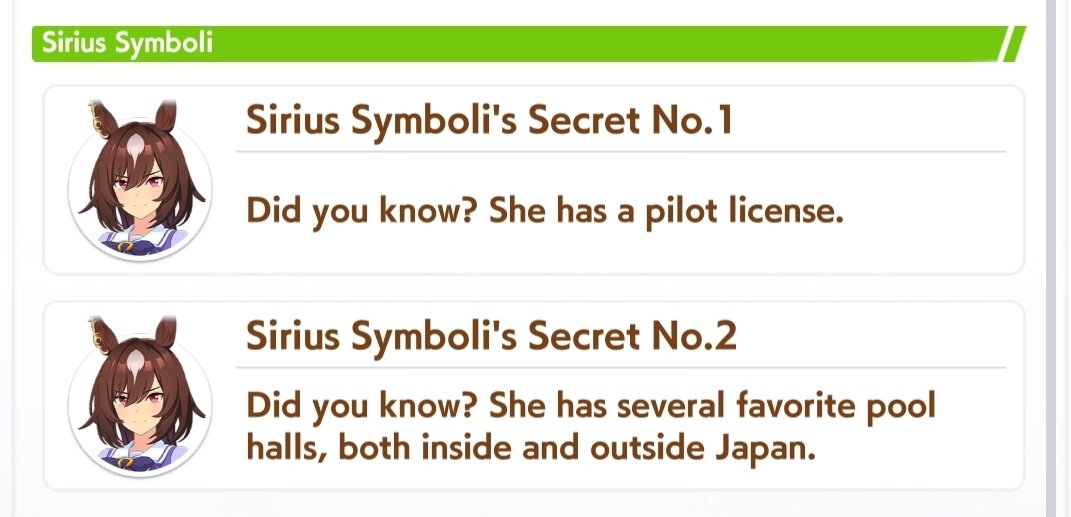
@ZavMuss @Feisgo0 @Cafe_shadowxp24 En uno de los secretos de mayano, pone que una vez manejo el avión de su padre sin que el se de cuenta.
Español

Me preocupan menos los loliconers que los que dicen que todas las umas son menores de edad
Español
@WardRicardo Y actualmente la VKS está en racha 3 días con bajas de aeronaves.
Español
@WardRicardo El 24 de febrero de 2022 me habría esperado que la campaña aérea rusa hubiera sido como la de desert storm ante la superioridad numérica y de calidad de la VKS pero en la práctica están inoperantes más allá de su aviación estratégica de largo alcance.
Español

@Cbet0 @danieloso Esta es nueva negar los logros del programa espacial americano pero los del soviético por alguna razón si valen
Qué tal le fue al cohete N-1?
Español

@danieloso 😅 en realidad fue por su película de El Resplandor. El ejército rojo y los cosmonautas soviéticos fueron totalmente reales, mención especial para Laika 🐕.
Español
Ayer se quejaban mucho de las malas transmisiones de la NASA, y sí, eran chafonas, pero hay montón de material que apenas van a ir publicando, incluso está en proceso un documental.
TJ Cooney 🚀@TJ_Cooney
Artemis II launch from the tower in slow motion
Español
@Feisgo0 @Cafe_shadowxp24 En ningún momento mencionan que mayano pilote aviones de combate
Simplemente mencionan que su papá es piloto de la JSDAF
Español

@Cafe_shadowxp24 Entonces mayano top gun se quedo enana porque si no recuerdo mal ella le gusta conducir jets de combate
Español

🚨Casi no lo cuentan 🔥
París, 1999. Un Su-30MKI hace una maniobra en espiral descendente en el Paris Air Show y aprieta demasiado.
La cola roza el suelo, el motor izquierdo se incendia y el avión apenas consigue ganar altura.
A unos 50 metros, ambos pilotos se eyectan. El avión se estrella segundos después.
Fue el primer accidente de un Su-30 en la historia. Los dos pilotos salieron ilesos.
Los asientos eyectables Zvezda K-36 funcionaron perfectamente a una altura a la que muchos sistemas no habrían tenido tiempo de reaccionar❤️🔁
Español