

Zibi
20.7K posts
Zibi
@ZibiS72
🇵🇱✝️ Ad Jesum Per Mariam! Per aspera ad astra!
Sitkówka-Nowiny, Polska Katılım Nisan 2020
1K Takip Edilen201 Takipçiler
"Ego sum pastor bonus, dicit Dóminus;
et cognósco oves meas, et cognóscunt me meæ."
Io 10, 14n
Español


Zibi retweetledi
The participation of Bishop Joseph Brennan of Fresno in the April 18, 2026, consecration of an Episcopal bishop raises serious questions about fidelity to Catholic doctrine and discipline and begs for Rome to address. By actively joining in the laying on of hands and reciting the ordination formula, the bishop went well beyond passive ecumenical courtesy. He took part in a rite that the Catholic Church has judged invalid for more than a century.
Pope Leo XIII’s 1896 encyclical Apostolicae Curae declared Anglican ordinations absolutely null and utterly void due to defects in both form and intention. That judgment has never been reversed and applies fully to the Episcopal Church. A Catholic bishop treating such a ceremony as if it confers the sacrament of Holy Orders publicly undermines this solemn teaching. It gives the appearance that invalid ordinations are somehow equivalent to those handed down in the Catholic Church through unbroken apostolic succession.
This action also conflicts with longstanding Church law. Both the 1917 and 1983 Codes of Canon Law prohibit active participation in the rites of non-Catholics. Co-consecration is not a permitted gesture of goodwill. It constitutes communicatio in sacris (communion in sacred things) in its clearest form, something the Church has consistently restricted to avoid confusion and false equivalence. Ecumenical guidelines allow limited, passive presence in some cases, but they explicitly exclude anything that could imply recognition of orders the Church declares null.
The broader effects compound the problem. In an age of doctrinal confusion, the visible collaboration of a successor of the apostles with a community that ordains women and holds positions sharply at odds with Catholic teaching on marriage, life, and sexuality creates scandal. It suggests to the faithful that differences about the priesthood, the sacraments, and moral truth are secondary to a vague spirit of unity. This fosters indifferentism rather than genuine ecumenism, which requires honesty about what still divides Christians.
Bishop Brennan’s decision, however well-intentioned, risks weakening the Catholic witness to the apostolic ministry entrusted by Christ to His Church. The faithful deserve shepherds who uphold the fullness of the faith with clarity, even when it means declining invitations that compromise it.
English
Zibi retweetledi
The Attributes of the Church, specifically authority, infallibility, and indefectibility, constitute essential characteristics bestowed by Christ upon His Church, ensuring its divine mission of teaching, sanctifying, and governing the faithful until the end of time. These attributes are rooted in Sacred Scripture, particularly Matthew 16:18–19 and Matthew 28:18–20, and are expounded in the Church’s Tradition and Magisterium.
The Church possesses supreme spiritual authority, conferred directly by Our Lord Jesus Christ. This authority encompasses the power to teach doctrine, enact laws for the governance of the faithful, and administer the sacraments. It is exercised through the hierarchy established by Christ: the Pope as successor of St. Peter and the bishops in union with him.
This authority is symbolized by the Keys of the Kingdom given to St. Peter (Matthew 16:19) and the command to “make disciples of all nations… teaching them to observe all that I have commanded you” (Matthew 28:19–20). It is not arbitrary but divinely delegated, enabling the Church to bind and loose, to declare truths of faith and morals, and to guide souls toward salvation. In practice, this manifests in the ordinary and universal Magisterium, canon law, and the pastoral governance of the Church.
Infallibility is the supernatural charism by which the Church is preserved from error when she teaches definitively on matters of faith and morals. This protection is not due to human wisdom but to the assistance of the Holy Spirit, whom Christ promised would “guide you into all the truth” (John 16:13).
Infallibility operates in two primary ways:
Papal Infallibility: When the Roman Pontiff speaks ex cathedra (from the chair of Peter), defining a doctrine concerning faith or morals to be held by the whole Church, he possesses the same infallibility with which the divine Redeemer endowed His Church.
The Infallibility of the College of Bishops: When the bishops, in union with the Pope, teach a doctrine as definitively to be held, either in an ecumenical council or through the ordinary universal Magisterium.
This attribute ensures that the Sacred Deposit of Faith remains intact and is authentically transmitted across generations.
Indefectibility refers to the Church’s perpetual endurance and preservation in her essential constitution and mission. Established by Christ upon the rock of Peter, the Church “will not be overcome by the gates of hell” (Matthew 16:18). She will never defect from the true faith, cease to exist, or be replaced by another institution as the means of salvation.
This attribute guarantees that, despite periods of trial, internal weakness, or external persecution, the Church will remain visibly one, holy, Catholic, and apostolic until the Second Coming of Christ. It does not imply that every member or every leader will be free from sin or error in their personal conduct, but that the Church as a divine institution will never lose her identity or her salvific purpose.
These three attributes are intimately connected: authority is exercised infallibly in doctrinal matters and is indefectibly preserved until the consummation of the world. They underscore the Catholic conviction that the Church is not merely a human organization but the Mystical Body of Jesus Christ, sustained by divine promise. "The Church is not a continuous phenomenon through history, rather, it is something that has been through a thousand Resurrections after a thousand crucifixions. The bell is always sounding for its execution which, by some great power of God, is everlastingly postponed" (Venerable Fulton J. Sheen).

English
@Bartek_1990 Lb 6,24-26: „Niech cię Pan błogosławi i strzeże. Niech Pan rozpromieni oblicze swe nad tobą, niech cię obdarzy swą łaską. Niech zwróci ku tobie oblicze swoje i niech cię obdarzy pokojem.” Amen 🙏
Polski


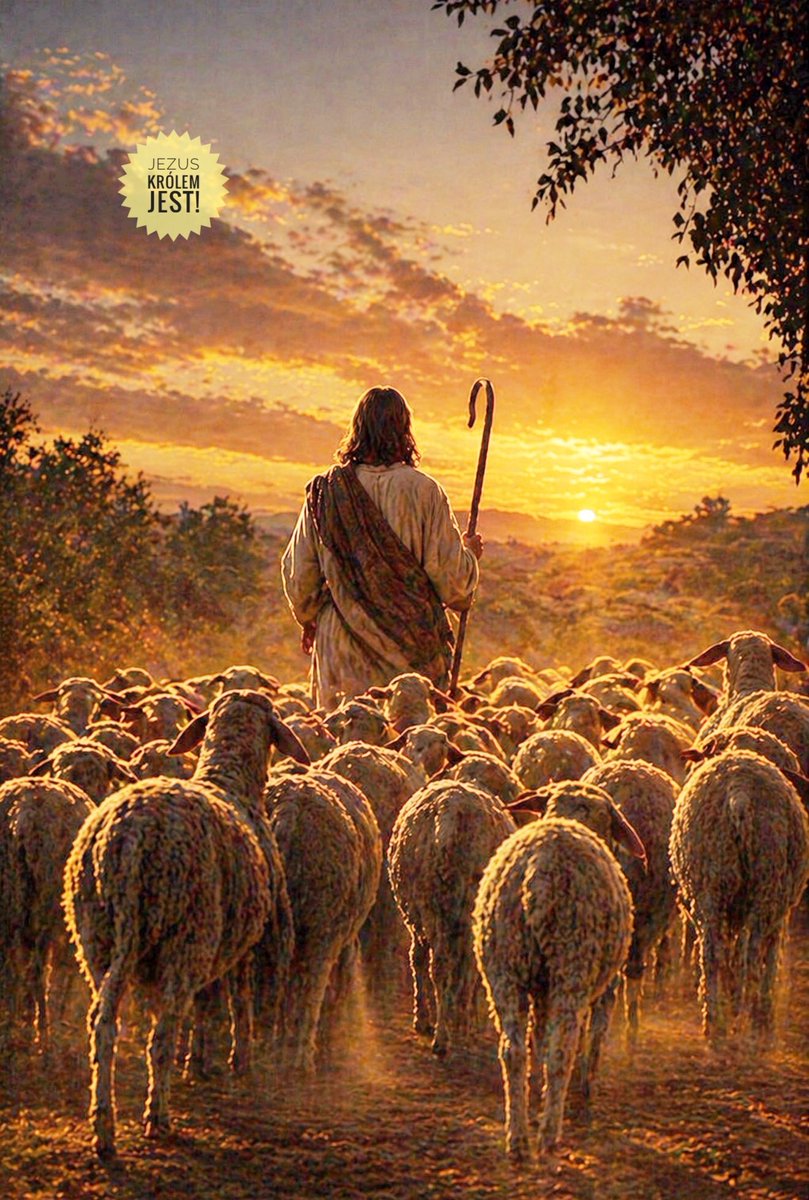
„Pan jest moim pasterzem,
niczego mi nie braknie,
pozwala mi leżeć na zielonych pastwiskach.
Prowadzi mnie nad wody, gdzie mogę odpocząć,
orzeźwia moją duszę”.
(Ps 23,1-3)
Polski

Per carità, chiedo una preghiera, anche breve, per Samuel, un vicino di casa, portoghese di 32 anni, che si è appena tolto la vita.
Senza alcun preavviso o spiegazione apparente.
Grazie e che il Signore vi ricompensi.
Ave Maria...

Italiano

My grandma just died, please pray for her 😢
English
Zibi retweetledi
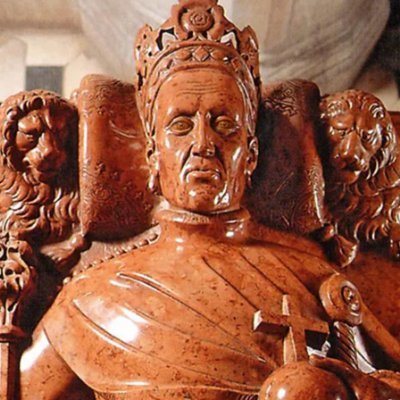
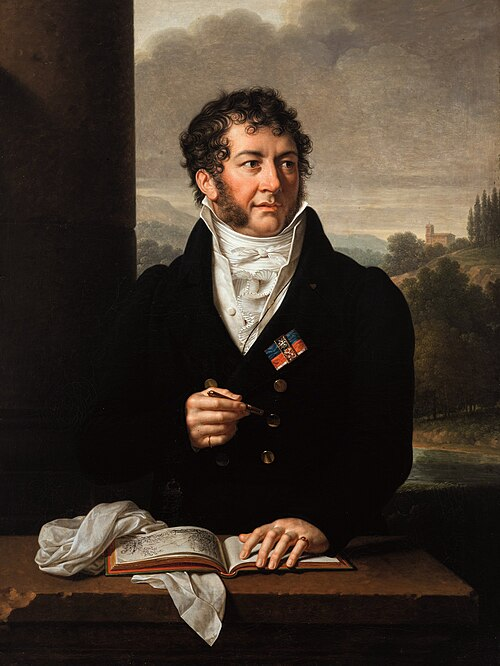
The French organization Musique et Spoliations announced the discovery of a violin made by Antonio Stradivari - Stradivarius - in 1719, stolen by German Nazis from Warsaw in 1944. Its owner was, among others, the eminent composer Prince Michał Kleofas Ogiński.
🎼🎻🇵🇱📜🛡️
English

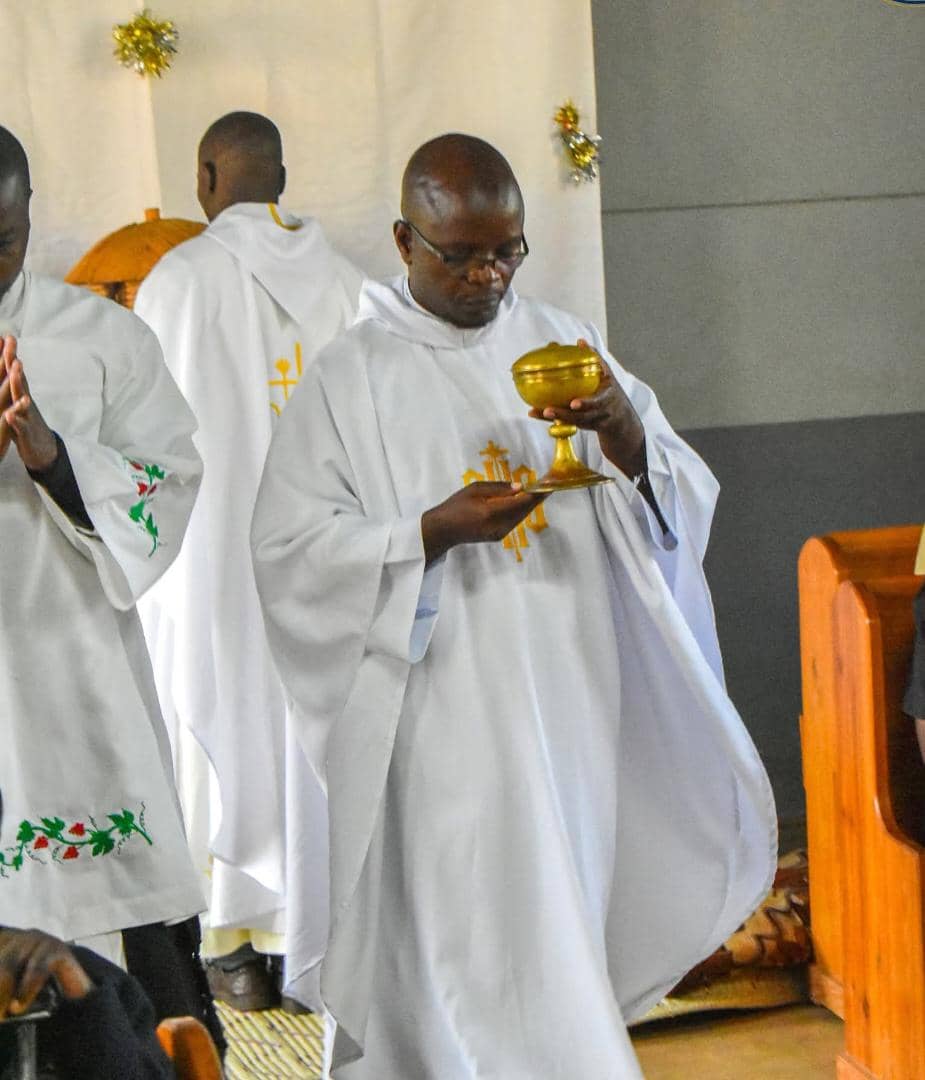
You may write your intentions below. I will take them up for Monday morning Mass.
English
@patrykCza_CSsR A Jezus chce panować tam, gdzie panuje Szatan, czyli mamy pełną symetrię.
Polski
„Szatan chce panować tam, gdzie mieszkał Jezus”.
— Kardynał Pizzaballa

Polski
„O łaskach Pana będę śpiewał na wieki,
Twą wierność będę głosił moimi ustami
przez wszystkie pokolenia.
Albowiem powiedziałeś:
«Na wieki ugruntowana jest łaska»,
utrwaliłeś swą wierność w niebiosach”.
(Ps 89,2-3)
Polski
@MarekJanPytko @piotr_piet82489 Za Ojczyznę naszą Polskę, za Polaków tych żyjących i tych, którzy już odeszli do wieczności. Amen 🙏
Polski
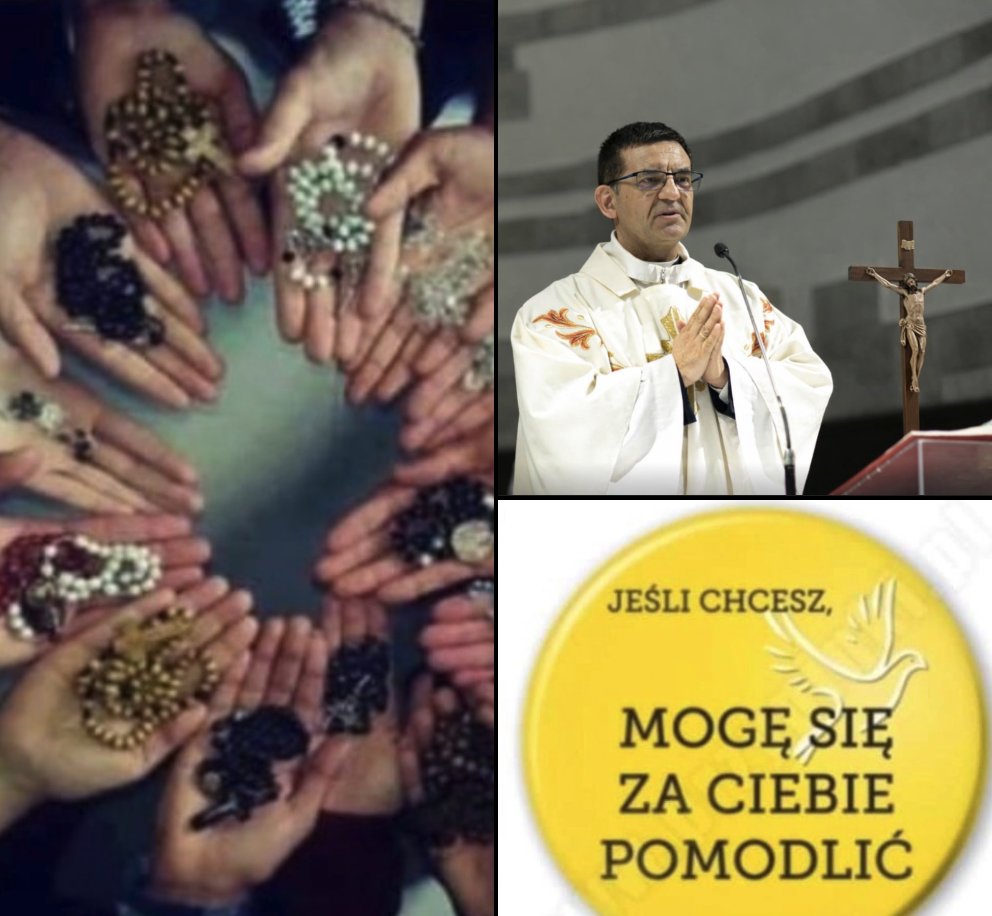
Drodzy Przyjaciele, Siostry i Bracia,
przyjmuję intencje modlitewne na Mszę św., którą będę odprawiał, w najbliższy poniedziałek od godz. 15.oo.
Proszę także zjednoczyć się z ofiarą tej Mszy - choćby jedną 10tką Różańca św., zarówno w intencjach własnych jak i wszystkich pozostałych osób, aby wspólne łaski z Nieba były jeszcze większe i bardziej owocne!
Módlmy się Wszyscy z Determinacją i żywą Wiarą! JEZUS jedynym PANEM i KRÓLEM naszym JEST!
Błogosławię !+
Polski
"Qui mandúcat meam carnem et bibit meum sánguinem
in me manet et ego in eo, dicit Dóminus."
Io 6, 56
Català

@patrykCza_CSsR Chłopie weź ty zacznij się uczyć jeśli chcesz być dobrym kapłanem…. A nie głupoty wypisywac na X…
Kościół nie udziela Łaski. Bóg udziela łaski. Kościół jest miejscem gdzie wierni mogą ją przyjmować np. W sakramentach
Polski
Protestancie, jeżeli otrzymałeś łaskę od Pana, to z pewnością dzięki Kościołowi katolickiemu!

Polski