Zimbabwe Economic Review

6.7K posts

Zimbabwe Economic Review banner
Zimbabwe Economic Review

Zimbabwe Economic Review

@ZimbabweReview

Energy | Infrastructure Development | Agriculture | Gvt Policies | Mining | General Economy

Zimbabwe Katılım Ağustos 2021
344 Takip Edilen18K Takipçiler
Zimbabwe Economic Review
Zimbabwe Economic Review@ZimbabweReview·
South Africa has imposed anti-dumping duties on steel imports: 74.98% on China and 20.32% on Thailand after finding they were undercutting local producers. This move not only protects South African industry but also opens a regional market gap that could benefit Zimbabwe’s Manhize Steel Plant (Dinson Iron and Steel Company). With cheaper Asian steel restricted, SADC buyers may shift to regional suppliers, positioning Manhize once at scale as a key alternative source of structural steel in Southern Africa.
Zimbabwe Economic Review tweet media
English
4
20
30
7.5K
Zimbabwe Economic Review
Zimbabwe Economic Review@ZimbabweReview·
Kariba Water Levels Rise, Boosting Power Generation Outlook. Lake Kariba is showing a notable recovery in water levels, improving prospects for hydroelectric power generation in Zimbabwe and Zambia. As of 16 March 2026, the lake level reached 478.01m (17.47% usable storage), up from 476.83m (9.18%) recorded on the same date last year. This steady rise moves the reservoir further above the minimum operating level of 475.50m, easing pressure on power production. The recovery is being driven by strong inflows across the Zambezi River system. Key upstream stations recorded significant increases compared to last year: -Victoria Falls: 3,061 m³/s (vs 965 m³/s). -Ngonye: 4,160 m³/s (vs 1,804 m³/s). -Chavuma: 3,592 m³/s (vs 2,073 m³/s). These higher flows are supporting a gradual replenishment of the reservoir, enabling more stable and efficient turbine operations at Kariba. For the power sector, this translates into: -Improved generation capacity. -Reduced pressure on load shedding. -Lower reliance on costly imports and thermal power. However, despite the positive trend, the lake remains well below full capacity (488.50m), meaning careful water management is still required. Kariba’s rising levels signal a critical recovery phase for regional electricity supply. While not yet at optimal levels, the improved inflows and storage position provide a strong foundation for more stable power generation in 2026, provided the upward trend continues.
Zimbabwe Economic Review tweet media
English
1
12
25
3.9K
Zimbabwe Economic Review retweetledi
Clarence Mwale
Clarence Mwale@MwaleClarence·
Reality and impact of the WAR on us and our small scale farmers. Our blueberries are bearing fruit although still in small volumes, but our Mange Tout and Sugar Snap peas are full on in 3 weeks! Many airlines are forced to reroute, suspend, or reduce flights. Exporting from Zimbabwe we face: • increase in air freight cost to double or triple in the short-term • war risk surcharges • limited air cargo lift • unstable schedules Global air cargo has dropped by 22% since early March.
Clarence Mwale tweet mediaClarence Mwale tweet media
English
22
32
135
18.8K
Zimbabwe Economic Review
Zimbabwe Economic Review@ZimbabweReview·
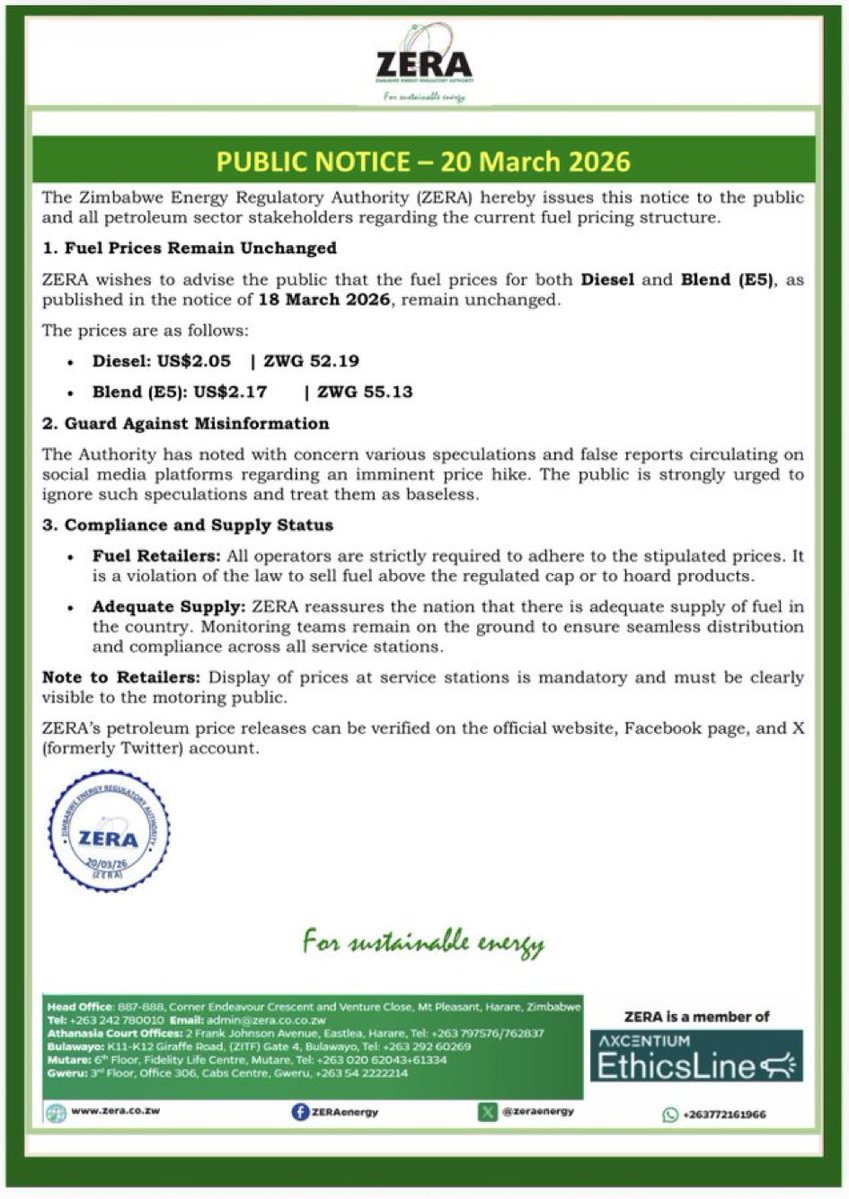
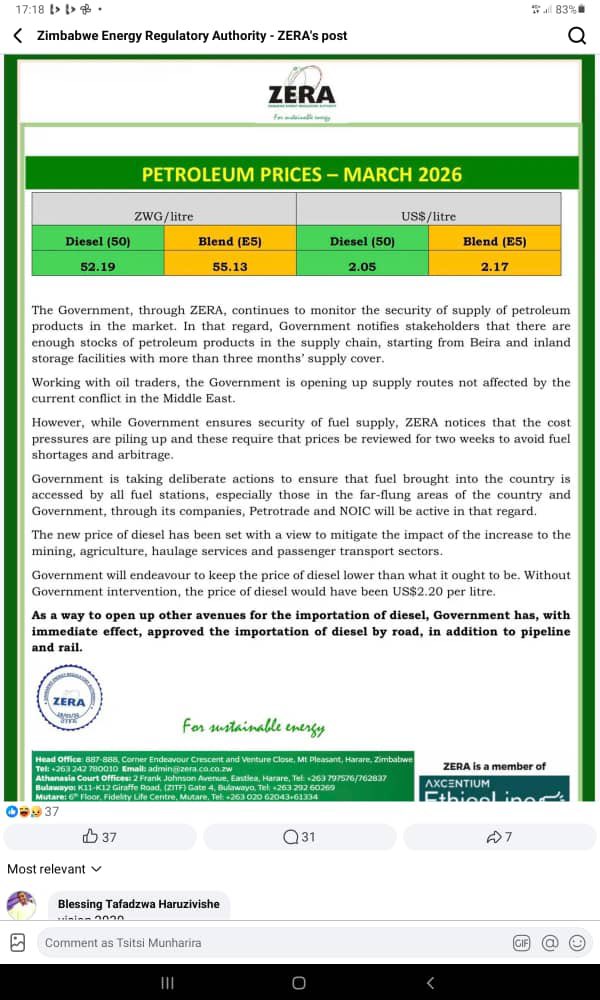
ZERA sets March fuel prices: Diesel $2.05/L, Petrol (E5) $2.17/L. Govt says supply stable (3+ months cover) but cost pressures persist—intervention keeping diesel below market (~$2.20). #Zimbabwe #EnergyEconomics
Zimbabwe Economic Review tweet media
English
2
1
1
1.6K
Zimbabwe Economic Review
Zimbabwe Economic Review@ZimbabweReview·
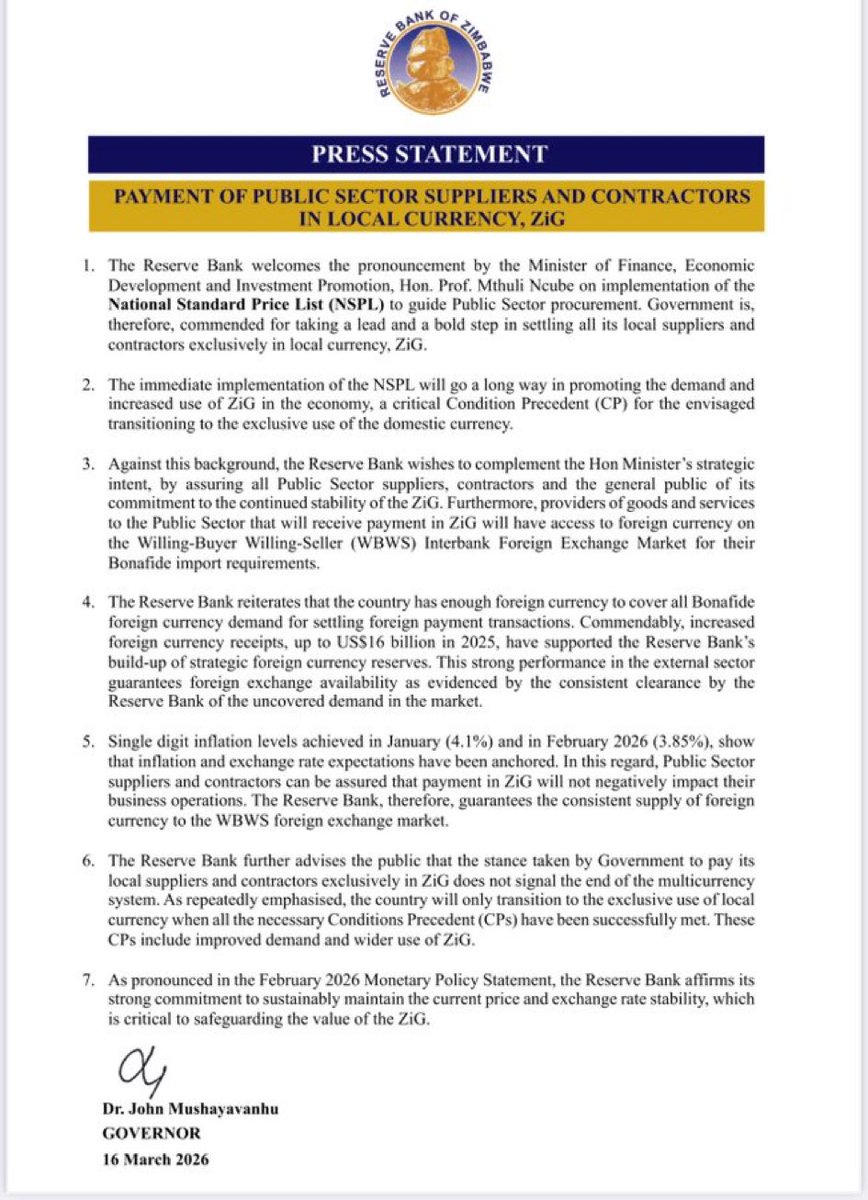
Zimbabwe to Pay Public Sector Suppliers and Contractors in ZiG to Boost Local Currency Use. The Reserve Bank of Zimbabwe announced that Government will now pay public sector suppliers and contractors exclusively in ZiG using the National Standard Price List (NSPL). The move aims to increase demand and usage of ZiG in the economy as part of steps toward strengthening the local currency. Suppliers paid in ZiG will still access foreign currency through the Willing-Buyer Willing-Seller (WBWS) interbank market for genuine import needs.
Zimbabwe Economic Review tweet media
English
20
18
43
8K
Zimbabwe Economic Review retweetledi
Tobacco Industry & Marketing Board
The Tobacco Industry and Marketing Board urges all tobacco growers to destroy tobacco stalks soon after reaping to prevent the carryover of pests and diseases into the next production season. Growers are strongly encouraged to use methods that uproot the entire tobacco plant, including its roots. Simply cutting or slashing tobacco stalks is not recommended because it will lead to shoot regrowth. This regrowth can also become a breeding ground for pests and diseases while also draining valuable soil nutrients that should be preserved for the next crop. #CropProtection #soilhealth #pestcontrol #tobacco #farming #tips #SustainableFarming #trendingnow #morning #leaf #Marketing #success #agriculture #earnings
Tobacco Industry & Marketing Board tweet mediaTobacco Industry & Marketing Board tweet mediaTobacco Industry & Marketing Board tweet media
English
0
7
8
1.3K
Zimbabwe Economic Review retweetledi
Tobacco Industry & Marketing Board
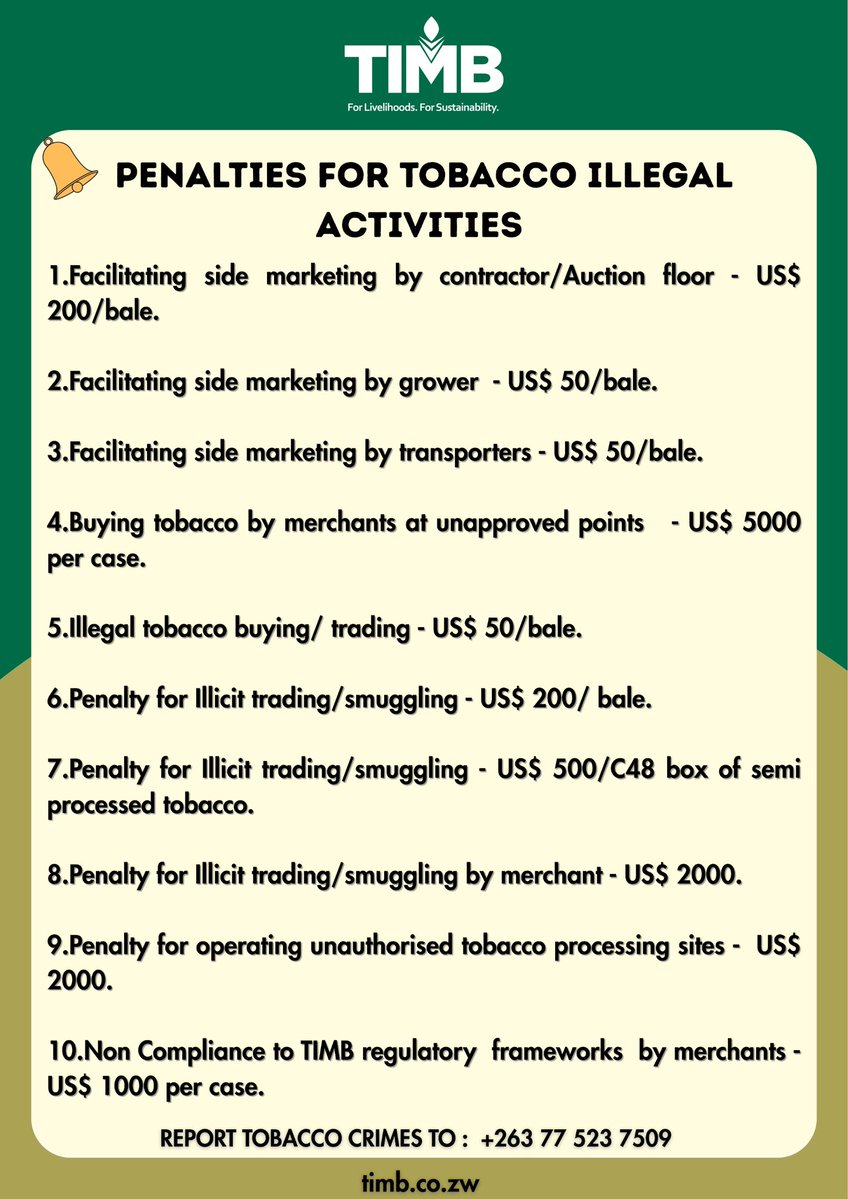
Growers are reminded that all self-financed tobacco must be sold at an auction floor of their choice, while contracted tobacco must be sold to the financing contractor. May we all be advised that it is illegal to buy tobacco without a buyer’s license, and such activities must be reported to TIMB. Side marketing undermines the integrity of the industry and has negative consequences for the economy. Report all illegal tobacco activities to TIMB on 0773237509
Tobacco Industry & Marketing Board tweet media
English
0
7
8
1.3K
Zimbabwe Economic Review
Zimbabwe Economic Review@ZimbabweReview·
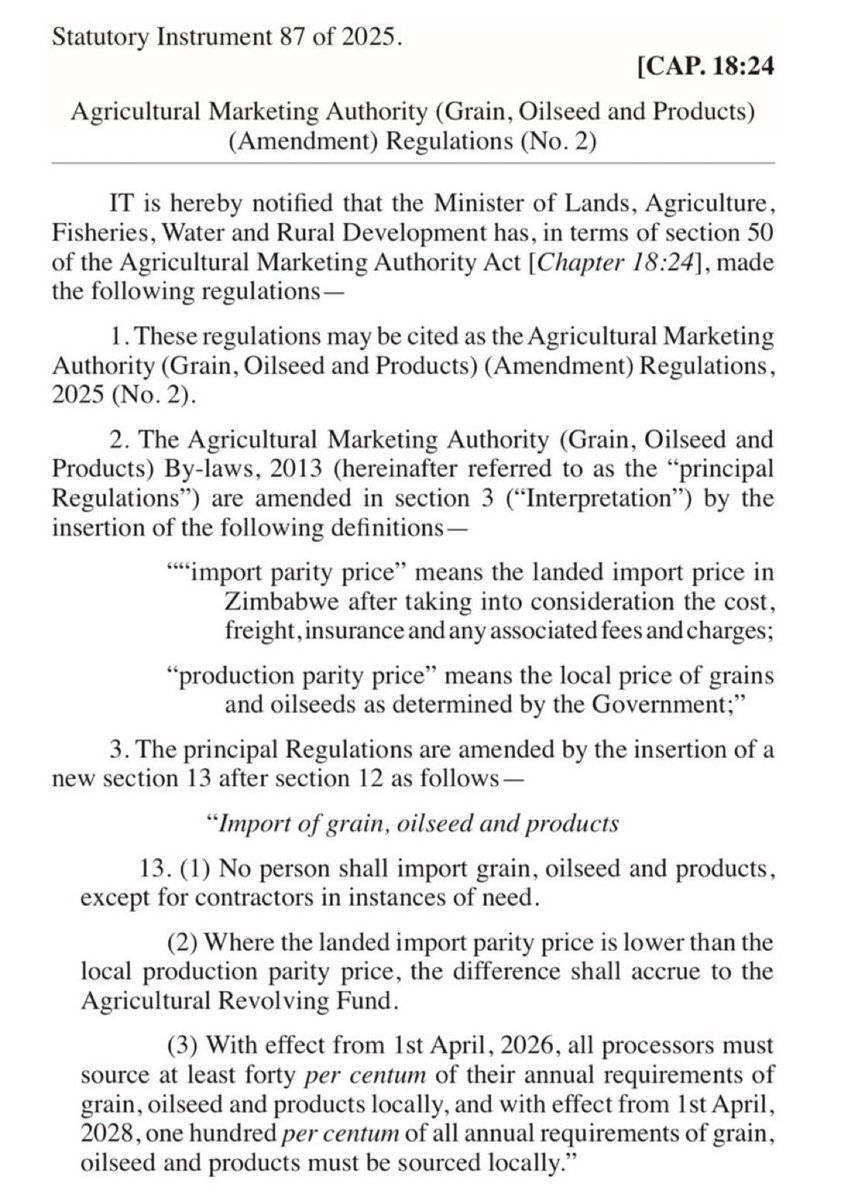
Agricultural Import Rules About to Take Effect in Zimbabwe Statutory Instrument 87 of 2025 is now setting the stage for major changes in Zimbabwe’s grain and oilseed market. The new regulations mean tighter control over the importation of grain, oilseed and related products. Going forward, imports will only be allowed in cases of need. Where imported products land in Zimbabwe at a price lower than the local production parity price, the difference will go to the Agricultural Revolving Fund. Most importantly, this policy is about to start affecting processors directly. From 1 April 2026, all processors will be required to source at least 40% of their annual grain, oilseed and related product requirements locally. From 1 April 2028, that requirement will rise to 100% local sourcing. This shows that Zimbabwe is moving strongly to protect local producers, promote domestic farming, and reduce dependence on imports.
Zimbabwe Economic Review tweet media
English
10
24
33
10.9K
Zimbabwe Economic Review retweetledi
Tobacco Industry & Marketing Board
Kune varimi vefodya munozviziva here kuti kana musina kugutsikana nemutengo wapihwa fodya yenyu nekuti wakanyanya kudzika, mune kodzero yekuramba mozotengesa gare gare kana rimwe zuva kuti muwane wakakwirira. TIMB inoramba ichikurudzira kuti muzive kodzero dzenyu uye nzira inotengeswa nayo fodya kuma tobacco sales floors.
Tobacco Industry & Marketing Board tweet media
5
5
6
1.3K
Zimbabwe Economic Review
Zimbabwe Economic Review@ZimbabweReview·
Zimbabwe Introduces National Standard Price List for Government Procurement. Zimbabwe has introduced a National Standard Price List (NSPL) to standardize prices for goods and services procured by government ministries, agencies, SOEs, and local authorities. The measure aims to improve value for money, reduce price inconsistencies, and strengthen transparency in public spending. It also prioritizes locally produced goods, with payments to local suppliers made in local currency. The NSPL is part of broader public financial management reforms and takes immediate effect through PRAZ guidance.
Zimbabwe Economic Review tweet mediaZimbabwe Economic Review tweet media
English
1
6
8
3.9K
Zimbabwe Economic Review retweetledi
Tobacco Industry & Marketing Board
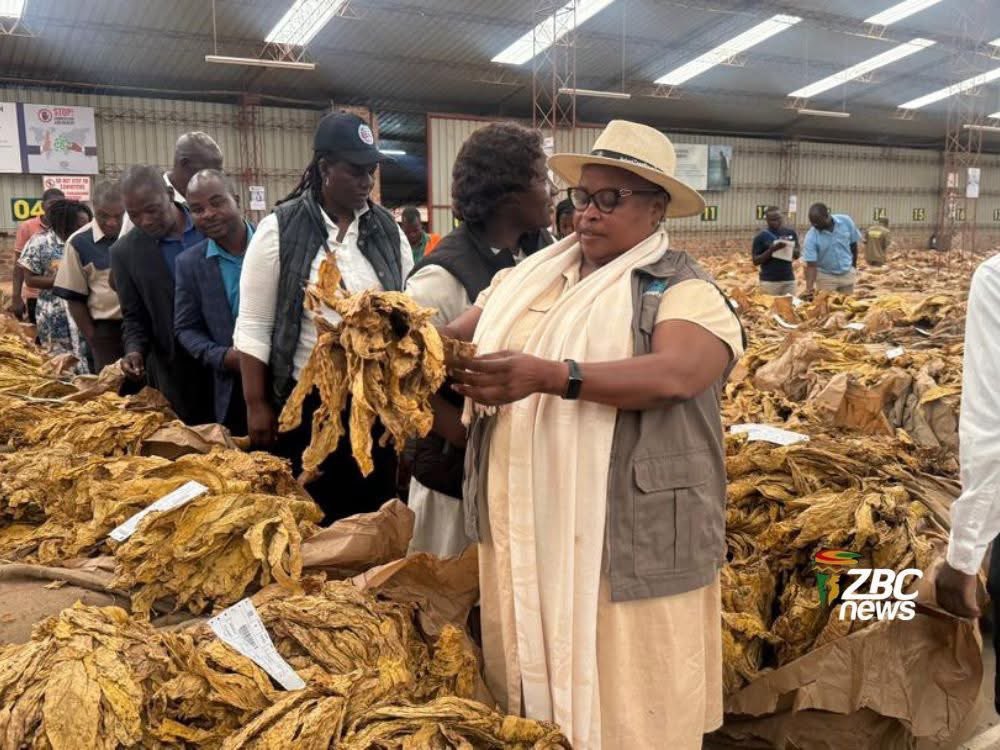
#HappeningNow | The Minister of State for Provincial Affairs and Devolution for Mashonaland West, Hon. M. Chombo, is currently touring tobacco sales floors in Karoi to appreciate the progress of the 2026 tobacco marketing season and engage with growers and stakeholders. The visit highlights government’s continued commitment to supporting tobacco farmers, ensuring smooth marketing operations, and strengthening confidence in Zimbabwe’s tobacco value chain. TIMB remains committed to ensuring that growers receive fair value for their crop. #agriculture #sustainability #tobacco #farming #profits #newsupdate #viralpost
Tobacco Industry & Marketing Board tweet mediaTobacco Industry & Marketing Board tweet mediaTobacco Industry & Marketing Board tweet mediaTobacco Industry & Marketing Board tweet media
English
0
7
13
1.4K
Zimbabwe Economic Review retweetledi
Tobacco Industry & Marketing Board
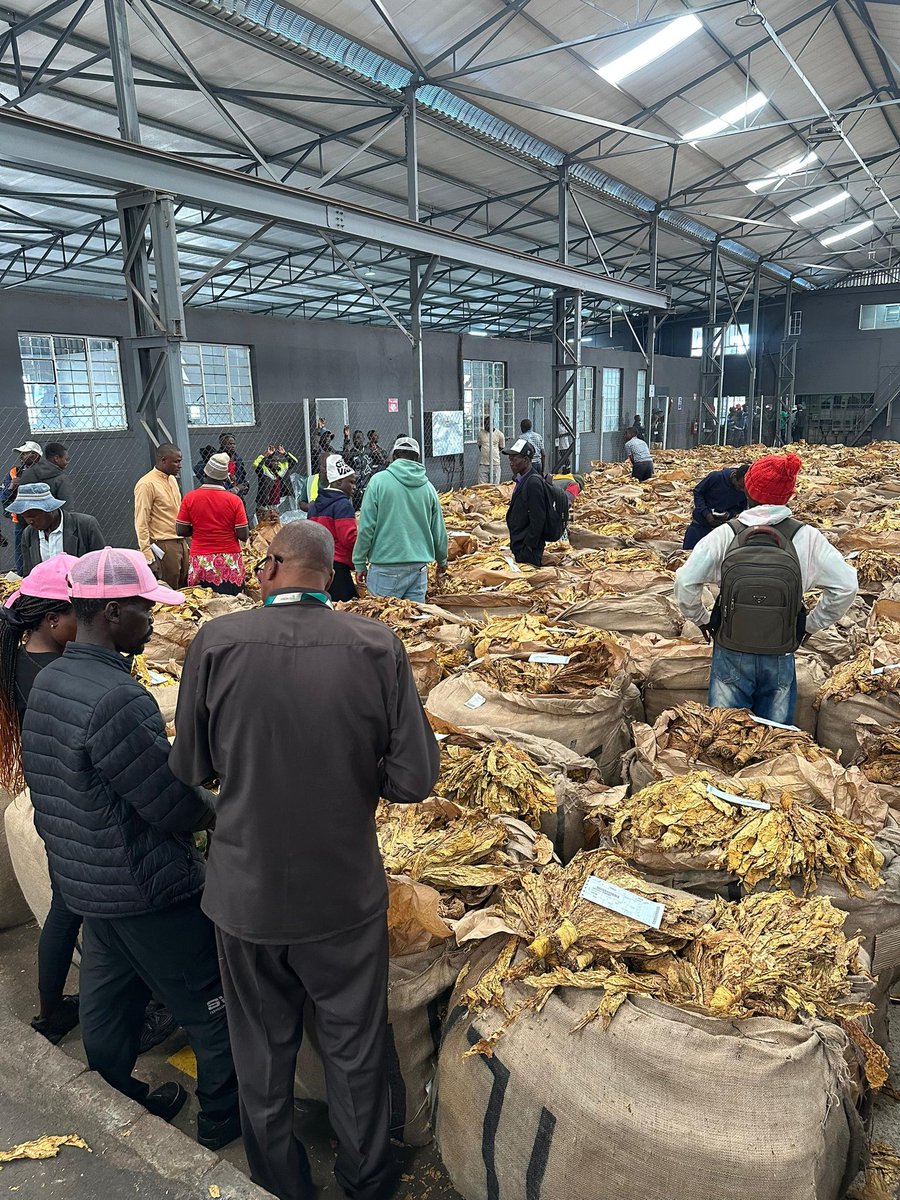
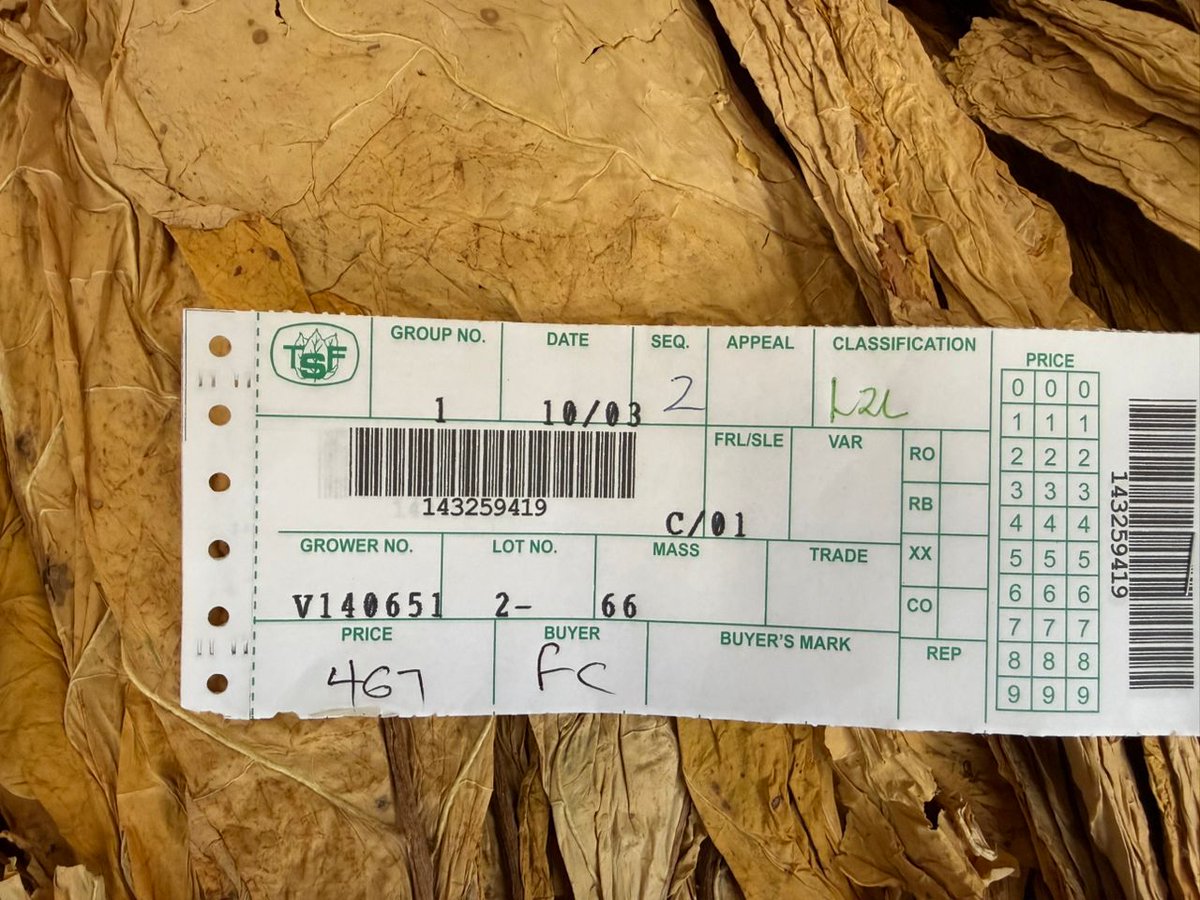
The tobacco market continues to show encouraging price improvements, and growers are fetching more favourable prices for their tobacco at auction floors.
Tobacco Industry & Marketing Board tweet mediaTobacco Industry & Marketing Board tweet mediaTobacco Industry & Marketing Board tweet mediaTobacco Industry & Marketing Board tweet media
English
2
9
14
1.6K
Zimbabwe Economic Review
Zimbabwe Economic Review@ZimbabweReview·
Zimbabwe Budget Target Rises to US$9.4 Billion. Zimbabwe has set a 2026 revenue target of approximately US$9.4 billion, representing a 17% increase from the 2025 target of US$7.57 billion, as Government intensifies efforts to strengthen tax collection and finance national development programmes. The higher revenue target forms part of broader fiscal measures aimed at supporting infrastructure development, public services, and economic growth. Source: Zimbabwe Ministry of Finance and Economic Development
Zimbabwe Economic Review tweet media
English
1
5
8
2.7K