Assaf Zinger

1.4K posts

Assaf Zinger banner
Assaf Zinger

Assaf Zinger

@ZingerAssaf

Trying to make this world a better place. Assistant Professor at the Chemical Engineering Department, Technion- Israel Institute of Technology, Israel.

Israel Katılım Ocak 2018
620 Takip Edilen1.2K Takipçiler
Sabitlenmiş Tweet
Assaf Zinger
Assaf Zinger@ZingerAssaf·
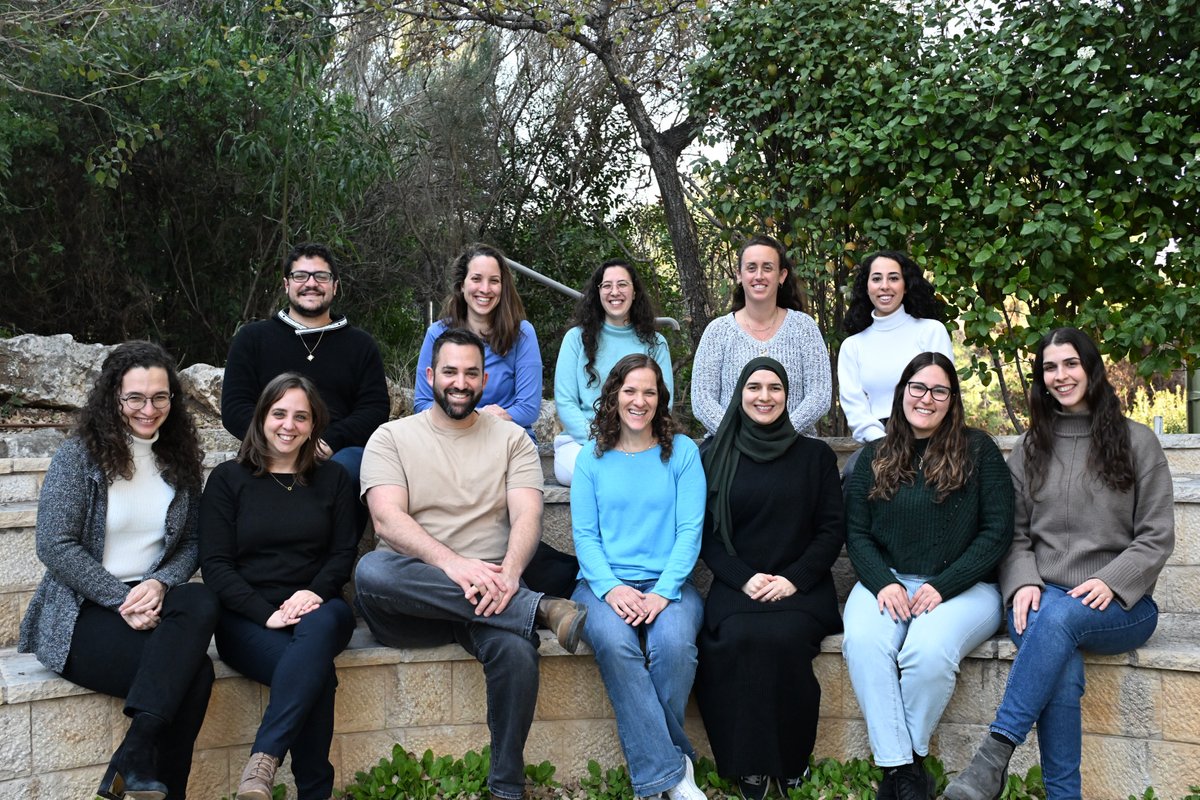
✨ Exciting start to 2026 for The Zinger Lab! Proud to share 4 new papers advancing biomimetic nanomedicine: 🔬 Endothelial-targeted defined biomimetic NPs (SMALL) Read here: lnkd.in/d33xZFDV ⚙️ How fabrication shapes NP performance (Small Methods) Read here: lnkd.in/d-PVSswe 🤰 Nanomedicine for pregnancy challenges (@natrevbioeng ) Read here: lnkd.in/d-PVSswe 🧬 Drug-free immunotherapy for TNBC (@acsnano ) Read here: lnkd.in/dv-gBKCC Led by @OfriVizenblit , @ArberSivan , Ilana Elizarov, Rawan Mhajne & Tamar Gross Lev- powered by an amazing team. 🔗 TheZingerLab.com #Nanomedicine #Biomimetics #Immunotherapy #DrugDelivery @TechnionLive @TechnionUSA @technionalumni @CRSScience @ERC_Research
Assaf Zinger tweet media
English
2
3
25
775
MulderLab
MulderLab@WillemNANO·
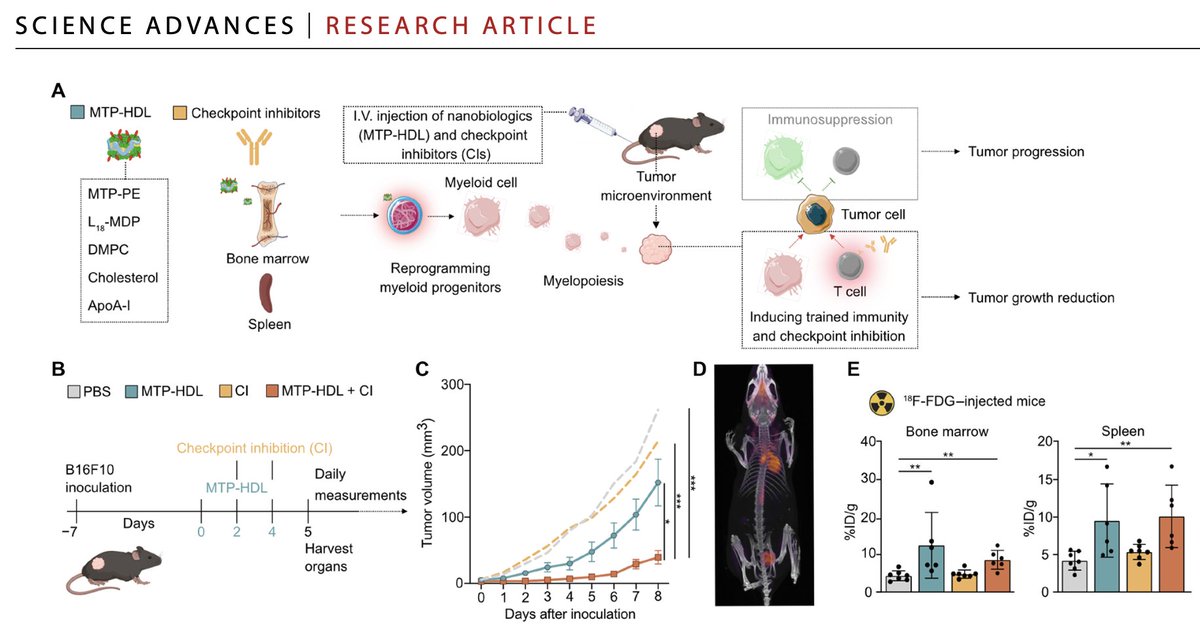
In 2016, Mihai Netea and I brainstormed about using nanomedicine to induce trained immunity in bone marrow for cancer therapy. I designed a prototype, and PhD student Bram Priem led two experimental studies. Read the latest in @ScienceAdvances: science.org/doi/epdf/10.11…
MulderLab tweet media
English
3
0
13
594
Ronit Satchi-Fainaro
Ronit Satchi-Fainaro@RSFLab·
Thrilled to share our latest study in Nature Genetics! We’ve identified a mechanism explaining how breast cancer spreads to the brain — one of oncology’s greatest mysteries. Proud of our amazing team, mainly @KathrinLaue & @SabinaPozzi. @ERC_Research @FundlaCaixa @ICRFONLINE @ISF
אוניברסיטת תל אביב Tel Aviv University@Tel_Aviv_Uni

לכתבה המלאה בYNET: ynet.co.il/health/article… למאמר המחקר בNature Genetics: nature.com/articles/s4158…

English
2
1
11
554
Assaf Zinger
Assaf Zinger@ZingerAssaf·
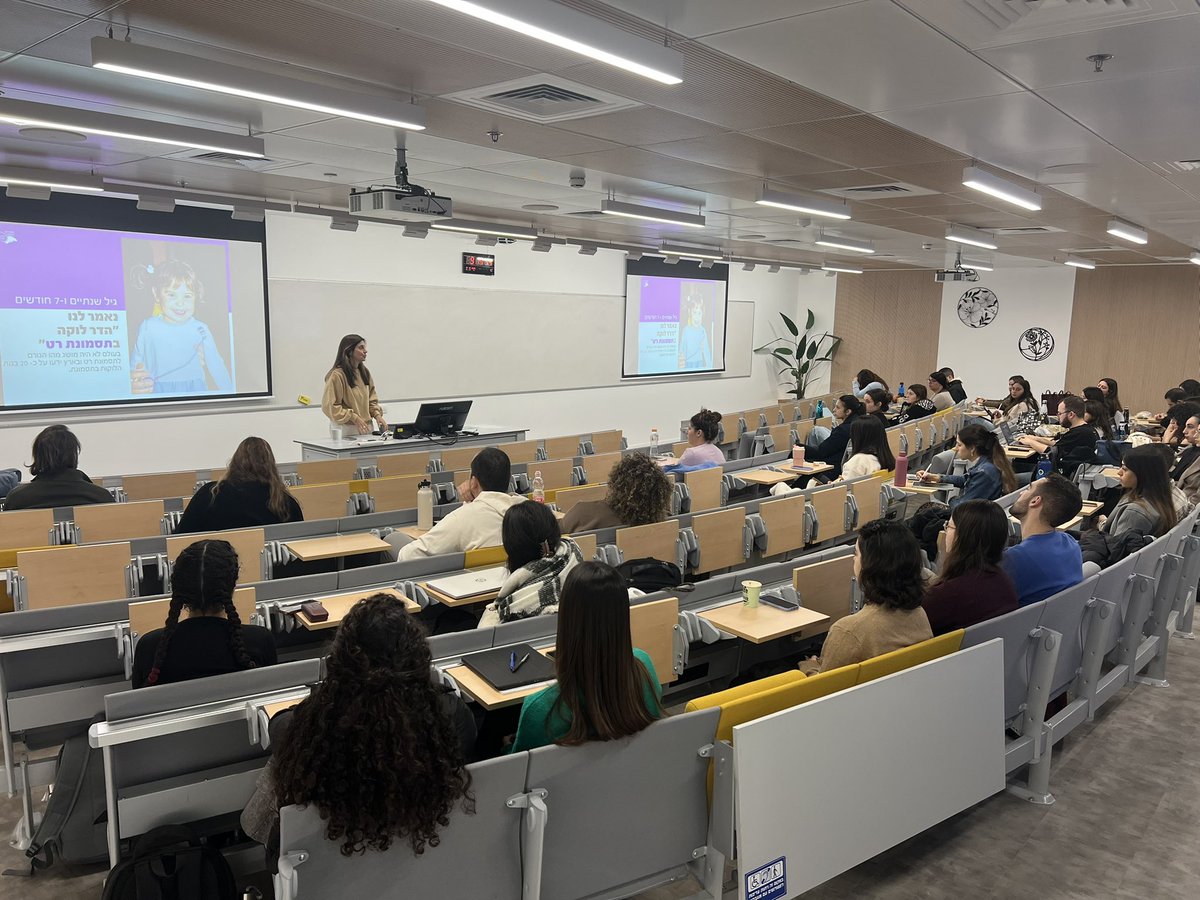
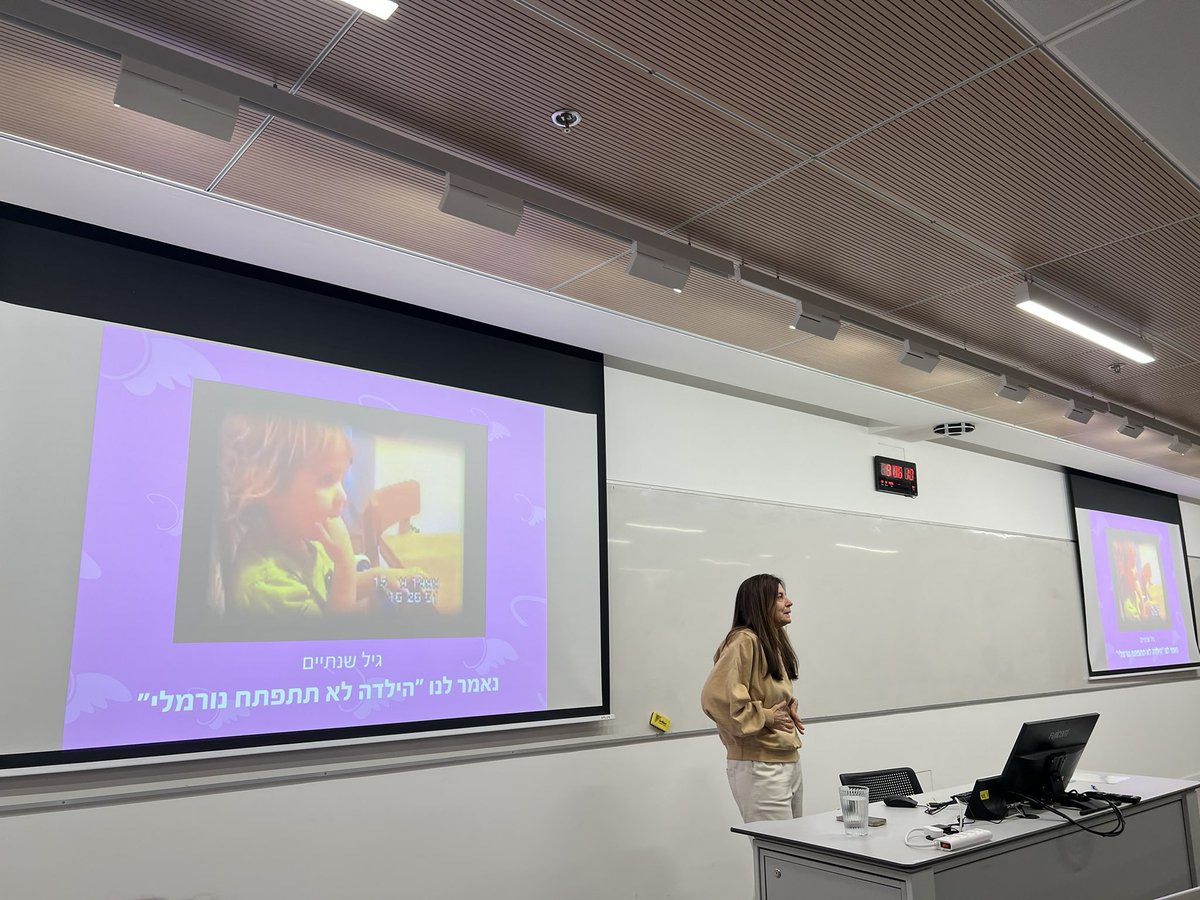
In our Bioinspired Nano-Engineering course, science becomes real when patients and families join the classroom. We were honored to host Mary-Lin Manor Sela, who shared her experience with triple-negative breast cancer. Her story transformed theory into purpose-reminding students that behind every experiment is a person waiting for better options. Every patient deserves a physician-scientist who believes a cure is possible. @OfriVizenblit @TechnionLive @ICRFONLINE @ERC_Research @lindaunobel @CRSScience
Assaf Zinger tweet mediaAssaf Zinger tweet mediaAssaf Zinger tweet media
English
0
1
3
349
Assaf Zinger
Assaf Zinger@ZingerAssaf·
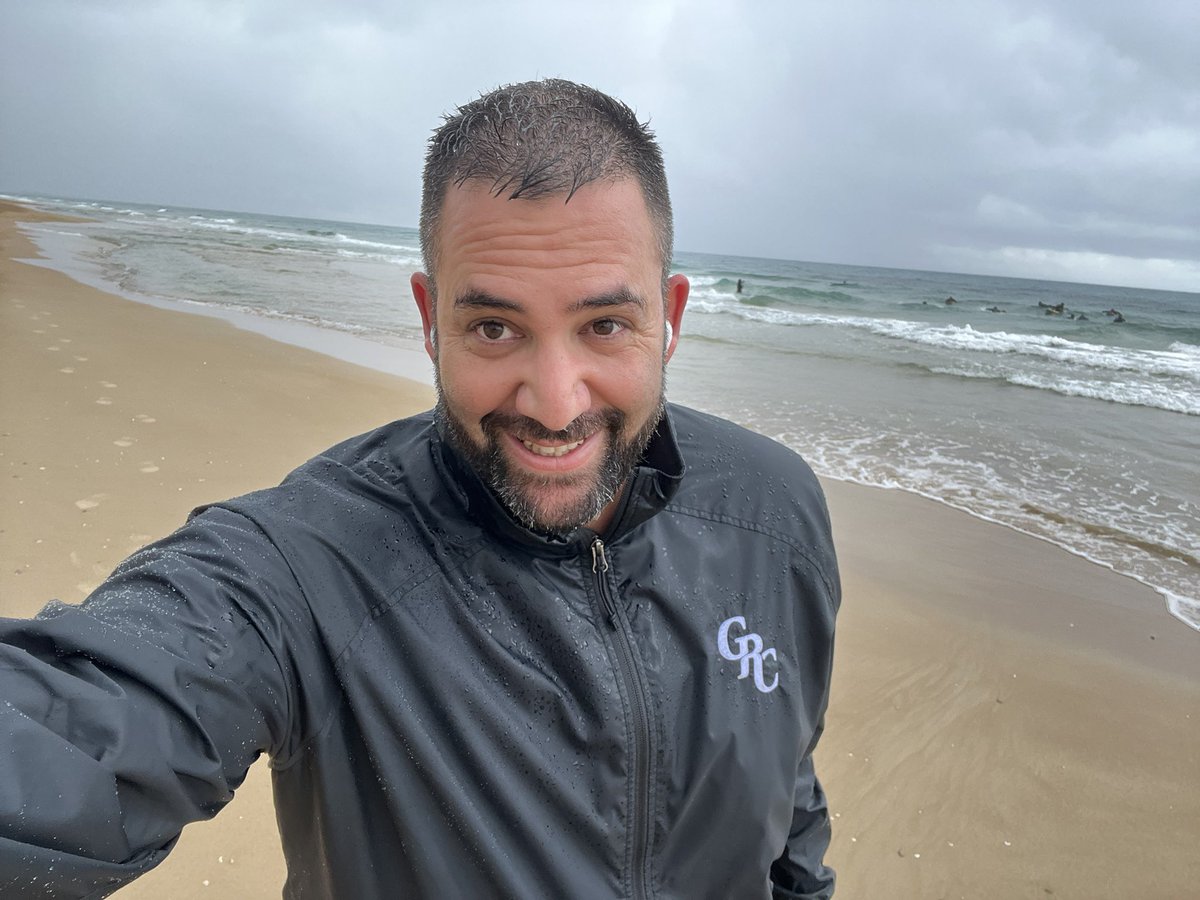
Got a raincoat from @RSFLab at 2019 after chairing the GRS. Finally used it today - turns out it’s amazing.🥰 Thanks Ronit!!!! Took me 6 years to realize Ronit’s weather foresight 🌧️🧥 @CRSScience @GlobalYAcademy
Assaf Zinger tweet mediaAssaf Zinger tweet media
English
0
0
10
354
Assaf Zinger
Assaf Zinger@ZingerAssaf·
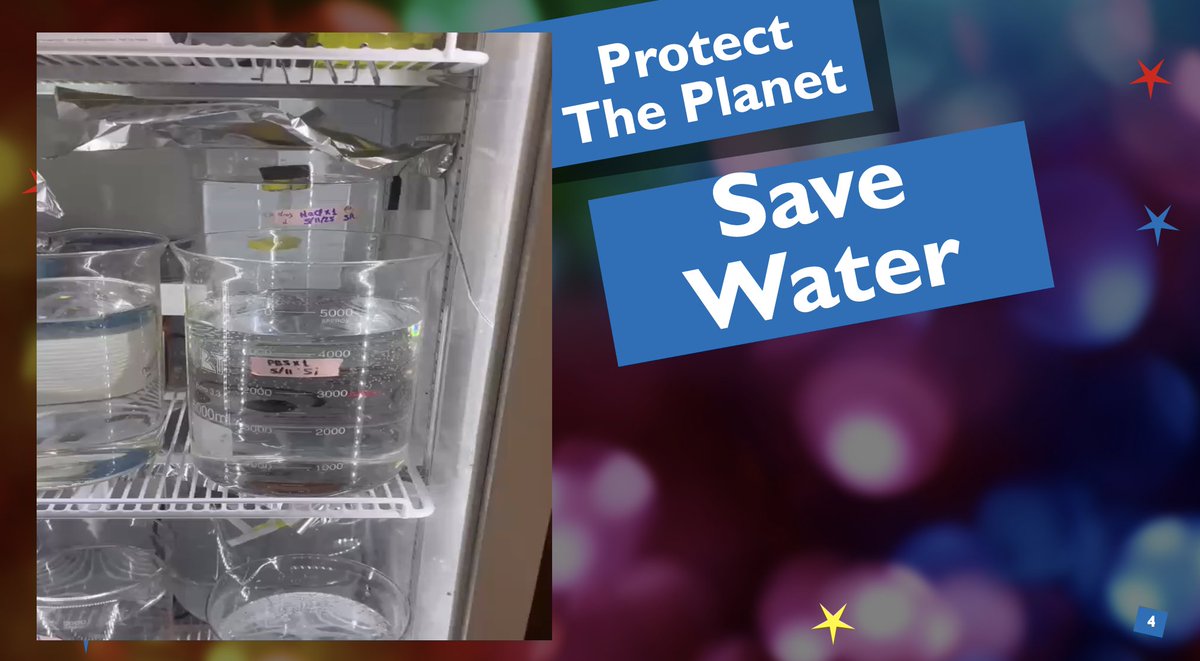
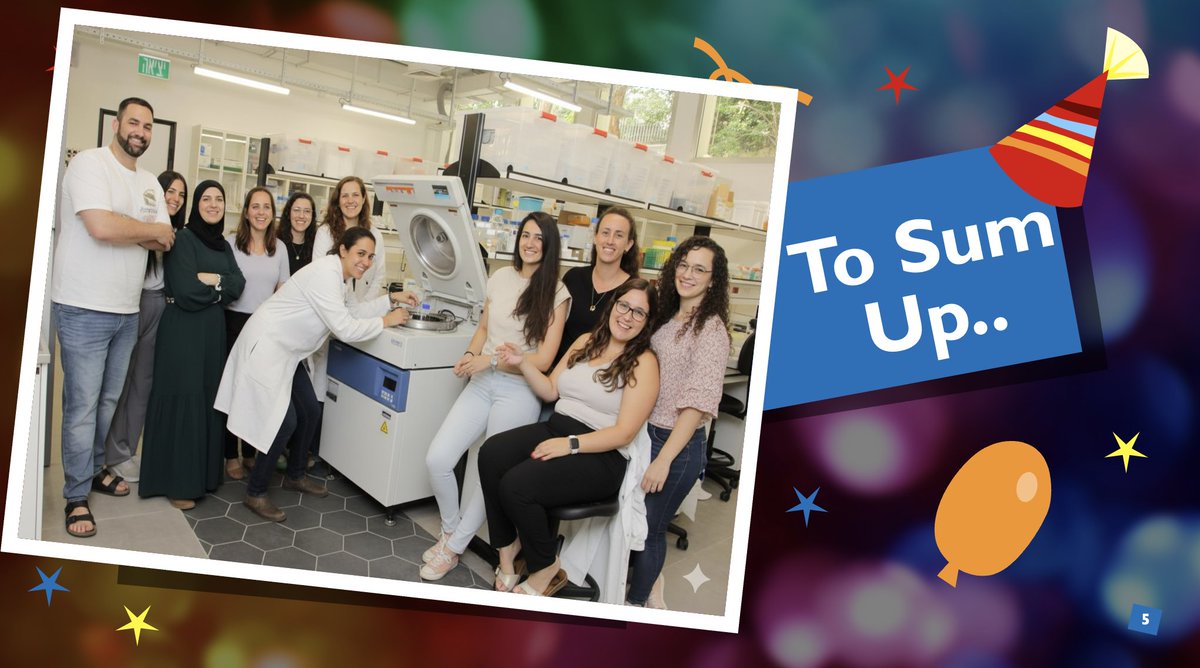
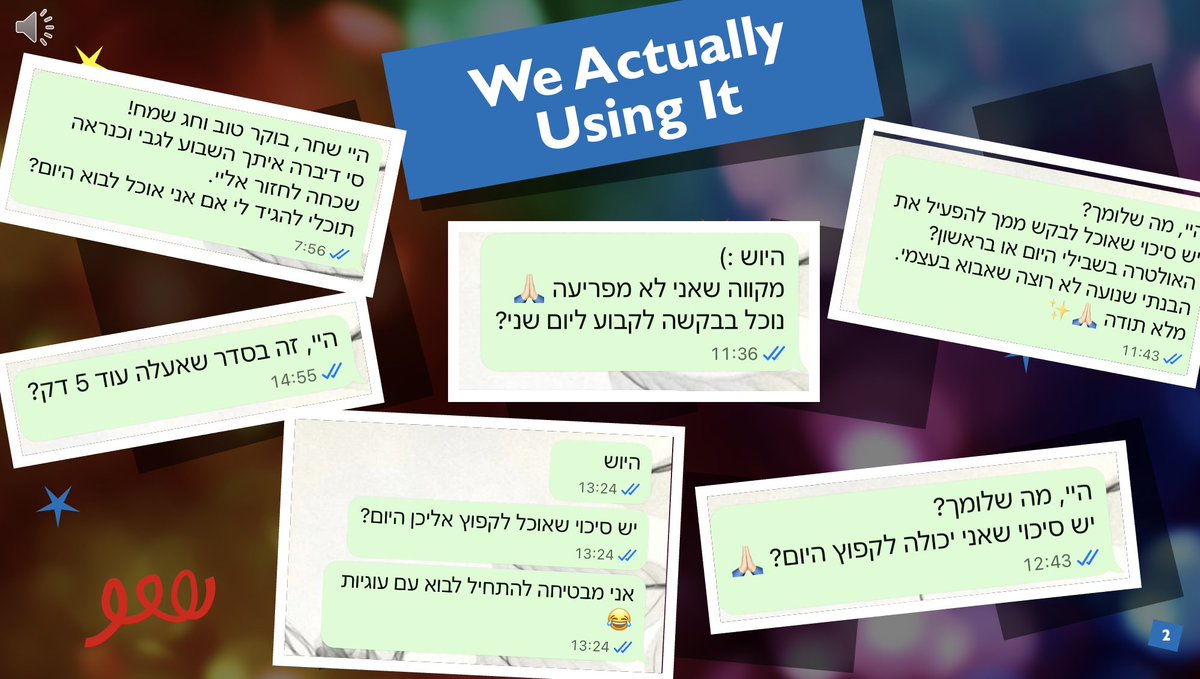
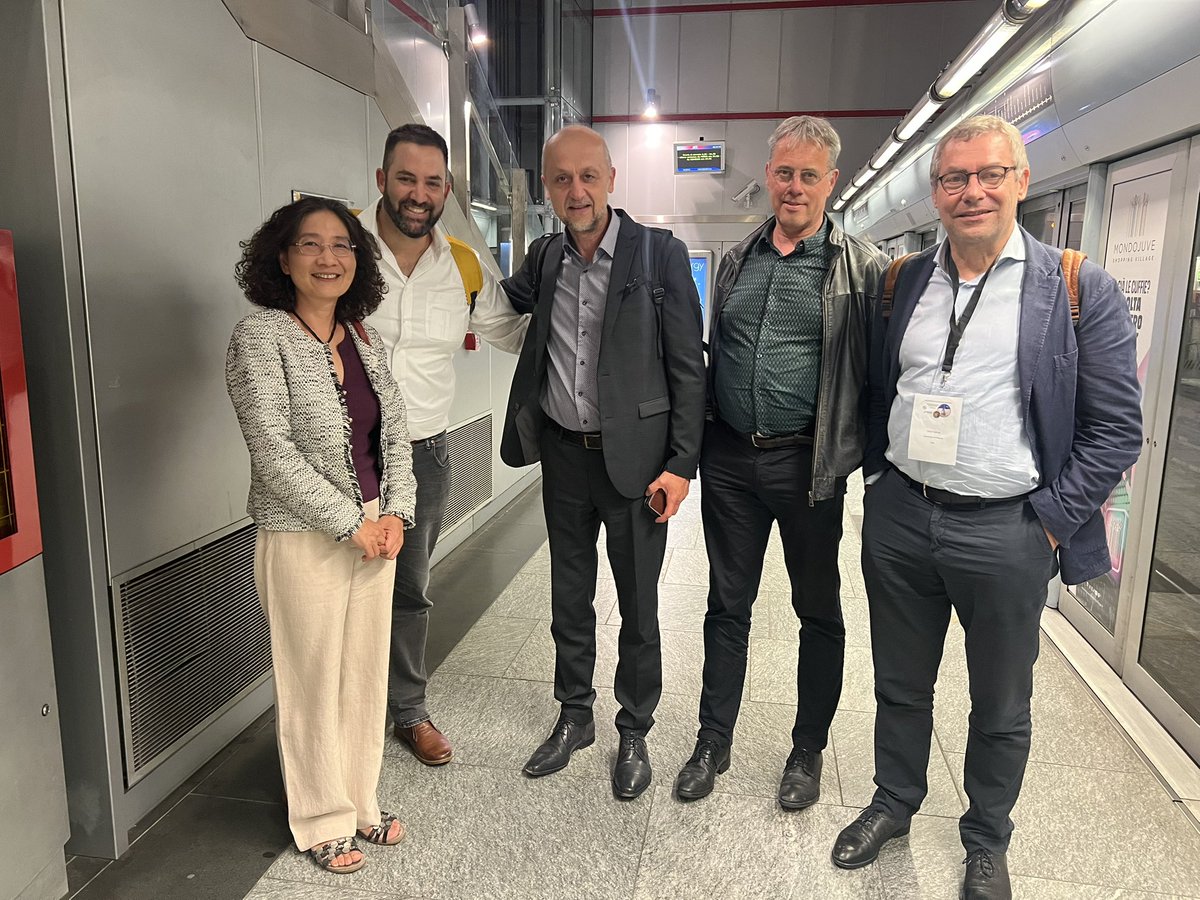
When your team really wants an ultra centrifuge and uses all the whatsapp messages and AI tools they have to try and convince you! @OfriVizenblit
GIF
Assaf Zinger tweet mediaAssaf Zinger tweet mediaAssaf Zinger tweet media
English
1
1
2
214
Pranam Chatterjee
Pranam Chatterjee@pranamanam·
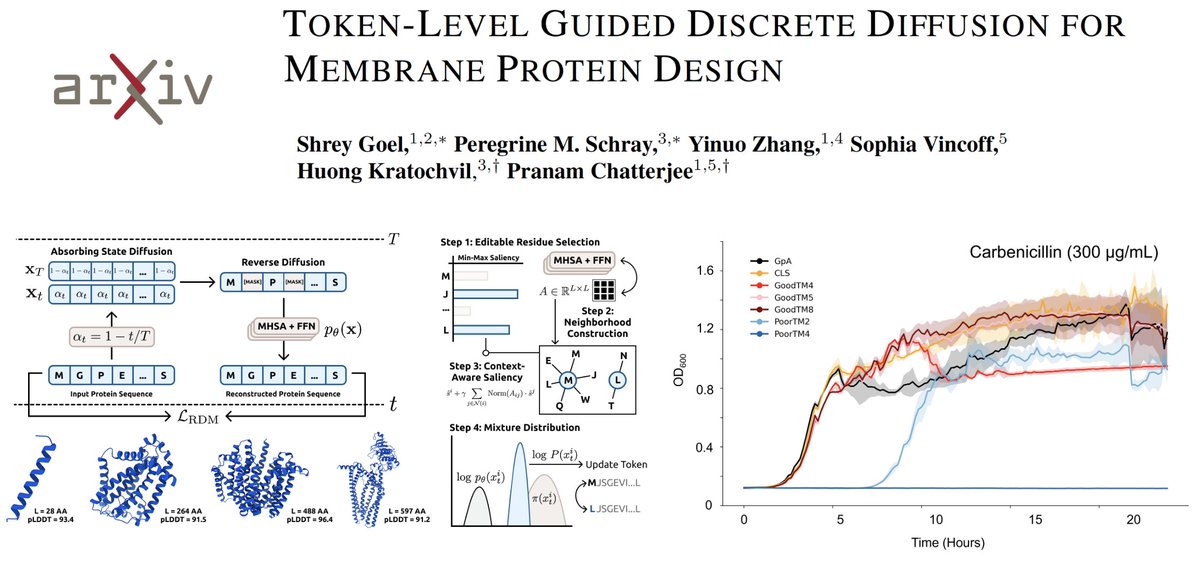
What if you could take any membrane protein and edit its residues to make it soluble or improve its properties? With our newest version of MemDLM (now experimentally validated), you can do just that! 🌟 Check it out! 👇 📜: arxiv.org/abs/2410.16735 💻: huggingface.co/ChatterjeeLab/… Last year, my innovative undergrad @__shreygoel decided to try out masked discrete diffusion models (MDLMs) on membrane proteins. The model could generate transmembrane (TM)-like sequences and scaffold motifs better than autoregressive baselines 👍, but we didn't have a way to enforce residue-level constraints during sampling. 😔 So we pivoted to Reparameterized Diffusion Models (RDMs), which replace the categorical corruption process with a convex mixture of clean tokens and noise, giving us a forward process with closed-form transitions -- works incredibly well for unconditional membrane generation! 🌟 Then came our key new innovation: Per-Token Guidance (PET). Instead of steering generation with noisy global gradients (like classifier-free or LaMBO), PET uses a classifier (i.e. solubility) to build a residue-level saliency map, ranks tokens by importance (TM-like vs. soluble), and restricts edits to the low-saliency subset. 🛞This lets us solubilize membrane proteins while preserving functional helices, with edits that are controllable, interpretable, and biologically consistent!💡 The best part, we validated MemDLM in the lab! 🧪 Perin, an uber talented grad student in @htkratochvil's lab @uncchemistry, ran TOXCAT β-lactamase assays to confirm that MemDLM-generated designs successfully insert into membranes, almost perfectly correlating to MemDLM's confidence metrics ("GoodTM" sequences enabled strong growth curves, while "PoorTM" sequences showed slower or minimal growth)!! 🤌 Just incredibly proud of @__shreygoel (only a junior undergrad!) for both the algorithmic innovations and also his natural leadership in bringing this work together! And of course, we're super grateful to @htkratochvil and Perin (experts in membrane protein biology) for the incredible collaboration -- it's been a lot of crazy and fun back-and-forth from the dry to wet labs! 🤝 We're excited to keep pushing MemDLM forward with new experiments so stay tuned! 🫡 Finally, the model is open-sourced so try it out on our @huggingface! 🤗
Pranam Chatterjee tweet media
English
4
37
218
14.6K
Emily Day
Emily Day@TheDayLab·
Delighted to share the latest @TheDayLab publication: "Cancer Cell Membrane-Wrapped Nanoparticles for Photothermal Therapy and Photoacoustic Imaging of Triple-Negative Breast Cancer" in ACS Applied Nano Materials. pubs.acs.org/doi/full/10.10…
English
2
1
23
1.2K