
Bruna
46 posts

@sarah_0Lorn @rightnowems Hi, are you still selling these tickets?
English

@rightnowems Hi! I ended up with 2 extras. If by chance you’re still looking, let me know!
English

iso: one ga ticket or two seats for olivia dean in amsterdam may 9th or june 14th!!!!!!!
English
@jessica68422 @JHamnida Hi, are you still selling your tickets? I need 2 of them( june 14th)
English

@JHamnida Hi love!! Send me a DM😭am trying to get rid off my 3x tickets as I cant attend anymore can also show the proof of purchase🩷🫶
English
Bruna retweetledi
demi has a sold out show tonight... DEMI YOU HAVE ONE JOB
Pop Crave@PopCrave
Today is Earth Day.
English
Bruna retweetledi

Bruna retweetledi

Bruna retweetledi

Bruna retweetledi

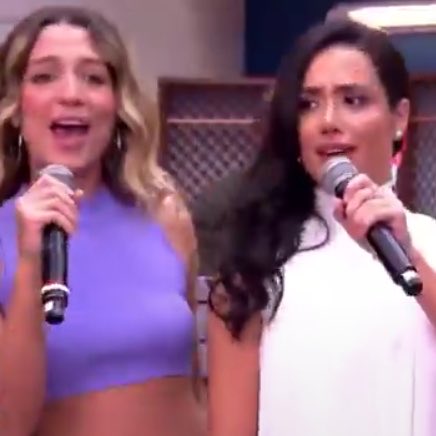
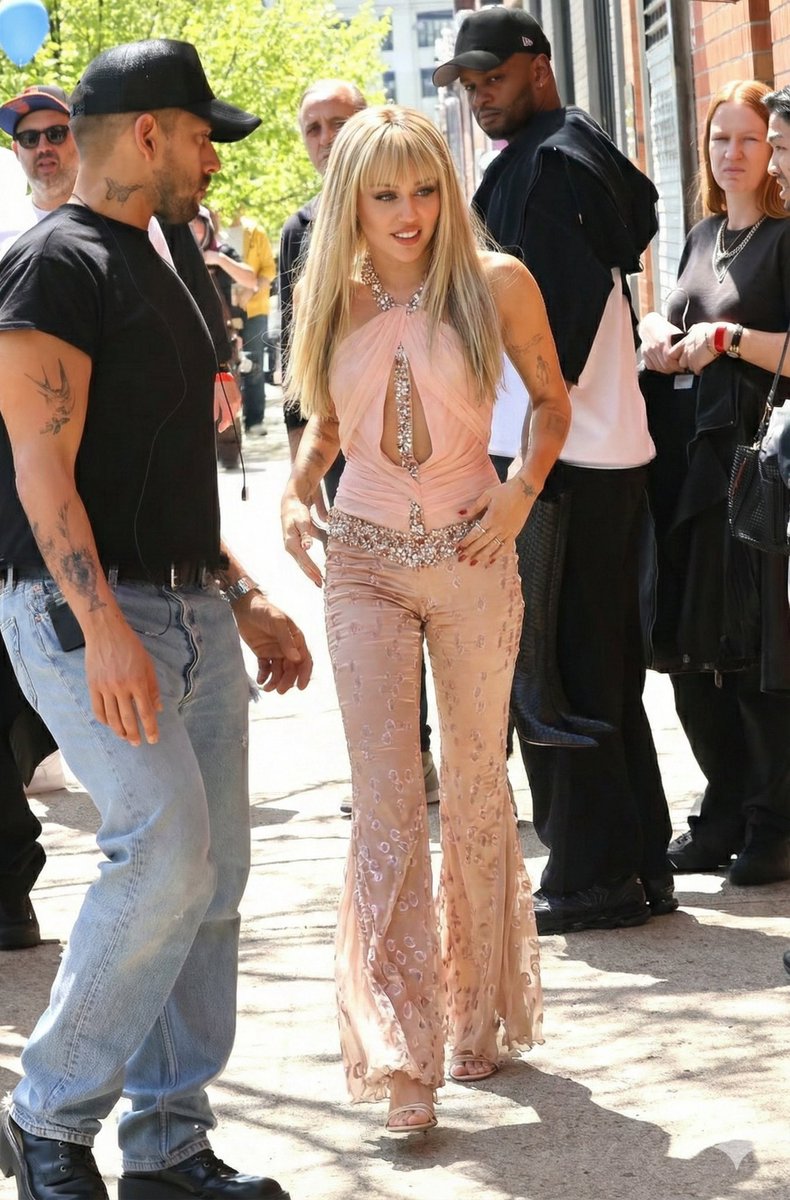
miley cyrus no palco do lollapalooza brasil vc sempre sera lembrado
Português


Why do I get the feeling women aren’t as obsessed with Harry as they once were?
Pop Base@PopBase
Harry Styles kisses Ben Marshall during SNL monologue after poking fun at queerbaiting allegations: “Now THAT’S queerbaiting.”
English
Bruna retweetledi

Bruna retweetledi
Here's another list of women in economics:
Nancy Stokey
Ellen McGrattan
Helene Rey
Claudia Goldin
Meg Meyer
Silvana Tenreyro
Stephanie Schmitt-Grohe
Marianne Bertrand
Valerie Ramey
Penny Goldberg
Rachel Griffith
Olympia Bover
Carmen Reinhart
Christina Romer
Oriana Bandiera
etc.
Alicia Gerardo@TheEconRebel
Shout out to women in heterodox economics #WomensHistoryMonth
English
Bruna retweetledi

Bruna retweetledi

Bruna retweetledi

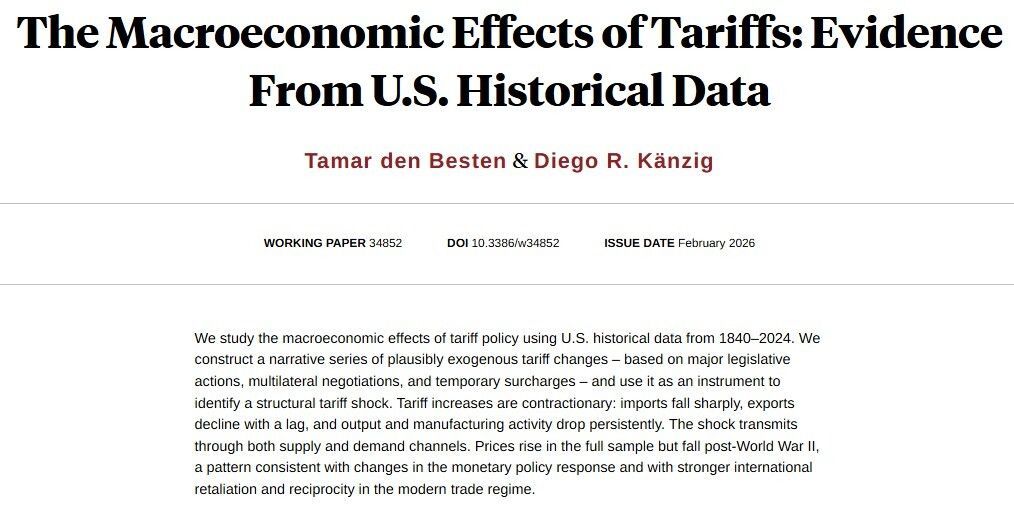
Using a new narrative series of US tariff changes from 1840–2024 to show that tariff increases reduce trade, output, and manufacturing activity, from Tamar den Besten and @drkaenzig nber.org/papers/w34852
English
Bruna retweetledi

I have recently received several DMs from both first year grad students and first year assistant professors. The link is not surprising because there is a specific kind of vertigo that comes with Year 1 of grad school and Year 1 of a professorship. It's the gap between who you think you should be and who you feel like you are in the moment, where two worlds collide:
The Imposter Syndrome: "They're going to realize I'm just guessing."
The Uncertainty: "There is no map for this, and I'm the one driving."
For all of those out there, please hear me: the first year isn't a test of your intelligence; it's a test of your endurance through the "I don't know" phase.
But I want to go further than just reassurance, because reassurance alone doesn't build anything.
That discomfort you're feeling? It's actually diagnostic information. It means you're operating at the frontier of what you know, which is exactly where you're supposed to be in a research career. The people who never feel that discomfort are often the ones playing it too safe with their questions.
And the fog doesn't just clear on its own. It clears because you do specific things: you read papers you don't fully understand and struggle through them anyway. You sit in seminars feeling lost and eventually start recognizing the shape of arguments. You write terrible first drafts and revise them into less terrible drafts. The endurance isn't just emotional, it's the endurance to keep doing the work when the feedback loop is painfully delayed.
One more thing: there actually are maps. Advisors, reading lists, established literatures, methodological frameworks. The real challenge is that nobody hands you the map. You have to go find it and figure out which one applies to your particular problem. That's a learnable skill, not a character trait.
So yes, you are not broken. But pair that knowledge with this: start building the thing you're missing. Find the map. Do the next hard read. Write the next bad draft.
The fog clears for the people who keep walking through it. I'm rooting for you.
English
Bruna retweetledi

Super interesting!
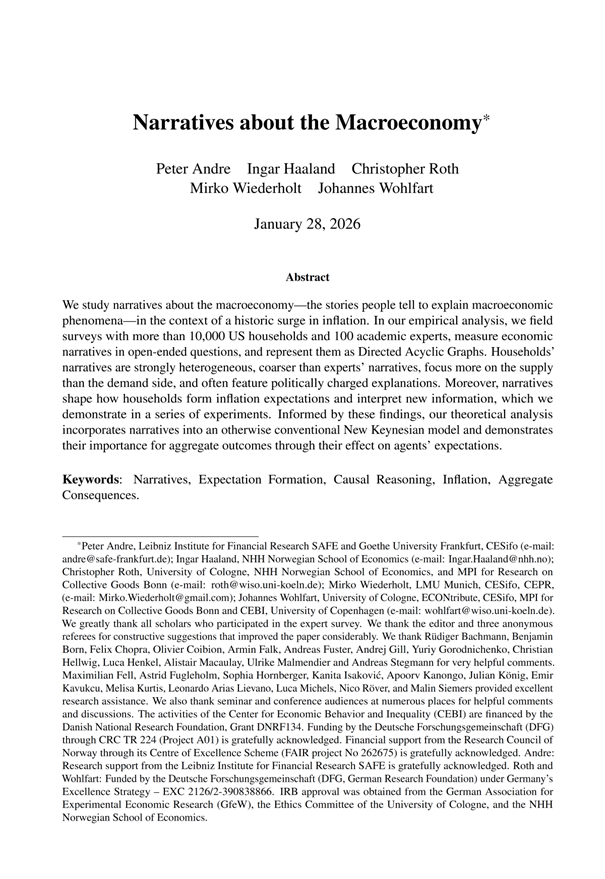
"Narratives about the Macroeconomy" by Peter Andre, Ingar Haaland, Christopher Roth, Mirko Wiederholt, and Johannes Wohlfart.
"We study narratives about the macroeconomy—the stories people tell to explain macroeconomic phenomena—in the context of a historic surge in inflation....Households’ narratives are strongly heterogeneous, coarser than experts’ narratives, focus more on the supply than the demand side, and often feature politically charged explanations. Moreover, narratives shape how households form inflation expectations and interpret new information, which we demonstrate in a series of experiments. Informed by these findings, our theoretical analysis incorporates narratives into an otherwise conventional New Keynesian model and demonstrates their importance for aggregate outcomes through their effect on agents’ expectations."
restud.com/wp-content/upl…
English
Bruna retweetledi
Bruna retweetledi

Looking for pre-docs, scholarships, summer schools, and research grants in economics?
Follow The Economic Misfit on WhatsApp to get new opportunities as soon as they’re published.
No noise—just curated, career-advancing updates.
Join the channel: whatsapp.com/channel/0029Vb…

English

Bruna retweetledi
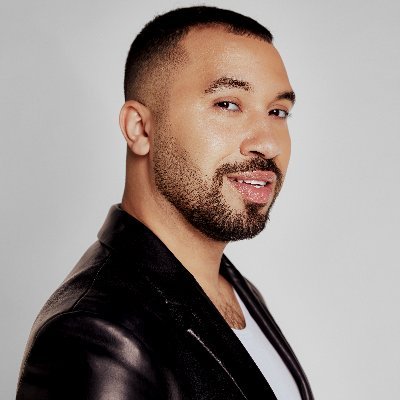
Desde quando eu comecei minha jornada acadêmica, eu sempre soube que a educação mudaria a minha vida.
Eu nunca pensei em doutorado ou mestrado, eu eu só queria ter uma graduação. Eu queria ser formado, eu queria dar orgulho à minha mãe, especialmente.
Mas, com o tempo, os desejos foram vindo e eu fui entendendo que eu sou bom. Porque eu não achava que era. Por muito tempo, eu achei que era apenas um impostor.
E então eu comecei a acreditar que eu era capaz, que eu poderia, que daria certo.
E aí foi nascendo o Gil do Vigor, o acadêmico que queria, no início, um mestrado, depois no doutorado e depois eu pensei: “Por que não um PhD?” Eu sou bem assim, eu gosto de pensar de forma arrojada.
Com o tempo, percebi que realmente era isso que eu amava. Existe o Gil que vocês conhecem e o Gil que valoriza muito a educação. Não só a dos outros, mas a minha também, porque eu preciso, primeiro, ser um espelho.
Essa jornada do PhD não foi fácil. Houve momentos em que eu pensava que não ia conseguir, que iria desistir. Mas, com o tempo, fui vendo que sim, era possível.
Era possível alcançar, era possível não desistir e era possível sendo filho de uma mãe pobre, que já passou dias nas ruas, conquistar um doutorado.
Hoje, eu qualifiquei meu PhD. Fui aprovado com muitos elogios dos meus professores. Elogios de que meu trabalho foi muito bem feito. Ou seja, eu saio com muito mérito.
Sou muito grato aos meus orientadores, aos meus amigos e a todos que participaram dessa jornada, mas, em especial, à minha mãe, que realmente fez de tudo por mim.
Graças a Deus, eu tenho amigos. Amigos que seguraram a minha mão e não me deixaram desistir. Então, a todos eles, meu obrigado e eles sabem que contribuíram para eu alcançar esse objetivo na minha vida.

Português