Stephanie Knight retweetledi
Stephanie Knight
1.6K posts

Stephanie Knight
@_CoachSteph
🌎⚽️⛰️
Glasgow, Scotland Katılım Kasım 2018
690 Takip Edilen3.9K Takipçiler
Stephanie Knight retweetledi

UNBELIEVABLE!! WE ARE OFF TO THE WORLD CUP!! 🙌🏼
Come on Scotland!! 💙🏴🤍
BBC Sport Scotland@BBCSportScot
THIS is how Scotland qualify for a World Cup. Take a bow, Kenny McLean. #BBCFootball
English
Stephanie Knight retweetledi

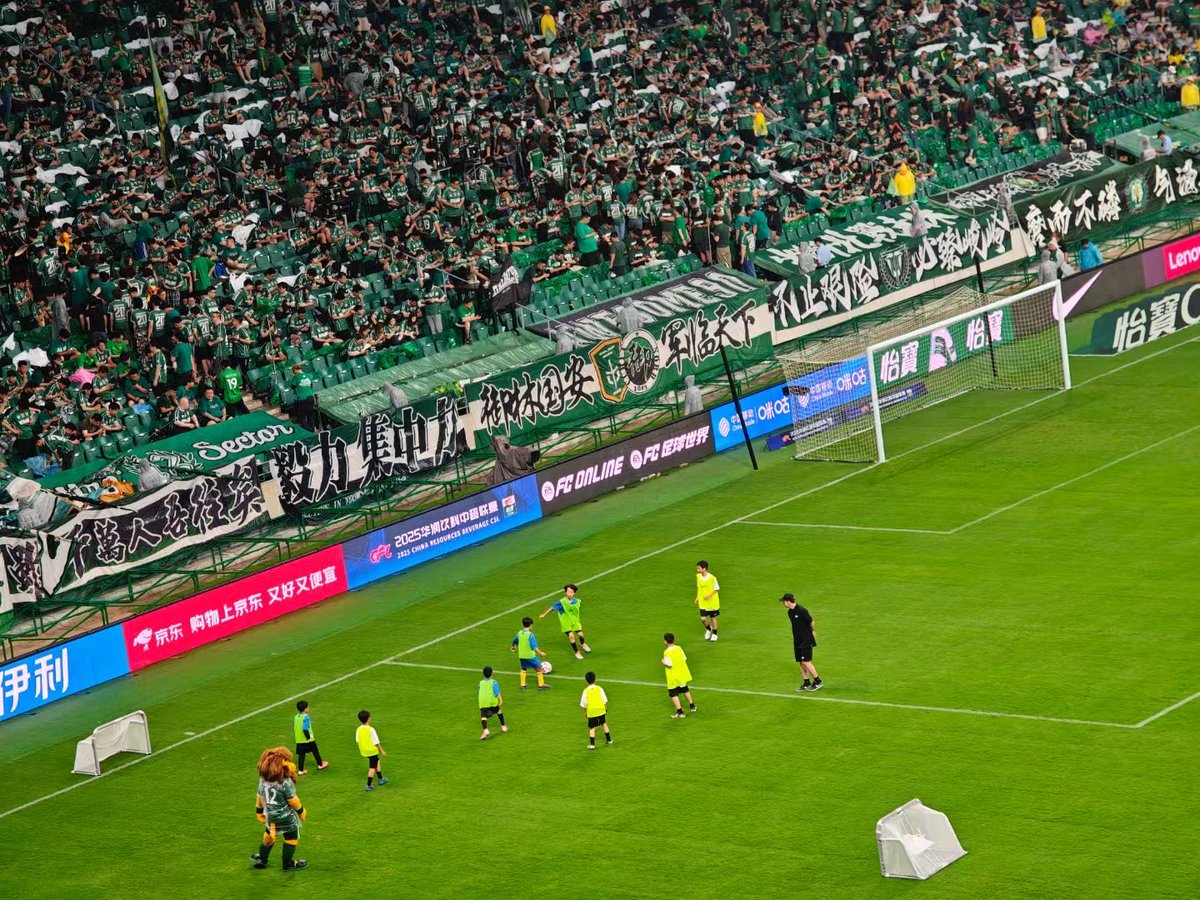
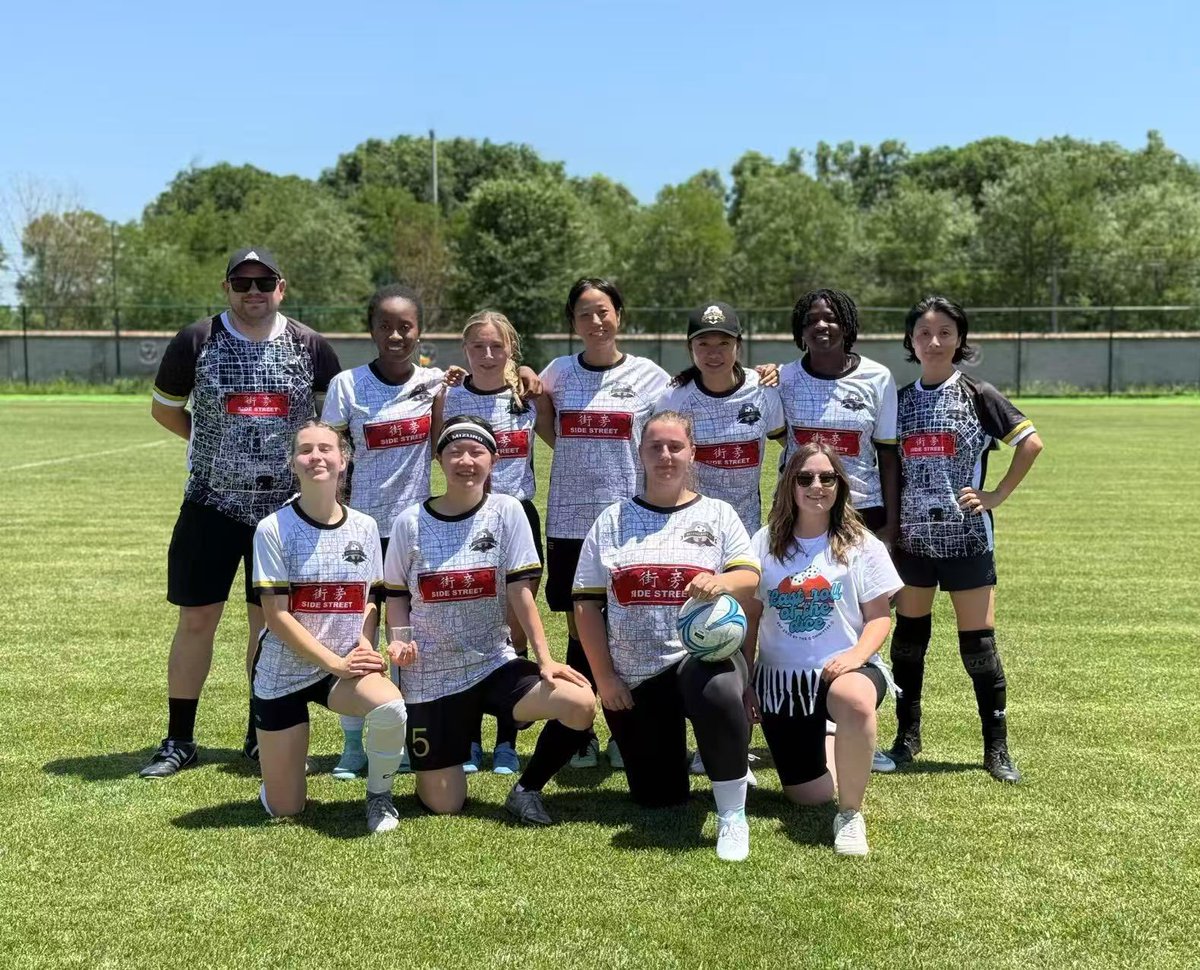
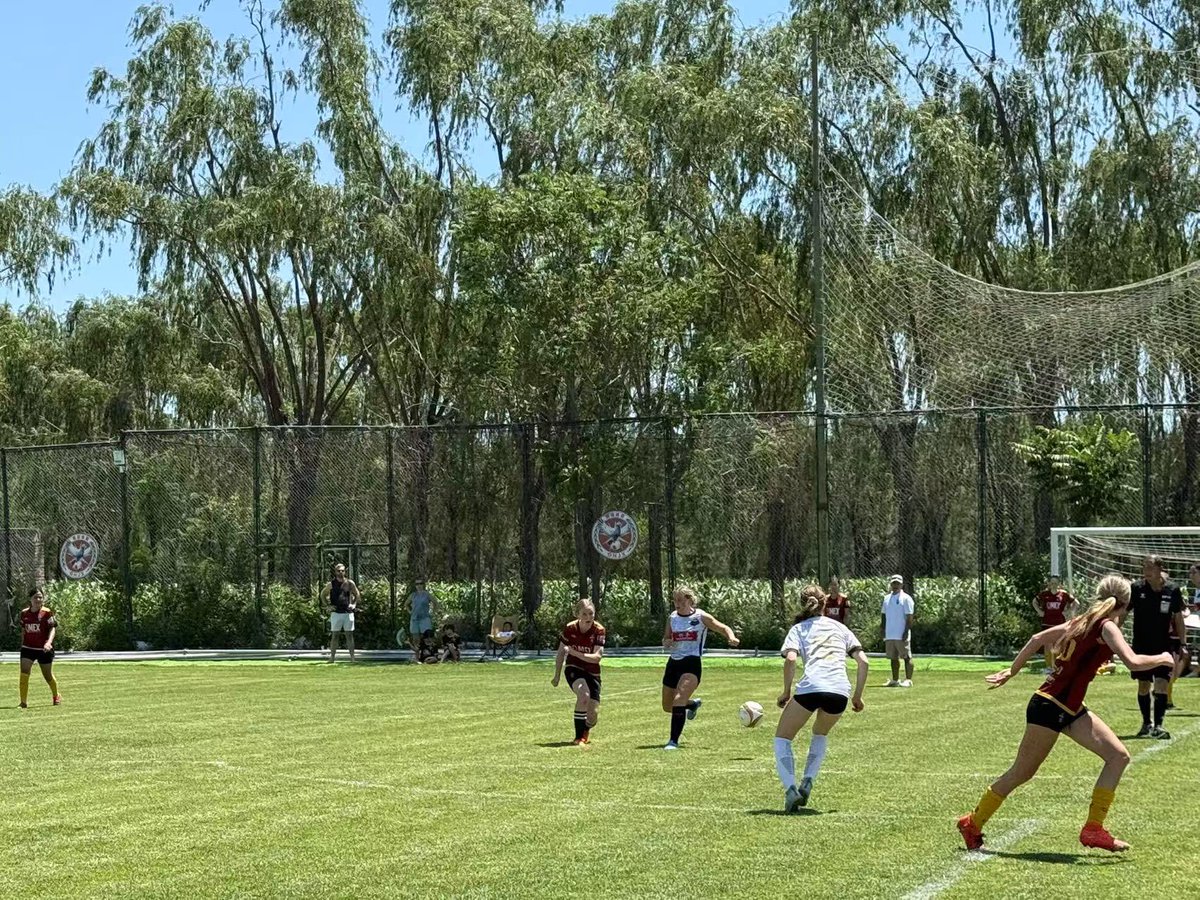
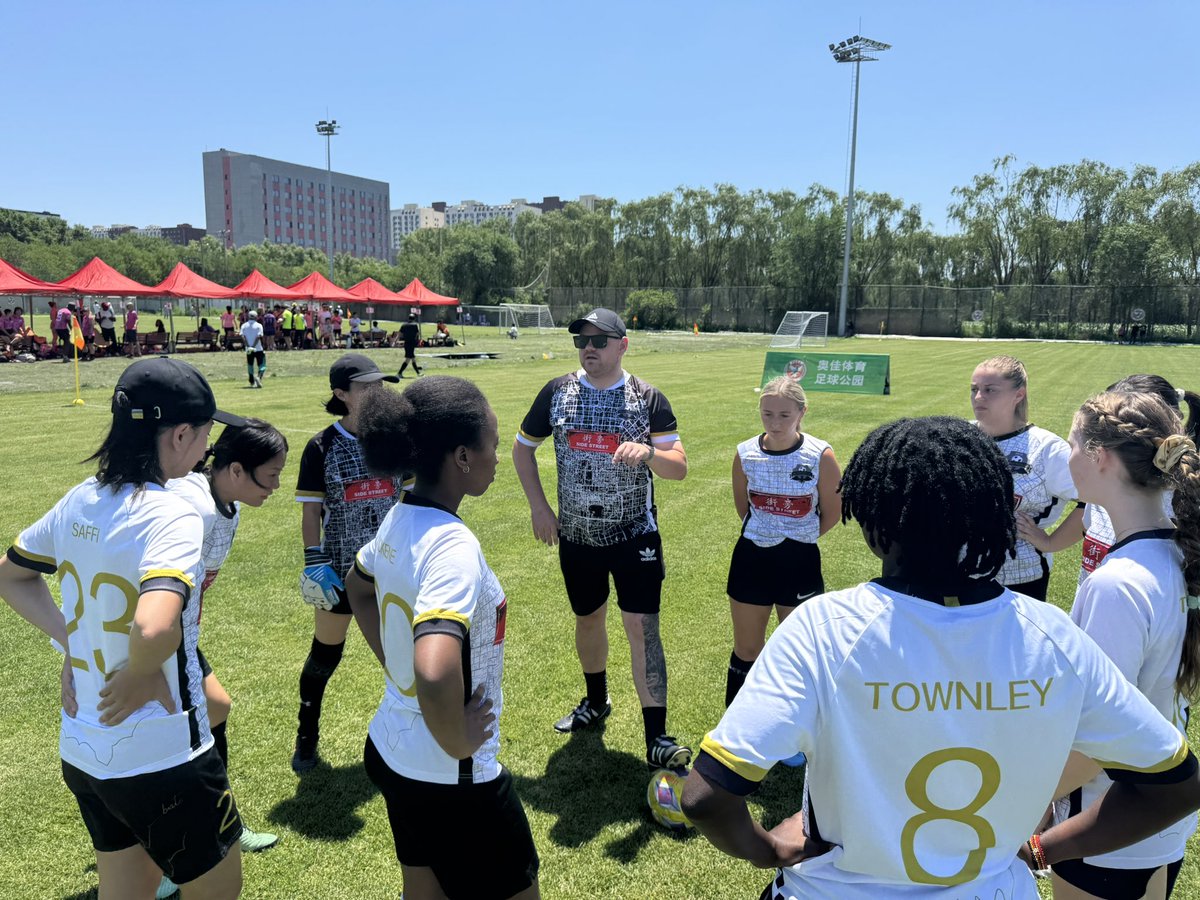
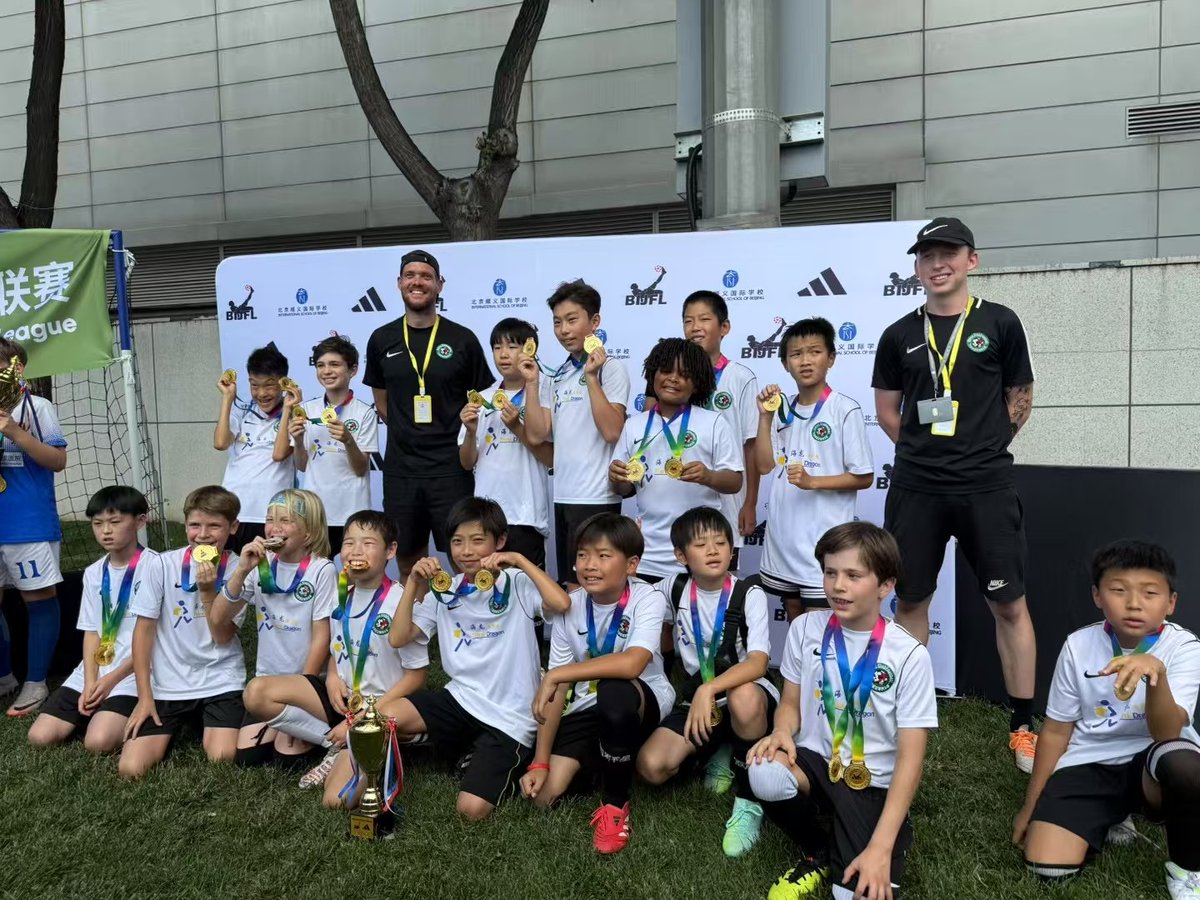
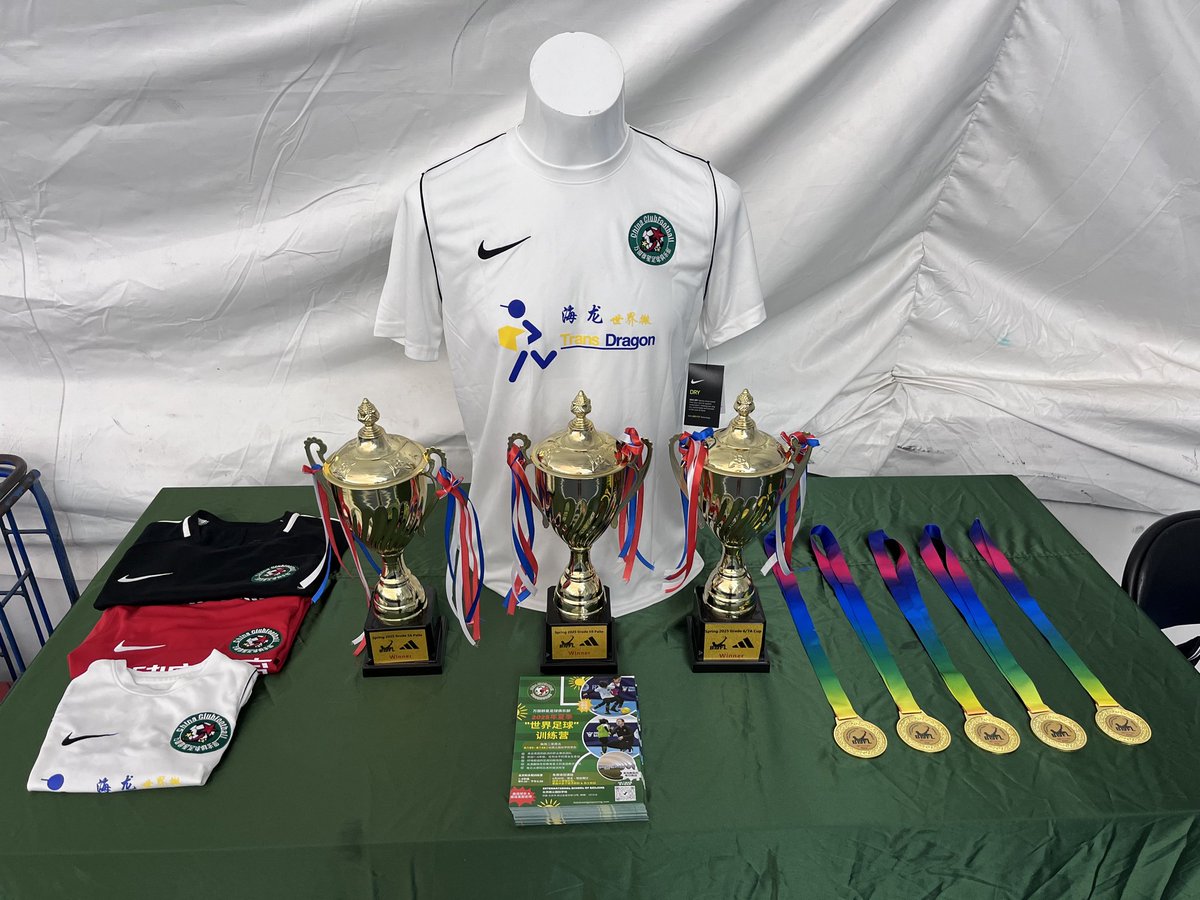
🇨🇳 Come join one of the oldest and biggest clubs in Beijing!


Baz_Calder@baz_calder
🇨🇳 We’re hiring coaches to start next Spring. 📩 Email us your CV if you would be interested.
English
Stephanie Knight retweetledi

Stephanie Knight retweetledi

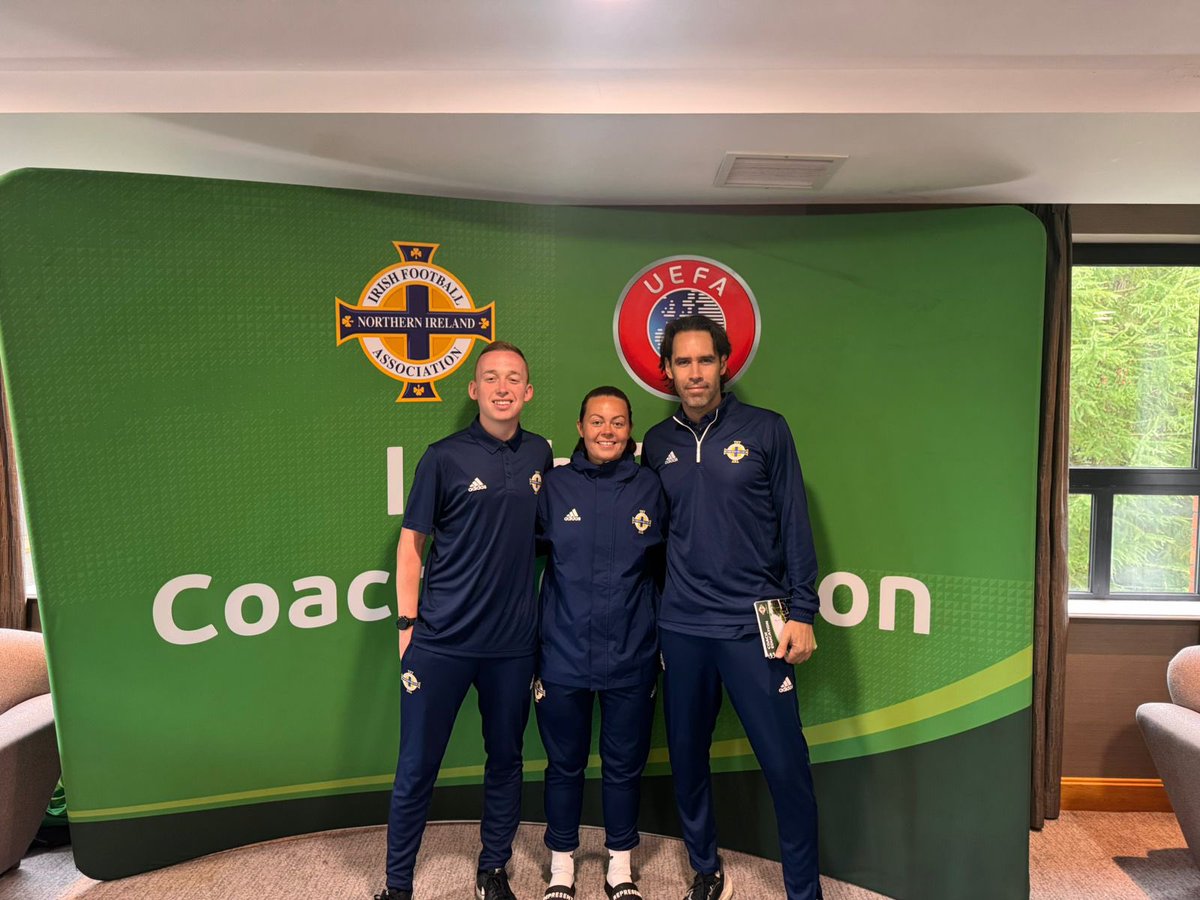
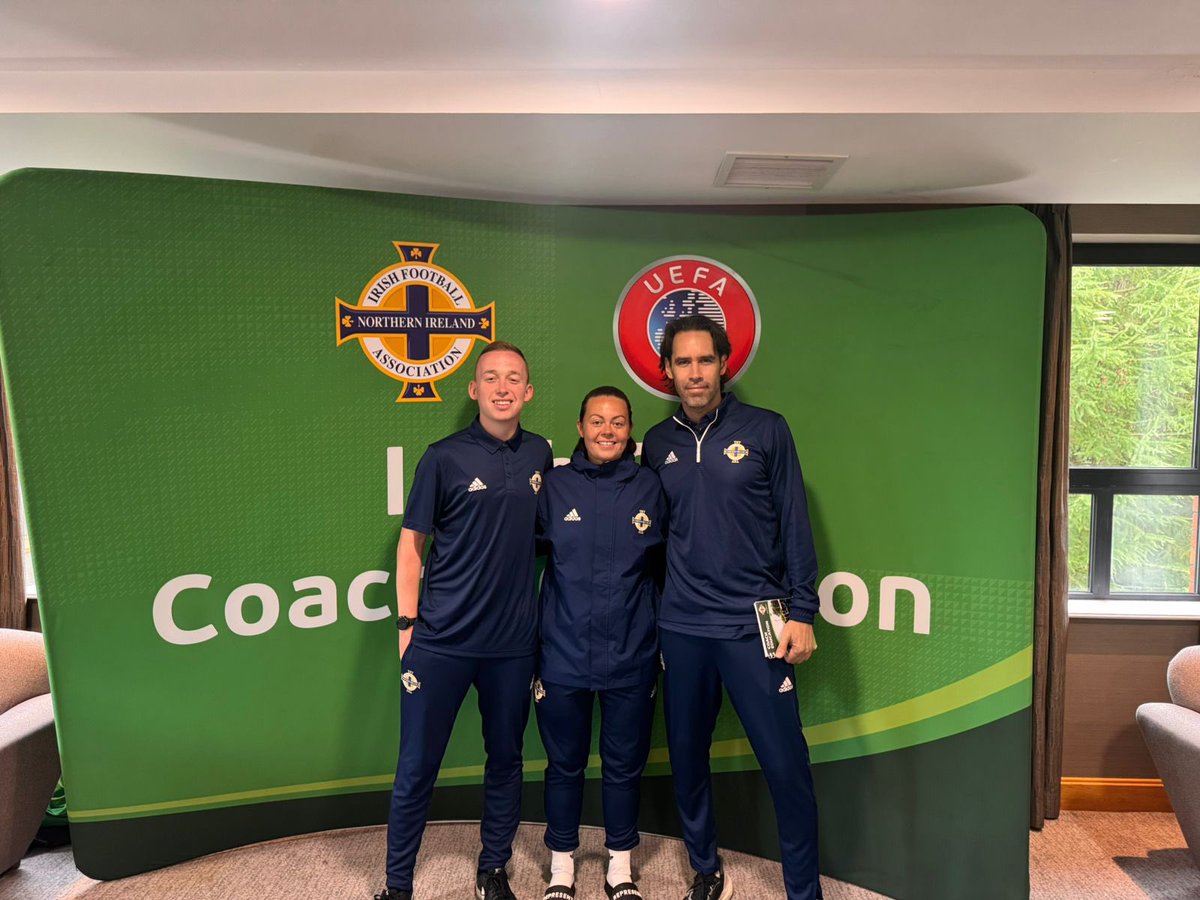
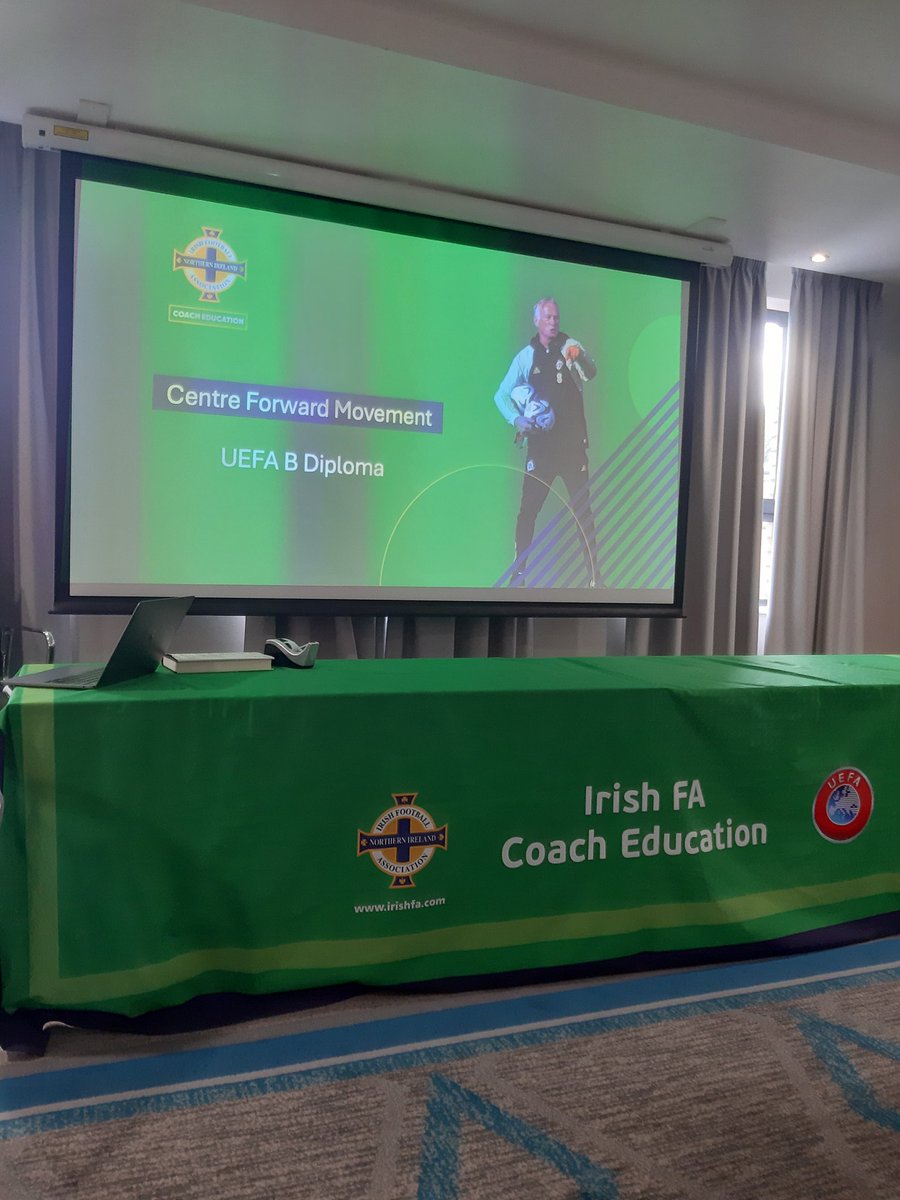
✅ Practical week in Belfast completed for the UEFA B licence diploma.
🧠 A great week of learning and meeting new people.
🤝 Thank you to all of the Northern Ireland coaching staff for their support.
⚽️ Lots more to come throughout the year!
@IFACoachEd


English

Stephanie Knight retweetledi

Stephanie Knight retweetledi

The distinction lies in what kind of development each child needs.
Kids Who Have Already Mastered the Ball:
Children under 12 who have achieved mastery of the ball—meaning they have control, confidence, and creativity in handling it—don’t require traditional coaching at this stage. They benefit more from free play or game-like environments where they can explore their skills, make decisions, and develop game intelligence. These children have already internalized the technical foundation, so they thrive by playing with peers, experiencing challenges, and honing their instincts through trial and error.
Coaches for these players are more like facilitators. Instead of teaching technical skills, they provide guidance, encouragement, and create scenarios that nurture the player’s decision-making, spatial awareness, and tactical understanding.
Kids Who Haven’t Mastered the Ball:
For children who have not yet mastered the ball, traditional coaching is essential. These players need to build their foundation in technical skills, such as dribbling, passing, and shooting. Without this baseline, they cannot effectively engage with the game because they lack the tools to express themselves on the field.
Coaches for these players take on the role of teachers, breaking down techniques, offering repetitive practice, and ensuring the child gains confidence with the ball. The focus is on structured learning, instilling habits, and introducing the love of the game through tangible progress.
Why Mastery First?
Without mastery of the ball, the game itself can feel overwhelming. The child spends more time struggling to perform basic actions rather than thinking about strategy or enjoying the experience. On the other hand, a child who has mastery plays with freedom and can focus on higher-level aspects like teamwork, positioning, and creativity.
In summary:
Mastered players: Thrive in less structured, game-oriented environments where creativity and decision-making are key.
Non-mastered players: Need structured coaching to develop a solid technical foundation before progressing to advanced gameplay.
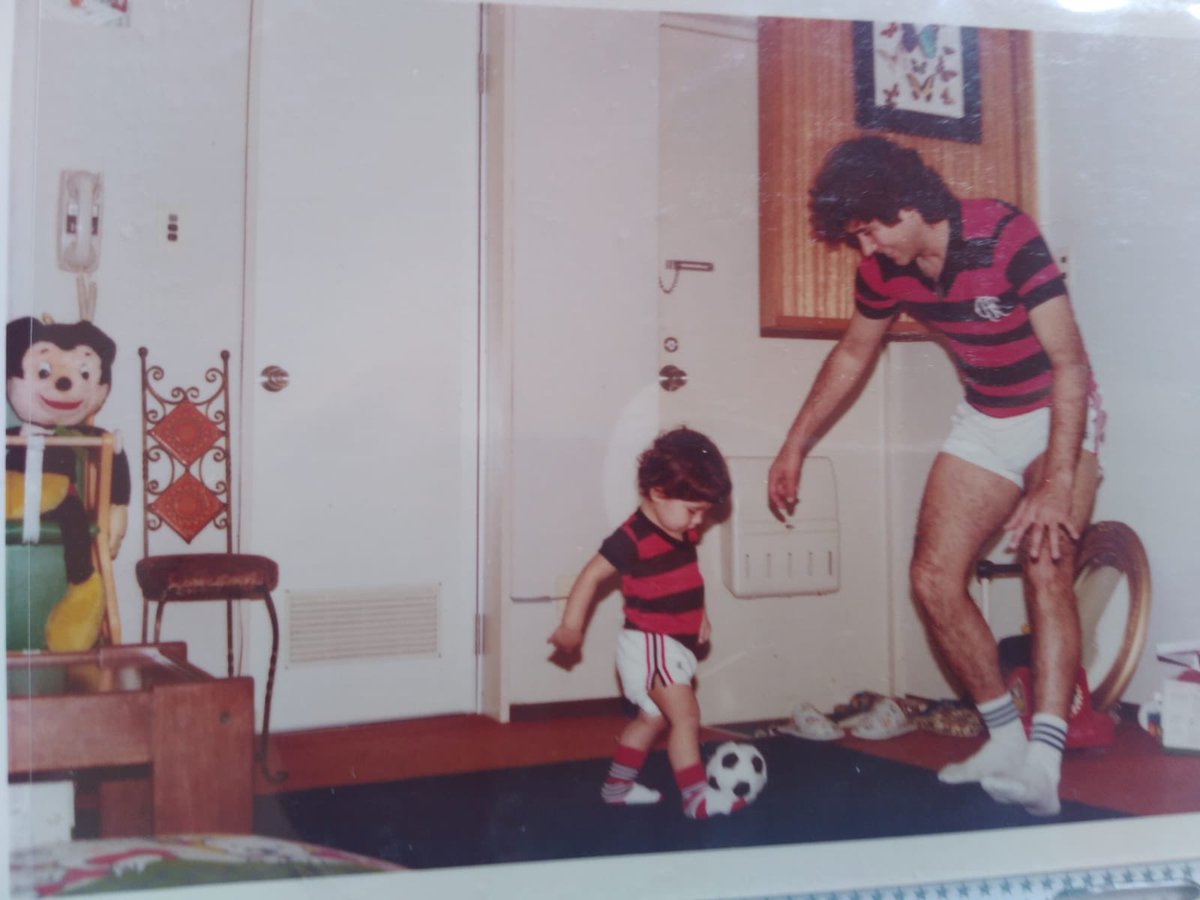
This principle aligns with the philosophy that “Football Starts at Home.” Mastery should ideally happen during early childhood, often through play and parent-child interaction, making formal coaching at young ages less critical.

English