
Sabitlenmiş Tweet
Pable Matías
114K posts

Pable Matías
@_Pable
Flopyero, cumbiero, ingeniero y Bitcoinero. Simplote. Changarín Berazategui. UBA. Alpargatas si, libros no. #Bitcoin IG: pable.r FB: https://t.co/s0kfSwMImD
Berazategui Katılım Aralık 2011
3K Takip Edilen4.1K Takipçiler
@PiedadlordElon Era roja
TyC Sports@TyCSports
Una de las polémicas del primer tiempo: ¿era roja para Olise por este duro planchazo contra Rodri? 🤔
Berazategui, Argentina 🇦🇷 Español

@_Pable Increíble que no hayan llamado o al menos amarilla, fue muy fea la patada que por suerte lo agarro con el pie sin asentar
Español
Si pedían VAR era naranja para Olise esa falta
Berazategui, Argentina 🇦🇷 Español
Pable Matías retweetledi

I love how they are so invested in the movie 😹
English
@BowTiedPelotudo @DonCoire Alguien diría: peor es laburar.
Berazategui, Argentina 🇦🇷 Español



Pable Matías retweetledi
@BowTiedPelotudo @DonCoire Hace noches de astrología en bares de Quilmes miércoles y jueves.
Berazategui, Argentina 🇦🇷 Español
Pable Matías retweetledi
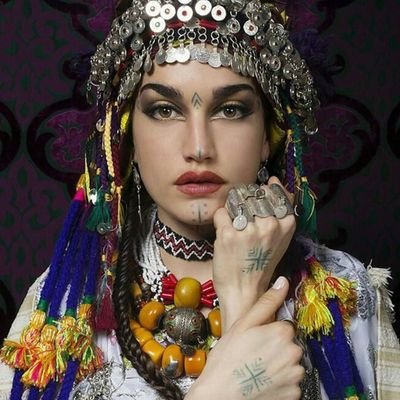
📍🇪🇬 A cat quietly watches over an ancient Egyptian temple as tourists stop to take its photo.
To the ancient Egyptians, cats were sacred animals, admired as symbols of protection and closely linked to the goddess Bastet.
English
Pable Matías retweetledi

¡Sorpresa en plena ciudad! Un aguará guazú apareció caminando por el centro 🦊
Durante la madrugada, un aguará guazú fue visto recorriendo calles céntricas de Puerto General San Martín. El inesperado visitante sorprendió a vecinos y quedó registrado en video.
📌 Qué pasó:
🦊 El aguará guazú fue visto durante la madrugada de este martes recorriendo el centro de Puerto General San Martín.
🏍️ Un motociclista lo filmó mientras el animal caminaba sin rumbo por la Av. Córdoba.
🌳 Luego siguió su recorrido por la zona de la Plaza San Martín, despertando la curiosidad de quienes lo vieron.
📞 Tras el hallazgo, el vecino dio aviso a la Policía Ecológica y al CPC para que intervengan
Español
Pable Matías retweetledi


Pable Matías retweetledi
Por la presente se fijan los criterios de ceremonial ante los himnos nacionales de países extranjeros donde participen equipos argentinos:
1) No se silba nunca el himno de Inglaterra, no se lo aplaude pero no se lo silba.
2) Mañana en Atlanta nos mantenemos en silencio cuando se cante God Save the King.
3) Idéntico criterio respecto del himno de Chile, porque ellos traicionaron a la Argentina en la Guerra de las Malvinas ayudando al enemigo inglés. No lo silbamos, no aplaudimos, silencio e indiferencia.
4) Por ahora aplaudimos a los himnos de México y Uruguay, llamando a la reflexión a ambos países para que cesen de una vez su agresión en contra de la Confederación Argentina.
5) Se aplauden todos los himnos del resto de los países del mundo y siempre de pie.
6) Cuando jugamos contra Perú, los aplaudimos como si fuese el mismísimo himno argentino, porque ellos nos ayudaron en las Malvinas y porque rinden honores al General San Martín en la letra de himno nacional. Y si podemos, también lo cantamos.
* Téngase Presente.

Español
@CarlosMaslaton @fedeweinhold87 Cuánto pagaste la entrada, Carlos?
Quilmes, Argentina 🇦🇷 Español
Rumbo a Atlanta-Georgia, mi maleta con la bandera argentina que me obsequiara el forista de Bahía Blanca Federico Weinhold .@fedeweinhold87 y que estará presente mañana en Argentina-Inglaterra. Hoy veo España-Francia desde Ezeiza.

Español
Pable Matías retweetledi

Mi breve historia malvinera: durante la guerra del 82 yo estaba en preescolar y con mi sala (Los Barriletes) escribimos una carta a un soldado. No estaba detinada a ninguno en particular, pero le llegó a un chico de 18 años (Juan Carlos) que estaba embarcado en el ARA Irigoyen.
Español
Pable Matías retweetledi

Pable Matías retweetledi



Pable Matías retweetledi

Pable Matías retweetledi

Muchos latinoamericanos van a hinchar por Inglaterra. Nosotros, si fuese al revés, hincharíamos hasta por Chile. Pero de todas formas los vamos a seguir queriendo porque a un hijo se le perdona casi todo.
Español
Pable Matías retweetledi
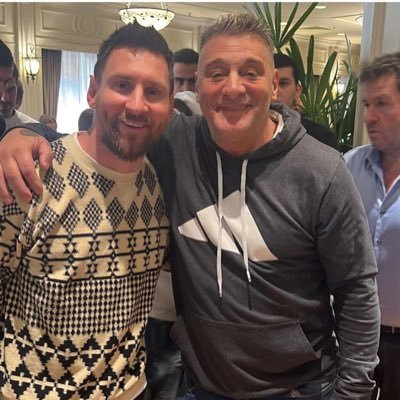
“Los argentinos compraron el mundial”
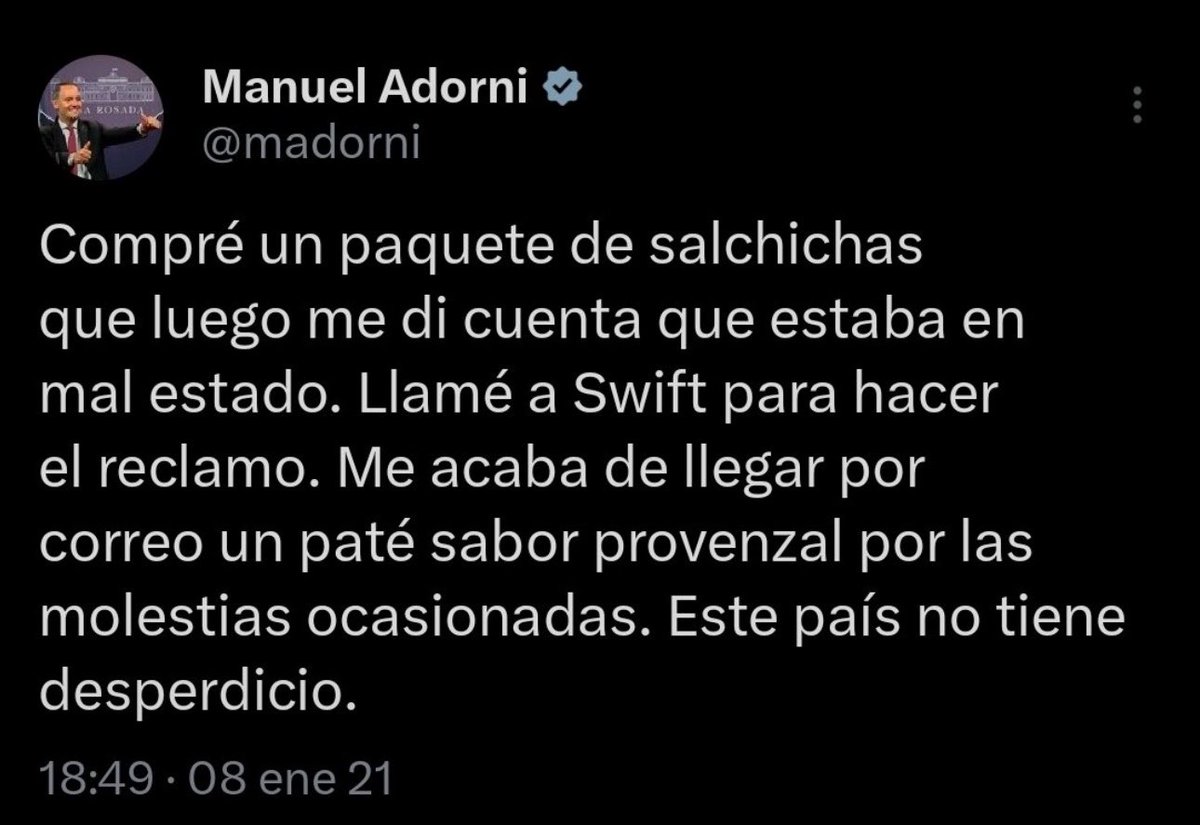
Los argentinos:
Español
Pable Matías retweetledi

Pable Matías retweetledi


