
Dr Paul Monaghan retweetledi
Dr Paul Monaghan
62.4K posts

Dr Paul Monaghan
@_PaulMonaghan
'That's here. That's home. That's us. On it everyone you love, everyone you know, everyone you ever heard of. The only home we've ever known.' Karl Sagan
Ireland, Scotland Katılım Temmuz 2011
4.7K Takip Edilen19.8K Takipçiler
Dr Paul Monaghan retweetledi

Dr Paul Monaghan retweetledi
Dr Paul Monaghan retweetledi

“A toddler in Gaza released from Israeli custody has been returned to his family with suspected torture wounds.”
Read that again.
English
Appalling.
H i s t o r y V i l l e@HistoryVille
When the British slave ship, Zong, sailed from Accra with 442 enslaved persons on August 18, 1781, it had taken on more than twice the number that it could safely transport (in order to maximise profit), when it was discovered that the water supply would not be enough. If the enslaved died a natural death, the loss would fall on the owners. But if they were cast into the sea to drown, the loss would be covered by insurance, £30 for each captive lost. And that was what they did. On November 29, 1781, 54 women and children were thrown through cabin windows into the sea. On December 1, 1781, 42 enslaved men were thrown overboard, and 36 more followed in the next few days. Another 10, in a display of defiance at the inhumanity of the slavers, chose to commit suicide by jumping into the sea. Having heard the cries of the victims as they were thrown into the water, one of the captives requested that the remaining Africans be denied all food and drink rather than thrown into the sea. The crew ignored this request. In total, 142 Africans had been killed by the time the ship reached Jamaica on December 22, 1781, with 208 enslaved people on board, less than half the number taken from Accra. Interestingly, the slaveowners got £30 for each slave that was drowned at sea. In January 1782, the survivors were sold into slavery for an average price of £36 per person. Criminal charges were brought against the captain, crew, and owners, but they were unsuccessful. The judge refused to take up the criminal charges, claiming that Africans were goods and property, and that it was madness to accuse "these well-serving honourable men" of murder. "The case is the same as if a wood had been thrown overboard,” the judge ruled. #HistoryVille
English
Dr Paul Monaghan retweetledi
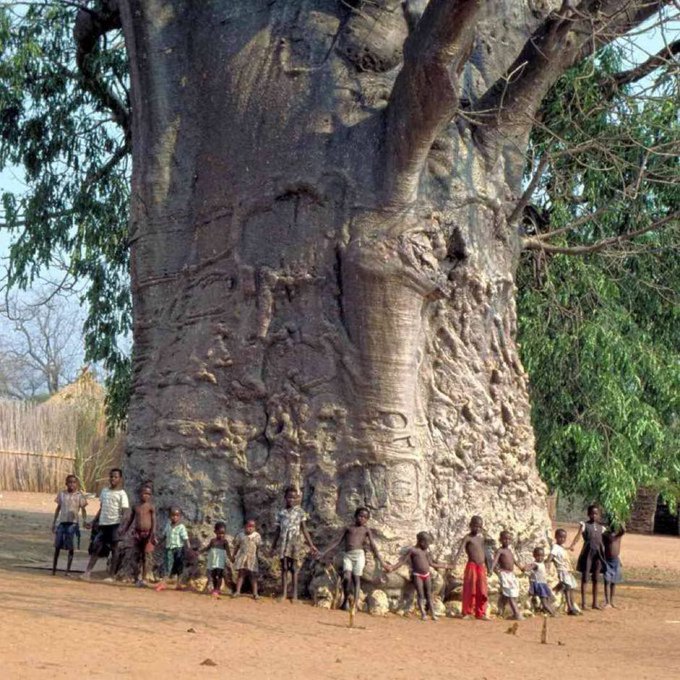
This 2,000 year old tree is located t Zwigodini Village of Mutale in Limpopo, South Africa.
Venda people call it, “Muri Kunguluwa”, which means, “The Tree That Roars”. The tree actually makes a roaring sound when the wind blows through its branches.
It is also called, “The Tree Of Life”, because it serves as a source of life to the animals and the community that lives around it. 80% of its trunk consists of water and it can hold up to 4,500 liters, making it a water source for the community and the animals.
Elephants eat the bark. Baboons eat the fruit. Leaves can also be eaten. Birds, bees, fruit bats and bush babies nest in the tree. Humans use the dried fruit powder in drinks, as a source of vitamins, antioxidants and minerals. The bark can be used to make rope, baskets, mats, cloth and paper.
It also holds a spiritual significance for African people. In ancient times, leaders and elders would hold meetings under huge baobab trees, to discuss important matters. They believed that the spirit of the baobab would help them make wise decisions.
English
Dr Paul Monaghan retweetledi
@mgshanks More than disingenuous given you have just blocked the creation of 1,500 quality jobs at Ardersier in Scotland.
Those jobs could have established Scotland as a world leader in offshore renewables and, more importantly, provided long term security for communities.
English

🥇This record breaking result shows that Britain's clean energy future is only blowing in one direction.
Offshore wind is the backbone of our clean power mission and that is why we delivered a record breaking renewables auction with enough power for 16 MILLION homes! 💨
National Energy System Operator@neso_energy
On 25 March at 1:30pm, wind generated 23,880MW of electricity to set a new maximum wind generation record. 🥇At the time, wind was providing 60% of Great Britain’s electricity, that’s enough to power over 23 million homes. 🏠 Download the NESO app: bit.ly/4sKMXU8
English
Dr Paul Monaghan retweetledi

Great arial view of the 3 bridges over the forth ! c.o. Beauty of Scotland 🏴

English
Dr Paul Monaghan retweetledi
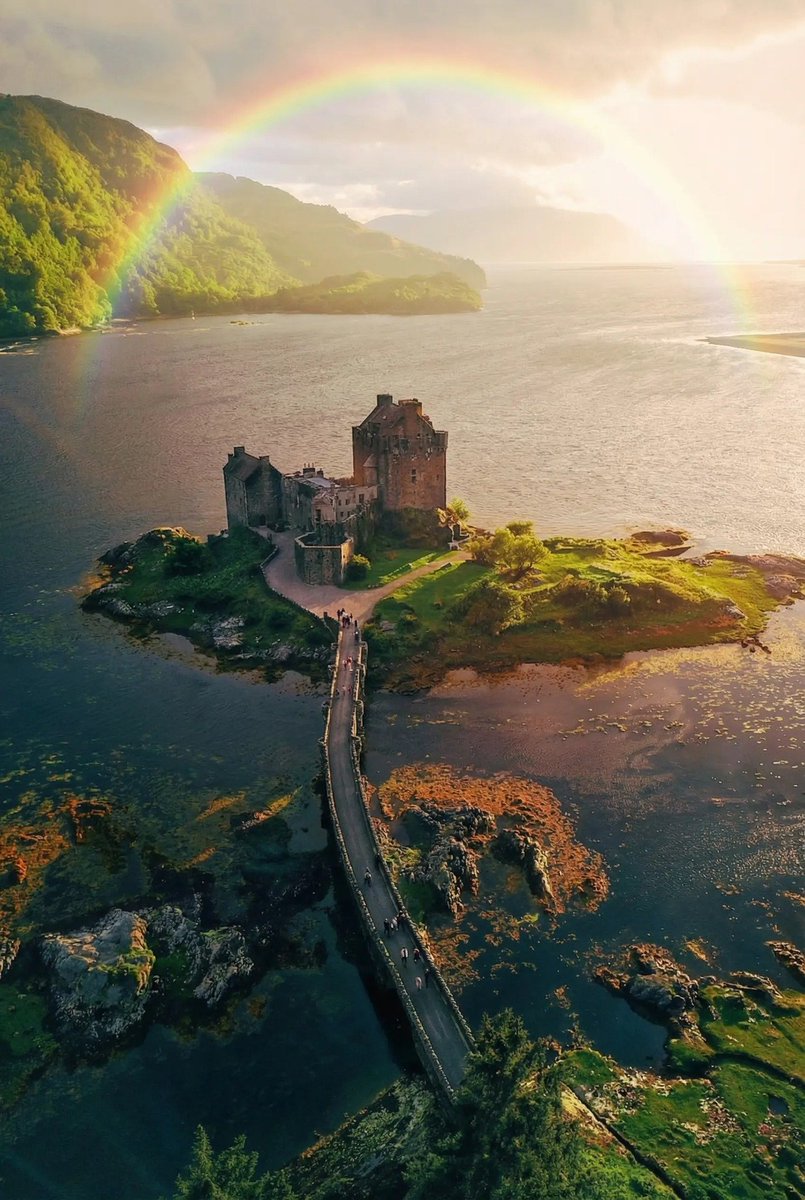
A rainbow over Eilean Donan Castle . c.o. Beauty of Scotland 🏴
English
Dr Paul Monaghan retweetledi
Dr Paul Monaghan retweetledi

Israeli settlers have poured cement over water sources used by Palestinians in the West Bank.
All of this is done to make life impossible for Palestinians and drive them off their land.
English
Dr Paul Monaghan retweetledi
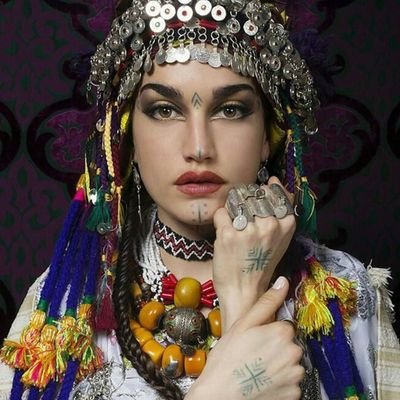
🇮🇷 The Multicolored Mountains South of Hormuz Island, Iran.
English
Dr Paul Monaghan retweetledi

This is fantastic!
An automated underground bicycle parking system in Japan.
English
Dr Paul Monaghan retweetledi
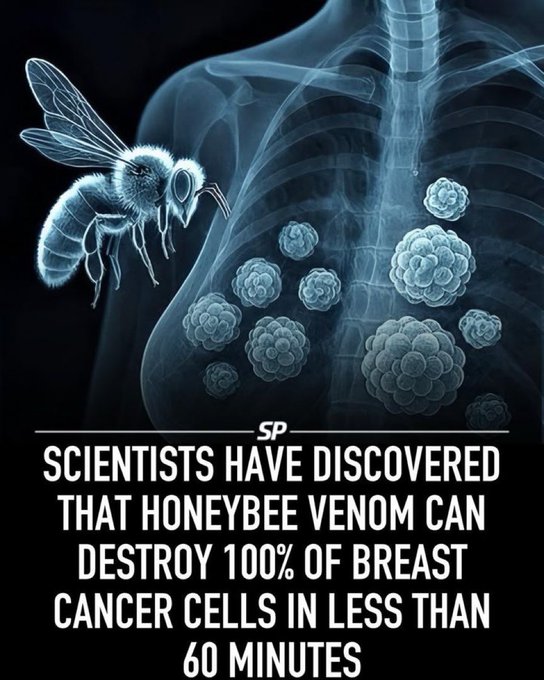
A study found honeybee venom destroyed 2 types of hard to treat breast cancer cells. Melittin on its own reduced cancer cell growth & can be produced synthetically. One venom concentration killed cancer cells within 1 hour with minimal harm to other cells
English
Dr Paul Monaghan retweetledi
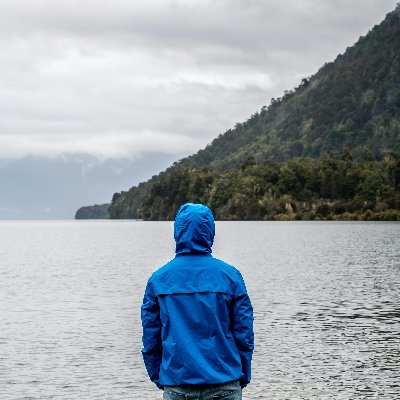
I really wish that people weren't such rude A-holes. It literally takes 10 seconds of your day to help someone.
This kind stranger restores my faith. ♥️
Would YOU have stopped?
English
Dr Paul Monaghan retweetledi

Palestine, 1945, 3 years before israel existed.
English
Dr Paul Monaghan retweetledi
Every August, the children of a small island off the south coast of Iceland stay up past midnight to save baby birds.
The island is called Heimaey, part of the Vestmannaeyjar archipelago. It is home to the largest puffin colony on earth. More than a million adult puffins nest in burrows along the island's grassy cliffs each summer, and when late August arrives, their chicks are ready to leave for the ocean for the first time.
The problem is the lights.
Baby puffins, called pysjas in Icelandic, navigate by moonlight. When they take their first flight in the dark, the streetlights and harbour lights of the town confuse them. Instead of heading out to sea, they veer toward land, landing in car parks, wandering down streets, huddling under vehicles, and exhausting themselves among the houses of a town that has no idea what to do with them.
Every year, the kids of Vestmannaeyjar form what they call the Pysja Patrol. They go out after dark with cardboard boxes, chase down the disoriented chicks by hand, and bring them home. In 2024 alone, the children of an island with 4,500 inhabitants rescued more than 4,200 pufflings. Roughly one bird for every person who lives there.
The next morning they take the boxes to the cliff edge, reach in, and throw each bird gently into the wind toward the sea.
The tradition has been running for generations. Since 2003 every rescued puffling is first taken to the local natural history museum to be weighed, measured, and tagged before release. The data collected by children with cardboard boxes has contributed to decades of scientific research on one of the world's most important seabird populations.
Iceland is home to sixty percent of all the world's puffins.
English
Dr Paul Monaghan retweetledi

A polar bear rests in the Canadian Arctic as a rainbow stretches across the horizon behind it. During the brief summer season, parts of the landscape bloom with fireweed
English
Dr Paul Monaghan retweetledi
Amazing! Sequoia National Park in California . This 3,200-Year-Old Tree Is So Big, It’s Never Been Captured In A Single Photograph. ANON .

English