Sabitlenmiş Tweet
Young Conservationist Network
477 posts

Young Conservationist Network
@_YCNetwork
Dedicated to the increase in knowledge and awareness about wildlife conservation primarily in Nigeria and beyond shores
Katılım Mart 2023
2.2K Takip Edilen299 Takipçiler

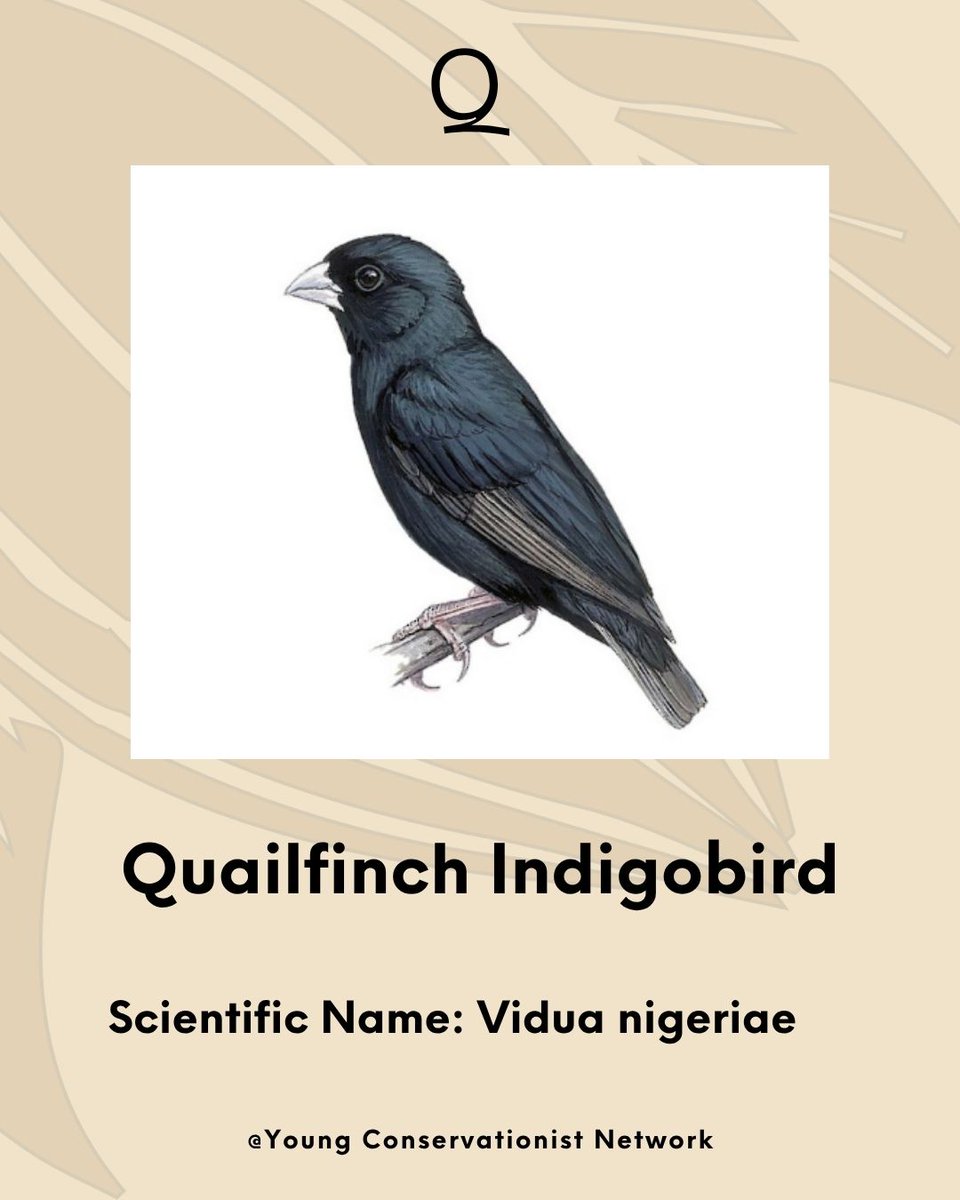
Fun fact: The name Vidua, the genus to which the Quailfinch Indigobird belongs, is derived from a Latin word meaning “widow”.
#quailfinchindigobird #abcofnigeriaswildlife #youngconservationistnetwork #viduidae #broodparasitism #birdsofafrica #birdsofnigeria #africanwildlife
English

Because many indigobirds are very similar in appearance and can be difficult to identify in the field, one helpful clue for recognising the Quailfinch Indigobird is its close association with its host species, the African Quailfinch.
#parasitism
English

👉 Have you ever been to the Idanre Hills before? If yes, share your experience in the comments! If not, knowing that the rare Perret’s toad is found only there, would that inspire you to visit?📸 Here’s a glimpse of the historic Owa’s Palace in idanre.
#perretstoad


English

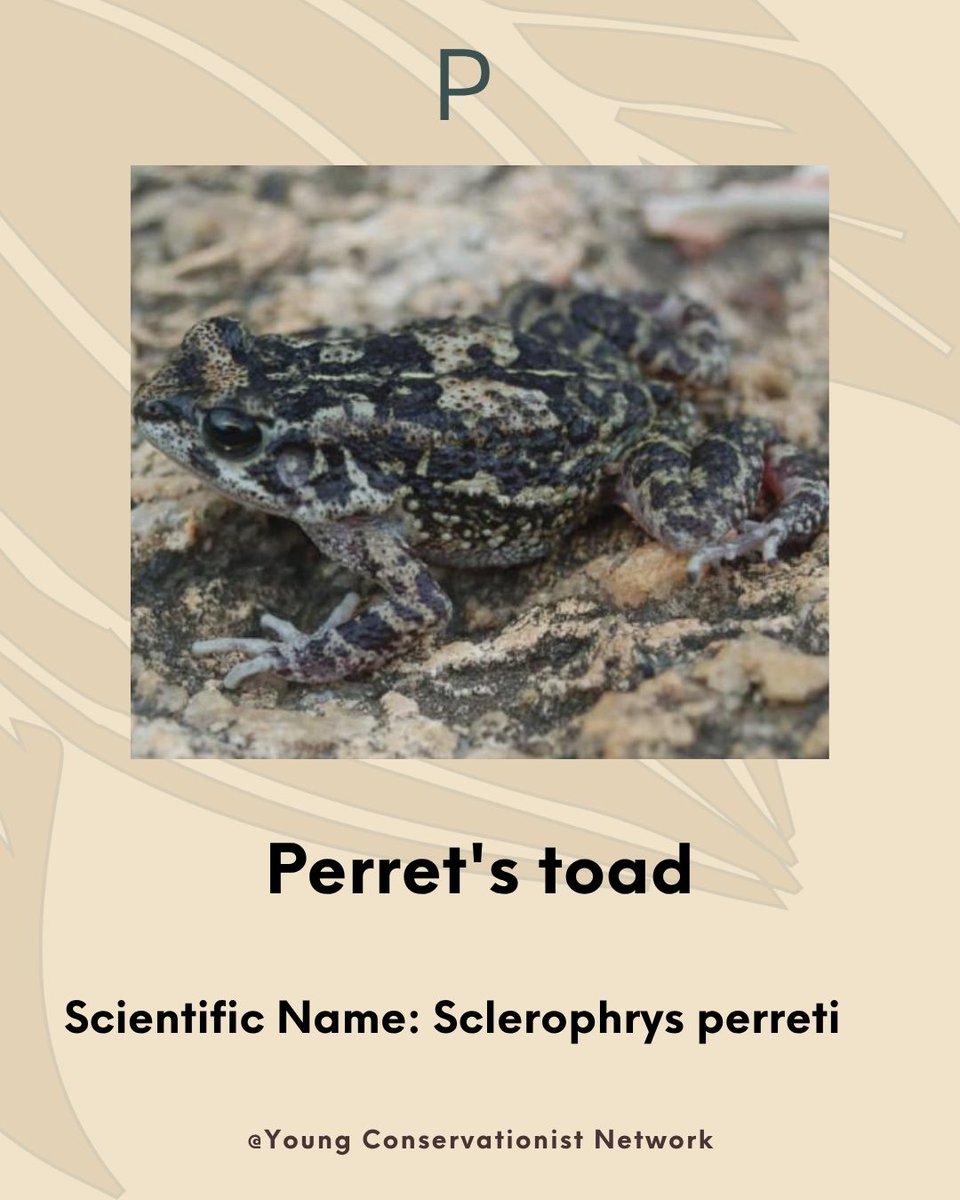
Remarkably, Perret’s toad was thought to be lost to science for nearly 50 years after its initial discovery in 1963. However, it was rediscovered in 2013 at its type locality in the Idanre Hills hence you may give it the n
ickname “the lost but found toad.” #ondostate
English

ABC of Nigeria’s Wild Animals — Letter P
The Perret's toad, scientifically known as Sclerophrys perreti, is an amphibian species endemic to Idanre Hill in southwestern Nigeria.
Photo credit: @SpeciesFund

English

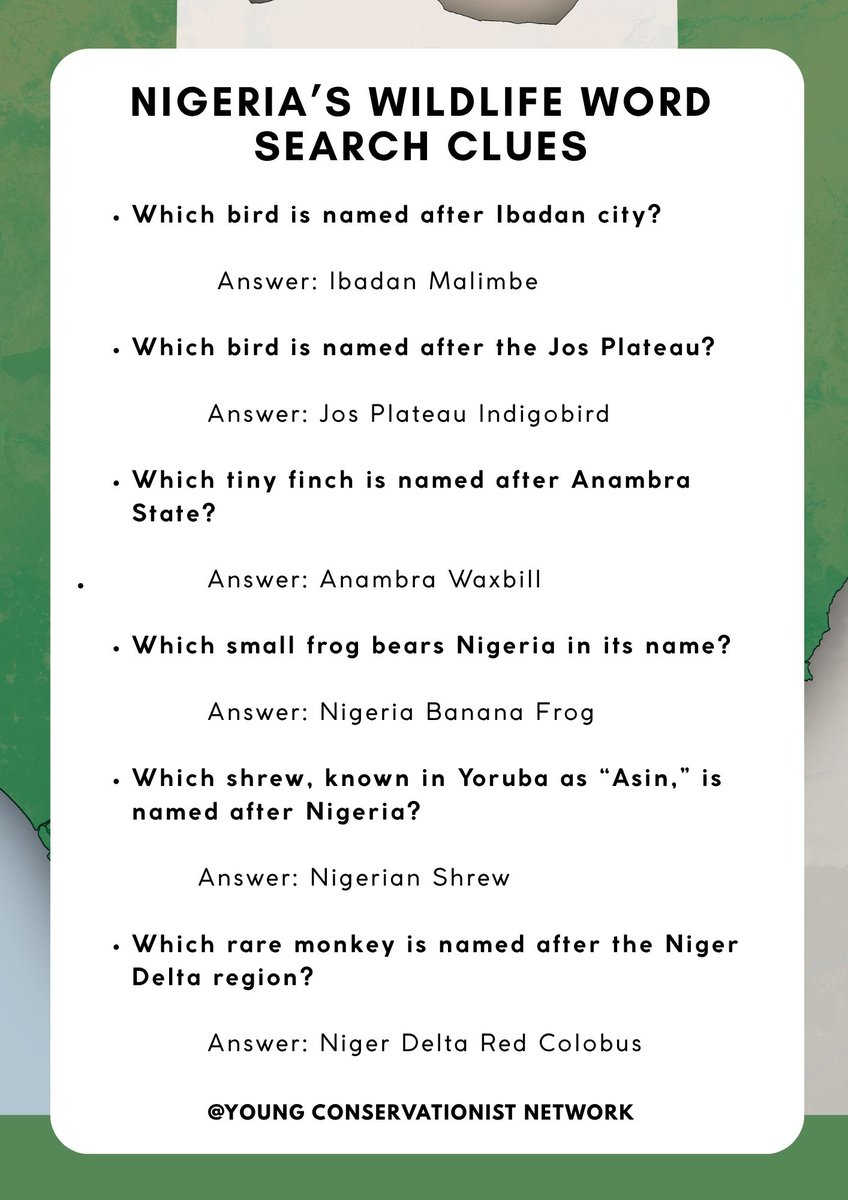
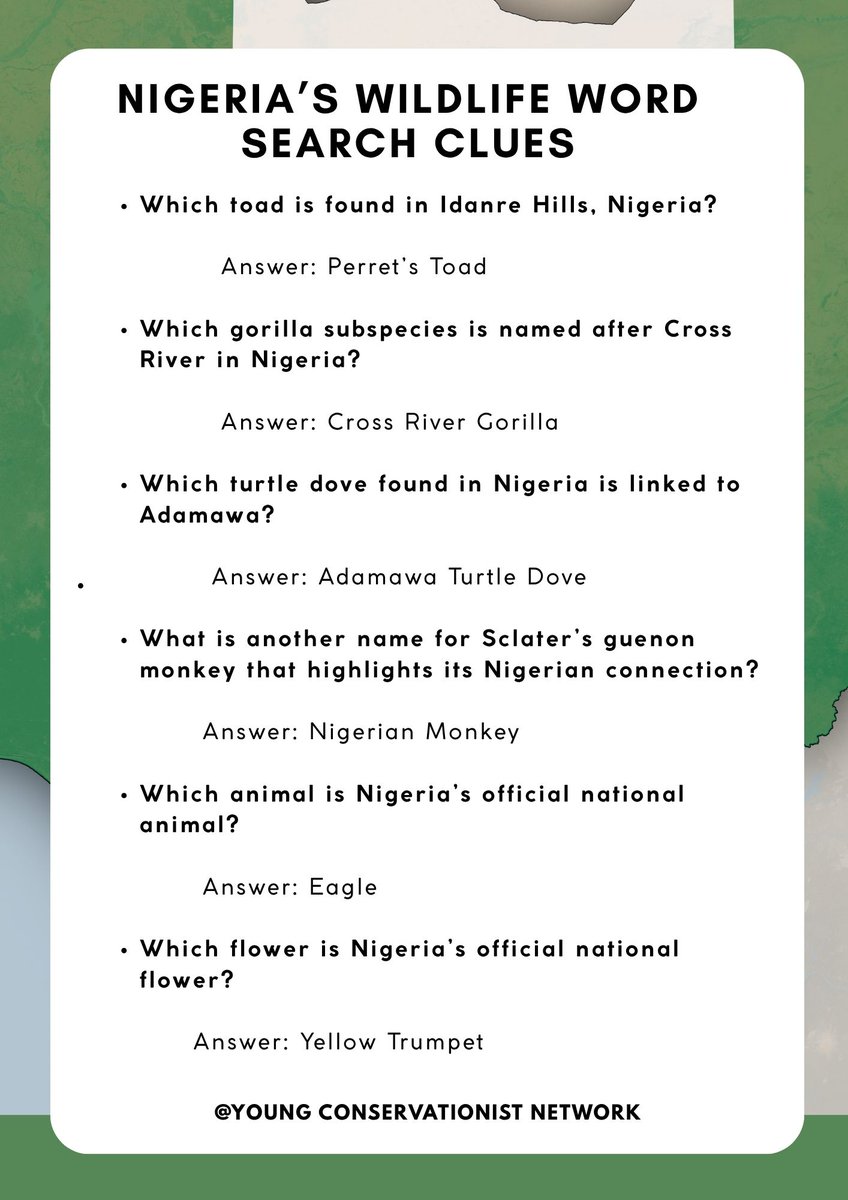
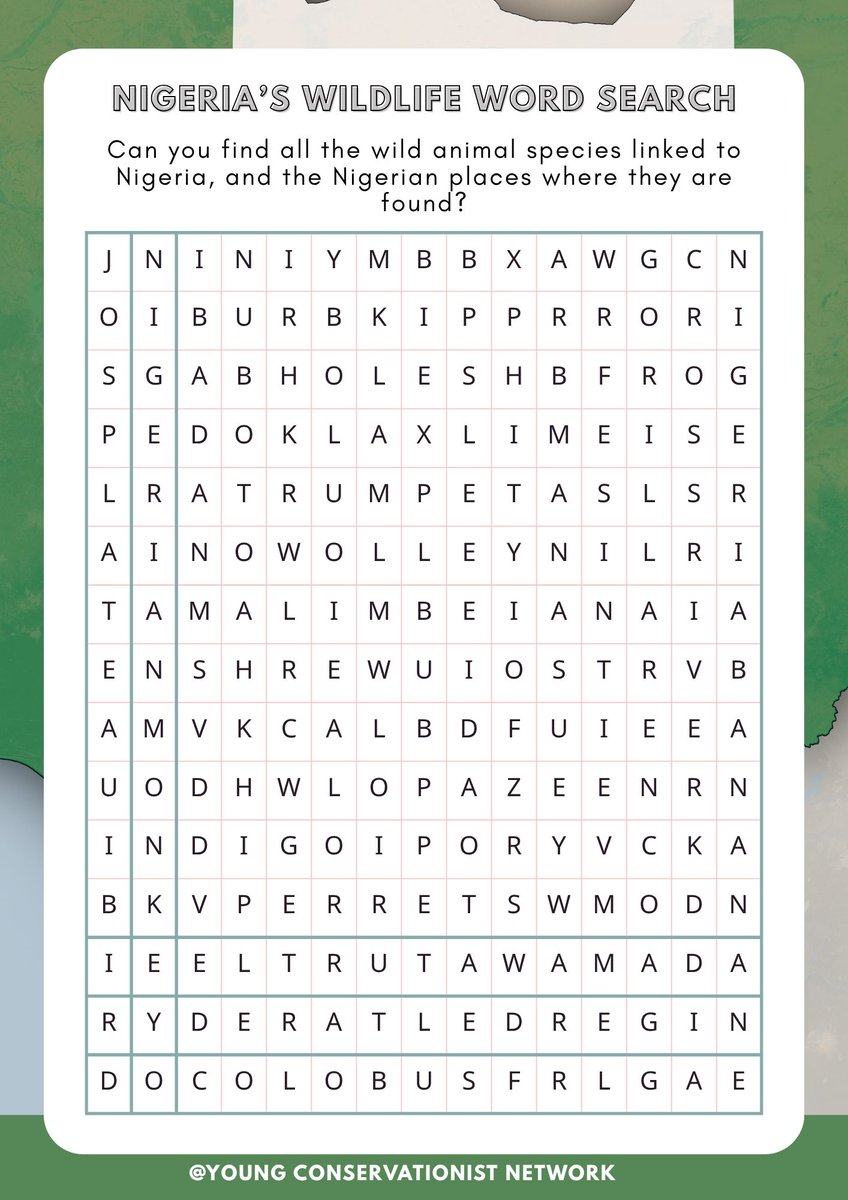
Word search clues for the puzzle:x.com/_YCNetwork/sta…
#Nigeria #NigerianIndependenceDay #wildlife #youngconservationistnetwork


Young Conservationist Network@_YCNetwork
In honour of Nigeria’s Sapphire Jubilee, a fun and educational word search has been created, highlighting wild animal species whose names are linked to Nigerian places or even carry Nigeria’s name. 💡Challenge: Can you find all the wild species in the puzzle?
English

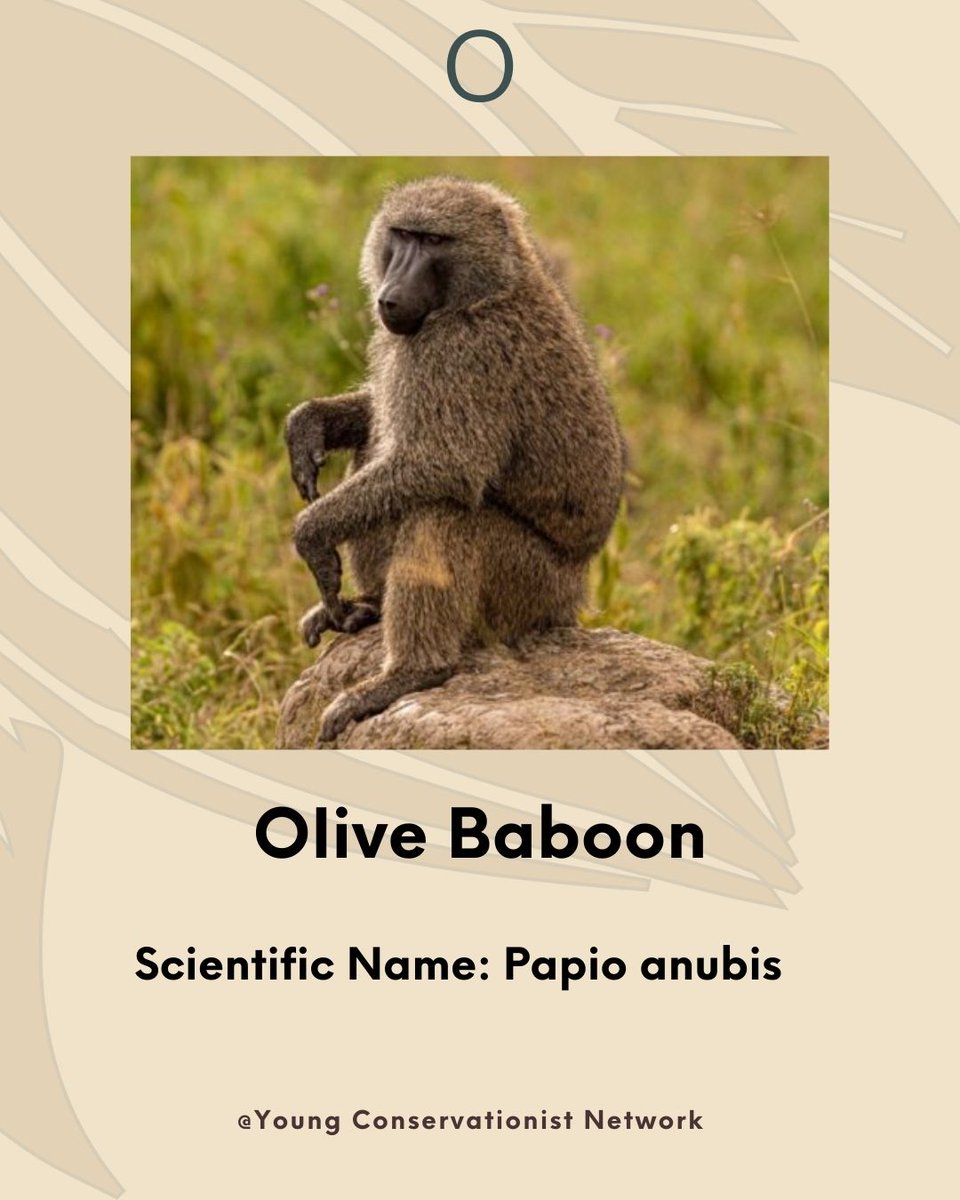
Did you know? The Olive Baboon is also one of the largest species of monkey, with adult males weighing up to 40 kilograms.
#NigerianWildlife #OliveBaboon #Primate #Conservation #OldWorldMonkeys #YoungConservationistNetwork
English

Although they look different from many monkeys, baboons are scientifically classified as monkeys, belonging to the Old World monkey family (Cercopithecidae). The distinction can be explained simply: all baboons are monkeys, but not all monkeys are baboons.
#PapioAnubis
English

ABC of Nigeria’s Wild Animal – Letter O
The Olive Baboon is native to Africa and is the most widespread of the six recognised baboon species—the yellow, chacma, Guinea, hamadryas, Kinda, and olive baboon. Its range extends across 25 countries in Africa.
#olivebaboon #Primate

English