Patrick

131 posts

Patrick

Patrick

@__PaiDaXing_

https://t.co/eZSLb24fr4 Welcome to this Chinese oral learning platform.

Katılım Ocak 2025
678 Takip Edilen685 Takipçiler
Patrick
Patrick@__PaiDaXing_·
@jellykeikeu Between same‑sex friends, “我对你有意思” usually means I admire you, I think you’re great, or I’m interested in you as a person.
English
1
0
2
50
Kei.
Kei.@jellykeikeu·
today's chinese study session 🇨🇳📚 checked to-do list: ✅️ finish 新 HSK 2's workbook: 从第六课到第七课 (chapter 6-chapter 7). ✅️ pre-learn 新 HSK 2's textbook: 第八课 my favorite new vocabulary that i learned: ♡ 爱情片 (ài qíng piàn) : romance film ♡ 有意思 (yǒu yì si) : interesting ‼️BUT‼️ there's a cute phrase that 我老师 taught me: "我对你有意思" means "i have a crush on you" or "im interested in you." it's usually used when a guy and a girl are in their talking stage hehe ~(˵ ¬ᴗ¬˵)~ #studytwt #langtwt #learnmandarin #learnchinese #studylog
Kei. tweet mediaKei. tweet mediaKei. tweet media
中文
4
1
19
292
Patrick
Patrick@__PaiDaXing_·
chinese learning tip! ✨🇨🇳 have you noticed that chinese people often answer questions very indirectly? 🥲 for example: instead of saying: “yes” or “no” many native speakers say things like: “还行吧” “差不多” “可能吧” “再看看” the meaning depends heavily on: • tone • context • relationship • emotion sometimes “还行吧” means: “pretty good” and sometimes it secretly means: “not really…” 😭 that’s why real spoken chinese can feel confusing even if you understand every word individually 🎧💭 learning chinese is not only about translation. it’s also about understanding feelings, social situations, and the hidden meaning behind simple expressions 🌱🇨🇳
English
0
0
1
20
Patrick
Patrick@__PaiDaXing_·
chinese learning tip! ✨🇨🇳 one reason native chinese sounds so difficult is because chinese people rarely say everything directly 🥲 for example: instead of saying: “我有一点累” (i’m a little tired) many people simply say: “有点累” or even just: “累死了 😭” native chinese is full of: • shortened sentences • emotional expressions • hidden context • tones that change the feeling completely that’s why memorizing vocabulary alone often isn’t enough to understand real conversations 🎧💭 lately i’ve been trying to learn chinese more naturally through short real-life clips and sentence-by-sentence listening 👀✨ replaying one sentence at a time really helps with: 📖 understanding meaning in context 🎧 catching natural pronunciation 🗣️ noticing how natives actually speak ✨ feeling the emotion behind the words real chinese is not just language. it’s also personality, emotion, and culture 🌱🇨🇳
English
0
0
2
20
李老师不是你老师
李老师不是你老师@whyyoutouzhele·
马斯克小儿子穿中国风马甲 5月14日上午,马斯克与苹果CEO库克、英伟达CEO黄仁勋等十余名美方商界代表一同进入中美元首会谈现场。 引人注目的是,54岁的马斯克此行带上了6岁的小儿子,照片显示他穿着一件带有中式元素的上衣。
李老师不是你老师 tweet media
中文
951
1.6K
28.6K
4.2M
Patrick
Patrick@__PaiDaXing_·
One Chinese sentence I really love: “欲买桂花同载酒,终不似,少年游。” A soft English translation would be: “I want to buy osmanthus flowers and travel with wine again… but it will never feel the same as when I was young.” What makes Chinese poetry beautiful is that it rarely explains emotions directly. There is no long explanation about nostalgia or growing older. Just: flowers, wine, travel, memory. And somehow you can still feel the sadness quietly hidden inside the sentence. That’s one reason learning Chinese feels special to me. Sometimes the emotion is not spoken clearly. It’s simply left between the words.
English
0
0
2
45
Patrick
Patrick@__PaiDaXing_·
@jellykeikeu Did you add my WeChat successfully? I can practice Chinese with you.My mother tongue is Chinese.
English
0
0
0
11
Kei.
Kei.@jellykeikeu·
@__PaiDaXing_ once i have time, i will review and promote this! thank you <3
English
1
0
1
34
Patrick
Patrick@__PaiDaXing_·
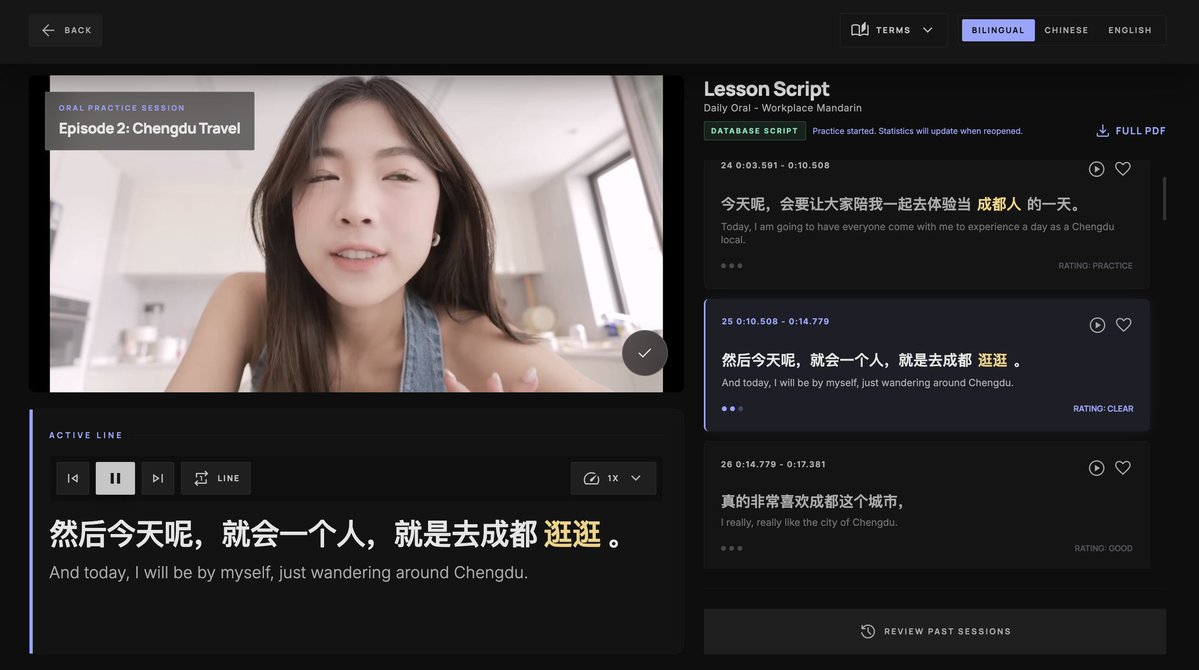
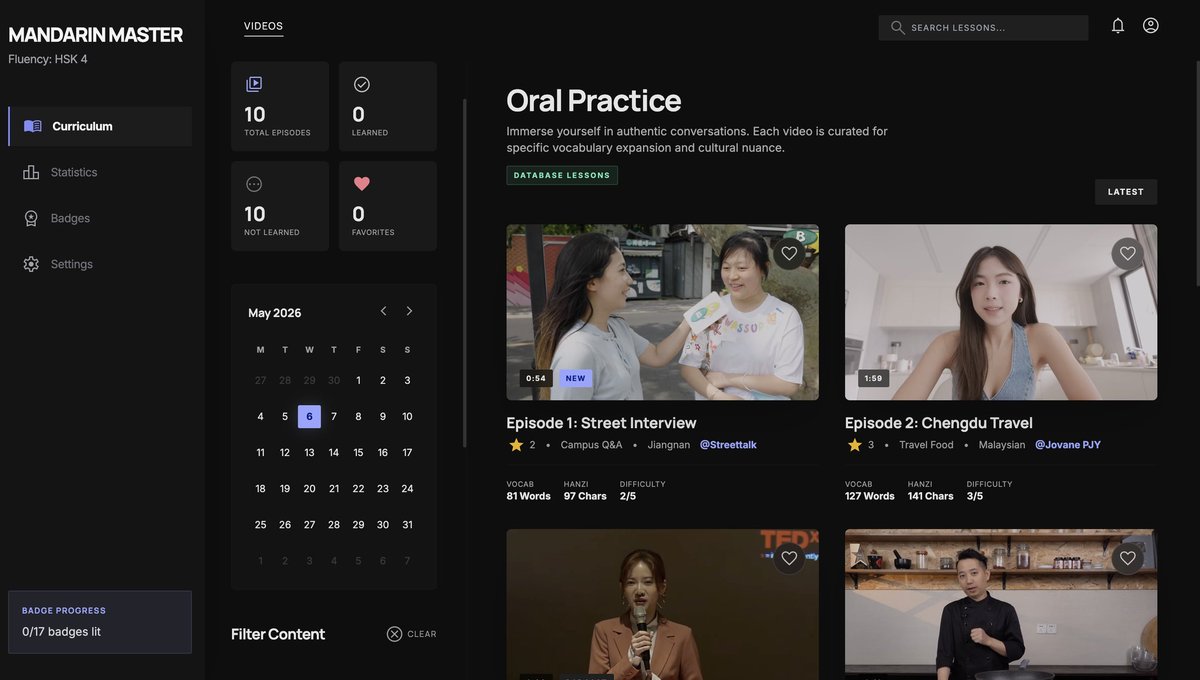
chinese learning tip! ✨🇨🇳 # speakcn.com do you ever feel like textbook chinese is too “clean”… but real native chinese is way too fast? 🥲 maybe cartoons feel too childish for you, but podcasts are still too difficult to follow? 🎧💭 i’ve noticed many chinese learners know vocabulary, but still struggle to understand how chinese is actually spoken in real life. because native speakers: • skip words • shorten sentences • use a lot of context • speak emotionally instead of literally so lately i’ve been learning chinese through short real-life style videos and sentence-by-sentence listening 👀✨ being able to replay one sentence at a time helps sooo much for: 📖 understanding context 🎧 improving listening 🗣️ noticing natural expressions ✨ learning how native chinese actually sounds real chinese is not only vocabulary. it’s rhythm, tone, emotion, and culture too 🌱🇨🇳
Patrick tweet mediaPatrick tweet media
English
1
0
3
66
Patrick
Patrick@__PaiDaXing_·
@DBSdabaisha 大帝你还是把okb换成TON我都觉得更有希望回本,哈哈哈
中文
1
0
1
76
大帝
大帝@DBSdabaisha·
什么情况 好久没有看sol和okb了 之前不是okb一直领先吗 今天一看怎么又被反超了10刀 okb 能不能给我争口气
大帝 tweet media
中文
32
0
17
2.5K
H.E. Justin Sun 👨‍🚀 🌞
稳定币在波场已经900亿啦,本周努力补补课,把一千亿突破了,Q2做完,不留到Q3了
中文
254
35
489
123.9K
Patrick
Patrick@__PaiDaXing_·
One thing that surprises many Chinese learners: Chinese people use idioms much more often than you might expect. Not only in books or formal writing, but even in daily conversations. Sometimes just 4 characters can express an entire emotion or situation. For example: “骑虎难下” (riding a tiger and unable to get off) It describes the feeling of getting stuck in something you can no longer stop. Or: “嘴硬心软” (hard words, soft heart) Someone who sounds cold or stubborn, but actually cares deeply inside. That’s why learning Chinese is not only about vocabulary or grammar. A lot of real Chinese communication is hidden inside culture, emotion, and expressions that cannot be translated word-for-word.
English
0
0
2
65
Patrick
Patrick@__PaiDaXing_·
One Chinese expression I really like: “嘴硬” (literally: “hard mouth”) It describes someone who refuses to admit their real feelings. Maybe they care a lot… but act like they don’t care. Maybe they miss someone… but still say: “我无所谓” (“I don’t care.”) It’s the kind of person who acts emotionally strong on the outside while struggling internally. Chinese has many expressions like this. Not just vocabulary, but tiny descriptions of human emotions.
English
0
0
2
64
Patrick
Patrick@__PaiDaXing_·
One Chinese phrase that is almost impossible to translate perfectly: “来都来了” Literal translation: “You already came.” But the real meaning is closer to: “Well… we’re already here, so we might as well do it.” Chinese people use this phrase all the time to justify continuing something: buying something eating more food going somewhere making impulsive decisions 😂 But emotionally, it also carries a feeling of: acceptance compromise persuading yourself giving meaning to effort already spent That’s why learning Chinese is not only about translating words. A lot of meaning lives inside culture, emotion, and context.
English
0
0
2
35
Patrick
Patrick@__PaiDaXing_·
@wangzan101 前段时间不是说额度翻倍了吗 haha😂😂
中文
1
0
0
63
王赞
王赞@wangzan101·
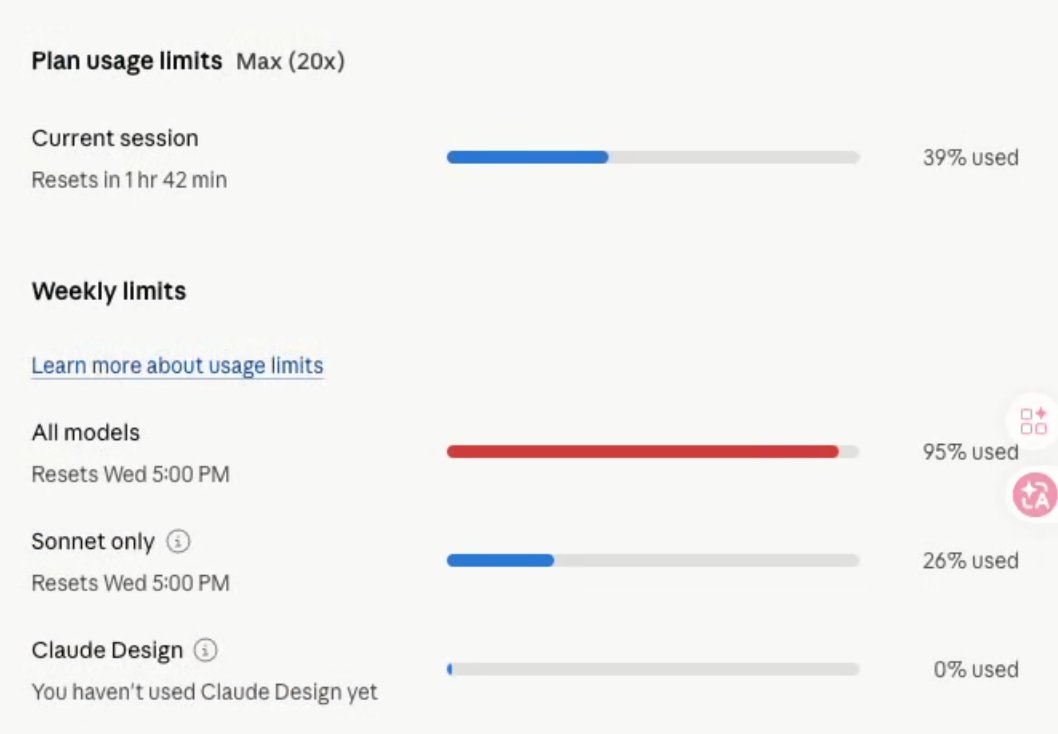
非常诡异,非常不合理,和之前一样的使用场景,但是周额度竟然快用完了,消耗怎么这么快,有没有同感的,Claude Code编程消耗变大了。
王赞 tweet media
中文
3
0
1
1.1K
Patrick
Patrick@__PaiDaXing_·
@thedanyopang You're right. The most important thing is the method.
English
1
0
1
71
Danyo Pang 🍊
Danyo Pang 🍊@thedanyopang·
Chinese learning is 10% method, 90% consistency. But that 10% determines if your 90% actually works. Wrong method + daily practice = fluent in bad habits Good enough method + daily practice = actual progress Find something that works. Then show up every single day.
English
2
7
47
1.1K
nara !!
nara !!@0bNARA·
three more weeks until i leave china
nara !! tweet media
English
6
0
68
1.8K
ₕₐₘₚₜₒₙ
ₕₐₘₚₜₒₙ@hamptonism·
Please make it to Shenzhen/Hong Kong as early as you can in life. You will not regret this.
English
150
465
7K
424.4K
Patrick
Patrick@__PaiDaXing_·
Hey! I’ve seen some of your Chinese learning posts and honestly your consistency is really impressive 😊 A lot of people start learning Chinese, but very few stay this disciplined. I’ve been working on a small project focused on understanding real spoken Chinese through short videos and sentence-by-sentence learning. Since you’re seriously learning Chinese, I’d genuinely love to hear your thoughts on it sometime!
English
0
0
0
3
jegævi
jegævi@jegaevi·
One thing that happened after 30 episodes that I just realised is that I can finally understand the words I do know when I hear them. That wasn't the case before. So it didn't help with picking up new vocab, but it did wonders to my listing comprehension.
jegævi@jegaevi

I watched 30 episodes of One Piece and my takeaway is that pure immersion won't cut it. It's the best to combine it with sentence mining. I learned the words boat, hat, pirate, island, damn, idiot, goal, treasure, dream, and idea, but all that over 10 hours of watching.


English
3
0
17
1.3K
Patrick
Patrick@__PaiDaXing_·
One reason Chinese feels difficult is that native speakers rarely say the full sentence. For example: Textbook Chinese: “你吃饭了吗?” “Have you eaten?” Real spoken Chinese: “吃了吗?” Or even just: “吃没?” Chinese speakers constantly shorten sentences because so much meaning comes from context. If two people already understand the situation, they don’t need to say every word clearly. That’s why many Chinese learners can recognize vocabulary but still struggle with real conversations. Native Chinese is not just vocabulary. It’s rhythm, context, tone, and shared understanding.
English
0
0
2
61
Patrick
Patrick@__PaiDaXing_·
You’re probably not bad at Chinese. You’re just learning from Chinese that is too clean. Textbook Chinese: “你好吗?” “我很好。” Real Chinese: “还行吧” “就那样” “吃了吗” “行行行” Native speakers skip words, shorten sentences, change tones, and rely heavily on context. That’s why many Chinese learners can memorize vocabulary but still struggle to understand real conversations. I’ve been building a small project around this idea: helping learners understand real spoken Chinese sentence by sentence through short videos. Because language makes more sense in context than in isolated word lists.
English
0
0
1
46