

iker
7.3K posts

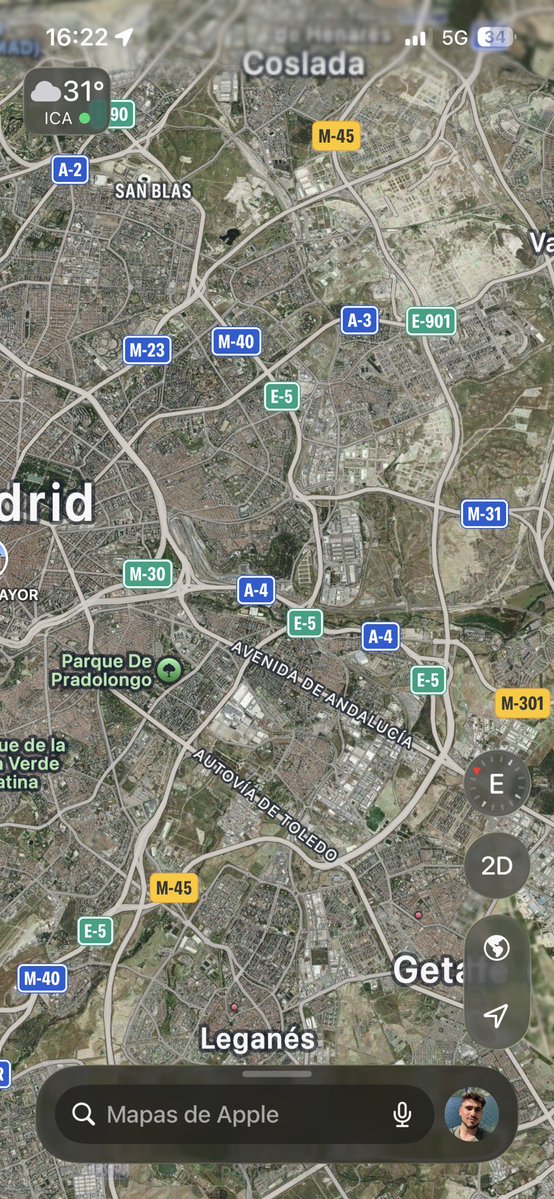

Spain narrowly managed to avoid the switch to car-centric urban planning in the 20th century and now they have cities filled with dense mixed-use urbanism and high speed rail all over the country. Really makes you think
Loeckske🦊🇳🇱@Loeckske
These images show 2 High Speed Rail systems. Guess wich costed more to build? 😶
English
ps q llegue a España yaa
NoLimit@NoLimitGains
The housing market is about to go negative for the first time since… 2007
Español



everyone loves to talk about spanish high speed rail but no one talks about the y vasca, for which plans first were announced in the 90s, construction began in ‘06 and it won’t open as things stand until at least the 2030s.
Loeckske🦊🇳🇱@Loeckske
These images show 2 High Speed Rail systems. Guess wich costed more to build? 😶
English

La barrera de los 150k es bien conocida. Lleida (146k) poblaco grande de mala muerte, Logroño (152k) pequeña ciudad con encanto
guiitooo@Guitoo21
"León es un pueblo grande, Burgos es otro nivel" paleto, paleto, paleto, paleto, paleto.
Español
Como debería ser la R-Aeroport. Un servicio Avant que conectara los aeropuertos de Girona y Reus con Barcelona (y el Prat, soy consciente se que habria que construir una via que pasara por el Prat. La alternativa a la ampliación del Prat. Digo de antemano que es IA y el mapa 💀💀

Arnau Urgell i Vidal@arnauurgell
🟢El Govern descarta modificar l'R-Aeroport malgrat la pressió dels Comuns 🟡L'executiu preveu que a mitjà termini la línia operada per FGC s'allargui fins a Terrassa 🔴Entitats com @transportpublic fa més de 10 anys que critiquen aquesta nova llançadora naciodigital.cat/societat/el-go…
Español
@___aaddrriiaann la IA no podria hacer esto. La realidad siempre supeena a la ficcion
Español

Que alguien me confirme que es IA por favor
Jotaduto@jotaduto
Nadie: Absolutamente nadie: La Audiencia Nacional a José Luis Rodríguez Zapatero:
Español
Está claro que España es una gerontocracia: se chupa la sangre a la clase trabajadora para beneficiar al grupo poblacional más rico, los mayores de 65 años. Hay una redistribución de los más pobres a los más ricos.
elDiario.es@eldiarioes
🔴El Gobierno aprueba el programa 'Cine Sénior': "Las personas mayores de 65 años podrán comprar entradas por 2 euros un día a la semana" También se mantiene el bono joven: "Con la cuantía máxima de 400" eldiario.es/cultura/cine/c…
Español

Dios, la LAV de Jaen qué sentido tiene? No era mas eficiente sacar un ramal desde Puertollano?
M et al@Steb_F
La Rioja is lava
Español

@_alcaidee @MrFluffy_white Puertollano mentioned:
(Fuera coña el cercanías a Puertollano me salvo cuando perdí el ultimo tren desde Badajoz, eso sí 4-5h tardé ☠️)
Español
@rubo_rub3n Real. No sería mas efiicente cuatriplicar la de Sevilla hasta Puertollano (si es que es porque saturada) y sacar un ramlandesde Puertollano?
Español

No entiendo la línea de Jaén. Mira que había formas, pero es que parece la peor posible
M et al@Steb_F
La Rioja is lava
Español
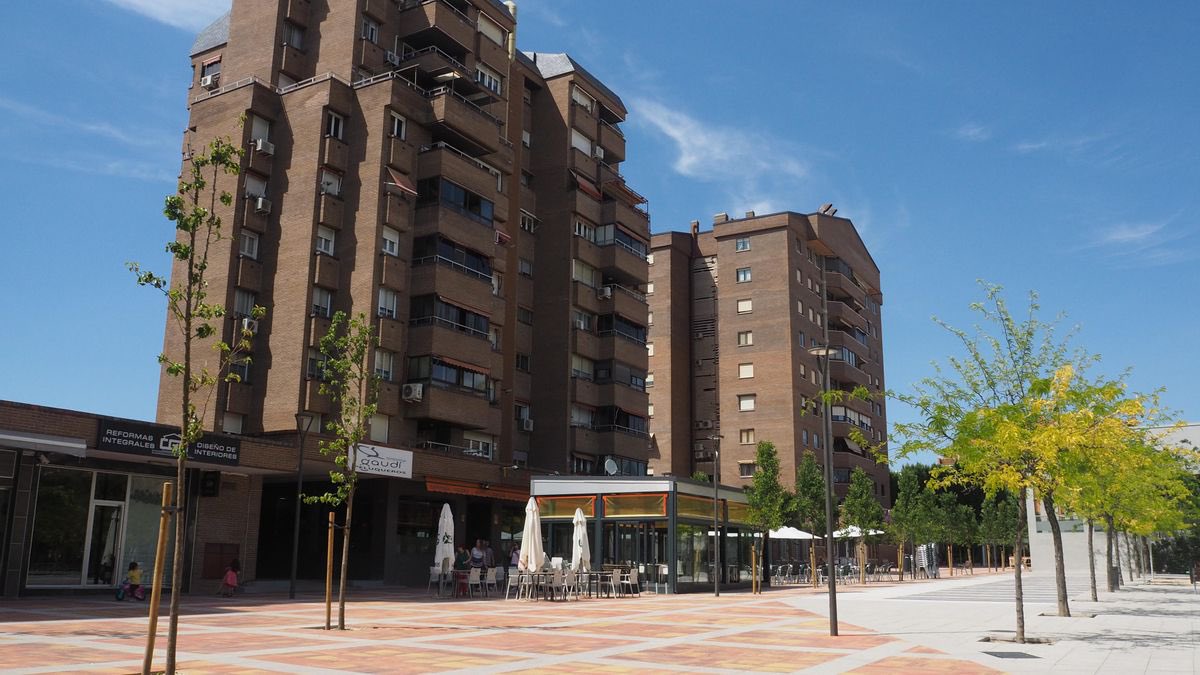

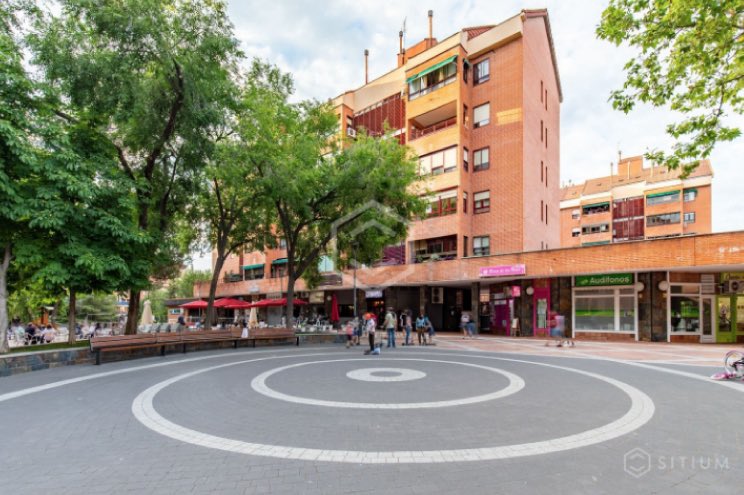
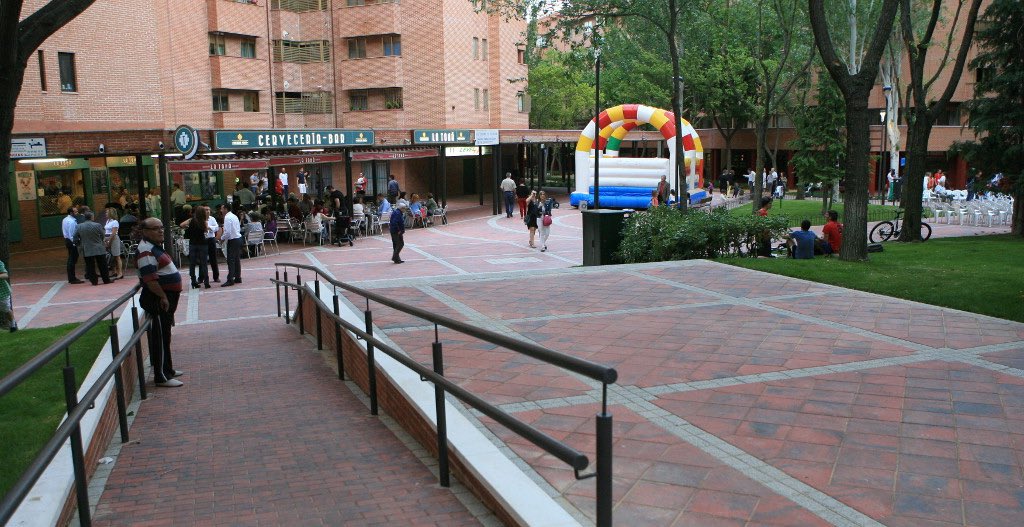

@_alcaidee @SCP_Hughes Do they have shops on the first floors on these housing buildings?
English

Almost all of the cities of the West sprawl, with high rise cores giving way to mid-rise blocks, to rowhouses, to detached homes, to exurbs and only then to countryside. One country stands out as an exception: Spain.
Even today, Spanish cities expand in mid-rise blocks including shops and businesses, served by extensive metros, and structured in traditional courtyard blocks. The style of the facades has changed, but in other respects they are still close to the urbanism of Barcelona’s nineteenth-century Eixample neighbourhood.
This is extremely distinctive. Americans often imagine that all European cities are like this, but actually most Europeans switched over to car-dependent suburbia in the twentieth century, much like the American norm.
worksinprogress.co/issue/why-spai…
Why did Spain diverge?
- Spain remained very poor until late in the twentieth century, limiting suburbanisation. By the time Spain was rich enough for suburbs, new urbanist ideals were already beginning to appear.
- Traditional Spanish flat-building practices were not decimated by rent controls as they were in France and Germany, avoiding a forcible switch to owner-occupied single-family houses.
- The Spanish state still plans street networks like European and American municipalities in the nineteenth century, and Spanish landowners normally pool their land in land readjustment schemes to create a unified landowner.
Spain never really had a conscious plan to diverge from international urban norms – the divergence happened partly by accident. But it shows that multiple ways of building cities remain possible in affluent societies.
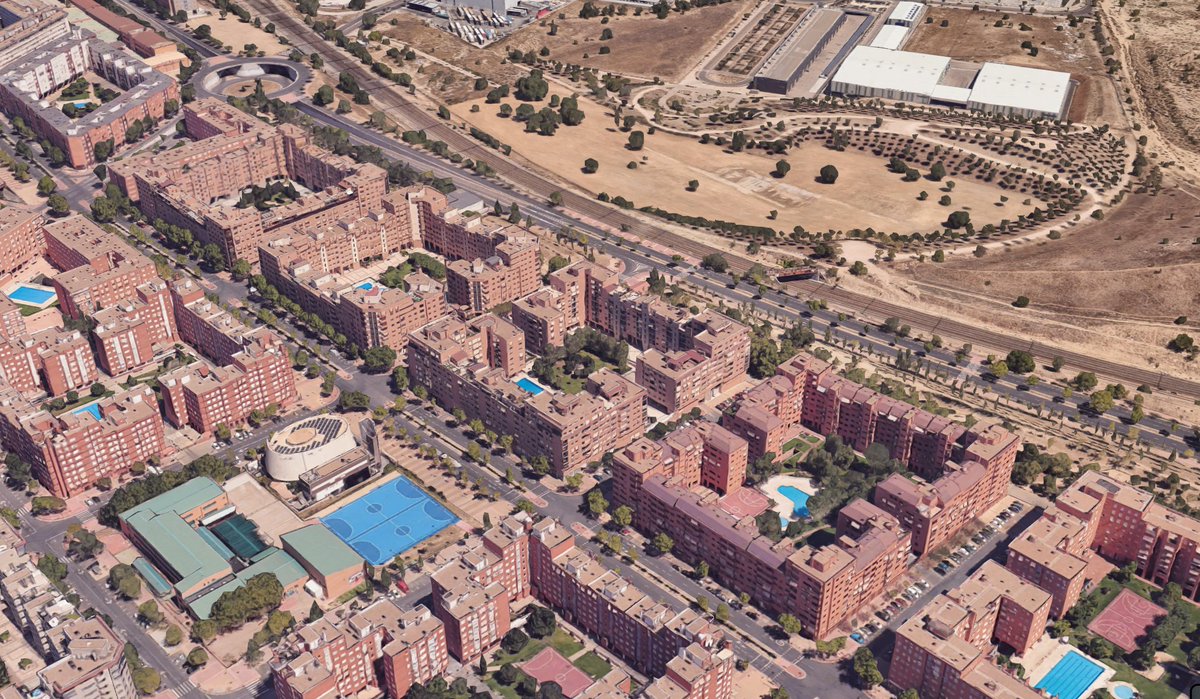
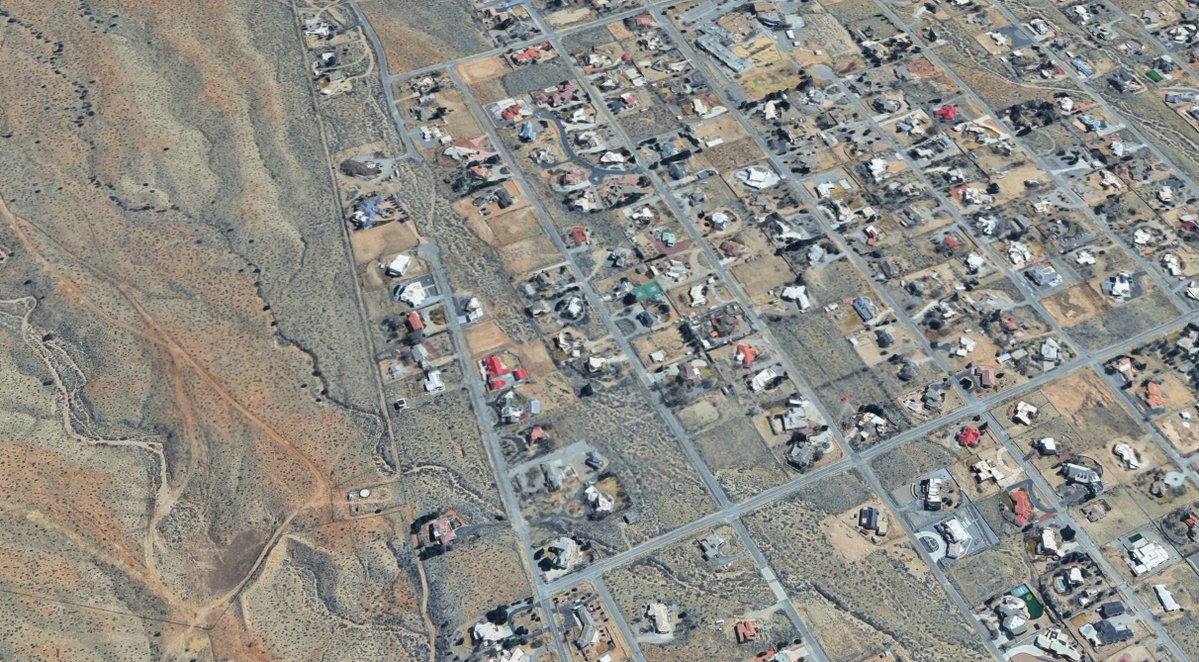
Today, hundreds of Asian cities are near the densities and GDPs of Spain in the 1960s, when the Spanish Divergence began. If they want, they can choose the Spanish path, and grow like modern Madrid (left) rather than modern Alburquerque (right).
English




Qué coño es esto?


Generalitat de Catalunya@gencat
🚆 La Línia Orbital Ferroviària és un projecte de nova infraestructura ferroviària que connectarà els principals corredors metropolitans sense passar per de Barcelona. 🚅 Tindrà 120 km de longitud, 68 dels quals de nova construcció i 40 estacions. 👉 gen.cat/linia-orbital
Español
La realidad es que, aunque los PAUs son páramos inhóspitos, son mucho más densos que la mayoría de suburbios que se construyen en el resto del mundo. España es el único país (a parte de China) en el que construimos pisos de 6 alturas y al lado hay campo abierto.
Samuel Hughes@SCP_Hughes
Almost all of the cities of the West sprawl, with high rise cores giving way to mid-rise blocks, to rowhouses, to detached homes, to exurbs and only then to countryside. One country stands out as an exception: Spain. Even today, Spanish cities expand in mid-rise blocks including shops and businesses, served by extensive metros, and structured in traditional courtyard blocks. The style of the facades has changed, but in other respects they are still close to the urbanism of Barcelona’s nineteenth-century Eixample neighbourhood. This is extremely distinctive. Americans often imagine that all European cities are like this, but actually most Europeans switched over to car-dependent suburbia in the twentieth century, much like the American norm. worksinprogress.co/issue/why-spai… Why did Spain diverge? - Spain remained very poor until late in the twentieth century, limiting suburbanisation. By the time Spain was rich enough for suburbs, new urbanist ideals were already beginning to appear. - Traditional Spanish flat-building practices were not decimated by rent controls as they were in France and Germany, avoiding a forcible switch to owner-occupied single-family houses. - The Spanish state still plans street networks like European and American municipalities in the nineteenth century, and Spanish landowners normally pool their land in land readjustment schemes to create a unified landowner. Spain never really had a conscious plan to diverge from international urban norms – the divergence happened partly by accident. But it shows that multiple ways of building cities remain possible in affluent societies. Today, hundreds of Asian cities are near the densities and GDPs of Spain in the 1960s, when the Spanish Divergence began. If they want, they can choose the Spanish path, and grow like modern Madrid (left) rather than modern Alburquerque (right).
Español
pensaba que era una extension de la ML3 y he chillado
Víctor de Elena@victordeelena
Propuesta de lanzadera de bus a la Pradera de San Isidro: Príncipe Pío - Puerta del Ángel - Pradera
Español