Sabitlenmiş Tweet

literally disraeli 🇬🇷
38.4K posts
@_hpar
serial racist baathist regurgitates nonsense- md 🇺🇦🇦🇲🇵🇸


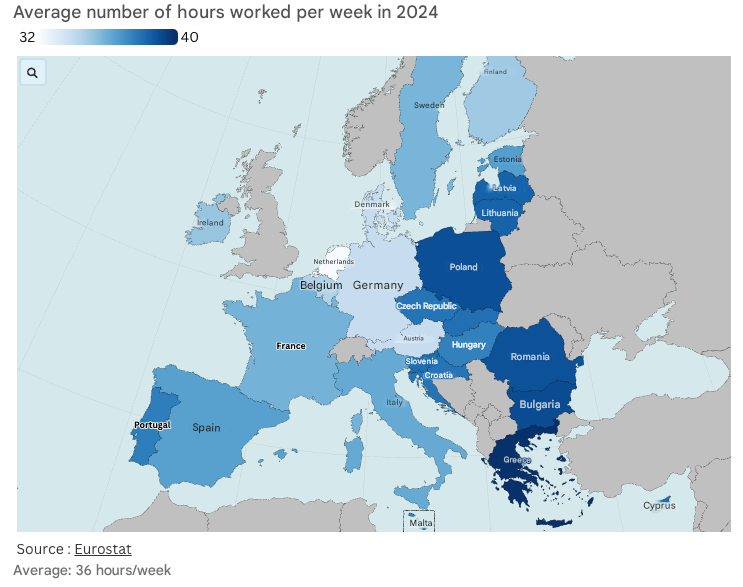
[Cartes] Les Français travaillent-ils moins que leurs voisins européens ? ➡️ l.touteleurope.eu/9gC
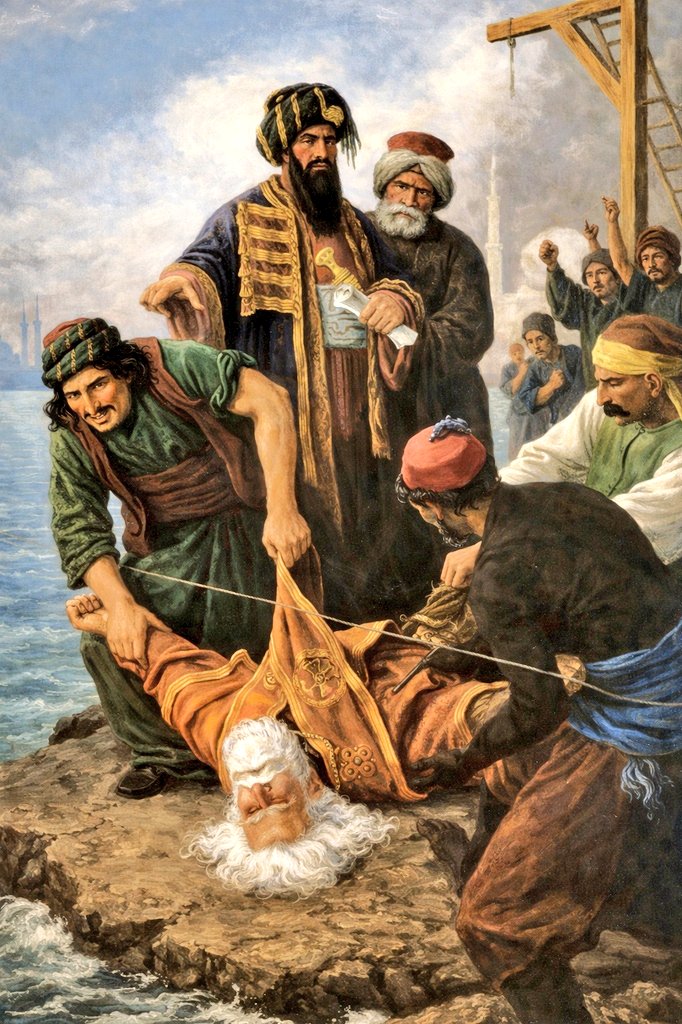


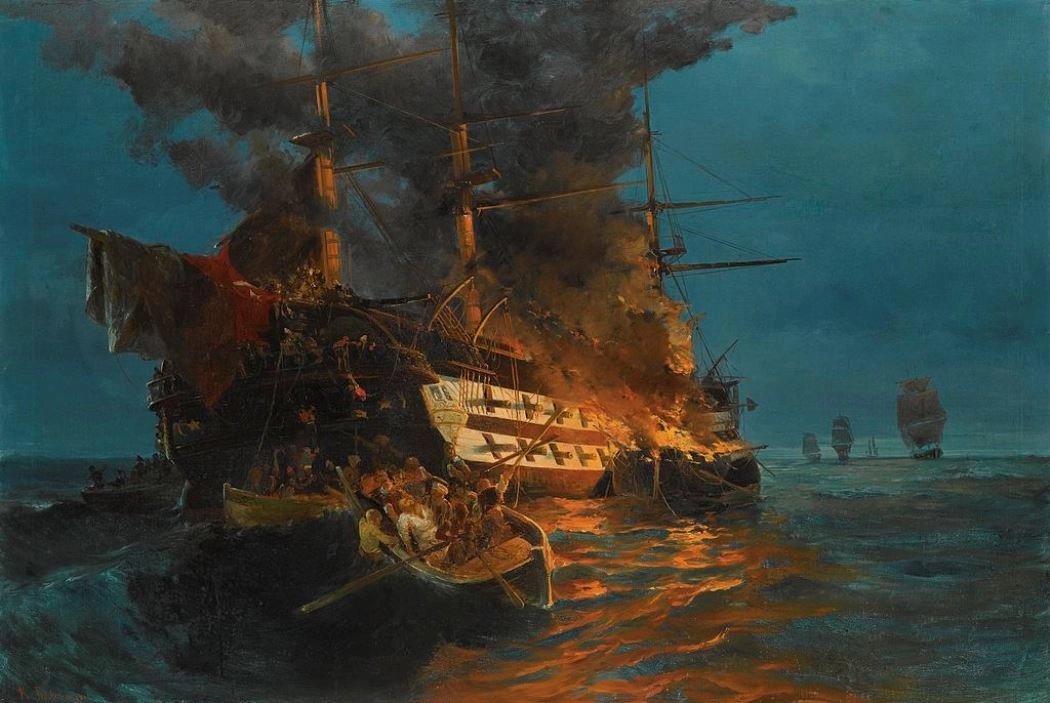
The seer madness and illogical bravery of the Greeks will always leave me speechless. How does the fall of Constantinople connect with the very a literal Heart placed in a museum today as an exhibit? Follow me down this thread for a new rabbit hole:
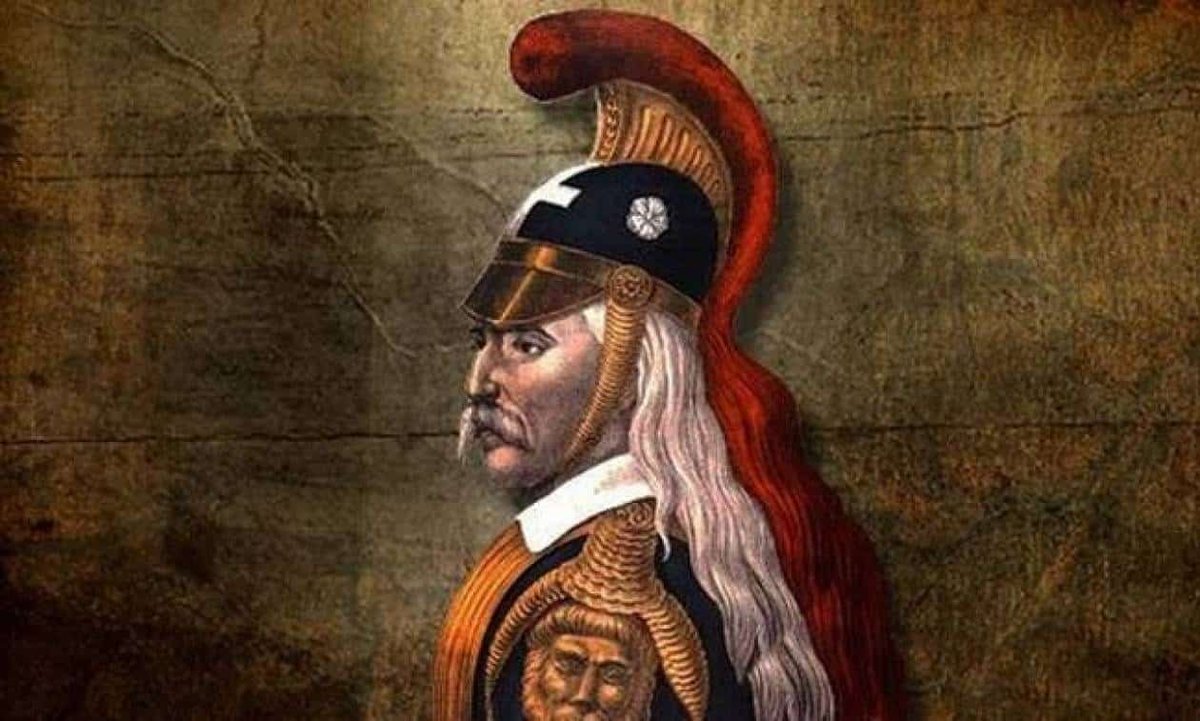
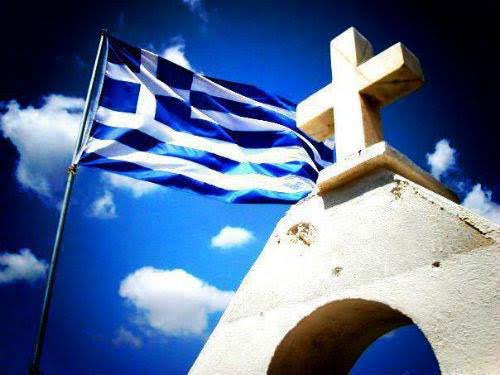
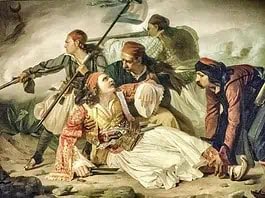
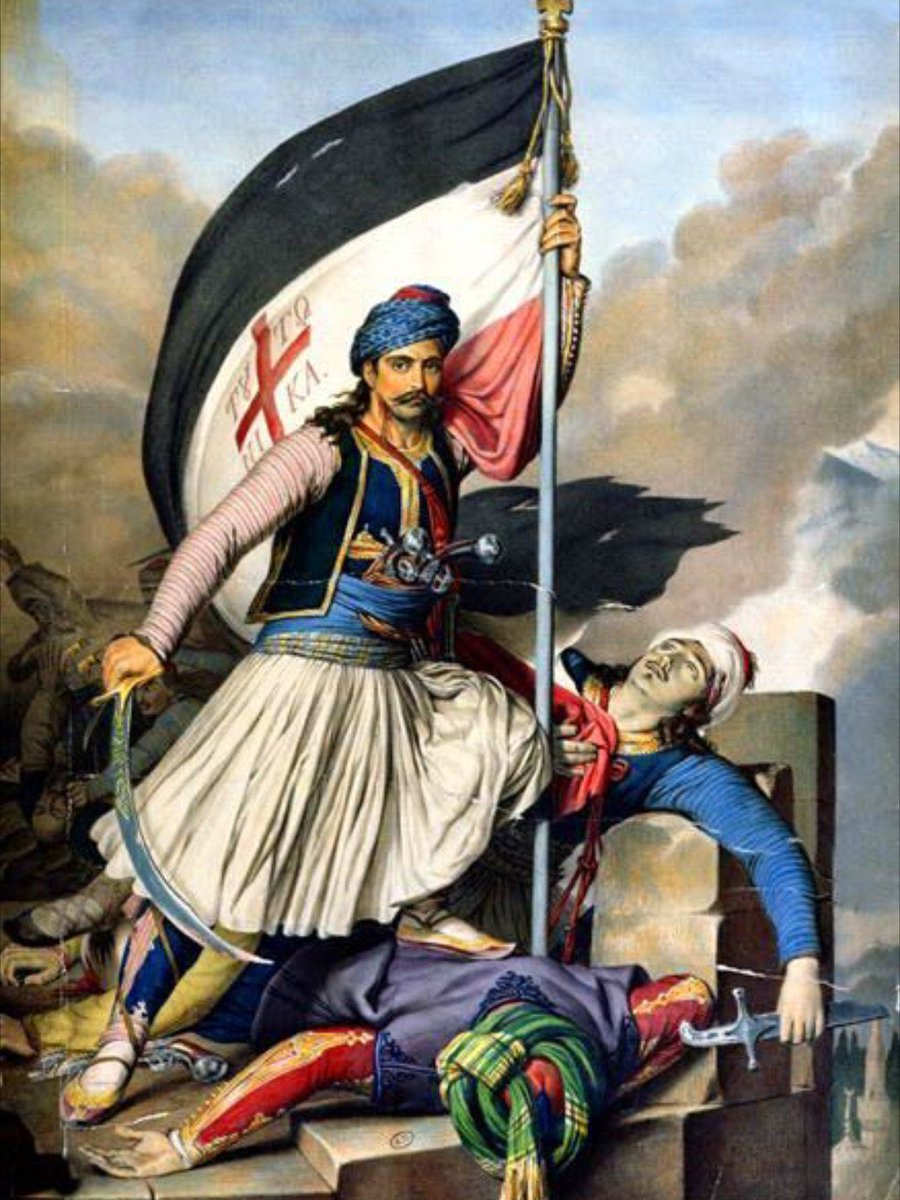
Victory or Death: the flame started from the cradle of Hellenism, the Péloponnèse. Sparta was still alive. The Maniots (people of the Mani Peninsula in the southern Peloponnese) were the true spark of the revolution and among its fiercest fighters. The Mani region’s rugged, mountainous terrain and its inhabitants’ long tradition of autonomy meant they had never been fully conquered by the Ottomans—unlike the rest of Greece. They maintained a semi-independent warrior society, often compared to their ancient Spartan ancestors, with a culture of feuds, bravery, and resistance. 17 March 1821: Maniot leaders gathered in Areopoli and openly declared war on the Sultan—the first formal act of the revolution anywhere in Greece. Led by Petros “Petrobey” Mavromichalis (the elected chieftain of Mani), they raised the revolutionary banner and swore the oath “Victory or Death”, loyal to their Spartan ancestors. Throughout the war, Maniots formed the backbone of Peloponnesian forces. They fought alongside Kolokotronis, Nikitaras, and Papaflessas, defended Mani itself against Ibrahim Pasha’s 1826 invasion (winning key battles at Vergas and Polytsaravo), and used their boats to harass Ottoman supply lines. Their reputation for ferocity and refusal to surrender made Mani an impregnable revolutionary stronghold and a safe base for operations. The Maniot flag (used from 17 March 1821 onward) is distinct from the later national Greek flags. It is a white field with a large blue Greek (Orthodox) cross in the center. Arched above the cross in bold blue (or sometimes gold) letters is the motto: “NIKH H ΘΑΝΑΤΟΣ” (Niki i Thanatos – “Victory or Death”). Below the cross often appears the ancient Spartan phrase “TAN H EPI TAS” (“With your shield or on it”), a reference to the Spartan mothers’ command to their sons: return victorious with your shield or be carried home dead upon it. This flag was raised by Petrobey Mavromichalis in Areopoli and became the symbol of Mani’s contribution. Note the wording: most other Greek revolutionaries used “Eleftheria i Thanatos” (“Freedom or Death”). The Maniots chose “Victory or Death” because they already considered themselves free—Ottoman troops had never occupied their land. The flag is still flown proudly in Mani today during commemorations. This is the flag I raise at my home every year.

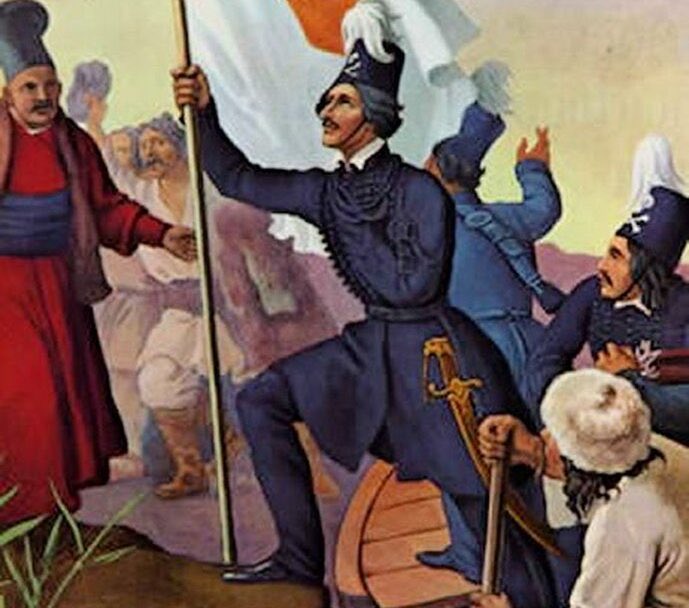
Freedom or Death: The Greeks never stopped fighting against the ottoman yoke; until they broke it and freed themselves. The Greek Revolution of 1821, also known as the Greek War of Independence, was a pivotal armed uprising by Greek revolutionaries against 400 years of Ottoman rule. It began in early 1821 and ended with the recognition of an independent Greek state by 1830–1832. Inspired by the secret society Filiki Etaireia (“Friendly Brotherhood”) and Enlightenment ideas of liberty, the revolt was sparked when Alexander Ypsilantis led a failed expedition into the Danubian Principalities (modern Romania) in February 1821. The real momentum came in the Peloponnese (Morea), where sporadic uprisings turned into a full revolution. The traditional date celebrated as Greek Independence Day is 25 March 1821 (the Feast of the Annunciation), but fighting actually erupted earlier. Freedom or Death was the phrase that carried the fire of Revolution across Greece. It was time to pay the turks back; in blood.
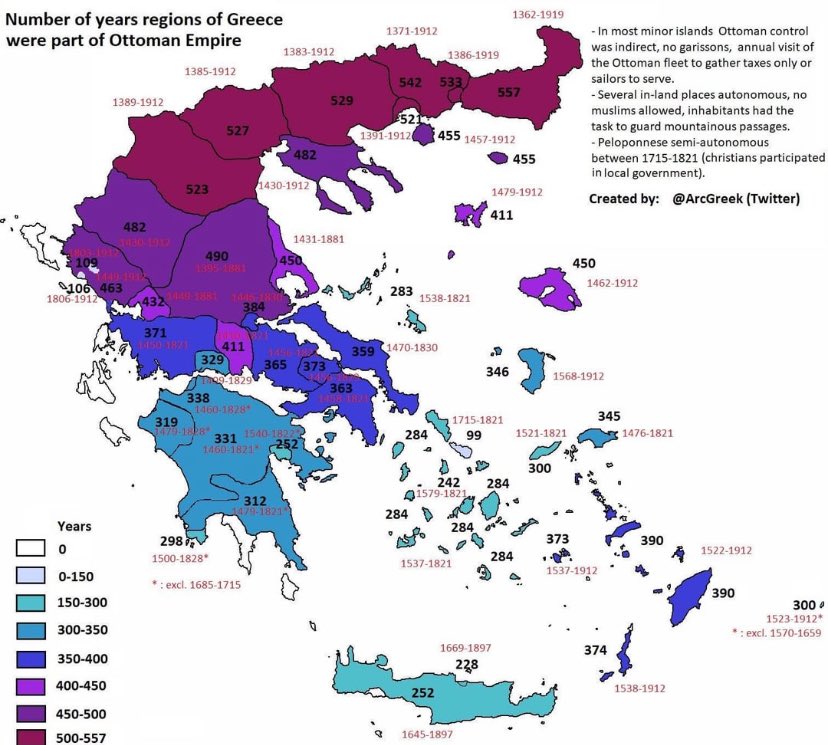
Map with regions the Ottomans targeted for kidnapping Christian children to “reprogram” them through torture. The Balkans and primarily Greece were prime targets; the turks aimed at undermining the robust Christian populations by abducting and weaponizing their children.