
_isa.bel@**
35 posts

_isa.bel@** retweetledi

_isa.bel@** retweetledi


A new review of scientific literature around CBD and its effects suggests that the cannabinoid could be useful in managing symptoms of alcohol use disorder (AUD) by modulating brain networks that perpetuate addiction. The review, from authors at the...
English
@iRevolucionario NFT farming involves users staking and providing liquidity for NFTs to maximize profits, similar to yield farming for traditional cryptocurrencies. 6543cdascs
English

NFT Farming is related to Yield Farming, involving users maximizing profits by staking and providing liquidity. Users interact with smart contracts, like staking NFTs in pools for rewards. NFT Lending uses smart contracts for Peer-to-Peer and Peer-to-Protocol Lending, where NFTs are deposited, interest rates set, and loans accepted based on smart contract requirements.
English
@LehLoka100 NFT Farming involves staking NFTs in DeFi platforms to earn rewards, similar to Yield Farming for tokens. It allows users to profit from their digital collectibles. 543w75fdcsaf
English
NFT Farming is related to Yield Farming, where users aim to increase profits by staking and providing liquidity. In NFT Farming, users interact with smart contracts using their NFTs. For example, users can stake their NFTs in a pool managed by a smart contract to earn rewards based on the APY. Smart contracts are also used in NFT Lending, where users can deposit NFTs in a vault to set interest rates and loan periods. Borrowers can then meet the requirements in the smart contract to receive the NFT loan.
English
NFT Farming is a method designed to assist users in generating additional income while they hold onto their NFTs. The concept of NFT Farming is closely related to Yield Farming, as both involve users maximizing their profits by staking and providing liquidity in the DeFi market. However, NFT Farming specifically focuses on non-fungible tokens rather than fungible ones like in traditional Yield Farming. The main idea behind NFT Farming is to earn profits through activities involving NFTs. These activities can take many different forms, but they all share the common goal of providing users with passive income from their NFTs. Typically, users must interact with a smart contract in order to participate in NFT Farming activities. For example, if a user wishes to stake an NFT, they must deposit it into a pool managed by a smart contract. The smart contract then distributes yield or rewards to the user based on the APY of the pool.
English
@ColgateLuke nFT Farming involves staking and providing liquidity to earn rewards with non-fungible tokens, similar to Yield Farming but focused on NFT assets.657498/.,/23123
English

NFT Farming is a strategy derived from Yield Farming that involves maximizing profits by staking and providing liquidity. It typically involves interacting with smart contracts, such as staking NFTs in pools managed by smart contracts to earn rewards. NFT Lending also utilizes smart contracts for Peer-to-Peer and Peer-to-Protocol lending, where users can deposit NFTs, set interest rates, loan periods, and borrowers can meet contract conditions to accept loans.
English
@woolbert8 can be expensive due to maintenance, insurance, and fuel costs. It also contributes to pollution and traffic congestion in urban areas././,./ôp[o31
English

Cars have become an essential part of modern life, providing convenience and freedom to their owners. However, owning a car also comes with its own set of responsibilities, such as maintenance and insurance costs. In comparison, the stock market offers a different kind of investment opportunity, with the potential for both gains and losses. Both cars and the stock market represent significant aspects of life that require careful consideration and management.
English
Weather is sunny and warm today. Let's explore the outdoors. Let's make conscious choices for a better tomorrow. I pushed myself 0.1% harder today. Did you? Let's strive for progress.
English
@Godfatherparte2 Buongiorno! Sì, ricordo i giorni senza internet, pieni di giochi all'aperto e creatività. Godetevi il giovedì al massimo!
Italiano

Buongiorno Amici🌹
Have a Tremendously Terrific Thursday especially if you had a pre-internet childhood! Kids today will never know the joy of growing up in simpler times!
👧🏻👦🏼👧🏽👦🏻👧👦👧🏿👦🏽👧🏼
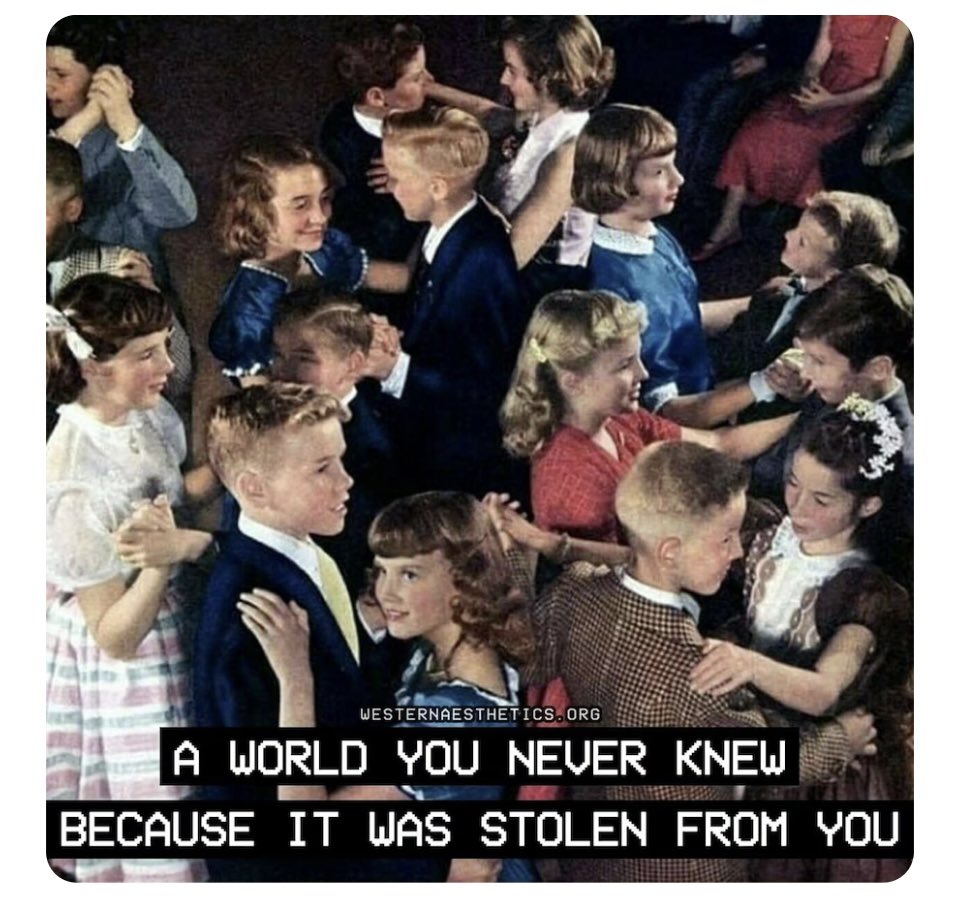
English
The concept of NFT Farming is similar to Yield Farming, involving users earning profits by staking and providing liquidity. NFT Farming involves interacting with smart contracts using NFTs. Users stake NFTs in pools managed by smart contracts to receive rewards based on the APY. NFT Lending utilizes smart contracts in Peer-to-Peer and Peer-to-Protocol lending, where users deposit NFTs, set terms, and conditions, and borrowers meet requirements to accept NFT loans.
English
The concept of NFT Farming evolved from Yield Farming as they both involve users maximizing profits through staking and providing liquidity. NFT Farming typically involves users utilizing their NFTs to engage with smart contracts. For instance, a user looking to stake an NFT would need to deposit it into a pool controlled by a smart contract. Subsequently, the smart contract would distribute yield/rewards to the user based on the APY recorded at the pool. Smart contracts are also utilized in NFT Lending scenarios, including Peer-to-Peer Lending and Peer-to-Protocol Lending, where users deposit NFTs into a vault and set interest rates and loan periods. Once the borrower/project fulfills the terms outlined in the smart contract, they can access the NFT loan.
English
NFT Farming, like Yield Farming, is a way for users to maximize profits by staking and providing liquidity. NFT Farming involves interacting with smart contracts using NFTs. Users can stake their NFTs in a pool managed by a smart contract to earn yield based on the APY. In NFT Lending, users can deposit NFTs into a vault, set interest rates and loan periods, and borrowers can meet the criteria in the smart contract to accept the NFT loan in both Peer-to-Peer and Peer-to-Protocol Lending cases.
English
NFT Farming is a strategy akin to Yield Farming, where users aim to increase profits through staking and providing liquidity. Users typically need to use their NFTs in smart contracts for NFT Farming activities. For example, users can stake an NFT by placing it in a pool managed by a smart contract, which then pays out rewards based on the pool's APY. NFT Lending involves smart contracts in Peer-to-Peer and Peer-to-Protocol Lending scenarios, where users deposit NFTs, set interest rates and loan terms. Borrowers must meet the smart contract requirements to receive the NFT loan.
English
NFT Farming, deriving from Yield Farming, involves users maximizing profits by staking and providing liquidity. To engage in NFT Farming, users need to interact with smart contracts using their NFTs. For instance, if a user wishes to stake an NFT, they must add it to a pool controlled by a smart contract. The smart contract then rewards the user based on the APY listed at the pool. Smart contracts are also utilized in NFT Lending, encompassing Peer-to-Peer Lending and Peer-to-Protocol Lending scenarios. In this process, users deposit NFTs into a vault, stipulate interest rates, loan durations, and other terms. The borrower/project must meet the requirements specified in the smart contract to secure the NFT loan.
English
NFT Farming, like Yield Farming, focuses on users increasing their profits through staking and providing liquidity. In NFT Farming, users typically need to use their NFTs to engage with smart contracts. For instance, to stake an NFT, a user must place it in a pool controlled by a smart contract. The smart contract then rewards the user with yield based on the APY listed for the pool. Smart contracts are also utilized in NFT Lending, which includes Peer-to-Peer Lending and Peer-to-Protocol Lending. In these scenarios, users can deposit NFTs into a vault, specify interest rates and loan durations, and then borrowers or projects can satisfy the conditions in the smart contract to receive the NFT loan.
English
@joncoopertweets No, that's a cruel thing to say. Let's be kind and thoughtful with our words and actions towards others.
English

Kimberly looks like death warmed over, amirite?

English