Marcos Carranza B.

3.8K posts

Marcos Carranza B. banner
Marcos Carranza B.

Marcos Carranza B.

@_marcos_c_b

Economist @FEconomiaUNAMof | I do programming 🖥️ and econometrics 📊 | I play #squash 🎾 and love #cinema 🎥

Ciudad de México Katılım Ekim 2015
3.9K Takip Edilen1K Takipçiler
Sabitlenmiş Tweet
Marcos Carranza B.
Marcos Carranza B.@_marcos_c_b·
Después de varios intentos, rechazos y aprendizajes, hoy puedo decir que fui aceptado en 2 propedéuticos en México 🇲🇽 y 2 maestrías en Barcelona 🇪🇸✨ Valió la pena no rendirse 🚀📚
Español
3
0
17
2K
Marcos Carranza B. retweetledi
Juan F Jimeno
Juan F Jimeno@jfjimenoserrano·
Robert Solow: "Todo le recuerda a Milton [Friedman] la oferta monetaria. Bueno, a mí todo me recuerda al sexo, pero lo mantengo fuera de mis papers" Una manera ingeniosa de recomendar no incluir sesgos ideológicos en análisis económicos.
Español
4
47
550
20.5K
Marcos Carranza B. retweetledi
The Economic Misfit
The Economic Misfit@EconomicMisfit·
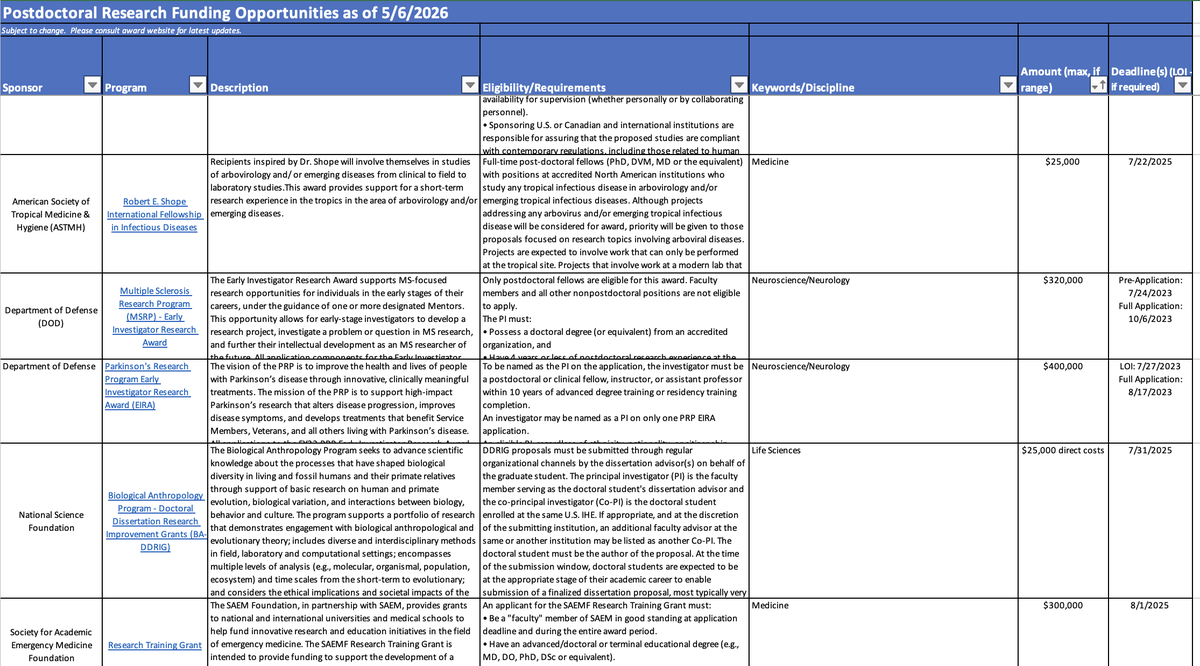
🚨Postdoctoral Funding Opportunities Database Alert 🚨 A continuously updated repository of postdoctoral funding opportunities is now available, featuring federal and private funding calls for postdoctoral researchers across a wide range of disciplines. The database can be searched by Research area, Funding amount, Deadline and timeline etc The repository is designed to help PhD students and postdoctoral researchers identify relevant fellowships, grants, and research funding opportunities more efficiently. Download available in Excel (.xlsx) format: research.jhu.edu/rdt/funding-op…
The Economic Misfit tweet media
English
1
15
49
5.8K
Marcos Carranza B. retweetledi
Daron Acemoglu
Daron Acemoglu@DAcemogluMIT·
Simon Johnson and I are hiring a postdoc at MIT to research the history, social implications, and future of technology. The job description and application link are available here: shapingwork.mit.edu/careers/james-…
MIT Stone Center on Inequality & Shaping Work@MITshapingwork

We're hiring a postdoc at MIT! The Postdoctoral Associate will work closely with @DAcemogluMIT and @baselinescene to conduct research on the history, social implications and future of technology. Learn more and apply by June 15: shapingwork.mit.edu/careers/james-…

English
8
94
386
189.6K
Tendencias en Argentina
Tendencias en Argentina@porqueTTarg·
"Invento" Porque una brasileña llamada Júlia Pimentel, de 11 años, creó una fórmula simple para calcular la raíz cuadrada y salió en una revista científica.
Tendencias en Argentina tweet mediaTendencias en Argentina tweet media
Español
117
958
36.5K
1.7M
Martin
Martin@martinmrmar·
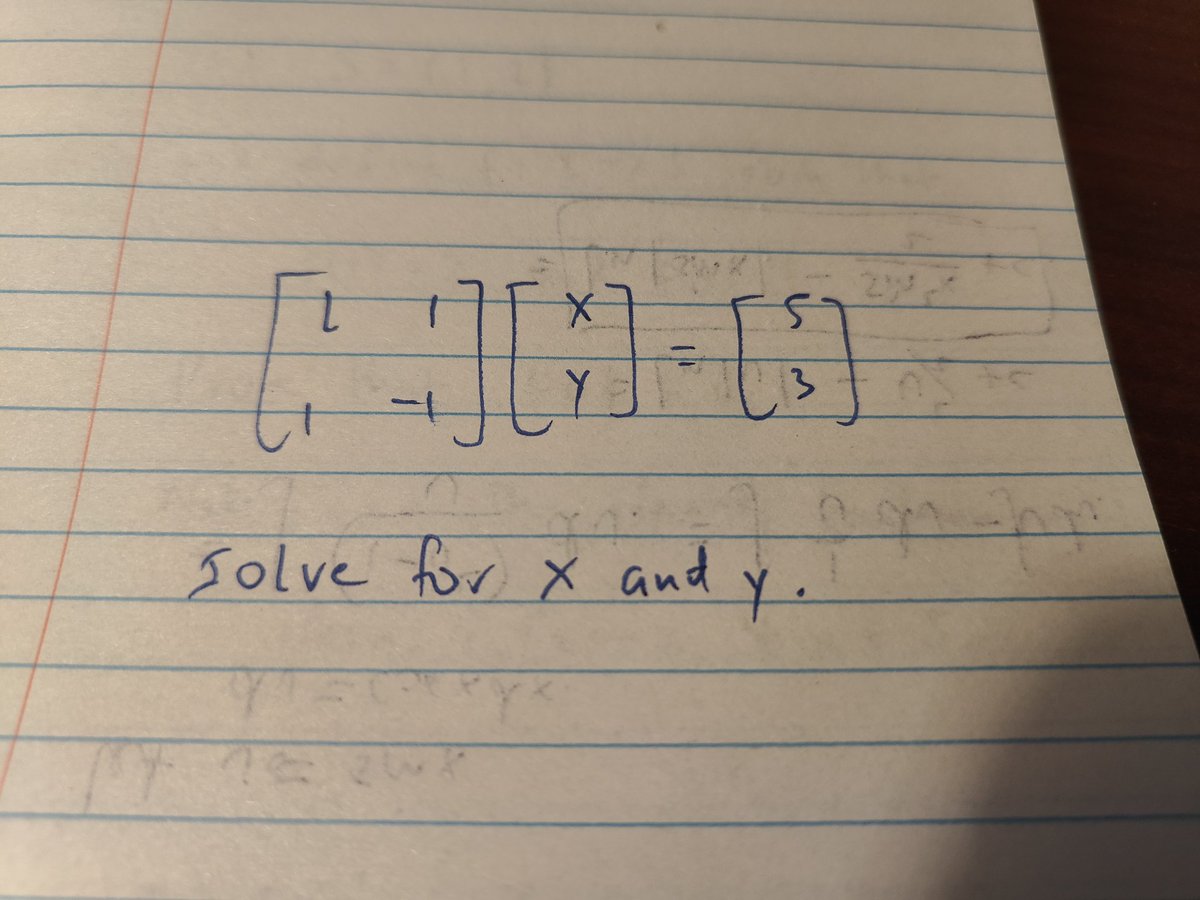
Today's problem for you 😎
Martin tweet media
English
17
2
92
10.6K
Marcos Carranza B. retweetledi
Nicholas Decker
Nicholas Decker@captgouda24·
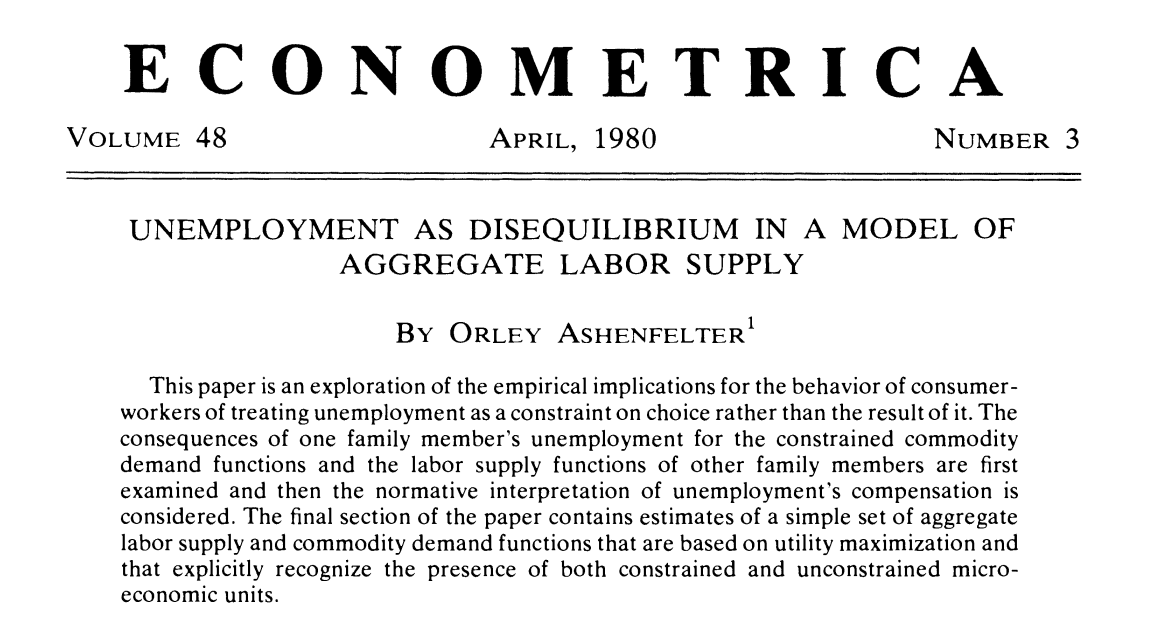
Unemployment insurance is usually justified on the grounds that people are unable to smooth their consumption fully across periods. This is a striking argument that, actually, unemployment insurance could be welfare-increasing even with perfect borrowing markets! 1/
Nicholas Decker tweet media
English
2
8
156
11.8K
Marcos Carranza B. retweetledi
José Luis Escrivá
José Luis Escrivá@joseluisescriva·
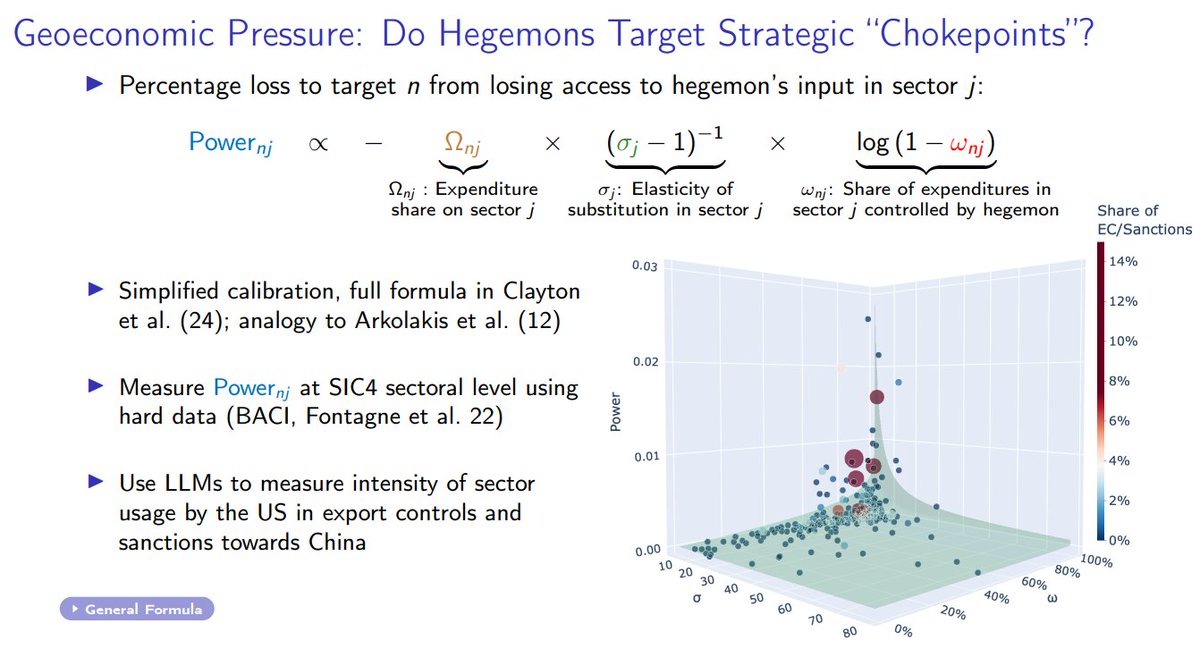
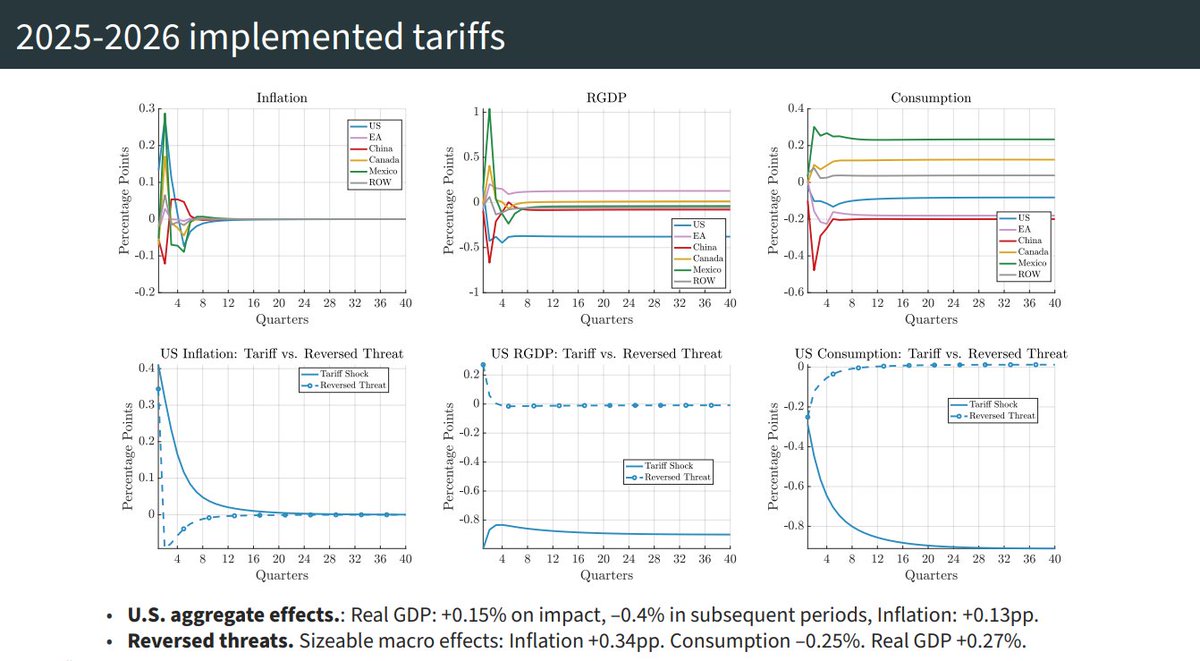
You can access all the presentations from the different sessions of the I Banco de España LatAm Economic Forum here: bde.es/wbe/es/noticia… Highly recommended — the level of discussion was truly outstanding. Thank you all for participating, and see you at the next edition!
José Luis Escrivá tweet mediaJosé Luis Escrivá tweet mediaJosé Luis Escrivá tweet mediaJosé Luis Escrivá tweet media
English
1
14
42
3.1K
Marcos Carranza B. retweetledi
Tommaso
Tommaso@Tommix____·
Just wanted to know why government deficits are bad…how is this economics?! lol
Tommaso tweet media
English
89
125
1.8K
148.5K
Marcos Carranza B. retweetledi
Ricardo Perez-Truglia
Ricardo Perez-Truglia@pereztruglia·
🚨 Are you about to submit an Economics paper? I made a free tool that suggests journals/editors that may be a good fit. Super easy to use. Just upload a PDF of your paper: chatgpt.com/g/g-69fbdb3e6a… #EconTwitter 1/
English
12
151
850
63.5K
Marcos Carranza B. retweetledi
Arturo Espinosa
Arturo Espinosa@EspinosaSilis·
Vivir en la #CDMX se ha vuelto difícil. 1. El tráfico fuera de control de manera permanente. El tiempo que inviertes en traslados es absurdo. 2. La vida cada vez es más cara. 3. La autoridad ausente. No hay día que no vea policías que lejos de ayudar a resolver el caos, son causantes de más desorden. 4. La gente cada día más agresiva, incluso violenta. Diario veo pleitos, gritos, cerrones, agresiones constantes. Hay cero tolerancia. 5. Los espacios públicos se están perdiendo poco a poco. Y ni se diga de los servicios públicos, 6. Ya hasta el clima se ha complicado, se ha vuelto extremoso, mucho calor, mucha lluvia. Desde luego tiene cosas muy positivas como excelente gastronomía y grandes eventos. Pero en el día a día no son los que prevalecen.
Español
154
330
1.5K
83.9K
Marcos Carranza B. retweetledi
Mehmet Songur
Mehmet Songur@mehmetsongur_·
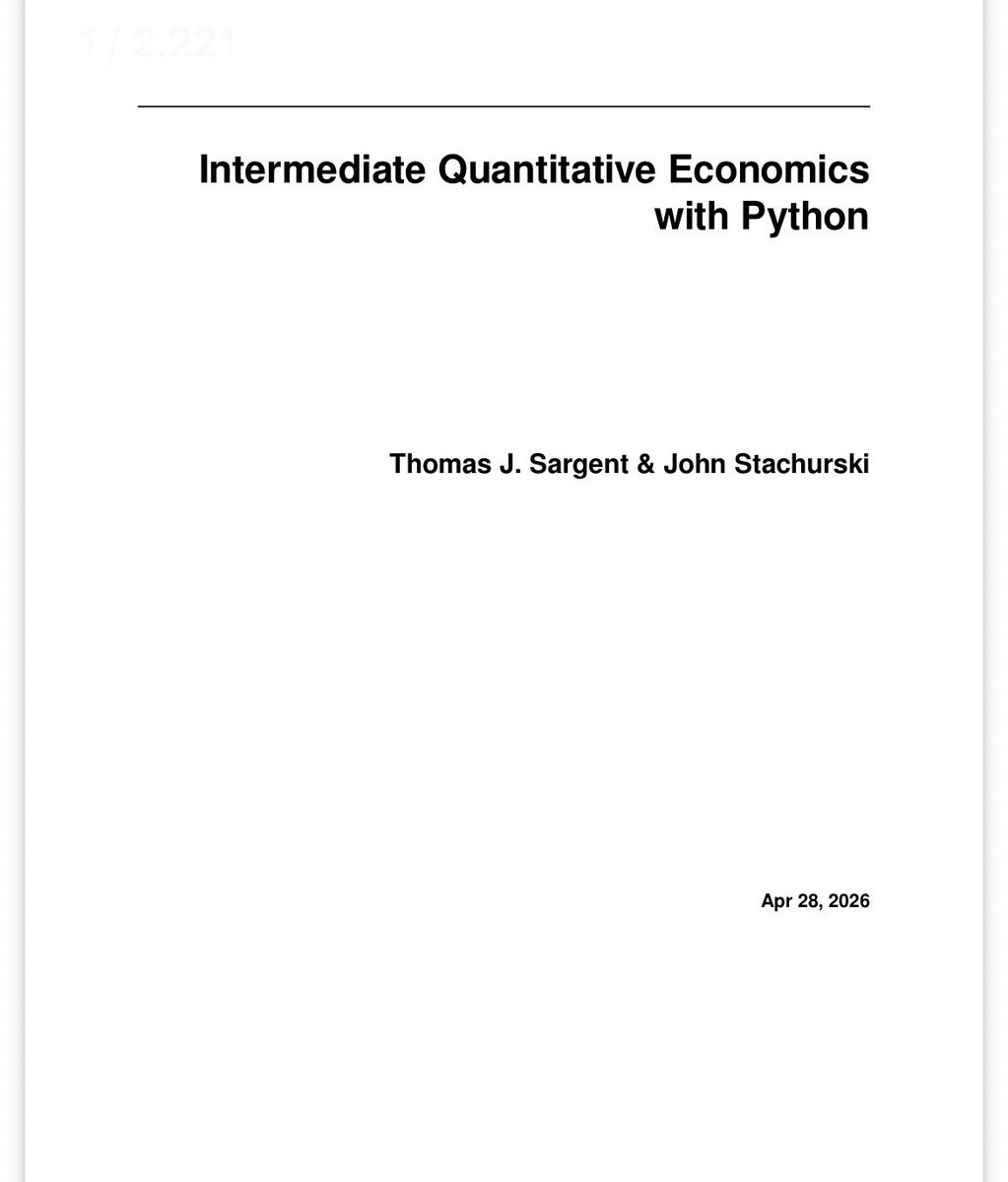
İktisat ile veri biliminin kesişim noktası. Sargent & Stachurski'den 2221 sayfalık ve ücretsiz bir hazine: "Intermediate Quantitative Economics with Python" Hem öğrenmek hem de öğretmek için harika bir rehber. 🔗 python.quantecon.org/_pdf/quantecon…
Mehmet Songur tweet media
Türkçe
6
238
1.3K
139.9K
Marcos Carranza B. retweetledi
LSE School of Public Policy
LSE School of Public Policy@LSEPublicPolicy·
We’re hiring two LSE Fellows in Public Policy A two year fixed term role for early career scholars (post PhD or close to completion) to teach on the MPP and join LSE’s research community 📅 Deadline: 21 May Apply: jobs.lse.ac.uk #LSEPublicPolicy
LSE School of Public Policy tweet media
English
0
28
67
9.7K
Marcos Carranza B. retweetledi
Khoa Vu
Khoa Vu@KhoaVuUmn·
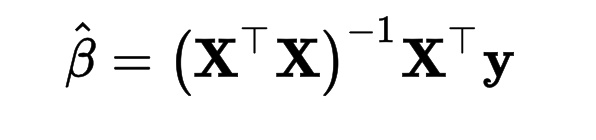
"You need a separate tool for binary outcome" "You need a tool for prediction" "You need a tool for adjusting for covariates" Economists:
Khoa Vu tweet mediaKhoa Vu tweet mediaKhoa Vu tweet mediaKhoa Vu tweet media
English
8
90
1.1K
62.2K
Marcos Carranza B. retweetledi
Sarah | fan account
Sarah | fan account@cloiskryptonite·
forever an icon
Sarah | fan account tweet media
English
69
22.8K
158.2K
4.3M
Marcos Carranza B. retweetledi
Khazbi Budunov
Khazbi Budunov@foscaecon·
Many problems in modern economic theory arise from a weak understanding of accounting and the System of National Accounts. A classic example is the identity “investment = saving.” At first glance, it may seem that these are two different macroeconomic categories, and that the only question is the direction of causality: which comes first, saving or investment? But this way of posing the question is already misleading. In a simple closed model, national product on the expenditure side is exhausted by consumption goods and investment goods: Y ≡ C + I Saving is defined as the part of income not spent on consumption: S ≡ Y − C Substitute the first identity into the second: S ≡ (C + I) − C Therefore: S ≡ I In other words, S ≡ I is derived not from the behavior of agents, but from the definition of national income. At the aggregate level, this does not mean that someone first “accumulated savings” and then used them to finance investment. It means something else: if investment goods have been produced and purchased, an equal amount of saving automatically appears in the accounts. In other words, saving in the SNA is not a prior fund for investment, but the accounting record of investment already undertaken. For more on this, see: Basil J. Moore, Shaking the Invisible Hand, ch. 7, “Saving is the Accounting Record of Investment,” pp. 156–173; esp. p. 170 and note 33, p. 497.
English
10
31
128
14.6K
Marcos Carranza B. retweetledi
International and Monetary Economics Network
Very valuable! "Quantitative Finance: An Introduction to Investments, Asset Pricing, and Derivatives" by Johan Walden. "A graduate-level, mathematically rigorous introduction to the tools, methods, and approaches used in contemporary quantitative finance" "The book focuses on a number of classical models and theories in quantitative finance and covers selected advanced and newer topics in its final section. Proofs and in-depth theoretical results within quantitative finance appear throughout the book along with examples and end-of-chapter exercises to facilitate and support the learning process." amzn.to/4tDVoBe
International and Monetary Economics Network tweet media
English
1
83
629
19.3K