Rahul Pawar

194 posts

Rahul Pawar

Rahul Pawar

@_rahulpawar_

PhD Student at @iitroorkee | Interested in Climate through Quaternary.

Roorkee, India Katılım Temmuz 2013
282 Takip Edilen102 Takipçiler
Rahul Pawar retweetledi

NCPOR
NCPOR@ncaor_goa·
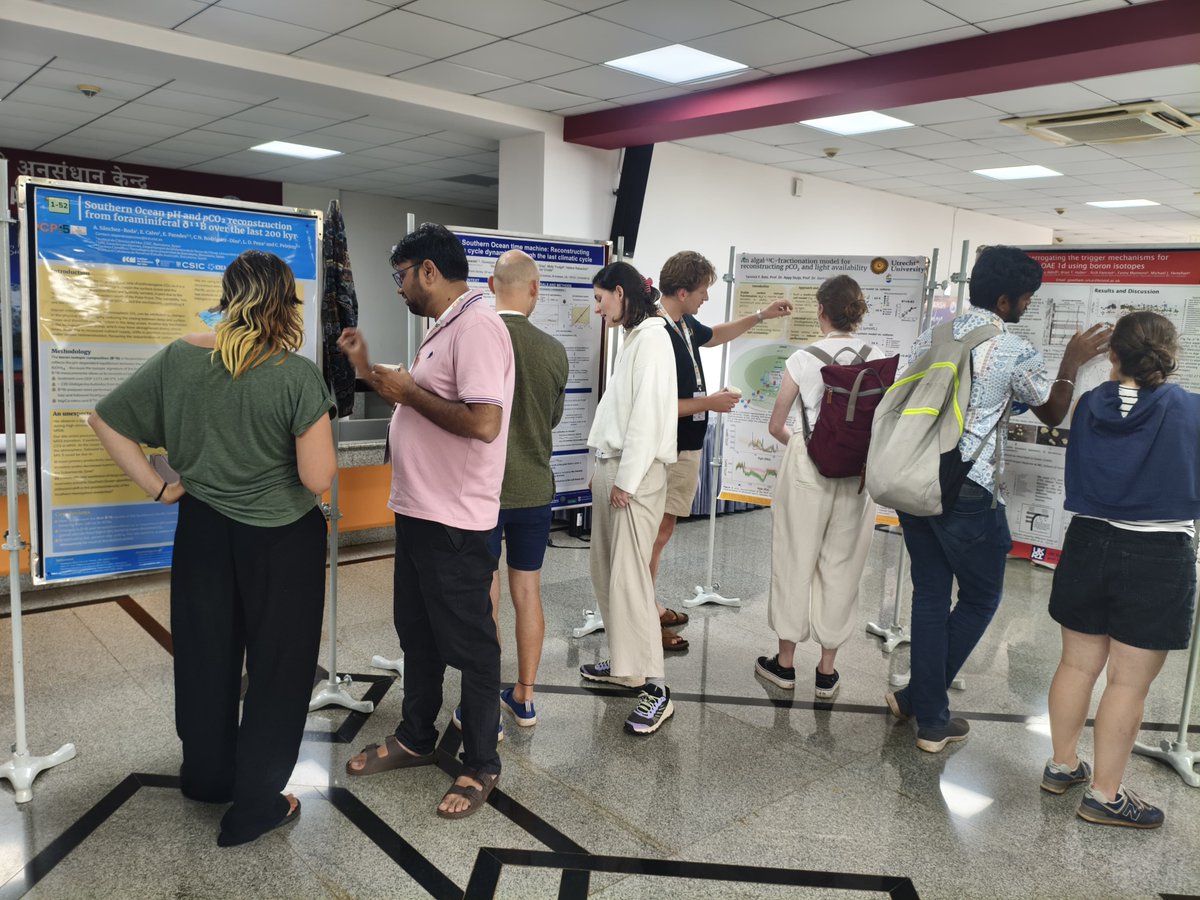
NCPOR conducted post-conference workshops on “Boron Isotopes: Recent Advances & Future Directions” and “Monsoon – Origin, Evolution & Dynamics” on 6–7 Sept 2025, as part of the 15th International Conference on Paleoceanography (#ICP15) at IISc Bangalore. Nearly 100 researchers and scientists, including ~40 from Europe & America have participated in the workshops. @moesgoi @Ravi_MoES @TMeloth
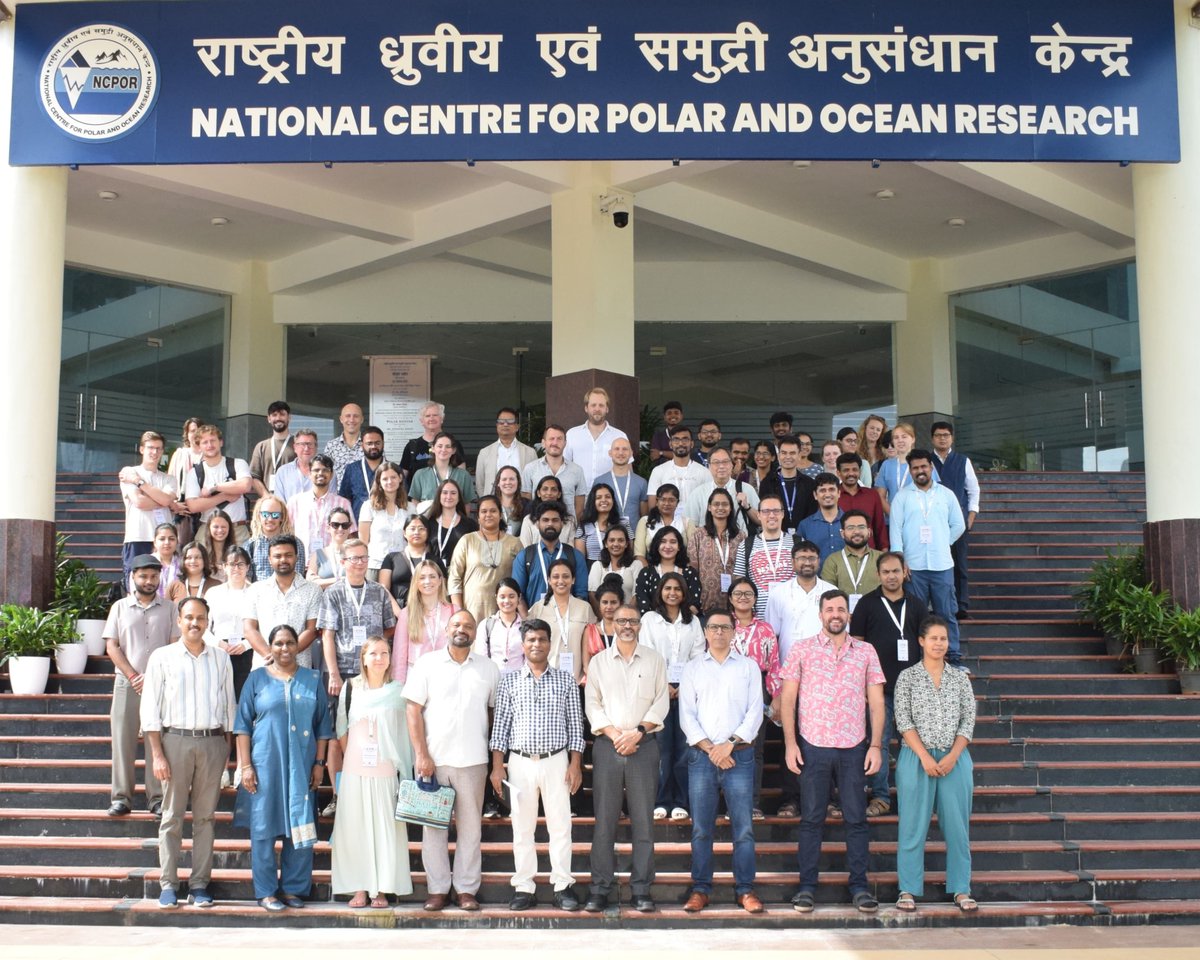
NCPOR tweet mediaNCPOR tweet media
English
0
5
14
1.1K
Rahul Pawar
Rahul Pawar@_rahulpawar_·
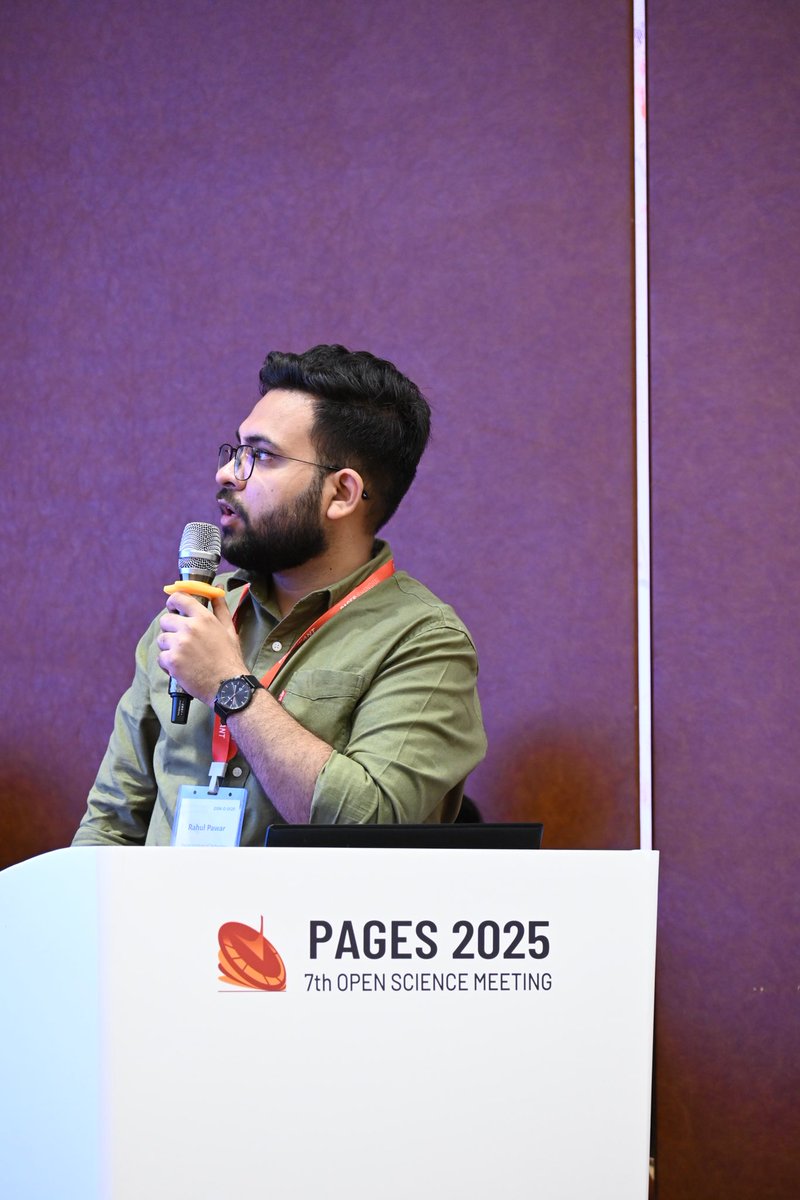
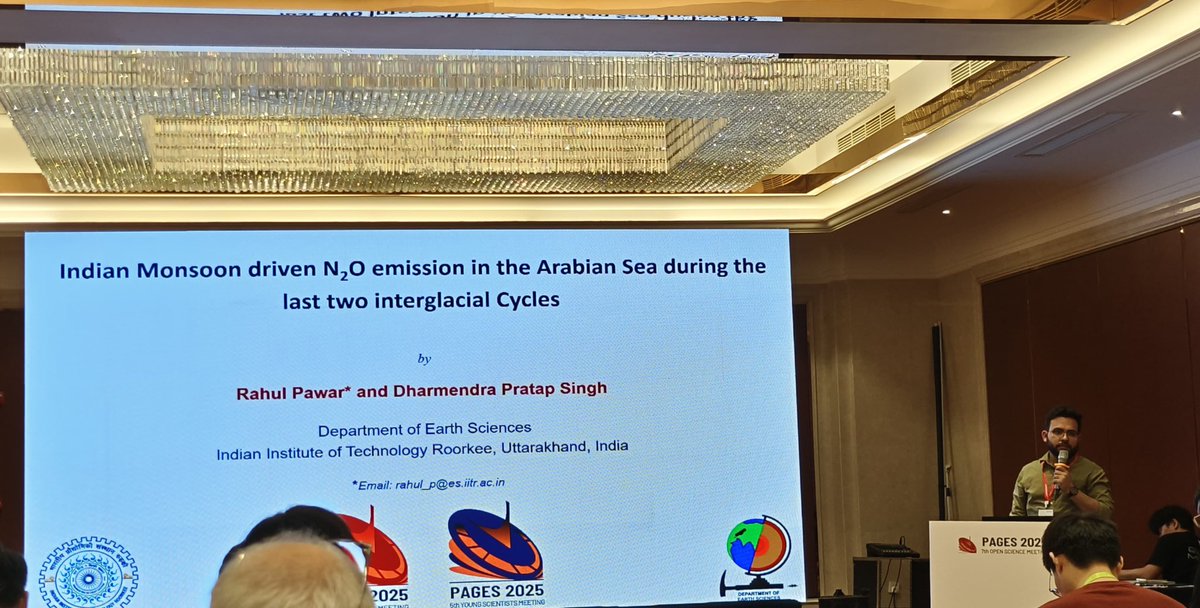
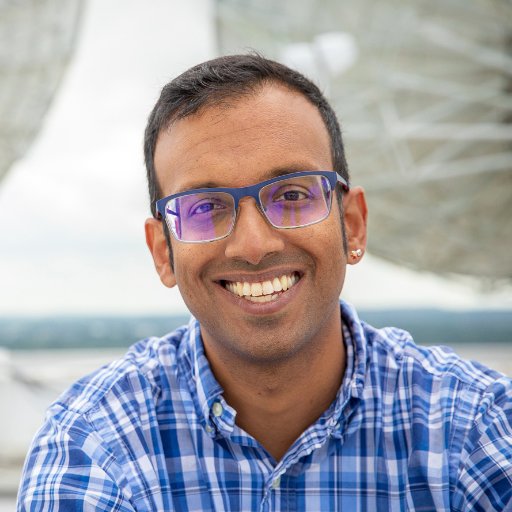
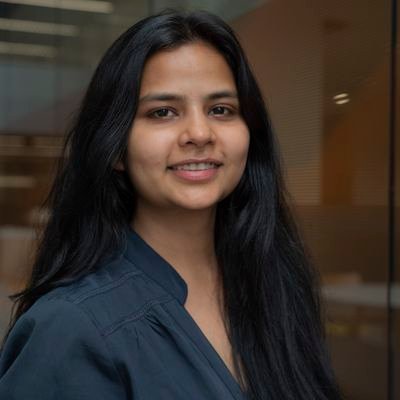
Had the amazing opportunity to present my work at the @PAGES_IPO 5th-Young Scientists Meeting and 7th-Open Science Meeting at Tongji University, Shanghai 🇨🇳. Grateful for the experience, interactions, and inspiration ! @iitroorkee
Rahul Pawar tweet mediaRahul Pawar tweet mediaRahul Pawar tweet mediaRahul Pawar tweet media
English
0
2
7
380
Rahul Pawar
Rahul Pawar@_rahulpawar_·
29th Indian Colloquium on Micropaleontology and Stratigraphy - 2024, Delhi University.
Rahul Pawar tweet media
English
0
0
3
168
Rahul Pawar retweetledi
Roger Hallam
Roger Hallam@RogerHallamCS21·
FULL STORY 🚨 It begins each day at nightfall. As the light disappears, billions of zooplankton, crustaceans and other marine organisms rise to the ocean surface to feed on microscopic algae, returning to the depths at sunrise. The waste from this frenzy – Earth’s largest migration of creatures – sinks to the ocean floor, removing millions of tonnes of carbon from the atmosphere each year. This activity is one of thousands of natural processes that regulate the Earth’s climate. Together, the planet’s oceans, forests, soils and other natural carbon sinks absorb about half of all human emissions. But as the Earth heats up, scientists are increasingly concerned that those crucial processes are breaking down. In 2023, the hottest year ever recorded, preliminary findings by an international team of researchers show the amount of carbon absorbed by land has temporarily collapsed. The final result was that forest, plants and soil – as a net category – absorbed almost no carbon. There are warning signs at sea, too. Greenland’s glaciers and Arctic ice sheets are melting faster than expected, which is disrupting the Gulf Stream ocean current and slows the rate at which oceans absorb carbon. For the algae-eating zooplankton, melting sea ice is exposing them to more sunlight – a shift scientists say could keep them in the depths for longer, disrupting the vertical migration that stores carbon on the ocean floor. “None of these models have factored in losses such as the wildfires in Canada last year that amounted to six months of US fossil emissions” Andrew Watson, University of Exeter 
“We’re seeing cracks in the resilience of the Earth’s systems. We’re seeing massive cracks on land – terrestrial ecosystems are losing their carbon store and carbon uptake capacity, but the oceans are also showing signs of instability,” Johan Rockström, director of the Potsdam Institute for Climate Impact Research, told an event at New York Climate Week in September. “Nature has so far balanced our abuse. This is coming to an end,” he said. The 2023 breakdown of the land carbon sink could be temporary: without the pressures of drought or wildfires, land would return to absorbing carbon again. But it demonstrates the fragility of these ecosystems, with massive implications for the climate crisis. Reaching net zero is impossible without nature. In the absence of technology that can remove atmospheric carbon on a large scale, the Earth’s vast forests, grasslands, peat bogs and oceans are the only option for absorbing human carbon pollution, which reached a record 37.4bn tonnes in 2023. At least 118 countries are relying on the land to meet national climate targets. But rising temperatures, increased extreme weather and droughts are pushing the ecosystems into uncharted territory. The kind of rapid land sink collapse seen in 2023 has not been factored into most climate models. If it continues, it raises the prospect of rapid global heating beyond what those models have predicted. ‘We have been lulled – we cannot see the crisis’ For the past 12,000 years, the Earth’s climate has existed in a fragile equilibrium. Its stable weather patterns allowed the development of modern agriculture, which now supports a population of more than 8 billion people. As human emissions rose, the amount absorbed by nature increased too: higher carbon dioxide can mean plants grow faster, storing more carbon. But this balance is beginning to shift, driven by rising heat. “This stressed planet has been silently helping us and allowing us to shove our debt under the carpet thanks to biodiversity,” says Rockström. “We are lulled into a comfort zone – we cannot really see the crisis.”  Only one major tropical rainforest – the Congo basin – remains a strong carbon sink that removes more than it releases into the atmosphere. Exacerbated by El Niño weather patterns, deforestation and global heating, the Amazon basin is at a record-breaking drought, with rivers at an all-time low.
English
20
333
1.3K
413.5K
Rahul Pawar retweetledi
SISAL group
SISAL group@SISAL_wg·
And finally, we can announce that the final version of the SISALv3 database and paper are published! 🎉 Paper in ESSD gives lots of context and synthesis of what is included. We look forward to seeing the DB in use. @PAGES_IPO essd.copernicus.org/articles/16/19…
SISAL group@SISAL_wg

A belated but very exciting update: our newest database SISALv3 is out! paper in preprint at ESSD: essd.copernicus.org/preprints/essd… Besides a significant update to the number of d18O and d13C records, we also have newly added trace element data. Please share and comment!

English
0
20
28
4.2K
Rahul Pawar retweetledi
Debajit Datta
Debajit Datta@debajitdatta_9·
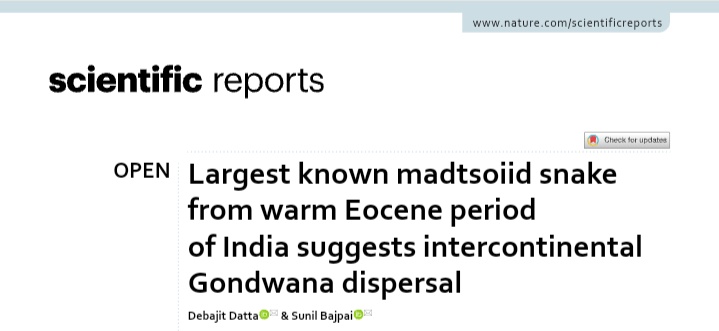
Our just-published article rdcu.be/dE76j in Scientific Reports (Nature platform) on one of the largest snakes ever, named Vasuki indicus after the king of snakes around the neck of Lord Shiva.
Debajit Datta tweet media
English
2
18
49
3.9K
Rahul Pawar retweetledi
Abhay Rautela
Abhay Rautela@ishurautela7·
Here is the youngest eutriconodontan mammal, Indotriconodon magnus, discovered from the Late Cretaceous of Kutch, India! Co-authored with Prof. Bajpai, Ravi Yadav and @gpwilson11 Hoping to see more mammals with our ongoing work. tandfonline.com/doi/full/10.10…
English
1
15
34
5.6K
Rahul Pawar retweetledi
Abhay Rautela
Abhay Rautela@ishurautela7·
My first paper on the oldest South Asian artiodactyl, co-authored with Prof. Sunil Bajpai, is out. Grateful to everyone who helped through and facilitated it. 🙏@JournalSystPal I hope you find it useful. tandfonline.com/doi/full/10.10…
English
3
11
33
2.6K
Rahul Pawar retweetledi
Dr Jesse Zondervan 🌍🏔👨‍🔬 • Scientist & Builder
1/26 I invite you to join me as I unravel the story of our latest research, now out in @Nature, uncovering the hidden role life plays in shaping our planet's climate. It's about our future, our impact, and the audacious idea of reshaping Earth. Ready to dive in?
Dr Jesse Zondervan 🌍🏔👨‍🔬 • Scientist & Builder tweet media
English
5
8
52
16.3K
Rahul Pawar retweetledi
Prof. Stefan Rahmstorf 🌏 🦣
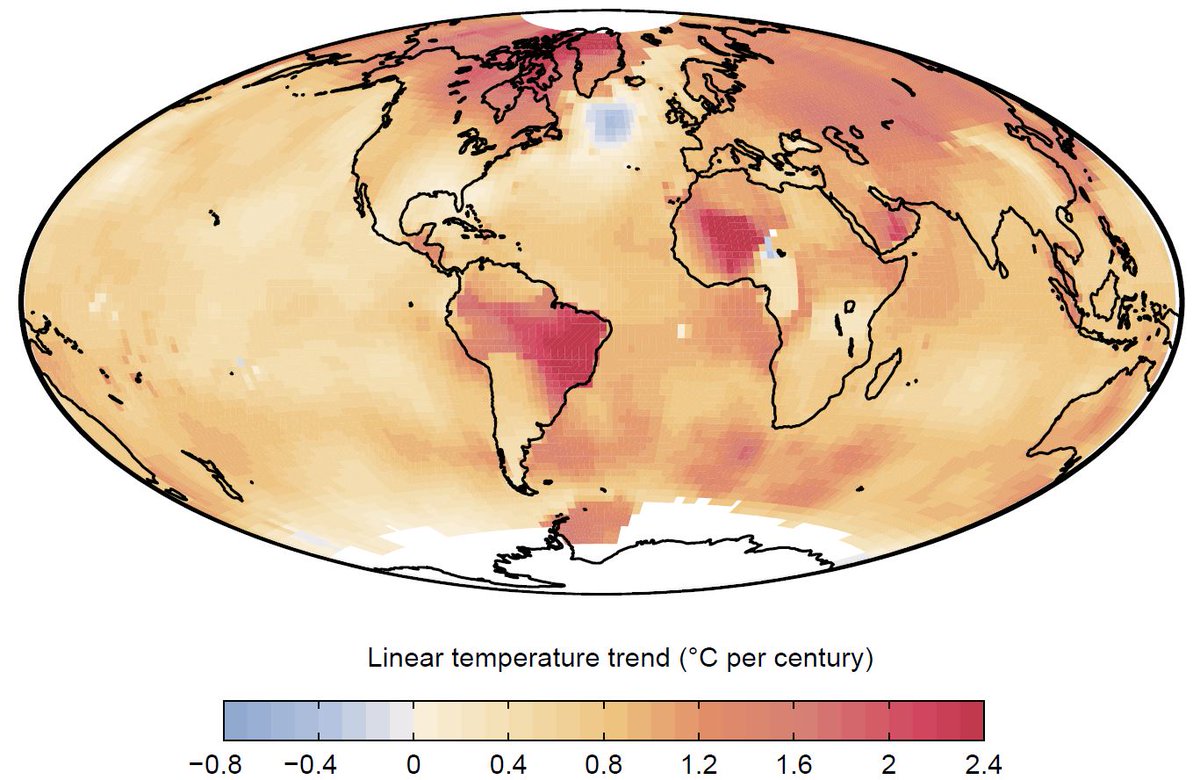
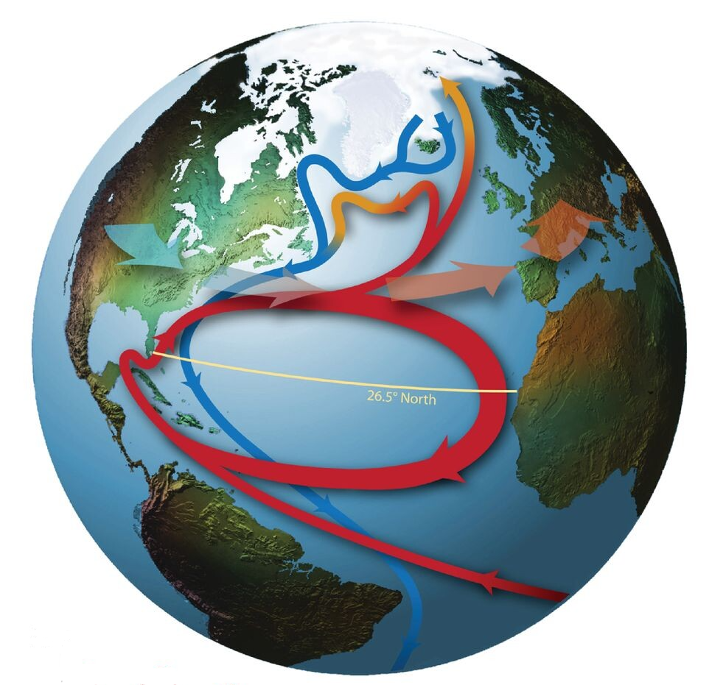
Here's a thread in pictures about the Atlantic overturning circulation #AMOC which is making headlines this week. I've studied this topic since 1991 and will show key data and models & some video. Let's go: observed temperature trend since 1901 from nature.com/articles/nclim… 🧵1/x
Prof. Stefan Rahmstorf 🌏 🦣 tweet media
English
237
3.1K
7K
3.1M
Rahul Pawar retweetledi
Ankur Desai
Ankur Desai@profdesai·
Time to time, I get asked my thoughts on time management in academia. I finally found time to transcribe those into unmanaged impressions that I wrote for our junior faculty mentoring group. Appreciate your time in reading and share any comments! flux.aos.wisc.edu/unmanaged-time
English
7
34
128
23.5K
Himadri Saini
Himadri Saini@HimadriSaini·
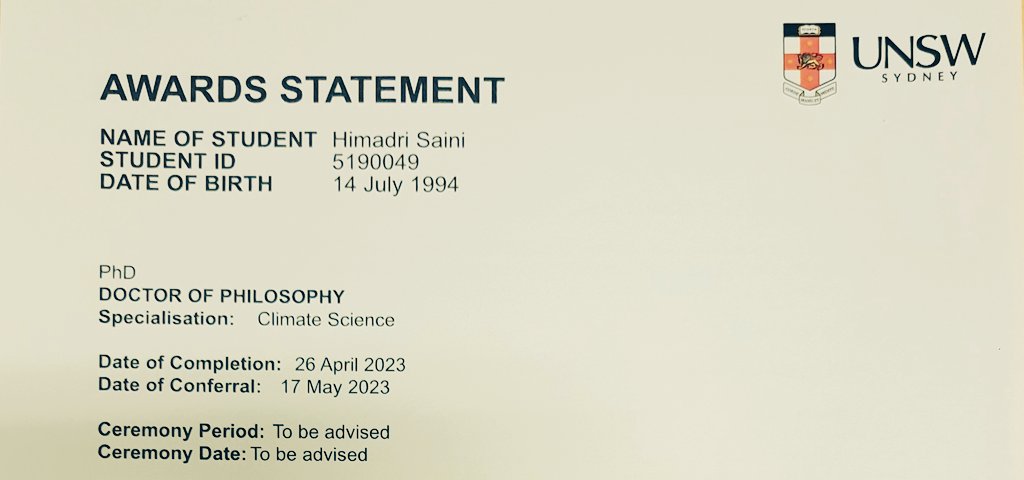
4.5 years of numerous model simulations, uncountable revisions, doubts, insecurities of academic life, a wedding, a pandemic, and two papers later.. finally, it is now Dr. Himadri Saini. Glad that I can still cherish the same excitement I felt on the first day of this journey.
Himadri Saini tweet media
English
11
0
75
5.4K
Rahul Pawar retweetledi
Australian Antarctic Program Partnership
🫁 It’s like you can see the oceans breathing. As seasons change, chlorophyll levels from tiny marine plants ripple around the planet. Phytoplankton use chlorophyll to absorb carbon dioxide to make food. This @NASA map gives insights to the oceanic carbon cycle. Read on...🧵
English
2
96
198
21.8K