
Sabitlenmiş Tweet

أزهار العدنة ،، جمال أخاد يزهو ولا يزهى عليه 🌸🌸
Adenium obesum




العربية
أ.د. أحمد علي أبوعمرو الغامدي (حساب شخصي)
14.7K posts
@aaboamr
وما حياتنا إلا طيف عابر من الصور والأماكن والمواقف،، فهنيئاً لمن كان نصيبه منها أثراً حسناً ومعروفاً لا ينسى

في خطوة تعزز الاستثمار الزراعي وتدعم الاستزراع المائي.. سمو نائب أمير منطقة الباحة يشهد توقيع 5 عقود استثمارية بحضور معالي نائب الوزير.

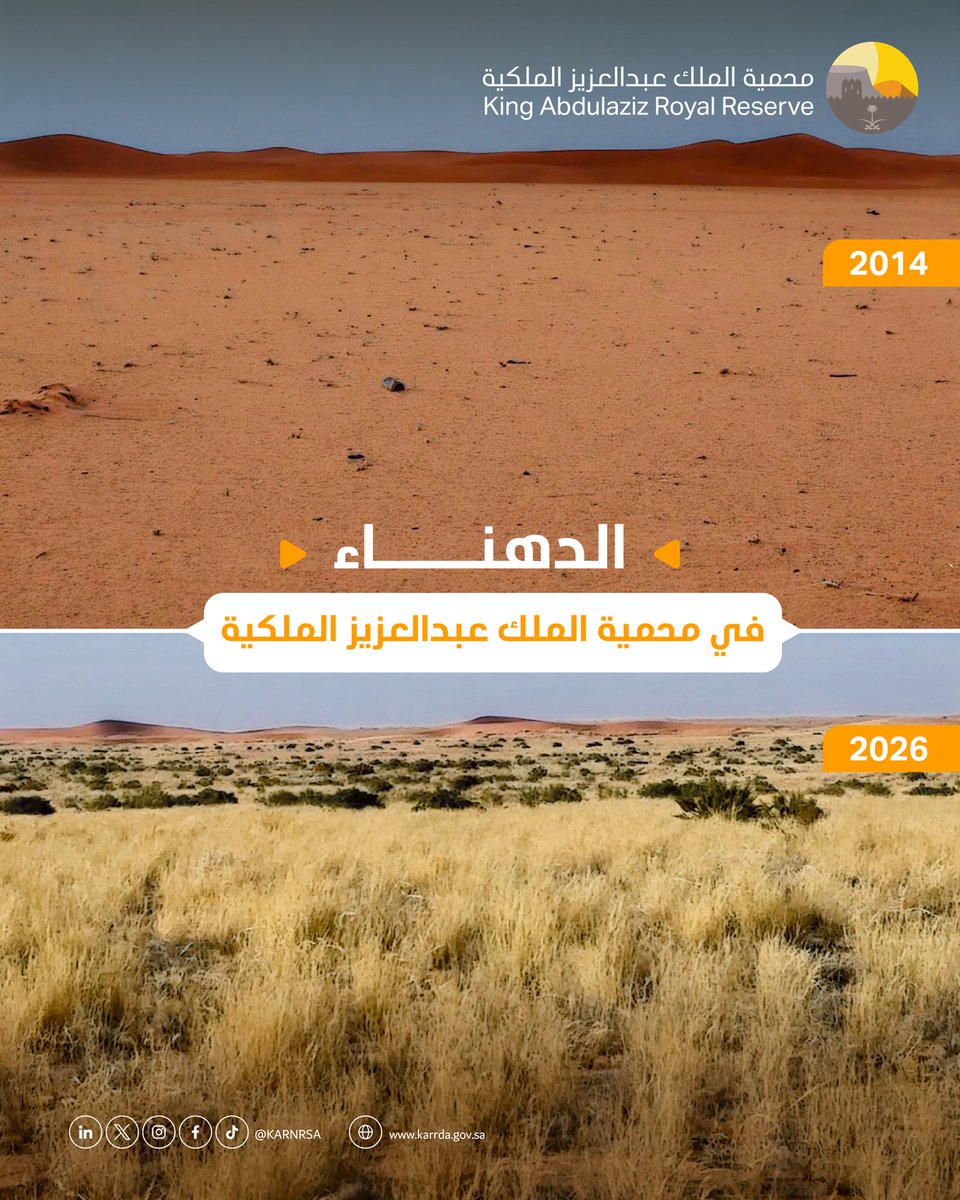




#مجلس_الوزراء يُثني على الخطوات المتّخذة في مجال حماية البيئة واستعادة الغطاء النباتي بالمملكة، من ذلك إعادة تأهيل أول مليون هكتار من الأراضي المتدهورة، وزراعة أكثر من (159) مليون شجرة ضمن مبادرة "السعودية الخضراء". #واس









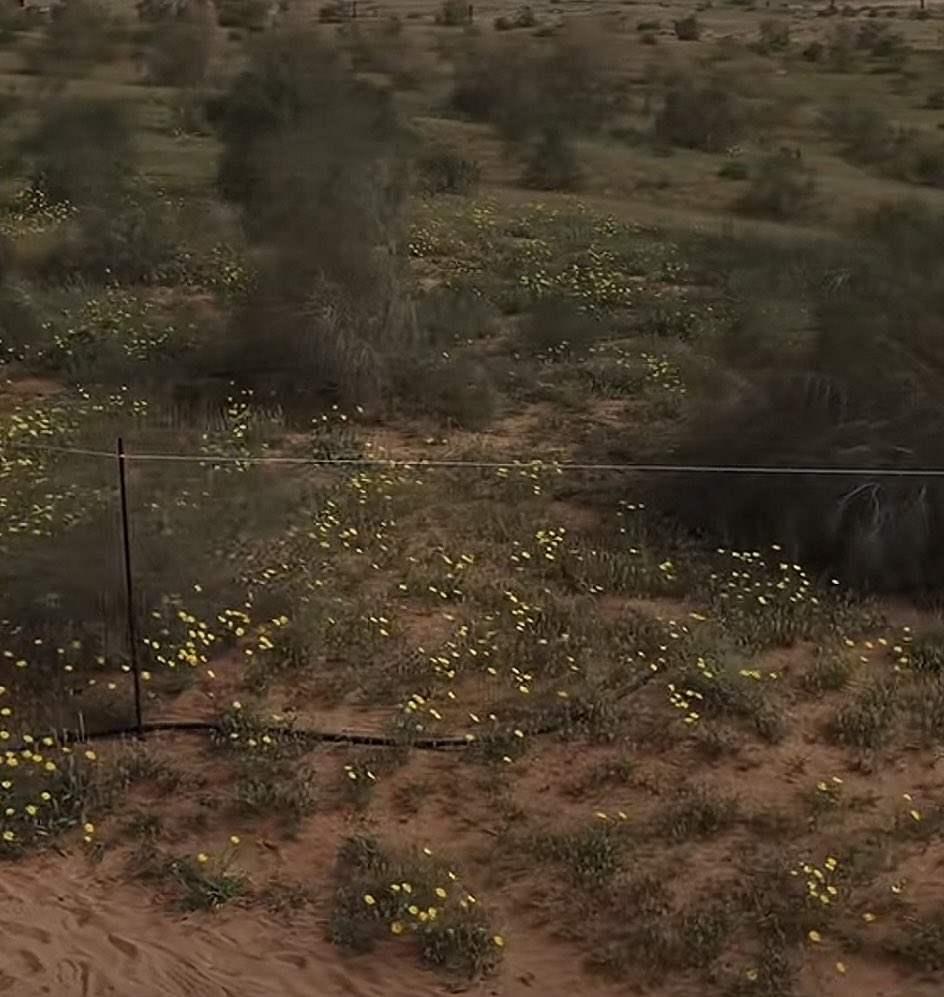
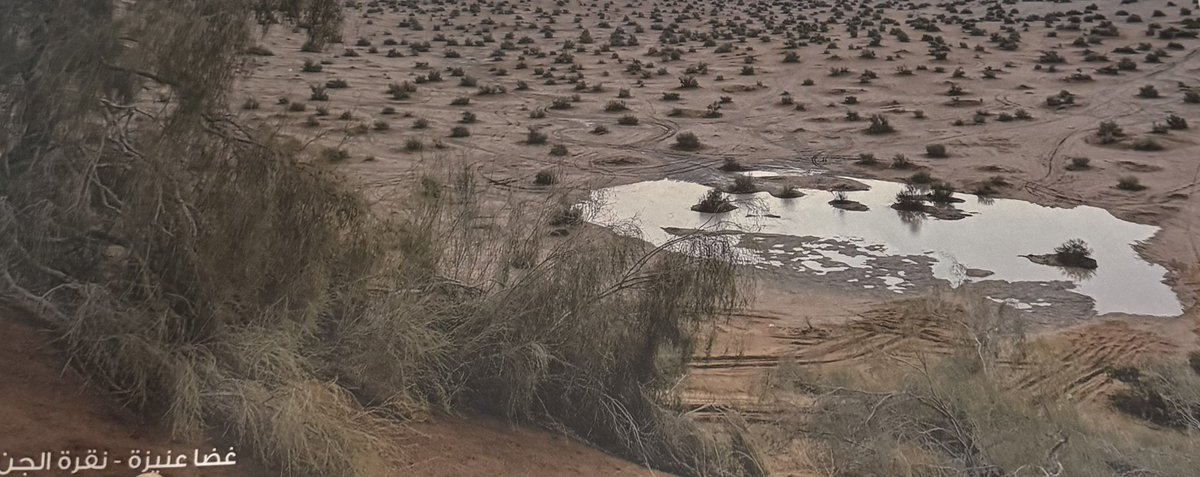
كن خط الحماية وصن بيئتك ليبقى أثرك أخضر كل سلوك وممارسة هو خطوة نحو استدامة الموارد والحد من التلوث وحماية البيئة



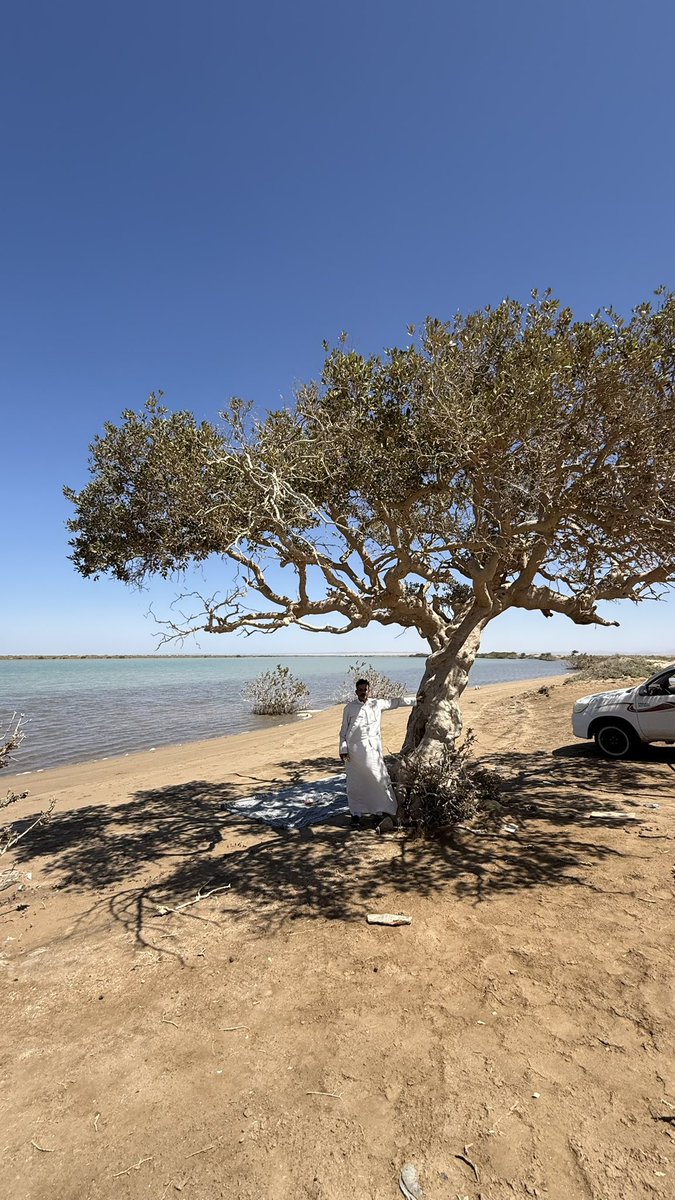
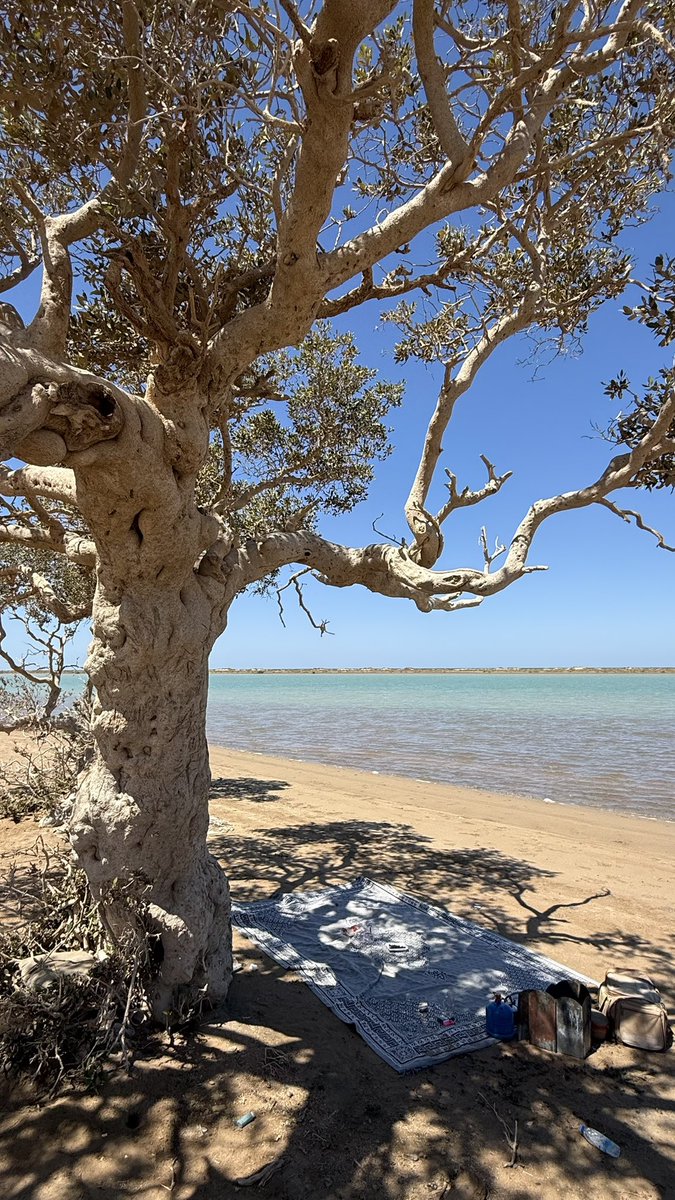
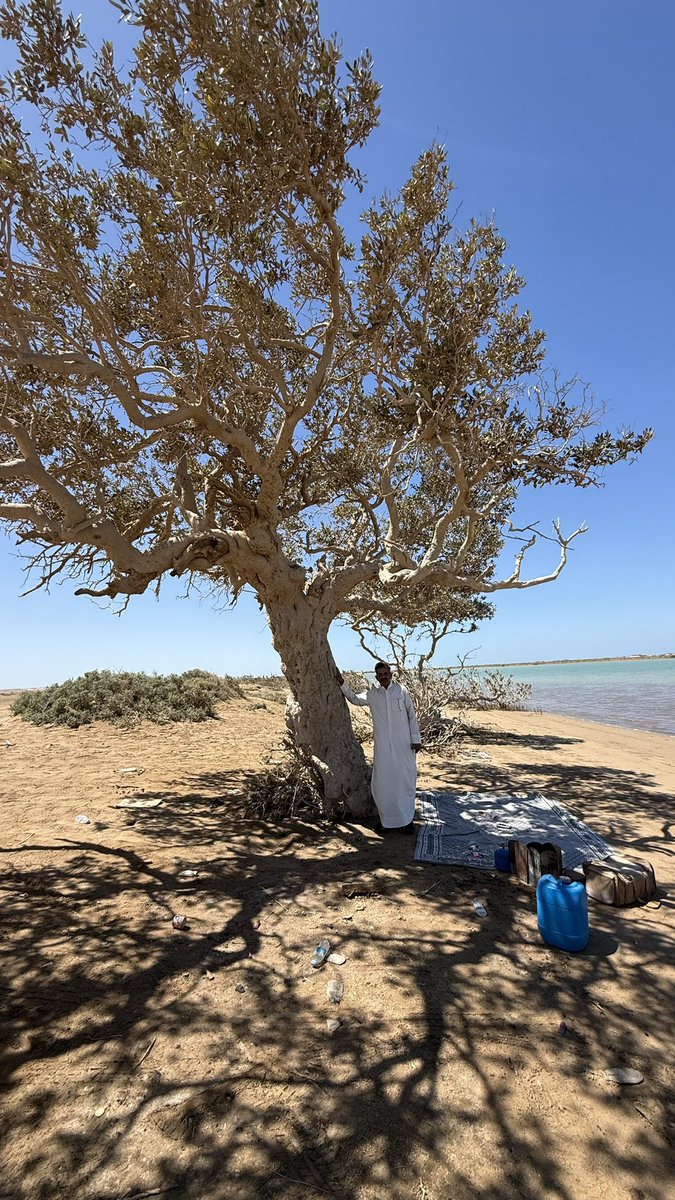
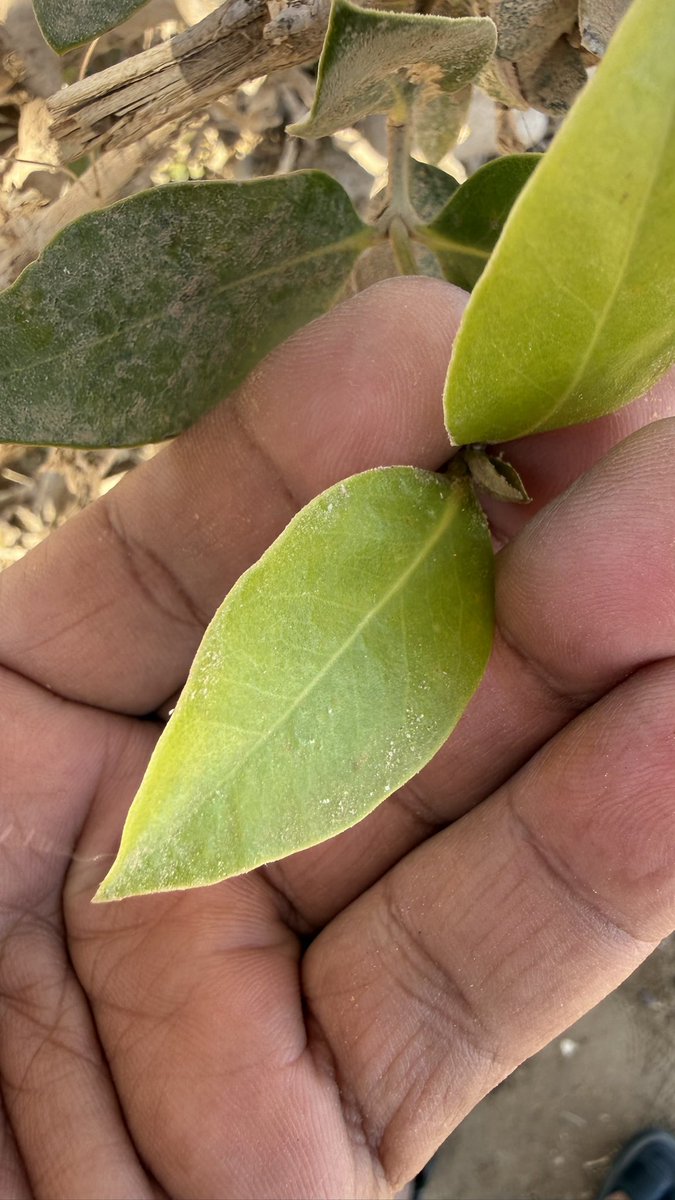
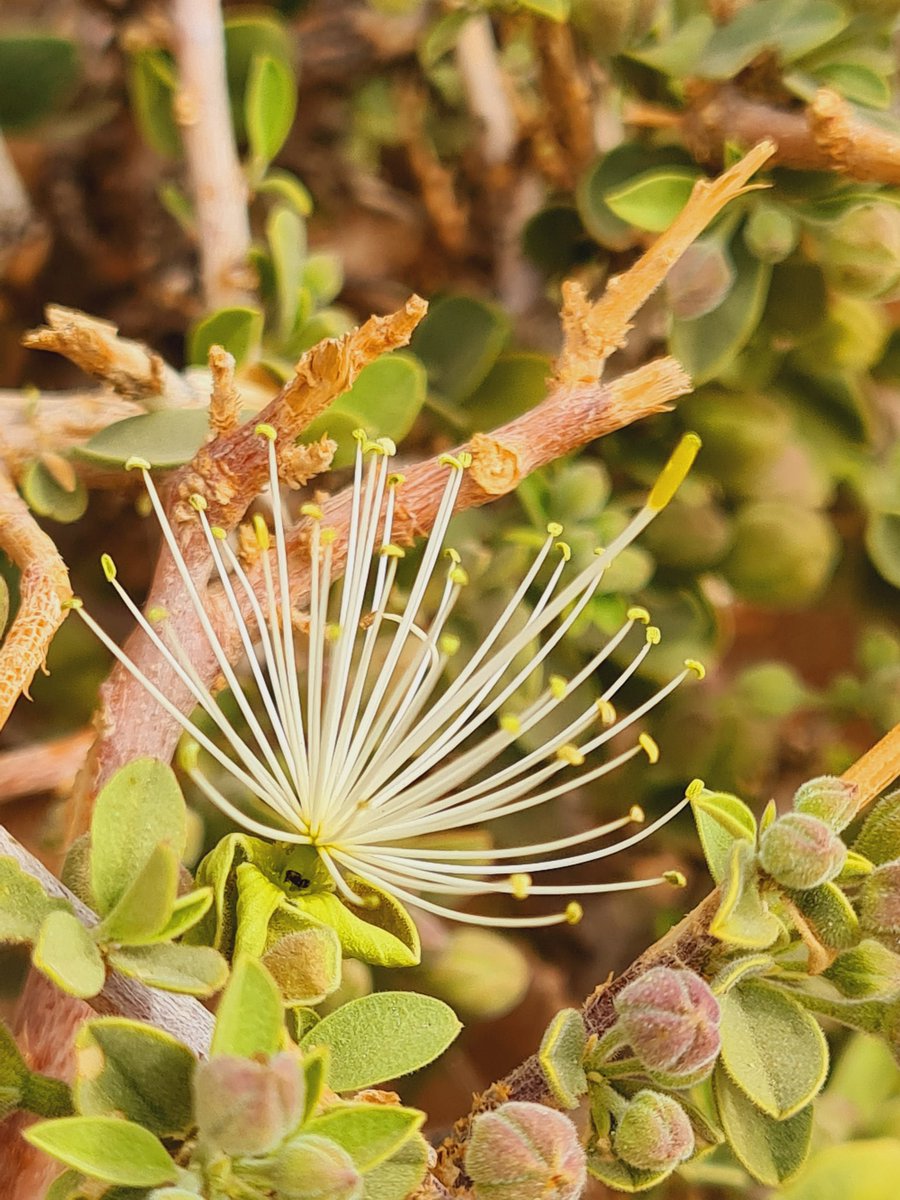
من النباتات الجميلة ( العَدَنَةُ ) وهي نبات عصاري معمرة لها جذع عريض يصل طولها في بعض الأحيان إلى ثلاث أمتار لها أزهار وردية اللون ، تتنشر بشكل طبيعي في المنطقة الجنوبية من #الطائف إلى #أبها و #اليمن و #عمان الاسم العلمي #Adenium_Obesum

:The Ancient “Highways of the Dead”: Saudi Arabia’s 4,500-Year-Old Funerary AvenuesHigh above the arid landscapes of northwest Saudi Arabia, satellite imagery has unveiled one of the most extraordinary archaeological discoveries in recent years: vast networks of funerary avenues — ancient pathways lined with thousands of monumental tombs, stretching for hundreds of kilometers across the desert.Dating back around 4,500 years (roughly 2600–2000 BC), these Bronze Age “highways of the dead” connected oases and grazing lands, serving as major travel routes for the region’s early inhabitants. Flanking both sides of the avenues are meticulously constructed tombs, many featuring distinctive keyhole or pendant shapes: circular burial cairns with long, tail-like extensions that resemble pendants or wedges dangling from a chain.Other tombs appear as elegant ring cairns — stone mounds encircled by low walls up to two meters high. Remarkably well-preserved despite millennia of exposure, these structures have withstood the harsh desert environment, their outlines still clearly visible from the air and space.While the exact purpose of placing so many burials directly along these routes remains a mystery, archaeologists believe the avenues played a central role in both everyday movement and ancient rituals. The dead may have been deliberately positioned beside paths used by the living — perhaps to honor ancestors, mark territory, or accompany travelers on their journeys through the landscape.These funerary avenues reveal a surprisingly connected society in 3rd-millennium BC Arabia, with complex social and economic ties spanning vast distances — long before the rise of the great caravan routes of later eras.