

José Abásolo Llaría
7.1K posts
José Abásolo Llaría
@abasolo
Académico @arqUDLA Doctor @ETSAMadrid Director Magister en Prácticas Socio-Espaciales
Santiago de Chile Katılım Temmuz 2008
492 Takip Edilen2.9K Takipçiler

En Ñuñoa se suben músicos a las micros a poner Kraftwerk y Depeche Mode
Español
José Abásolo Llaría retweetledi

Tokyo in the 1990s: The scent of the bubble economy still lingers
TOKYO BLOOD
Directed by Sogo Ishii
1993 / Japan
English
Beyond the Drawing: Ethnography and Architecture as Contested Narratives of the Human Experience of Dwelling
#metrics" target="_blank" rel="nofollow noopener">mdpi.com/2673-9461/5/3/…
with Professor @fcovergarap
English
José Abásolo Llaría retweetledi

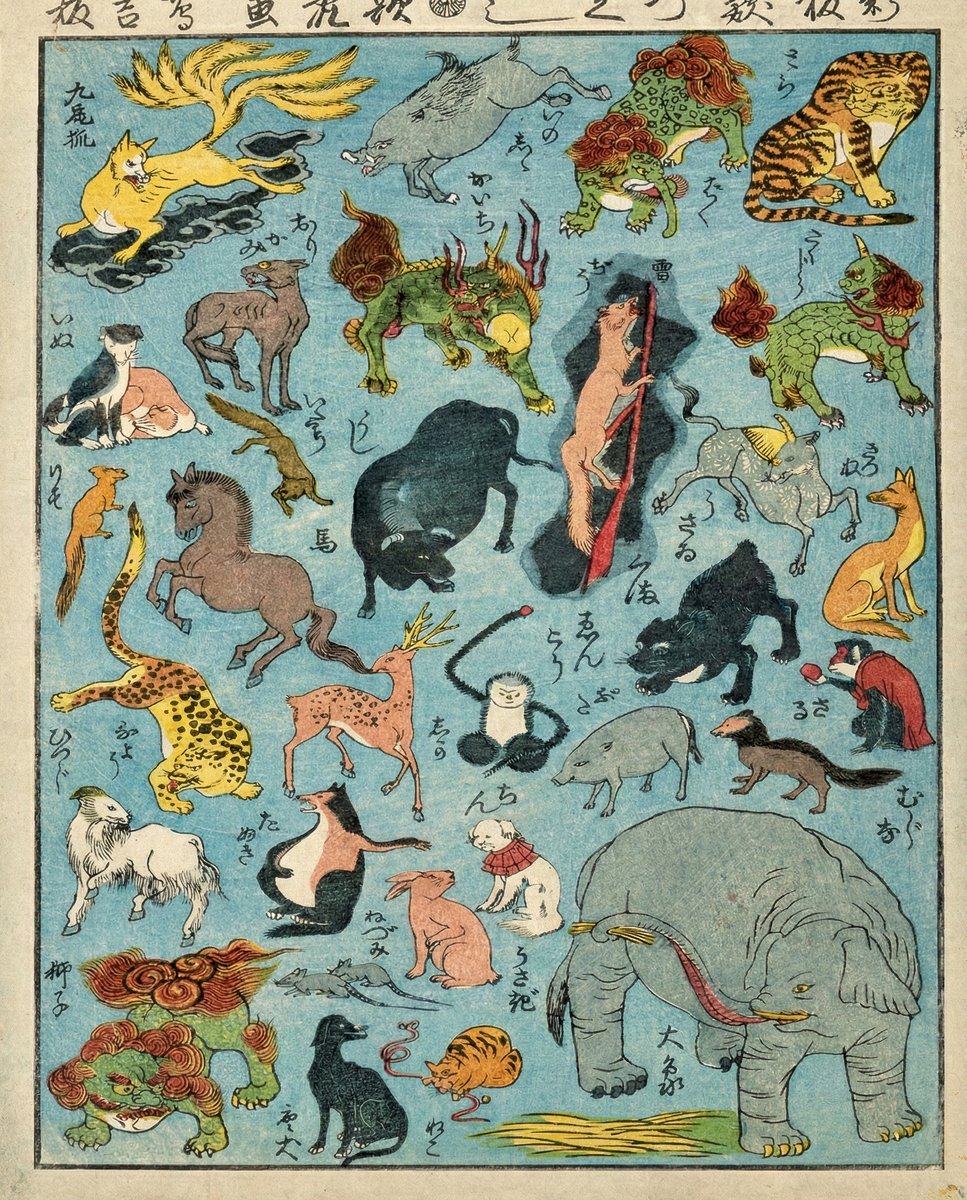
Shin-ban Kemono-zukushi (All Animals). Artist: Utagawa Kunitora. Period: Edo period, 19th century. Material: Multicolor woodblock print on paper. Collection: Tobacco and Salt Museum, Tokyo.
During Japan's Edo period, artists produced omocha-e, or toy pictures, for children. This work by Utagawa Kunitora, created using woodblock printing, is a colorful visual dictionary of the animal kingdom.
The artist doesn't use any perspective rules or ground lines on the paper. He scatters the figures freely across a light blue background. There's no natural zoological classification in this composition. Pets, wild predators, and supernatural creatures from Japanese folklore share the same surface.
Now, let's look at the figures in the upper left corner. A legendary nine-tailed fox with golden-yellow fur stands leaping over a black cloud. Immediately to its right--our left--we see a running gray wild boar, a striped tiger with its mouth wide open, and a green lion-dog with flaming red limbs. As we descend toward the middle, large mammals fill the space. There's a jet-black ox, a rearing brown horse, and a spotted leopard arching its back. Kunitora has added the name of each animal in Japanese characters for children to read.
Let's move to the bottom section. In the right corner, a huge, gray elephant stands holding a yellow bale of straw with its trunk. The elephant's human-like eyes, knee joints, and thick-nailed feet are far from anatomically realistic.
During the Edo period, Japan was tightly closed to the outside world, so people had almost no chance to see a live elephant. Illustrators often depicted these exotic creatures based on exaggerated drawings from ancient Chinese scrolls or hearsay from travelers. Immediately to the left of the elephant are creatures familiar from everyday life.
Look just below the spotted deer and the black ox in the center. The inscription next to this cross-legged creature--with its pure white face and disproportionately long black arms--reads *Enkou*. Kunitora has drawn him here as a cute monkey with his arms wrapped around his body.
However, in Japanese folklore, Enkou isn't an innocent creature at all. It's a local variety of the spooky water spirits known as Kappa that inhabit rivers. According to Shikoku folk legends, these creatures have an extremely flexible anatomy. When you pull one of their arms, the other arm instantly shortens. Enkou stealthily attacks horses and people who approach the water's edge at night. They drag their victims into the water and drown them. Their true goal is to rip the shirikodama--a legendary organ believed to house the human soul--from their victims' bodies.
In the midst of an educational picture, one of the most dangerous beings in Japanese mythology takes its place like just another ordinary animal.
English
José Abásolo Llaría retweetledi



José Abásolo Llaría retweetledi
José Abásolo Llaría retweetledi
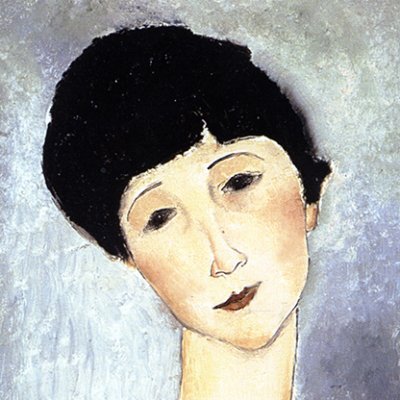
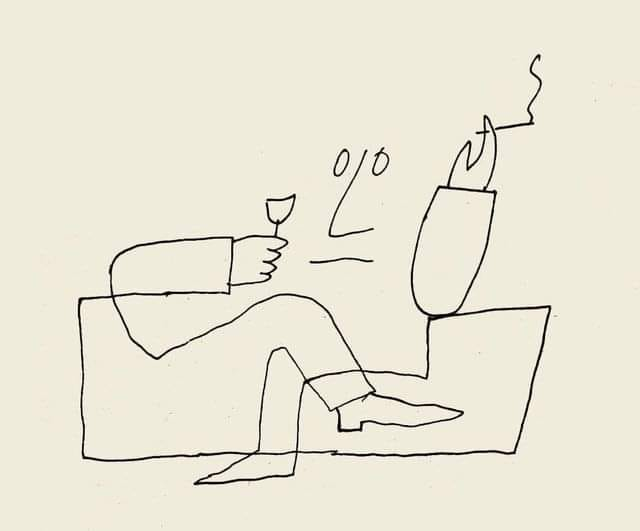
Una colaboración con el profe @fcovergarap
"Beyond the Drawing: Ethnography and Architecture as Contested Narratives of the Human Experience of Dwelling"
researchgate.net/publication/39…
English

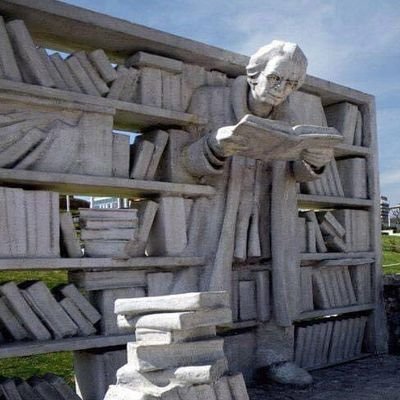
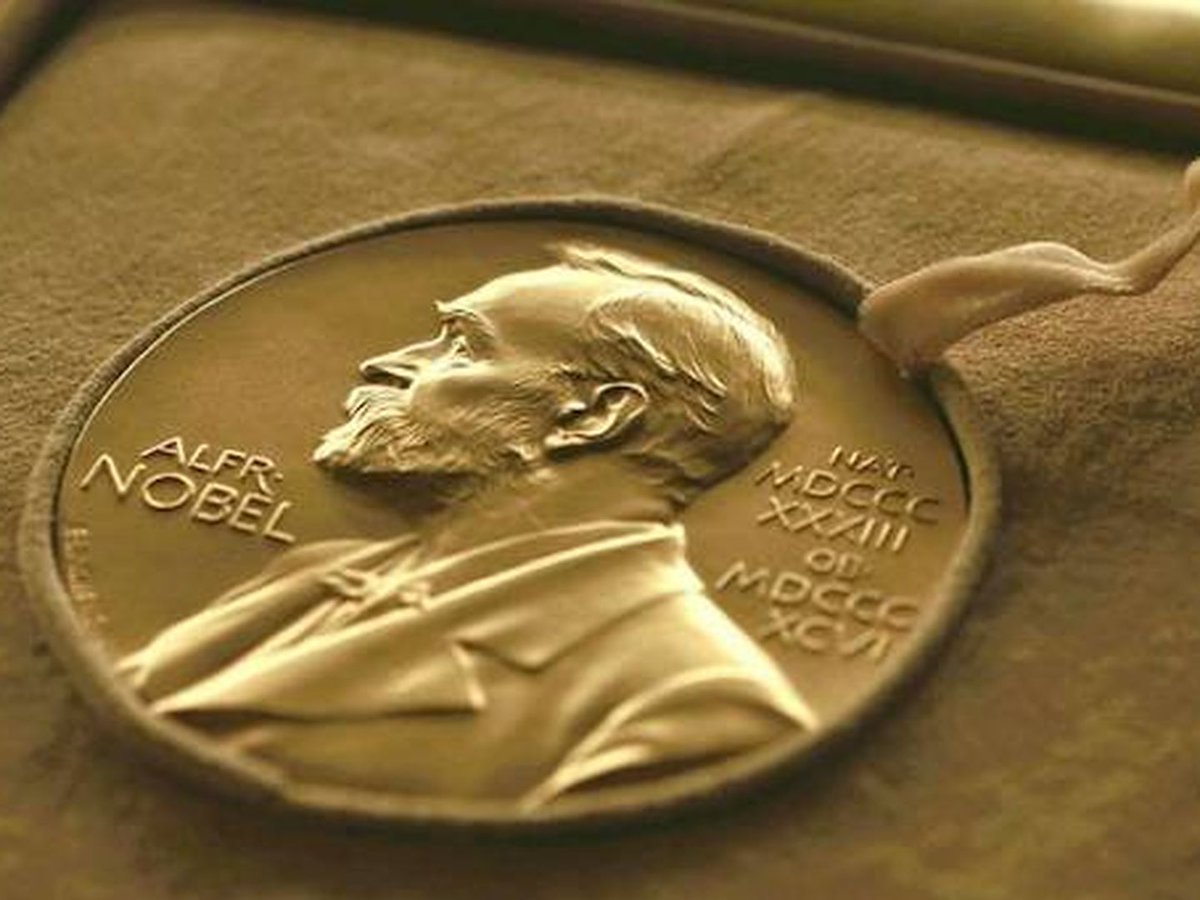
Dentro de una semana se dará a conocer al ganador del Premio Nobel de Literatura 2025...
¿Quiénes son tus candidatos?
Español
José Abásolo Llaría retweetledi

En Biblioteca personal (1987), Borges (como solo Borges lo puede hacer) logra una proeza aparentemente sencilla, pero que en él es una especie de marca distintiva: hablar de un libro de un modo casi enciclopédico y sin destriparnos el contenido. Sabemos casi todo del libro sin conocer (aún) su contenido, sin sumergirnos en sus páginas, que es, precisamente, el objetivo de estos prólogos que escribió para una colección de libro que él dirigió. Por cierto, el tomo IV de sus Obras Completas en varias ediciones reúne los cuatro libros, además de otros textos y un “Prólogo de prólogos” que son ¡una maravilla!
Si le interesa el libro y piensa adquirirlo, usando el siguiente enlace al comprarlo contribuye con nuestro trabajo. Gracias.
👉 acortar.link/veV642

Español
José Abásolo Llaría retweetledi


@PenaFletcher Felicidades @PenaFletcher tremendo trabajo, gran libro!
Español
José Abásolo Llaría retweetledi

José Abásolo Llaría retweetledi
José Abásolo Llaría retweetledi
Oficina de la New York Review of Books (@nybooks), la más importante (o una de las más importantes) revistas sobre libros que existen actualmente en el mundo. Su desorden es aparente; el caos, una quimera. Lo repito: una de las más importantes publicaciones sobre libros que existen.

Español
José Abásolo Llaría retweetledi
Irises and a locust, by Katsushika Hokusai, 1820

Eesti