
A|H retweetledi
A|H
54.7K posts


A|H retweetledi


A|H retweetledi


A|H retweetledi

A|H retweetledi


A|H retweetledi

Macam mana banduan dah jatuh hukuman kene penjara 10 tahun boleh tangguh hukuman paling sedih sekali. Hukuman pertama pun sbb pukul bini sampai koma , dlm tempuh tangguh pun kawin baru lg bt benda sama juga ? Siap larikan RM50K & Barang Kemas mmg ada eh manusia kejam macam ni.


Indonesia
A|H retweetledi

People are like “let her rest” but this is the kind of stuff that keeps old people going
The Figen@TheFigen_
Grandmother making homemade ravioli.
English
A|H retweetledi

Predicted this years ago. China is facing its own GFC, only 10 times worse, and is likely heading into a depression or already in one, while the rest of the developed world faces stagflation.
English
A|H retweetledi

🚨: Scientists using satellite and seismic data have discovered that Earth produces a puzzling pulse every 26 seconds, often described as its "heartbeat."
EARTH MAY ITSELF BE A LIVING BEING!
English
A|H retweetledi

772k just to pay interest definitely daylight robbery. Itu pn bersungguh pro banker/riba defend the cabal system.
Ken@ruffleseed
As an average Kuchingite, a comfortable 2 storey terrace house for a family of 4 will cost me RM1,000,000 in town With a 4% interest rate and 35 years tenure, minus 10% downpayment (RM100K) I will have to commit RM4K a month of repayment. Eventually paying 772K of interests.
English
A|H retweetledi

A|H retweetledi


A|H retweetledi

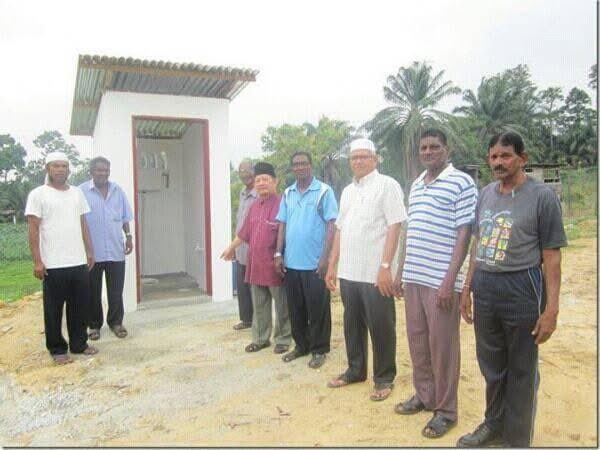
Kahkahkahkah tiba tiba teringat gambar ni.
Dr Azman Ibrahim@Dr_AzmanIbrahim
Ekonomi Jabi, Belum Cuba Belum Tahu Ambe senyum je ketika usaha kita nak wujudkan sebuah ATM di Jabi pernah diperlekehkan.
Indonesia
A|H retweetledi

@Dr_AzmanIbrahim Sediakan mesin ATM tu mmg dh cukup bagus.
Tapi kalau dh sampai nak berpulut kuning tu je yg tersangat aneh.
Indonesia
A|H retweetledi

Vacuum rumah sapa punya terlepas ni. Mari ambik cepat sebelum bandar ni bersih. Kesian dia tercari2 jalan pulang.
Kredit : owner
Indonesia
A|H retweetledi

Aku dh ready negara ni ditadbir melalui undian dari majoriti orang semacam yg bawak motor lepak dekat airport.
Indonesia
If only the world is not acutely infested with riba’ where single income dad is enough to provide comfortable life. Tapi tu lah xblh fix dah society pelahap loan, bnpl, point CC yg xberapa sen tu.
Dapsy𓃵@symplyDAPO
This is the video of the Horrific daycare abuse in Yogyakarta: 53 toddlers tied up, drugged & neglected. 13 suspects arrested.
English