

Muhammad Abid Nazir
6.1K posts

Muhammad Abid Nazir
@abid_k_
وَتُعِزُّ مَن تَشَاءُ وَتُذِلُّ مَن تَشَاءُ ۖ
Pakistan Katılım Haziran 2024
465 Takip Edilen414 Takipçiler

Staying in one place is the best path to be taken over and surpassed by many.
English
*Respecting others reveals the beauty of your character...!*
*Elevate the vessel and respect the person...!*
*Strengthen your character like the roots of a tree so that the moral weakness of the person in front of you does not become the reason for our moral decline.
English


Muhammad Abid Nazir retweetledi
This is the oldest astronomical clock in the world, which is still working. It is installed in Prague, the capital of the Czech Republic in Central Europe. Its name is Prague Astronomical Clock. It is also called Orloj. It was installed in 1410. It is located in the ancient town hall of the city
The surprising thing about it is that along with telling the time, it also tells the position of the sun and the moon. How it works and how to read the time.
یہ دنیا کی قدیم ترین Astronomical Clock یعنی گھڑیال ہے جو کہ ابھی تک کام کر رہی ہے یہ سنٹرل یورپ کے ملک چیک ری پبلک کے دارالحکومت پراگ میں نصب ہے اس کا نام Prague Astronomical Clock ہے اسے Orloj بھی کہا جاتا ہے یہ 1410ء میں نصب کی گئی یہ شہر کے قدیم ٹاؤن ہال میں لگی ہوئی ہے
اس کی حیران کن بات یہ ہے کہ وقت بتانے کے ساتھ ساتھ یہ سورج اور چاند کی پوزیشن بھی بتاتی ہے یہ کلاک پراگ شہر کی پہچان بن چکا ہے, عام بندہ اس پر لکھے وقت کو نہیں سمجھ سکتا بلکہ انتظامیہ خود آپ کو سمجھاتی ہے کہ یہ کیسے کام کرتا ہے اور وقت کو کیسے پڑھنا ہے.


English
Muhammad Abid Nazir retweetledi
🥔🥔🥔 Farmers are hiding potatoes in the soil before the arrival of winter in Hunza Valley. By doing this, the potatoes stay fresh and usable for the next several months of winter. Due to the negative temperature, these potatoes do not grow in these valleys but are preserved. This centuries-old method of food storage is still practiced in Gilgit-Baltistan. 🥔🥔🥔
🥔🥔🥔 وادیٔ ہُنزہ میں سردیوں کی آمد سے قبل کسان آلو مٹی میں دبا رہے ہیں. ایسا کرنے سے آلو سردیوں کے اگلے کئی مہینوں تک تازہ اور قابل استعمال رہتے ہیں. درجہ حرارت منفی ہونے کیوجہ سے ان وادیوں میں یہ آلو اگتے نہیں بلکہ محفوظ رہتے ہیں۔ خوراک ذخیرہ کرنے کا یہ صدیوں پرانا طریقہ گلگلت بلتستان میں آج بھی رائج ہے۔🥔🥔🥔

English
Muhammad Abid Nazir retweetledi
"The greatest glory in living lies not in never falling, but in rising every time we fall."
"زندگی کی سب سے بڑی شان کبھی نہ گرنے میں نہیں بلکہ جب بھی گرتے ہیں اٹھنے میں ہے۔"
#GoodMorning

Muhammad Abid Nazir retweetledi
In Britain's waterways, prior to the 1960s, navigating unpowered boats through tunnels required special skills. "Lagers" were the workers who pushed the boat through the tunnel with their legs.
The lack of air and light in these tunnels made travel difficult, and getting boats across without engines was laborious work. Lagers would lie on the floor of the boat and push against the walls of the tunnel with their feet, making the boat slowly move forward.
This process, known as "lagging", has been an important part of the development of Britain's canal system.
برطانیہ کی آبی گزرگاہوں میں، 1960 کی دہائی سے پہلے کے زمانے میں، بغیر انجن والی کشتیوں کو سرنگوں کے اندر سے گزارنے کے لیے خاص مہارت درکار ہوتی تھی۔ "لیگرز" وہ مزدور ہوتے تھے جو کشتی کو اپنی ٹانگوں کی مدد سے سرنگ کے اندر سے دھکیلتے تھے۔
ان سرنگوں میں ہوا اور روشنی کی کمی کی وجہ سے سفر مشکل ہوتا تھا، اور انجن کے بغیر کشتیوں کو دوسری طرف پہنچانا محنت طلب کام تھا۔ لیگرز کشتی کے فرش پر لیٹ کر اپنے پیروں سے سرنگ کی دیواروں کو دھکیلتے، جس سے کشتی آہستہ آہستہ آگے بڑھتی۔
یہ عمل، جسے "لیگنگ" کہا جاتا ہے، برطانیہ کے نہری نظام کی ترقی کا ایک اہم حصہ رہا ہے۔

English
Muhammad Abid Nazir retweetledi
The pleasant afternoon sun is here to renew your energy and positivity.”
Good Afternoon!
#GoodAfternoon

English
Muhammad Abid Nazir retweetledi
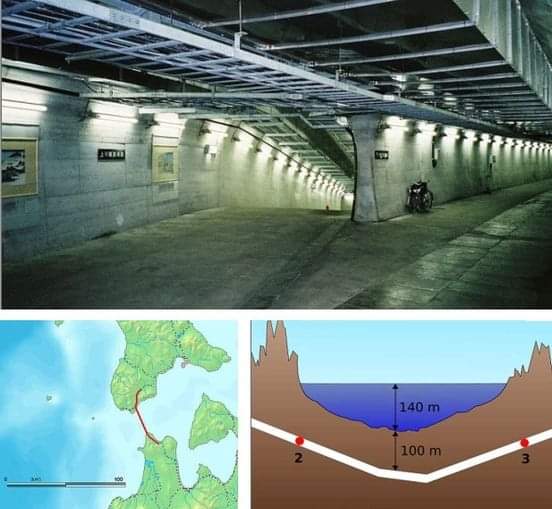
The world's longest underwater tunnel, the Seikan Tunnel in Japan is one of the greatest feats of modern engineering, connecting the islands of Honshu and Hokkaido under the Tsugaro Strait. With a total length of 53.85 km, of which 23.3 km is underwater, it holds the distinction of being the longest submarine tunnel in the world. Opened in 1988, the Seikan Tunnel not only facilitates inter-island transportation but is also designed to withstand earthquakes and tsunamis, demonstrating the state-of-the-art of Japanese engineering. The tunnel represents a milestone not only in transportation but also in safety and innovation, providing a vital link for both passengers and cargo between Japan's two main islands.
دنیا کی سب سے لمبی زیر آب سرنگ جاپان میں سیکان ٹنل جدید انجینئرنگ کے سب سے بڑے کارناموں میں سے ایک ہے، جو آبنائے تسوگارو کے نیچے ہونشو اور ہوکائیڈو کے جزیروں کو جوڑتی ہے۔ 53.85 کلومیٹر کی کل لمبائی کے ساتھ، جس میں سے 23.3 کلومیٹر پانی کے اندر ہے، یہ دنیا کی سب سے طویل آبدوز سرنگ کا اعزاز رکھتی ہے۔ 1988 میں کھولی گئی، سیکان ٹنل نہ صرف جزائر کے درمیان نقل و حمل کی سہولت فراہم کرتی ہے بلکہ اسے زلزلوں اور سونامیوں کو برداشت کرنے کے لیے بھی ڈیزائن کیا گیا ہے، جو جاپانی انجینئرنگ کی جدید ترین سطح کو ظاہر کرتا ہے۔ یہ سرنگ نہ صرف نقل و حمل بلکہ حفاظت اور جدت میں بھی ایک سنگ میل کی نمائندگی کرتی ہے، جو جاپان کے دو اہم جزائر کے درمیان مسافروں اور کارگو دونوں کے لیے ایک اہم لنک مہیا کرتی ہے۔
English