Sabitlenmiş Tweet

base.eth 🟣 🛡️abysdemon🐐|ⓧ|(✸,✸) | ETHGas ⛽
11.5K posts

@abysdemon
@InventMoneyapp
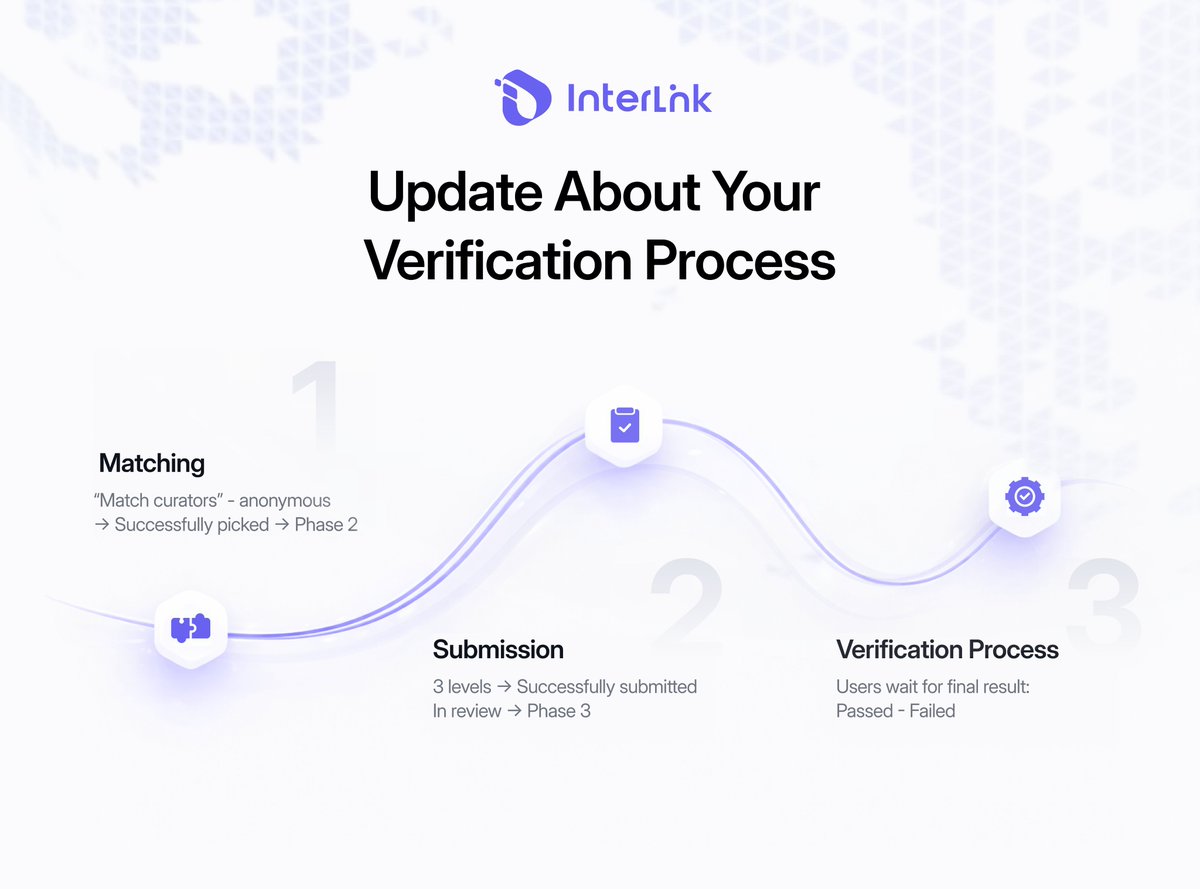
🔐 Update on the Upcoming Verification Process We know many of you are looking forward to verification - and we’re stepping closer to that moment. This process is designed to be structured, transparent, and fair, ensuring every qualified Human Node moves forward with clarity. Here’s how the flow will work: Phase 1: Matching You begin by tapping “Match Curator.” An anonymous list will appear, and you can choose a curator to match with. After selecting, you enter the matching state and wait to be successfully picked. Once picked, your application advances to the submission stage. Phase 2: Submission When it’s your turn, a strict 24-hour countdown will start. You must complete and submit your documents within this time. Missing the deadline may move you to a later pool, delaying your progress. There are 3 submission levels. After completing all required steps, you press Submit, and your status changes to In Review. Phase 3: Verification Process This is the last stage - your application will be reviewed carefully. This process is more than a technical update - it’s a defining milestone before full verification rollout. Prepare early. Understand each phase. Be ready when your turn comes! #InterLink #ITLG #ITL




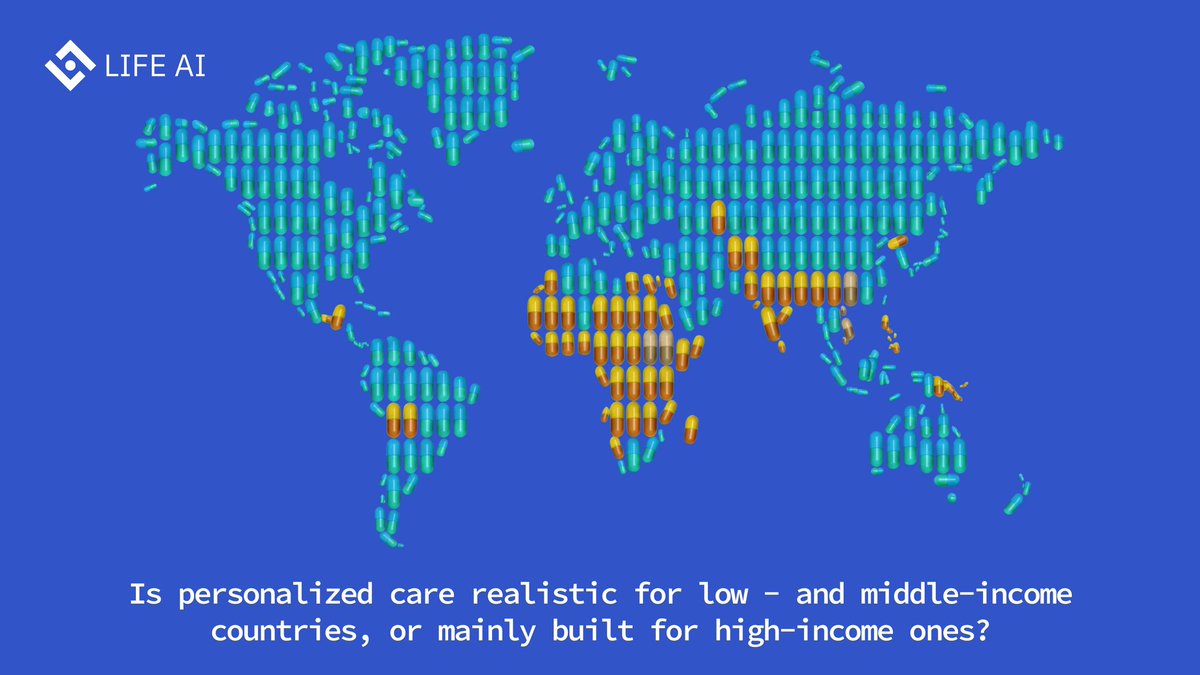
🩺 Community Question Is personalized care realistic for low- and middle-income countries (LMICs), or is it still a model built mainly for high-income countries (HICs)? Viewpoint A: Gradually achievable in LMICs Personalized care can scale over time. Costs of genetic and digital tools are falling, AI-driven insights are becoming more accessible, and hybrid models already work in areas like oncology and chronic care. With the right partnerships and focus, personalization doesn’t have to remain a luxury. Viewpoint B: Not practical for most LMICs For many LMICs, personalized care remains unrealistic. High costs, limited infrastructure, workforce gaps, and unequal access make large-scale adoption difficult. Healthcare systems should prioritize proven, low-cost interventions like vaccination, screening, and basic prevention. Or is the future of healthcare built by combining both approaches? 👇 Drop A, B, or share your perspective. Tag someone who should weigh in on this.