

Whispers
42 posts

Whispers
@address_forge01
Science, Nature, Art, History and Space
Katılım Mart 2026
22 Takip Edilen19 Takipçiler
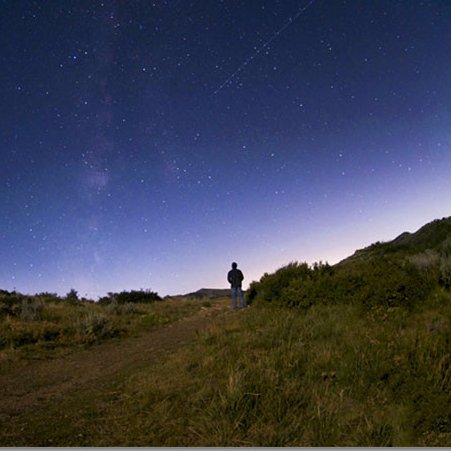
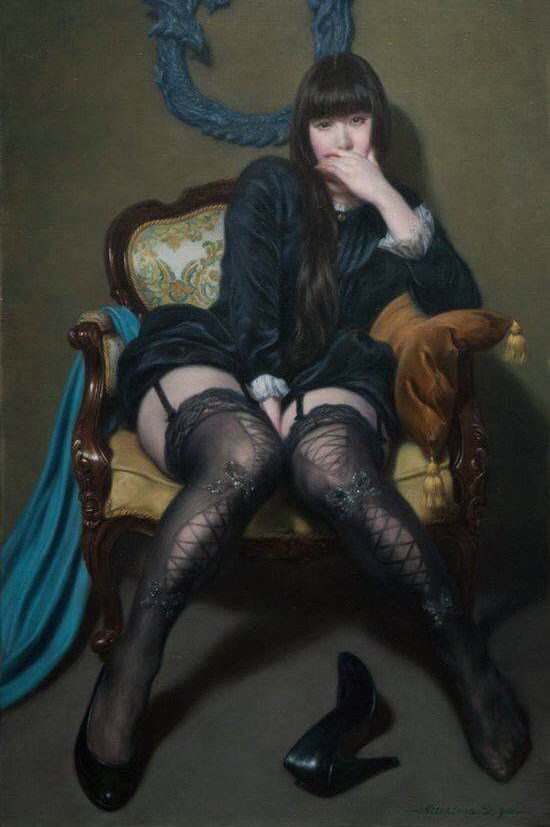
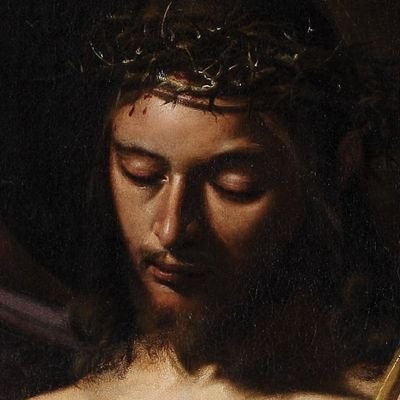


The tallest mountain in the Solar System
Olympus Mons is a large shield volcano on Mars. As measured by the Mars Orbiter Laser Altimeter (MOLA), it is 21.1 kilometres (69,000 ft) or, more precisely, 21.287 kilometres (69,840 ft) high, about 2.5 times the elevation of Mount Everest above sea level.
It is Mars's tallest volcano, its tallest planetary mountain, and is approximately tied with Rheasilvia on Vesta as the tallest mountain currently discovered in the Solar System. It last erupted 25 million years ago.

English


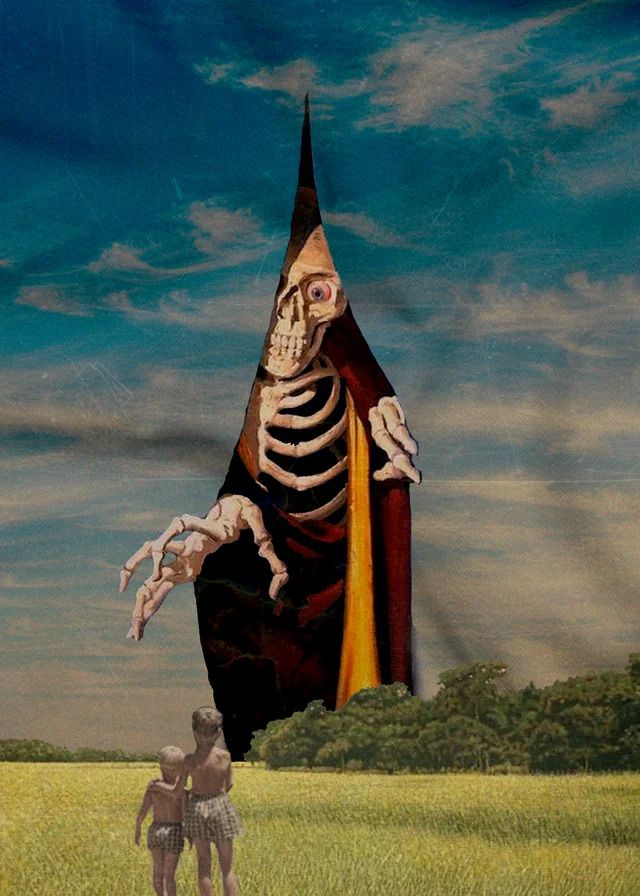
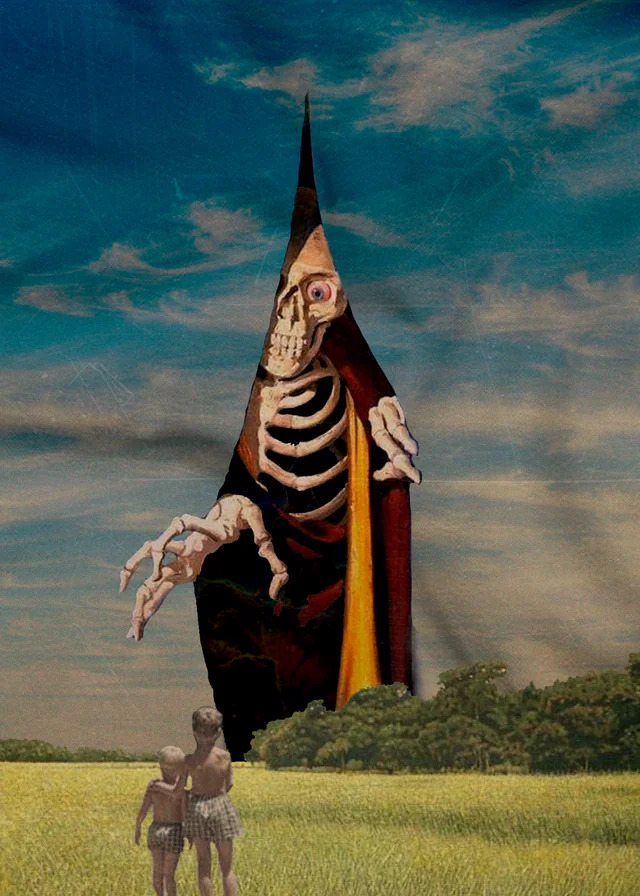
@solisolsoli Two of my favorite artworks!
"The General zapped an Angel" by Karel Thole and "Behold! The Wizard!" by MysticLinear

English
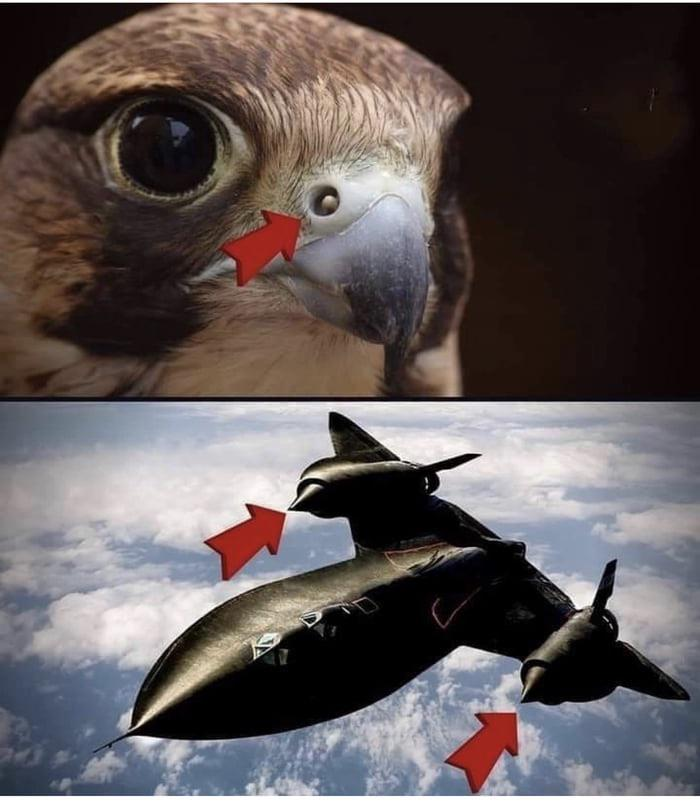
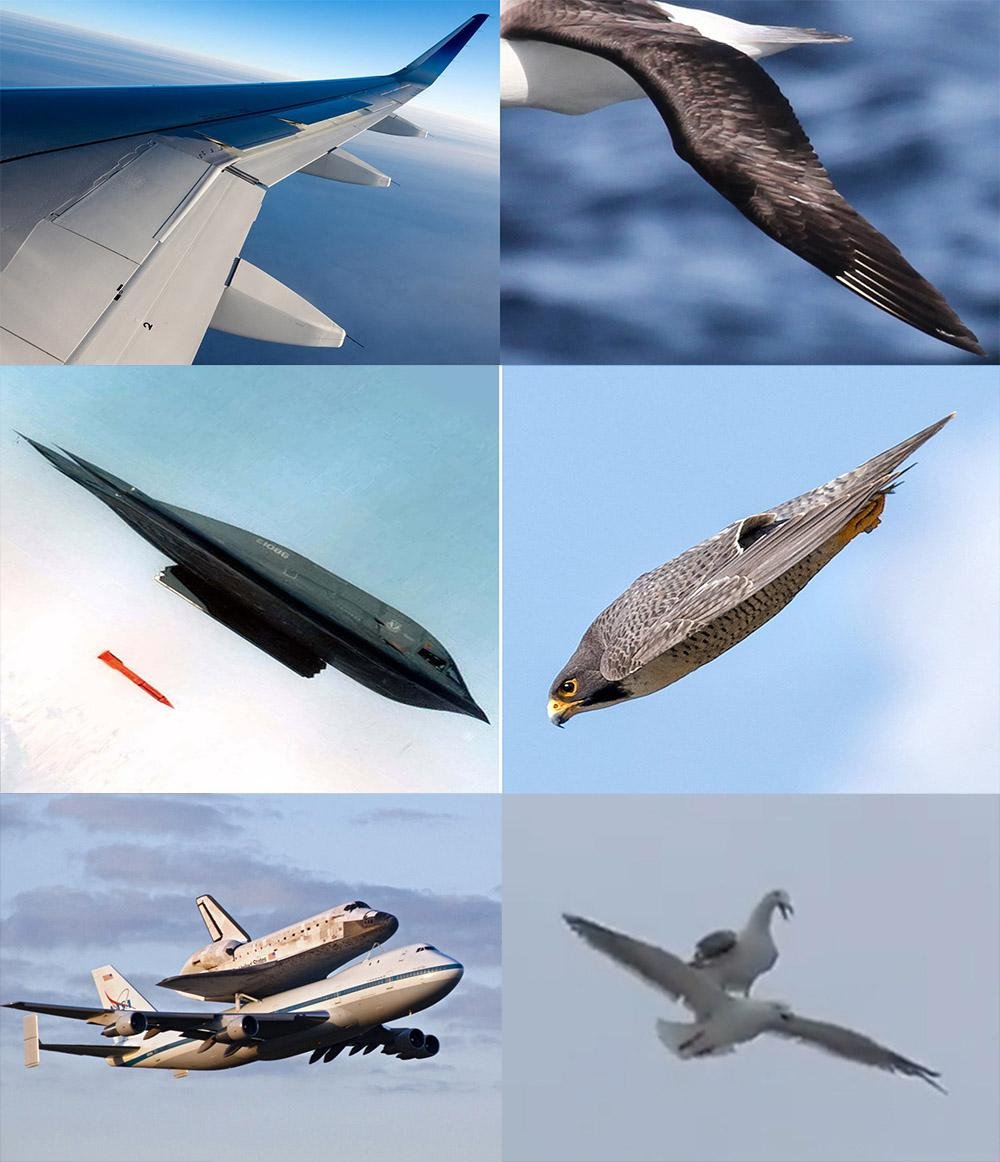
@Civixplorer The peregrine falcon is renowned for its speed, reaching over 320 km/h (200mph) during a dive.
This would theoretically burst its lungs but tubercles in its nose direct show waves away , a design used in high speed jet engines
English

Whispers retweetledi
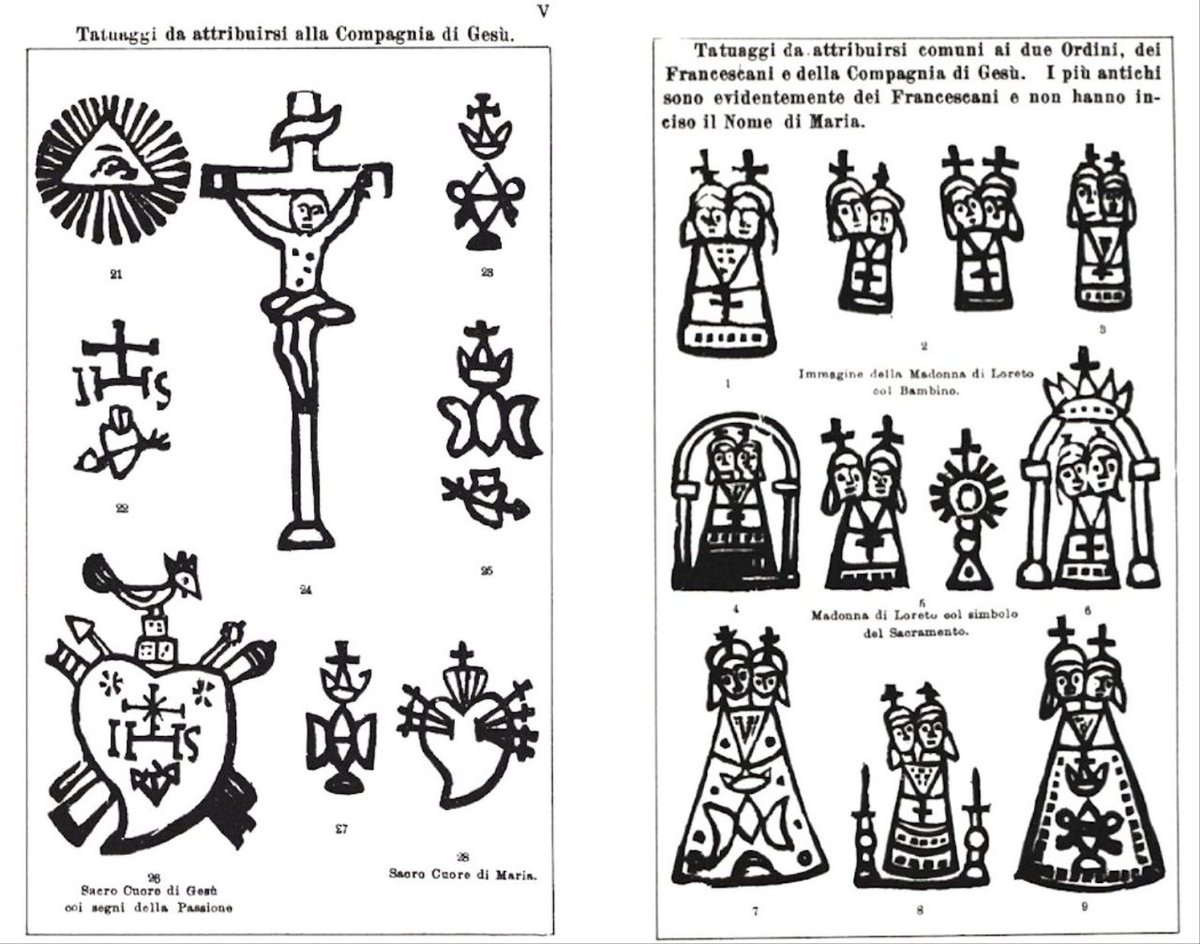
Religious and secular tattoo illustrations for the pilgrims of the Holy House of Loreto, from Caterina Pigorini Beri's work I Tatuaggi Sacri e Profani della Santa Casa di Loreto, 1889. Medium: Ink on paper.
The history of the Holy House of Loreto dates back to December 10, 1294; according to legend, it's been recognized as the Virgin Mary's house from Nazareth ever since. As the heart of Loreto, a small town in the Marche region, this structure became one of Christianity's most prominent pilgrimage sites starting in the early 14th century. Pilgrims flocked there not only from the neighboring regions of Lazio, Abruzzo, Umbria, and Piceno, but from all across Europe.
Pilgrims had to prove they'd completed their journey (whether for the absolution of sins, the fulfillment of vows, or certain privileges granted by the church). Initially, medallions or badges served as this proof; however, these could be lost, stolen, or even counterfeited. As a result, the religious tattoo gradually became a much more reliable solution: it couldn't be lost or stolen, and it was carried on the body for a lifetime. It's widely accepted that the tattooing tradition in Loreto probably began in the early 17th century, though some sources suggest its roots stretch back to the 15th century, or even to the period before Ignatius of Loyola founded the Society of Jesus.
The people who kept this tradition alive in Loreto fell into two distinct groups.
In the early days, monks known as frati marcatori (marker friars) took on this role. Starting off by tattooing simple Christian symbols on hands and wrists, these monks eventually moved on to more intricate designs - most notably, depictions of the Madonna di Loreto. In later centuries, however, the task passed to shoemakers. These artisans easily adapted to this side job because they were already familiar with working leather and dyes. The shoemakers worked right at the entrances or doorsteps of their homes facing the Holy House, keeping their equipment close at hand.
Sitting in front of their shops, the shoemakers would dip wooden blocks carved from boxwood into a sooty blue-indigo mixture and press them against the pilgrim's arm. Then, using the thick, three-pronged steel needles normally meant for stitching leather, they'd pierce the skin until it began to bleed, making the design permanent. Done right in the middle of the street with shoemaking needles, this procedure was exceptionally painful and often led to severe infections. Because of growing health concerns and the risk of spreading diseases like syphilis, Italian authorities officially banned Loreto tattoos in 1871. Despite the ban, neither the shoemakers nor the pilgrims gave up the practice. They kept at it in the back rooms of their shops using their shoe repair tools well into the mid-twentieth century.

English
Whispers retweetledi

View over Karl-Marx-Allee from the Fernsehturm, East Berlin, 1980s.

Deutsch
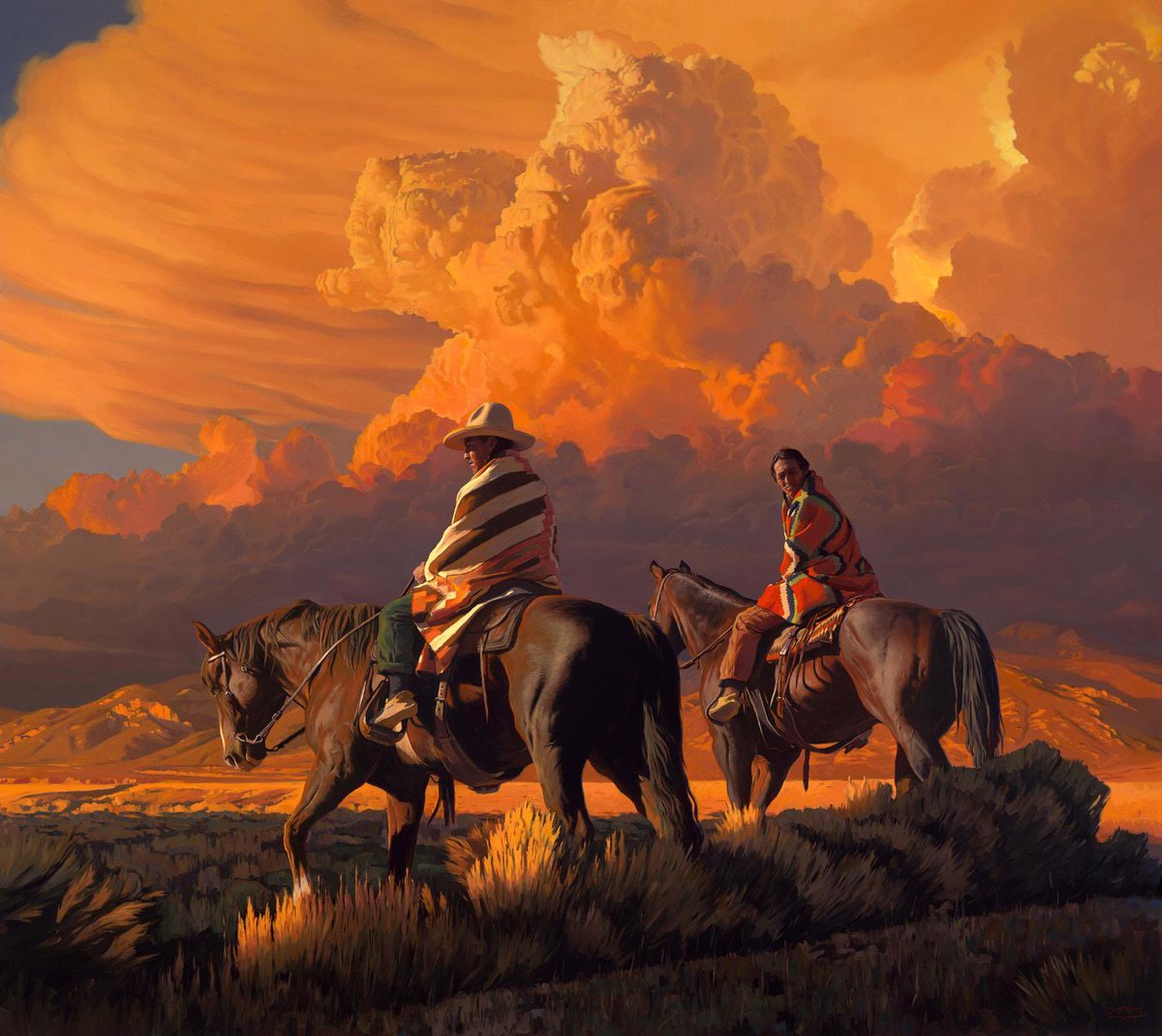
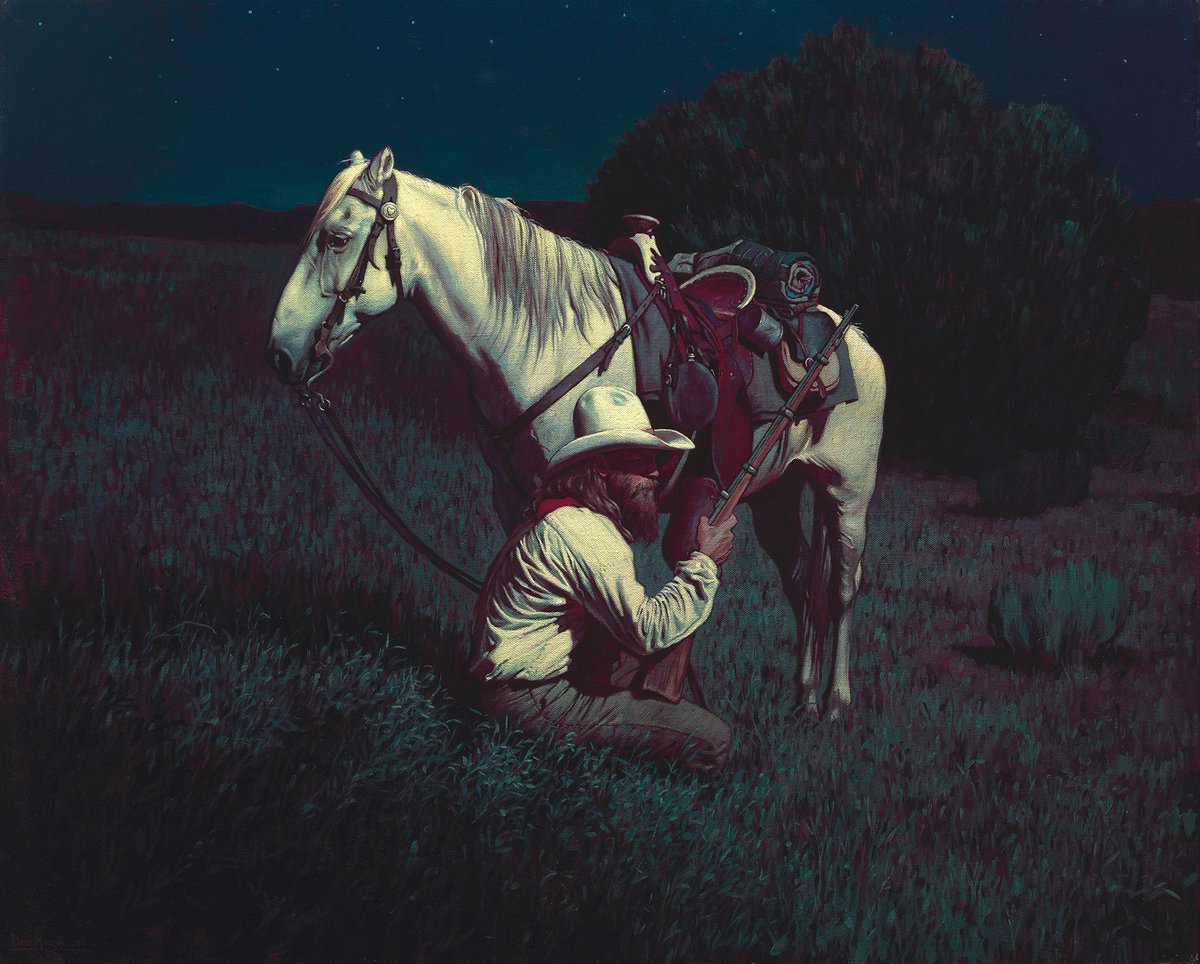
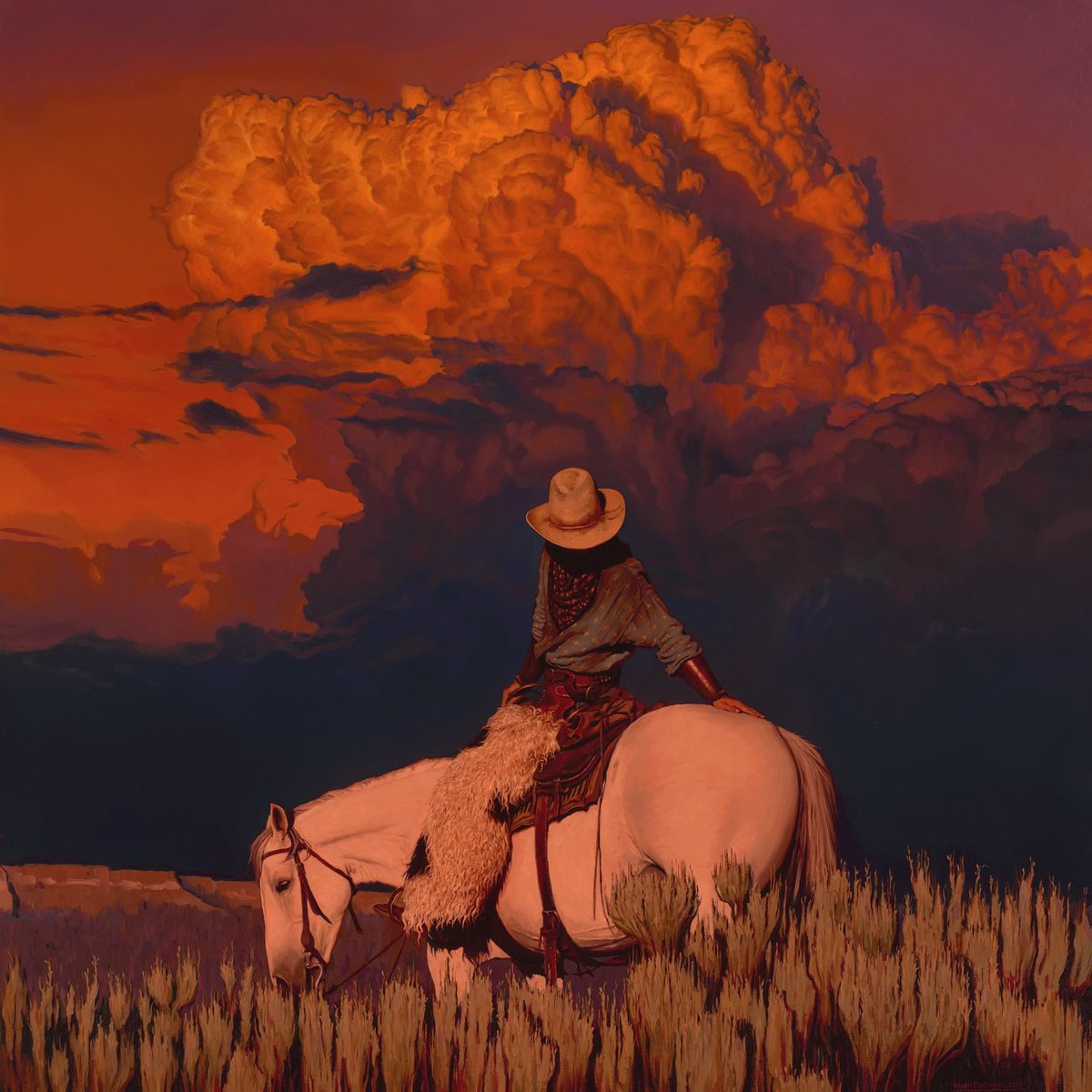
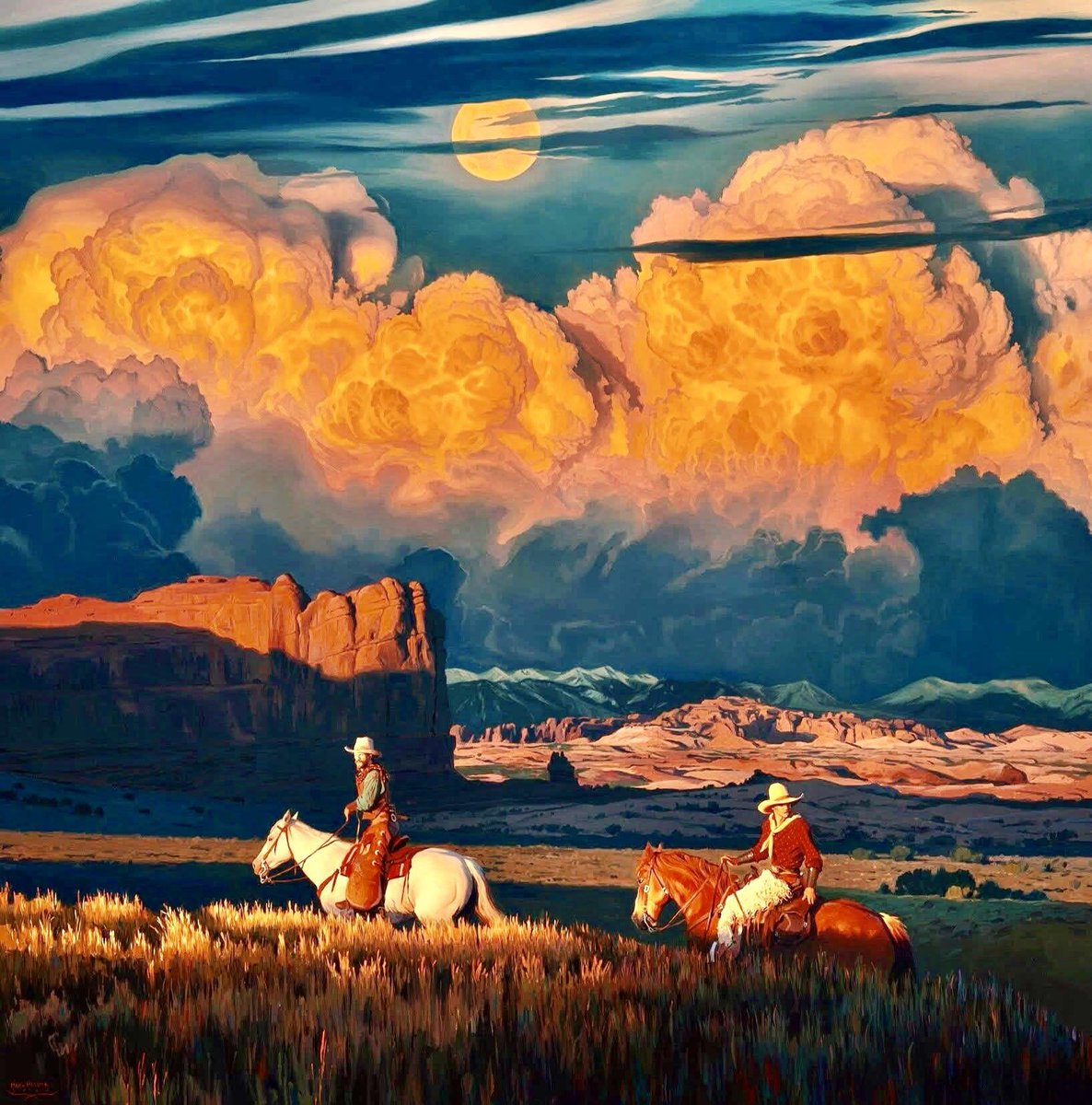
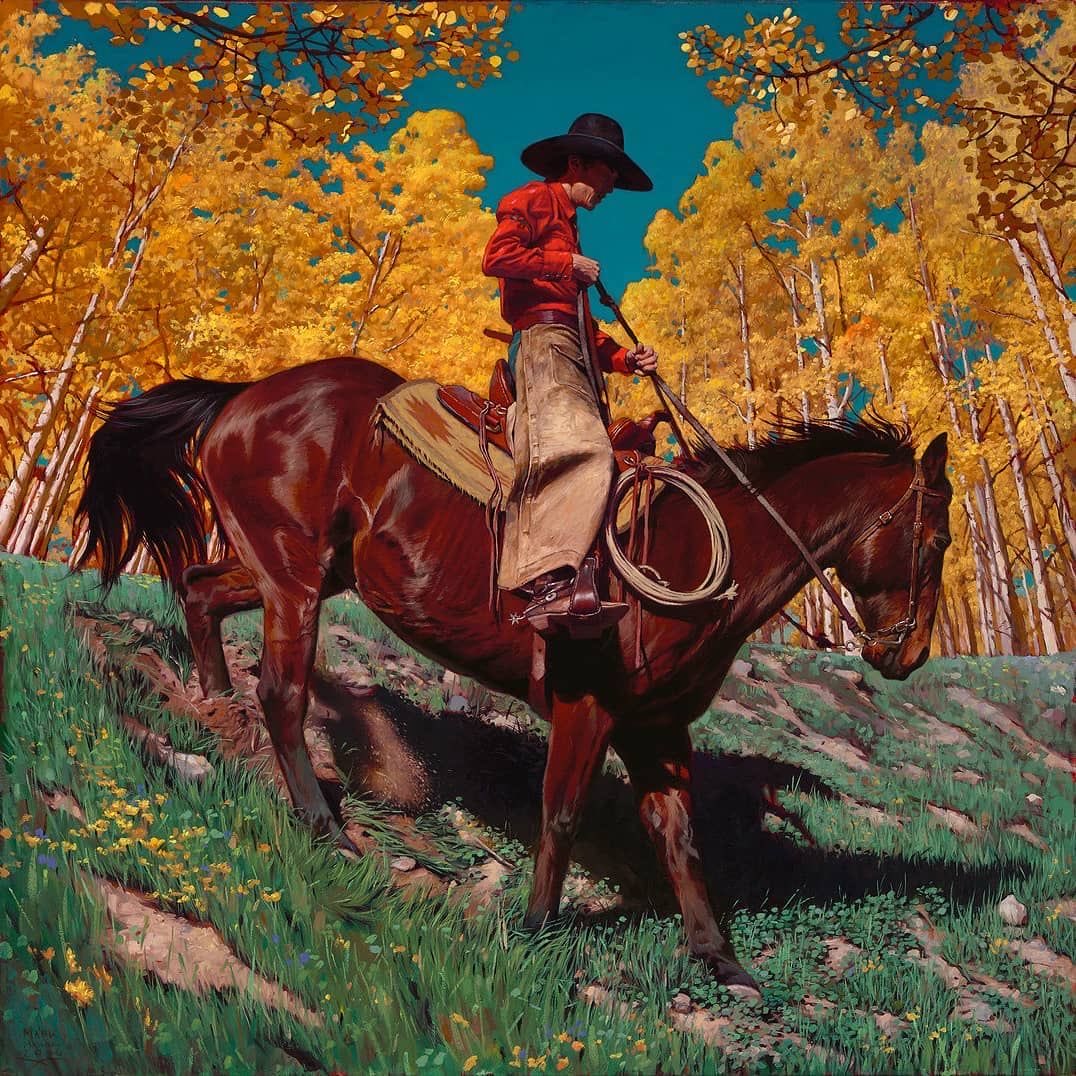
@solisolsoli In love with Mark Maggiori's paintings, he never fails to tell a story.
His modern cowboys and American West landscapes seem alive, with dramatic skies and breathtaking light! 🐎☀️
English
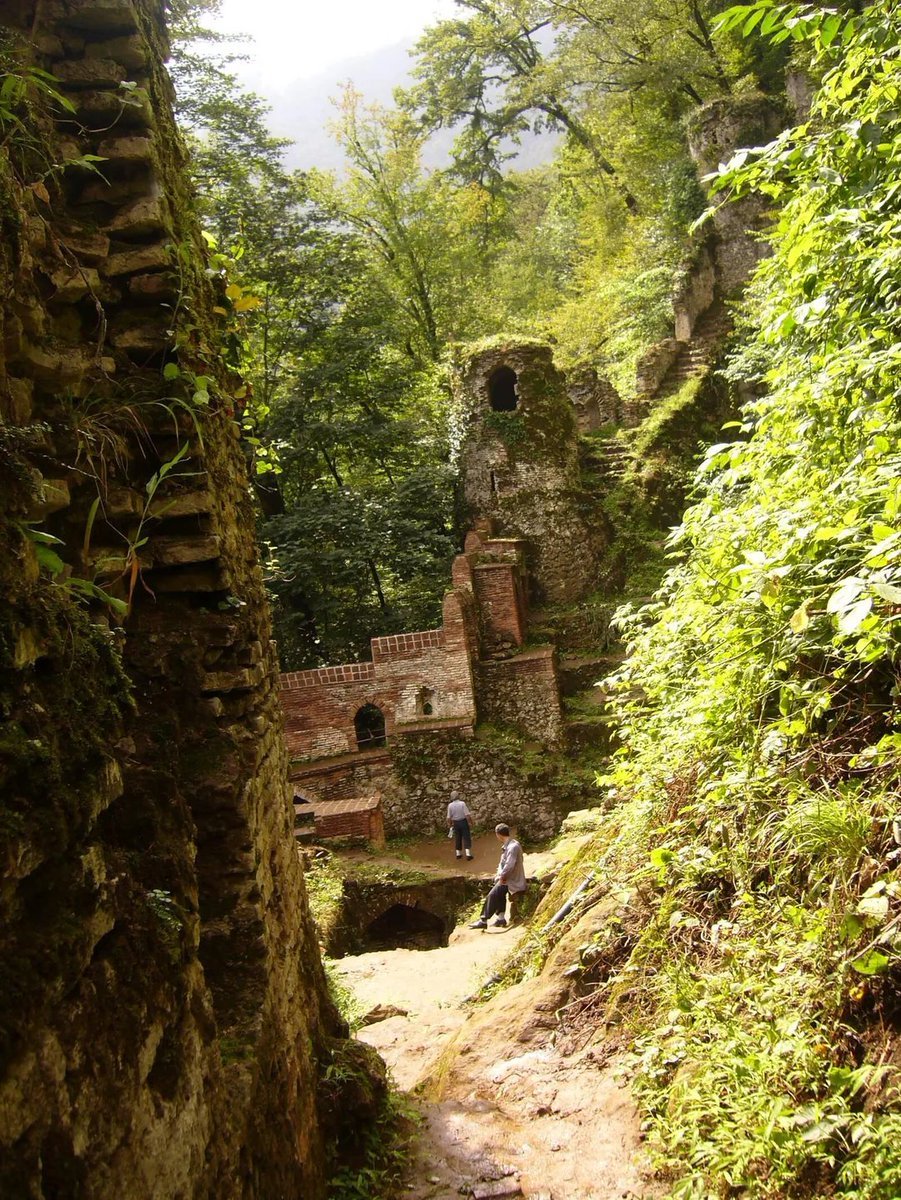
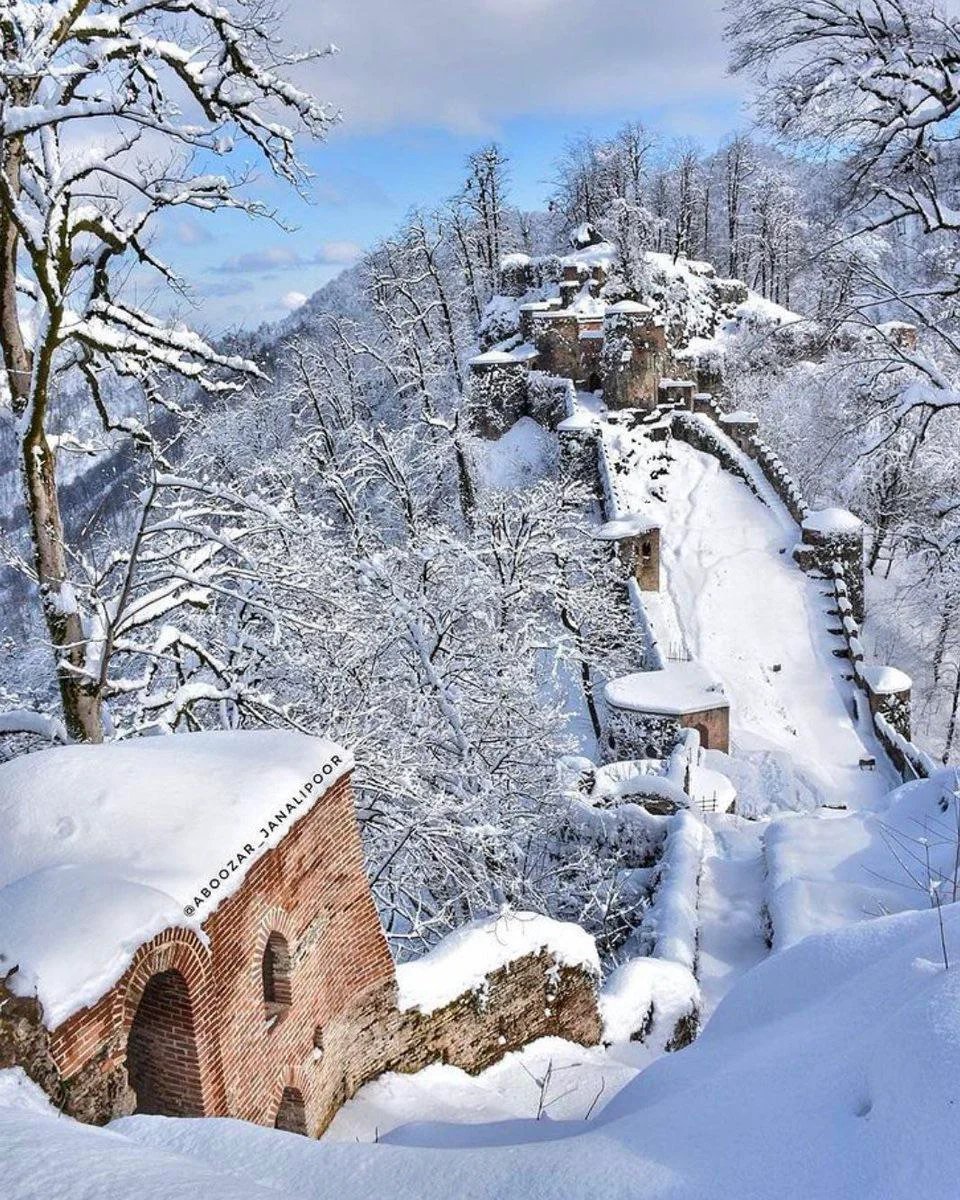
@Civixplorer Rudkahn Castle, Iran.
The castle, which spans two mountain peaks, is thought to have been built between 224 and 651 A.D.
English



Whispers retweetledi



🚨: Animated map shows human migration throughout history.
English