Sabitlenmiş Tweet

Arjan de Groot
156.2K posts
@adegraat
behoorlijk rechts en steeds weer verbaasd als je door sommigen voor links wordt uitgemaakt als je verwijst naar originele documenten waar discussie over gaat.



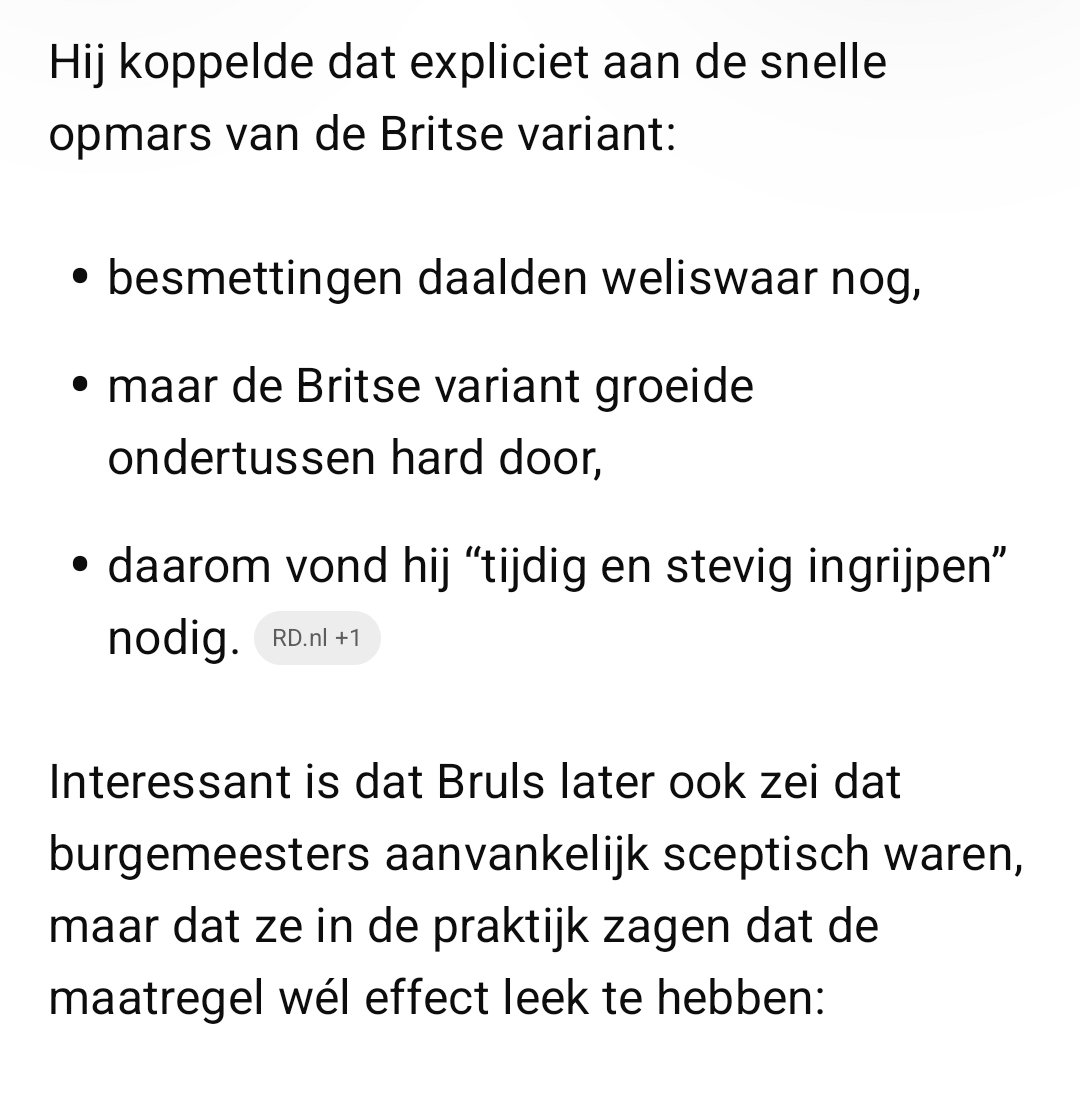










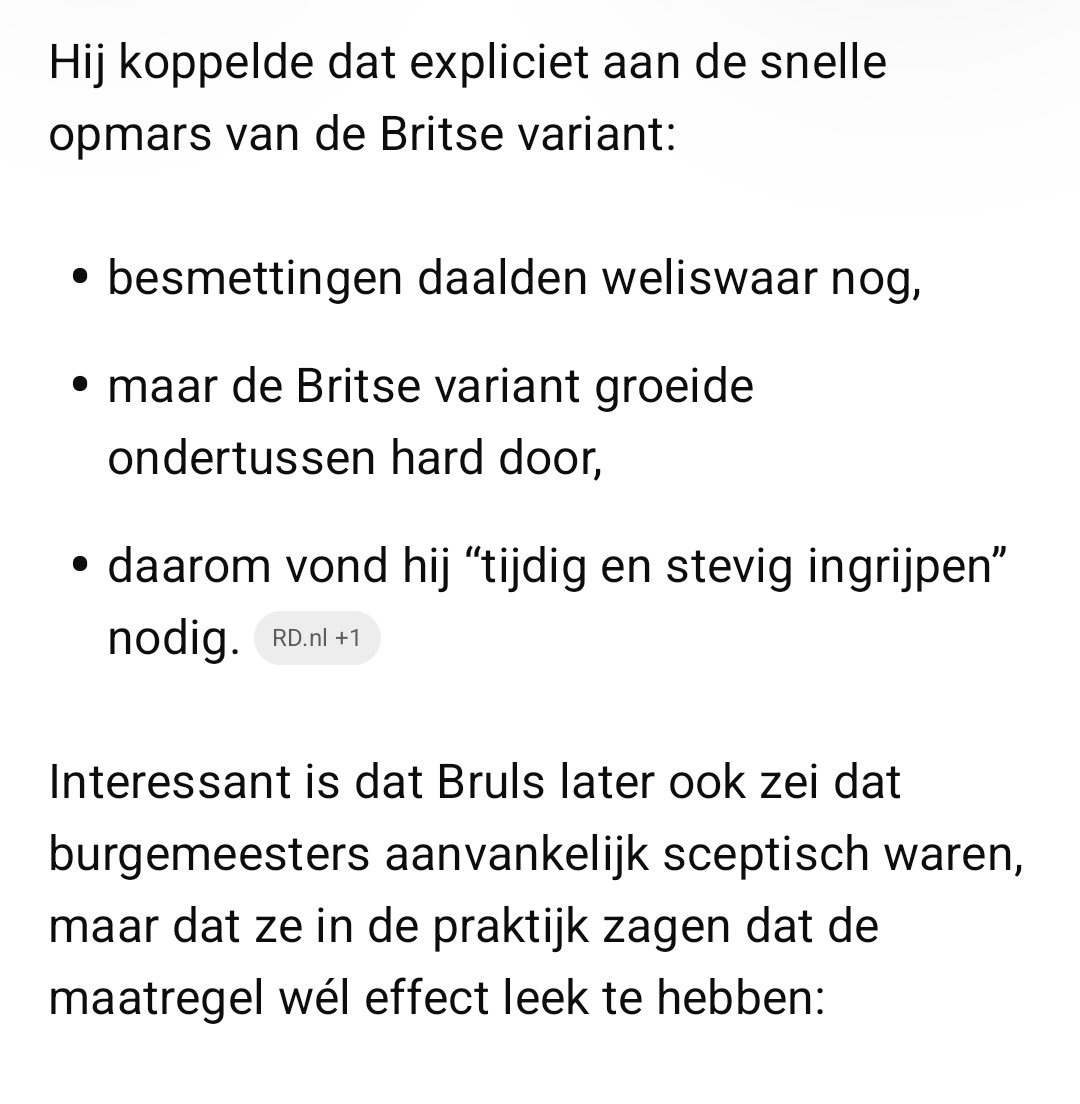
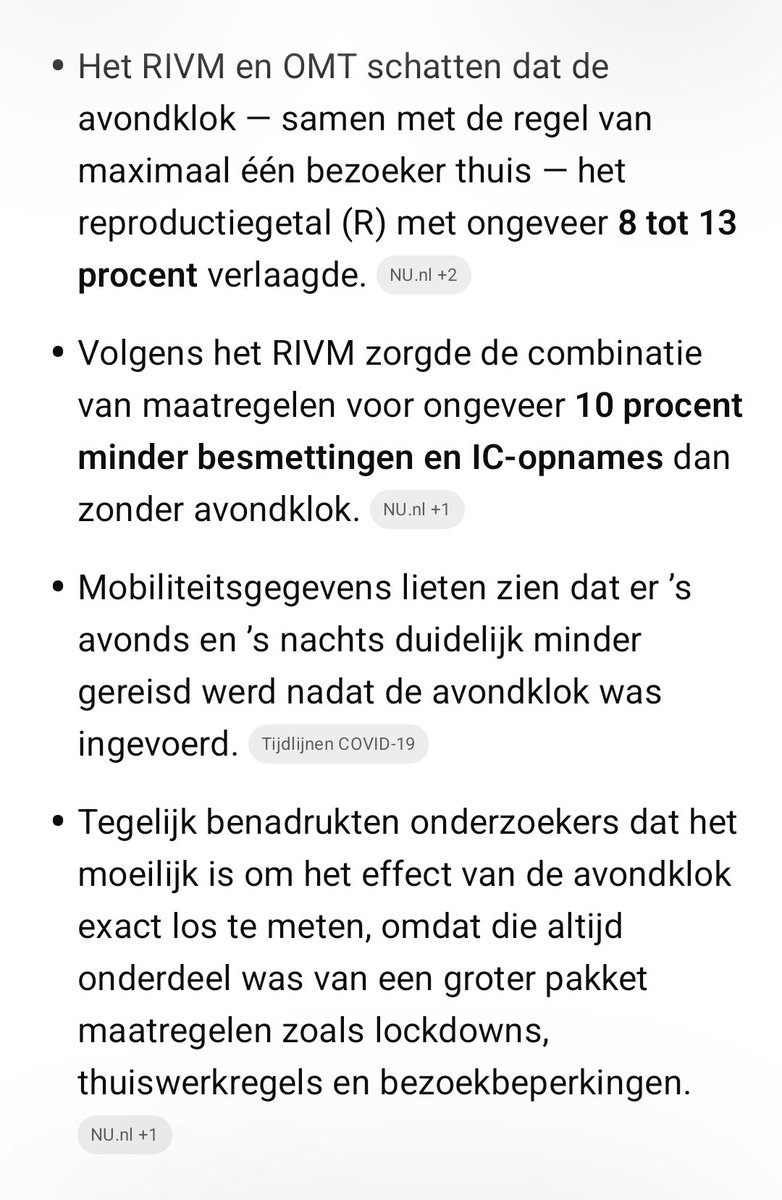
Hier krijg ik dus letterlijk rode vlekken van in mijn nek. Despoot Bruls verdedigt de avondklok tijdens de coronatijd door te zeggen dat die weliswaar totaal niets deed tegen virusverspreiding maar de maatregel was goed uit te voeren. Joe. #Bruls #Buitenhof #Buitenhof #Bruls

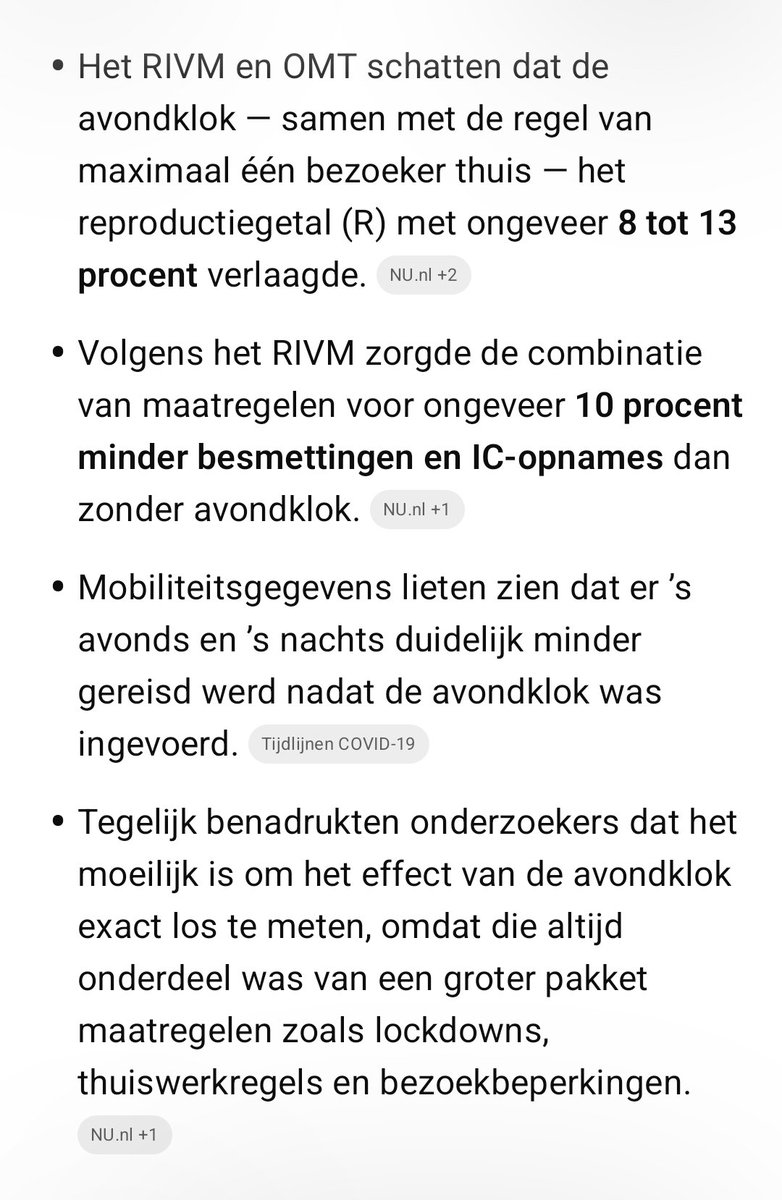


“De avondklok werkte niet tegen het virus… maar wel tegen de bevolking.” Herlees dat nog eens traag ajb. Mensen mochten hun huis niet uit na een bepaald uur. Niet omdat daar enig wetenschappelijk bewijs voor was. Niet omdat het virus plots gevaarlijker werd na 22u. Maar omdat het “makkelijk te controleren” was en omdat de bevolking het “goed opvolgde”. Perdon?!?! Dat is ronduit hallucinant. Miljoenen mensen verloren hun vrijheid, zelfstandigen gingen kapot, jongeren vereenzaamden, ouderen stierven alleen, gezinnen raakten ontwricht, depressies en angst explodeerden… voor een maatregel waarvan men wist dat het effect op de virusverspreiding verwaarloosbaar was? Maar toch werd die er doorgeduwd. Dus niet uit medische noodzaak maar puur uit controlelogica. De focus dus even verschuiven van volksgezondheid naar gedragsdiscipline… Waar hebben we dat nog gezien? Een overheid hoort burgers te beschermen, niet te conditioneren. En neen, dit gaat niet over “achteraf gemakkelijk praten”. Dit gaat over een fundamentele vraag: hoe ver mag een overheid gaan met vrijheidsbeperkingen wanneer ze zelf weet dat het effect onbestaande is? En neen, ik laat dit niet los. Dit gaat over hoe onze basisvrijheden te grabbel werden gegooid tijdens de grootste na-oorlogse crisis die we hier hebben meegemaakt. Daar moeten we juist blijven naar kijken om er lessen uit te trekken zodat dit soort demagogen de volgende keer geen kans meer krijgen om hun zieke spelletjes te spelen met een hele generatie.