Adm retweetledi

Adm
1.2K posts


@admdoctrinal
Jurisprudentiae laureatus. Theologiae ac philosophiae cultor.

My own take on how to divide Europe in regions







En España hemos tenido un trío de pensadores políticos contemporáneos de gran fuste y hondura, a saber: Dalmacio Negro, Gustavo Bueno y Antonio García-Trevijano, nacidos en el XX y muertos todos al final del primer cuarto de este siglo (2024, 2016 y 2018)

La intensidad exorbitante de la inmigración latinoamericana en España ha destruido cualquier ensoñación de un futuro político de unificación hispanoamericana.


Se hace presente el de Couto Fornilhos en el ruedo de Las Ventas


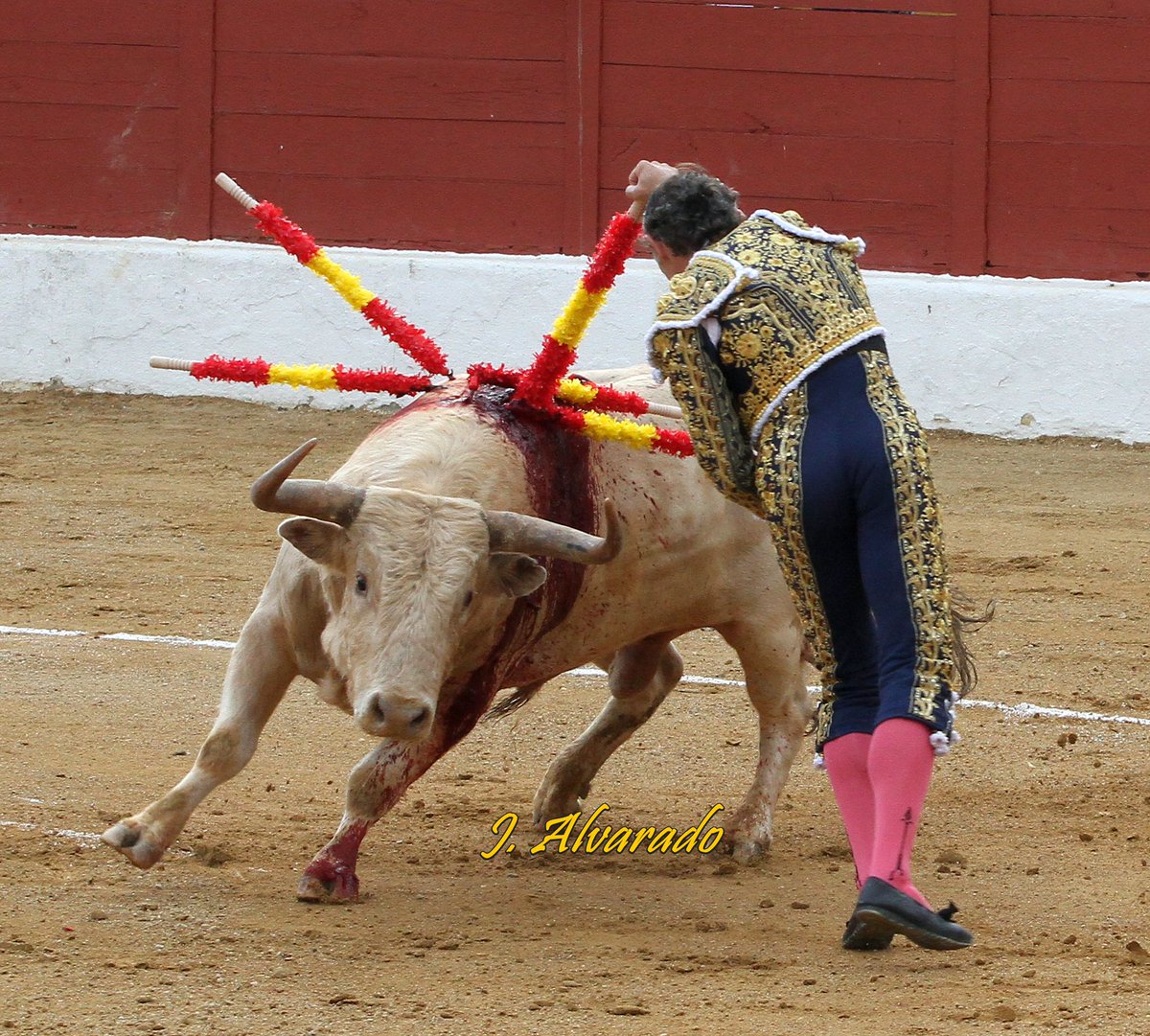



Se hace presente el de Couto Fornilhos en el ruedo de Las Ventas



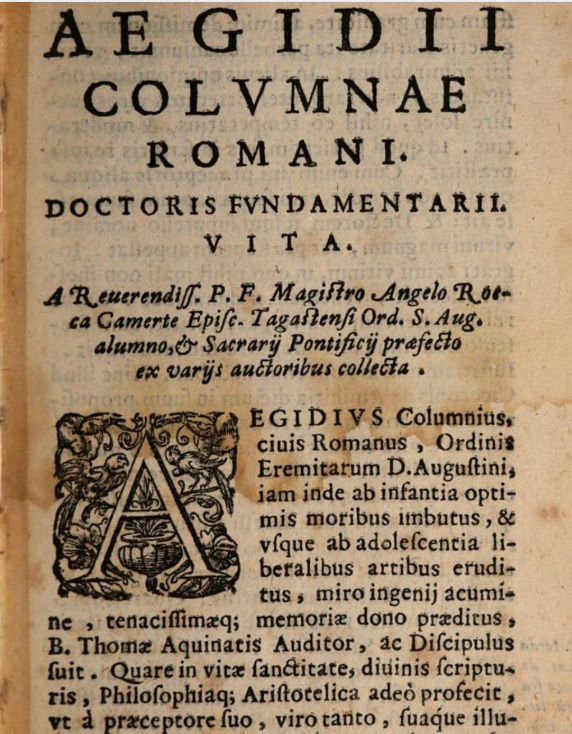
Did the Romans speak Latin? The medieval and humanist controversy. * Part 1. The Latin language, as we find it in the best writers, was the form used by educated people in the city of Rome around the first century BC. It is referred to as Sermo Urbanus, Elegans, Urbanitas, Oratio Romana, or simply Sermo Latinus: (Br. 75, 261; 3 De or. 11, 40–41; Qt. VIII, 1. 3; Var. Ling. Latin. I–III). Other Romans, who lacked formal education and lived especially in the countryside, as well as slaves and foreigners, used a simpler kind of speech. Compared with the urban variety, it was sometimes corrupted by grammatical mistakes (solecisms) and foreign or incorrect forms (barbarisms). This type of speech is called sermo plebeius, vulgaris, or familiar: (3 De or. 37, 150; Qt. VIII, 2, 1; 3, 16; Sen. Controv. III, praef; Gell. XI, XIX, 13). Moreover, this kind of speech could also appear in a somewhat more refined form, namely when it was used by a more educated person in everyday conversation or in private letters. In such contexts, as Marcus Tullius Cicero says, “cotidianis verbis texere solemus” (Cic. Fam. IX, 21). (Cf. Cic. Or. 5, 20; Quintilianus I, 6, 1: “est sua loquentibus observatio, sua scribentibus”.) It should also be noted what Cicero says about rustic and rural expressions: “Rustica vox et agrestis quosdam delectat, quo magis antiquitatem, si ita sonet, eorum sermo retinere videatur” (3. De Or. 11, 42). The closer a given form of speech came to this ideal of urbanity, the purer and more genuinely “Latin” it was considered. The further it departed from that model, the more it was judged corrupt and flawed, and thus labeled “vulgar.” While the urban variety is directly attested in literary works, examples of vulgar speech can be identified either through descriptions by authors or through inscriptions that have survived to our time, most notably those preserved on the walls of Pompeii. From all this, we may confidently conclude the following: there truly was a distinction between “urban speech” and “rustic or vulgar speech.” However, this distinction does not mean that the Romans had two separate languages. Rather, they had one single Latin language, whose proper forms and rules some observed more carefully and others more loosely. This is not difficult to understand, since the same thing happens even in our own time. If someone listens to a judge delivering a formal judgment in court and to an uneducated man speaking in the marketplace, he will clearly notice that both are using the same language. Yet one follows the standards and elegance of proper expression, while the other uses words more freely and with less correctness. In the Middle Ages, however, the difference between the Latin preserved in literature and the everyday spoken language became so great that they came to be regarded as two entirely different languages. Latin was no longer learned at home or through daily use, but through formal study with the help of teachers. As a result, learned men began to form mistaken ideas about the speech of the ancients. They believed that, just as in their own time there were already two languages, one common and domestic (such as French, Italian, Spanish, etc.), and another, Latin (which they also called “Grammatica,” because Grammatica was the name of the first of the liberal arts in the medieval trivium), so too in ancient times the Romans must have had two completely distinct languages: one vulgar, which arose naturally, and another, namely Latin, which was not natural but artificially constructed and devised. This mistaken view, which continued to find supporters and defenders up to the fifteenth century, arose from the fact that those scholars assumed the conditions of their own time to have existed in the age of the ancients as well, as if they were projecting into the past what they saw before their eyes in the present. Moreover, it was not easy for them to think otherwise, since access to the works of ancient authors was becoming increasingly rare: many texts already lay hidden under dust in the libraries of monasteries, while other traces, carved in stone, remained buried beneath the ground. From this situation there arose, among learned men of the Middle Ages, several theories about the Latin language, especially concerning the purpose for which the Romans had devised it. Three principal views emerged: the first that of Aegidius Romanus (Giles of Rome) (1243–1316), a student of Thomas Aquinas at the University of Paris; the second that of Dante Alighieri (1265–1321); and the third that of Francesco Petrarca (1304–1374). In the following post, we will discuss the first theory proposed by Giles of Rome.