Sabitlenmiş Tweet
Yad 🥷
16.2K posts


Yad 🥷
@aeon07
Sociologist, Dev practitioner, thinker, Writer, Critic, Analyst...
A place in time. Katılım Ekim 2011
510 Takip Edilen487 Takipçiler
Yad 🥷 retweetledi

If you're making a technology or energy investment in the next 12 months and want an independent perspective before you sign anything, let's talk.
English
As the saying goes “follow the money”.
Tinubu’s government expenditure will show you where his priorities are.
The Benin Blogger@TheBeninBlogger
"Some of APC's most h@ted policies actually make sense. Petrol price went up, and people are angry, but let's be honest; Subsidy was wasting trillions of naira every year. Removing it frees money for security. Critics only see the short term pay." - Lady insists
English
Yad 🥷 retweetledi

@NowIsAllUHav @elonmusk Wouldn’t that be special, twining up with your executioner 😌
English


Probability of me getting a fair trial if this is how the judge dresses is 0.0%
Libs of TikTok@libsoftiktok
NEW: Elon’s attorneys are calling on Clinton-appointed Judge Charles Breyer to investigate the jury in Musk's recent Twitter acquisition case after jurors were mocking Musk in court. RIGGED
English
Yad 🥷 retweetledi

Update: Massive Action On Lagos State Loading As Akerele Is Backed By State’s C.ruel Law Without Signages
English
@KingMntungwa I hope South Africans get their way and hit reset.
It would be a great opportunity unmask the obvious problems.
However, if your position is so popular, why not just get your MPs to do your bidding?
English
Salute Mjomane for showing up ku March & March An anti-illegal immigration march is underway in Durban, KwaZulu-Natal.
English
There is so much to takeaway from the Angolan experience. Its foreign posture, oil reforms and economic growth.
Loans can drive development, when invested in national priorities and not some whimsical dream of private jets and yachts.
Angolans 🇦🇴@Angolans
“The ruling party will have to adapt, if it wants to maintain the country’s stability”
English
Yad 🥷 retweetledi

#SaveJabiPark
Trees have been uprooted and felled to make this ditch splitting Jabi Park in half. Construction activities have begun with cement mixing, and blocks have been offloaded beside this ditch. 🦺 🚧
If we sit back and fold our hands, this park will be fenced off to..


Salz@salmabanks_
#SaveJabiPark Protest update 🧵 We have dispersed from the park for today! Thank you to everyone for coming out. Today’s meet up was to deliberate on how to sustain the protest. The main protest will hold on Saturday. Abuja! Make it a date with us, let’s stand for something.
English
Yad 🥷 retweetledi
This is pure wickedness! Imagine someone fighting for their life with breast cancer and then buys a FAKE drug for cancer!
We need to have stricter measures for people who fake these drugs! Find them and punish them severely! People shouldn't be playing with lives!
NAFDAC NIGERIA@NafdacAgency
Public Alert No. 017/2026. Alert on confirmed counterfeit of Herceptin 600 mg in Nigeria #NAFDACAlerts bit.ly/4ssDbGe
English

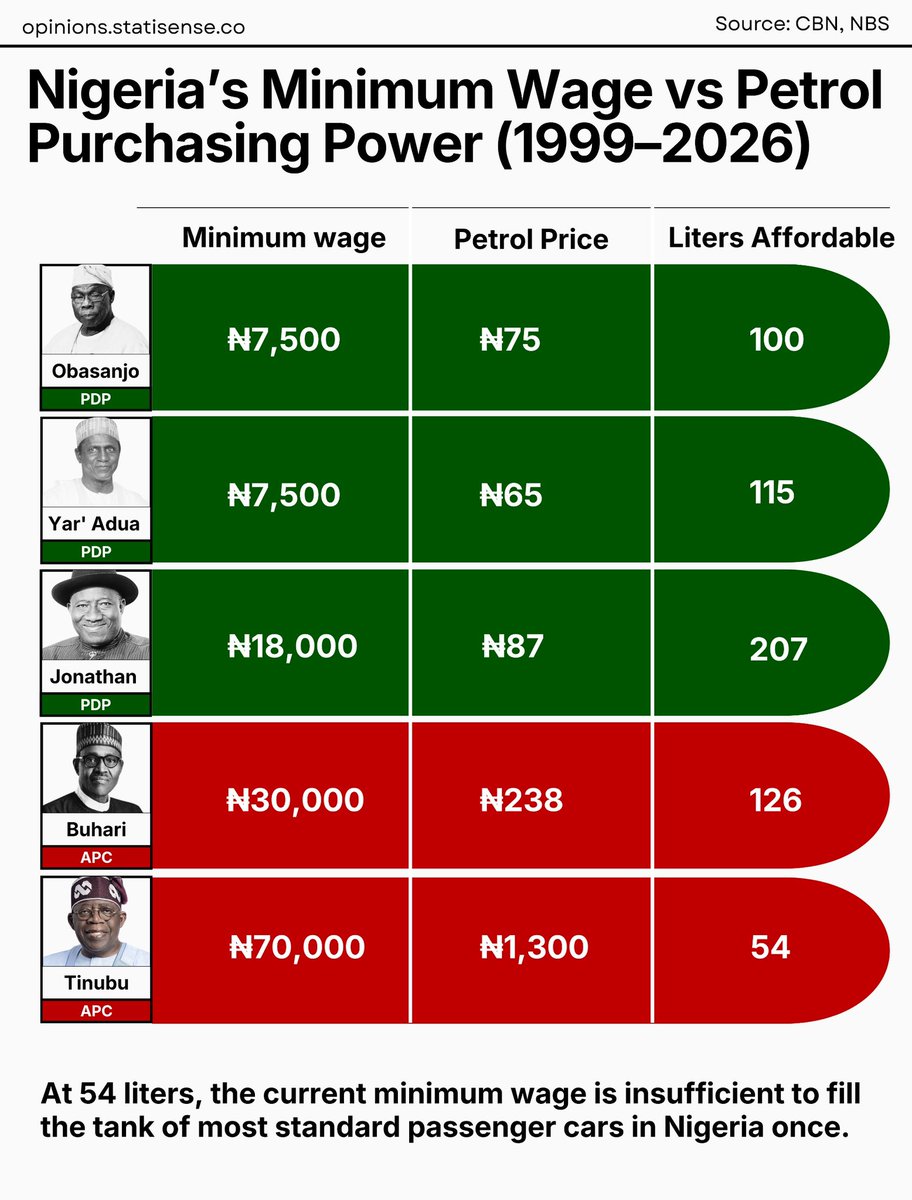
🇳🇬 NIGERIA’S MINIMUM WAGE VS PETROL PURCHASING POWER (1999-2026)
Oyindamola🙄@dammiedammie35
“Why should petrol be expensive in a country that produces it? if it's not a sign of fa!lure, Why is the w@r in Iran affecting Nigeria, a major producer of oil?” - Dele Farotimi.
English
@jewel_julez @Shadaya_Knight @OlusegunBigfish They’re doing what is right? Dehumanizing people?
What is stopping them from involving law enforcement agencies?
Careful what you validate, it may be you or yours tomorrow.
Justice can and should be delivered without dehumanization.
English

Current situation in South Africa, as black South Africans are closing businesses of black foreigners.
English
In a different Conversation-
I have 2 EVs in Use now. An older one, and a New one.
Biggest myth: “EVs are too expensive.”
Skip Tesla, and it's cheaper than Most SUVs in the Market
Reality:
• Lower running costs
• Less maintenance
• No petrol
English
@Teakay35364495 @beegeaglesblog How do their guns, RPGs, and bullets come in?
Are they registered?
Our weak border enforcement remains a major threat to the success of the war against terrorism in Nigeria.
English

@beegeaglesblog As long as drones imported are not properly registered,this problem will persist.
So many drones flying without proper registration

English
Northeast Theater
Drone War
Terrorists commenced drone attacks on 24 Dec 2924. Best believe that it has come to stay as a facet if their operations - much like you expect their combat deployment of VBIEDs, opportunistic use of roadside IEDs + with BH, the use of suicide bombers
The Nation Nigeria@TheNationNews
"...Boko Haram and ISWAP (Islamic State West Africa Province) have increasingly deployed low-budget, commercially available (COTS) drones, often modified quadcopters, in attacks on Nigerian military positions in the Northeast. thenationonlineng.net/cheap-drones-c…
English
Yad 🥷 retweetledi

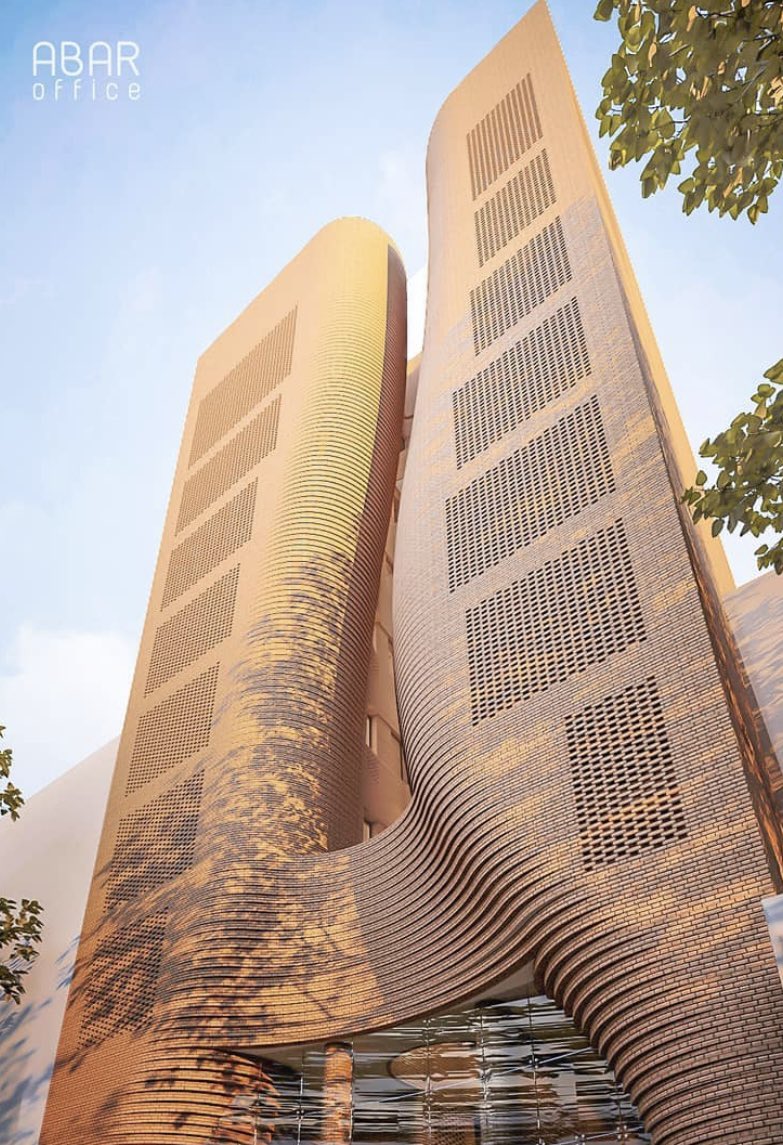
Striking design for a brick office building in Iran, by Abar Office
So much more appealing, and sustainable, than an all glass design!
English
Yad 🥷 retweetledi

Yad 🥷 retweetledi

@beegeaglesblog Exactly!
Anything to improve the next battle outcome.
Best to identify flaws ISWAP missed and correct them, the enemy is always adapting. Our men should be ahead.
1 VBIED could be 3 next time, armed drones are a disturbing emergence.
English
NA could also bolster 68 Battalion by having a SF coy embedded with them.
English
The press is part of the problem in Nigeria.
Sensational reportage has taken presidence over facts .
Suave Lawyer@jurist_oriko
Take NOTICE that he was found guilty on 9 counts and got 8 years for each count. His sentence is to run concurrently not consecutively. So, he is spending only 8 years behind bars.
English
Yad 🥷 retweetledi
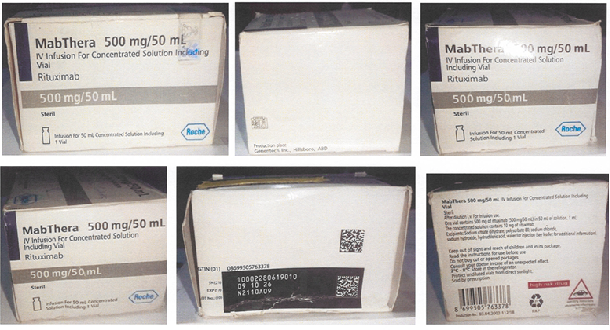
Public Alert No. 016/2026.
Alert on confirmed counterfeit Mabthera 500mg/50ml in Nigeria
#NAFDACAlerts
bit.ly/4uH7HOl
English