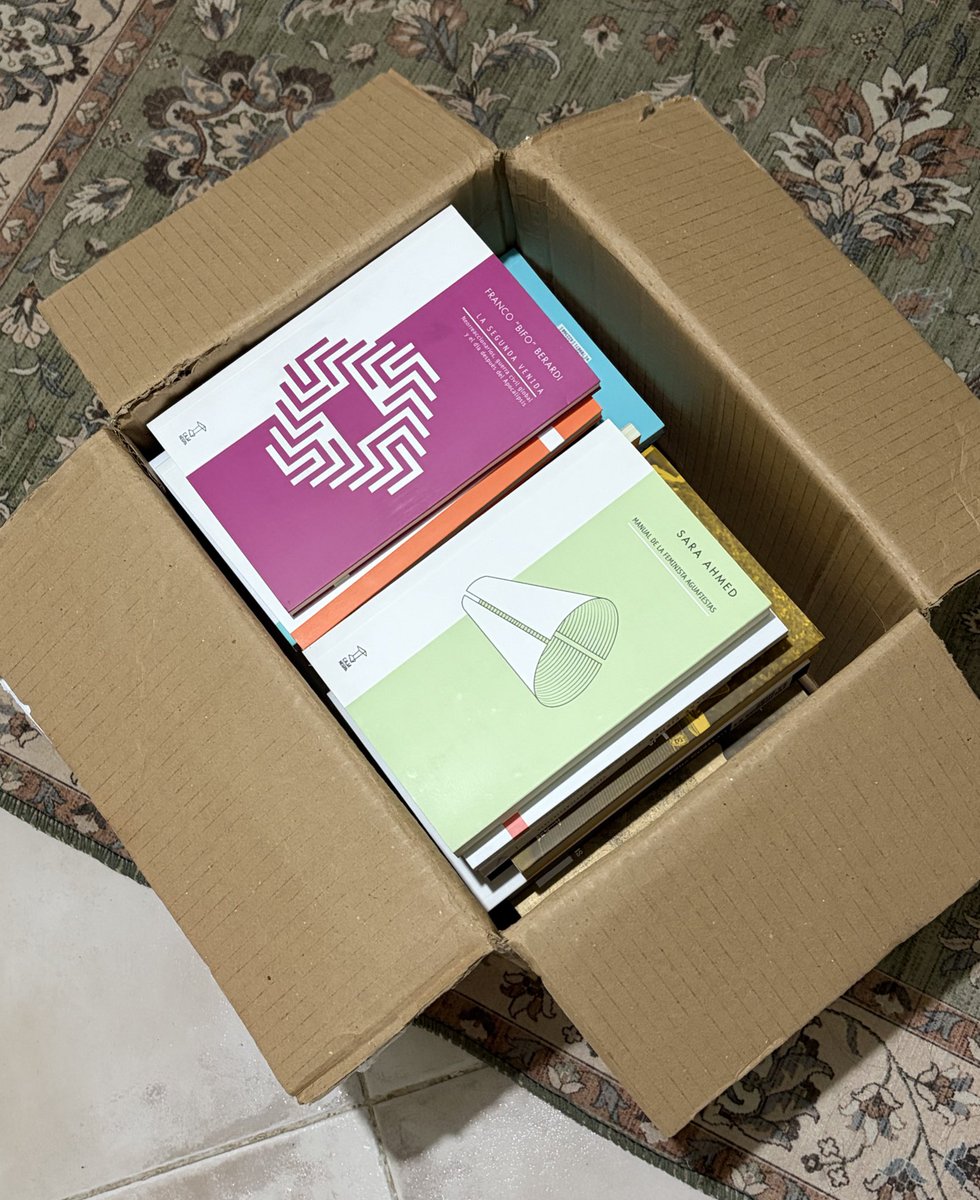
@ag6818S I’ve read Fedida and think he’s interesting but I’m not particularly moved by his work. I’m quite familiar with the Laplanchian turn in queer theory and the instructor for my course belongs to that theoretical current (although I think they don’t take their Laplanche far enough).
I need to read a bunch of papers by Judith Butler & Gayle Salamon this week as our class on the psychoanalysis of sexuality & gender starts to get more explicitly queer-theoretical (as well as more explicitly existentialist and phenomenological in its approach to the psychosoma).
@ePerezJandette Genial textito. Importante también la noción de que acoger al extranjero, el ser hospitalario, implica inmediatamente una pérdida de certeza sobre la propiedad de sí y de la vivienda. Es decir, la hospitalidad (y el amor radical) implican una pérdida de sí como tal
Amar no es apropiarse del otro, es hacerle lugar.
La hospitalidad, según Anne Dufourmantelle y Derrida, implica dejar entrar sin saber del todo a quién se recibe.
El amor, entonces, es un lugar que se abre y no se garantiza.
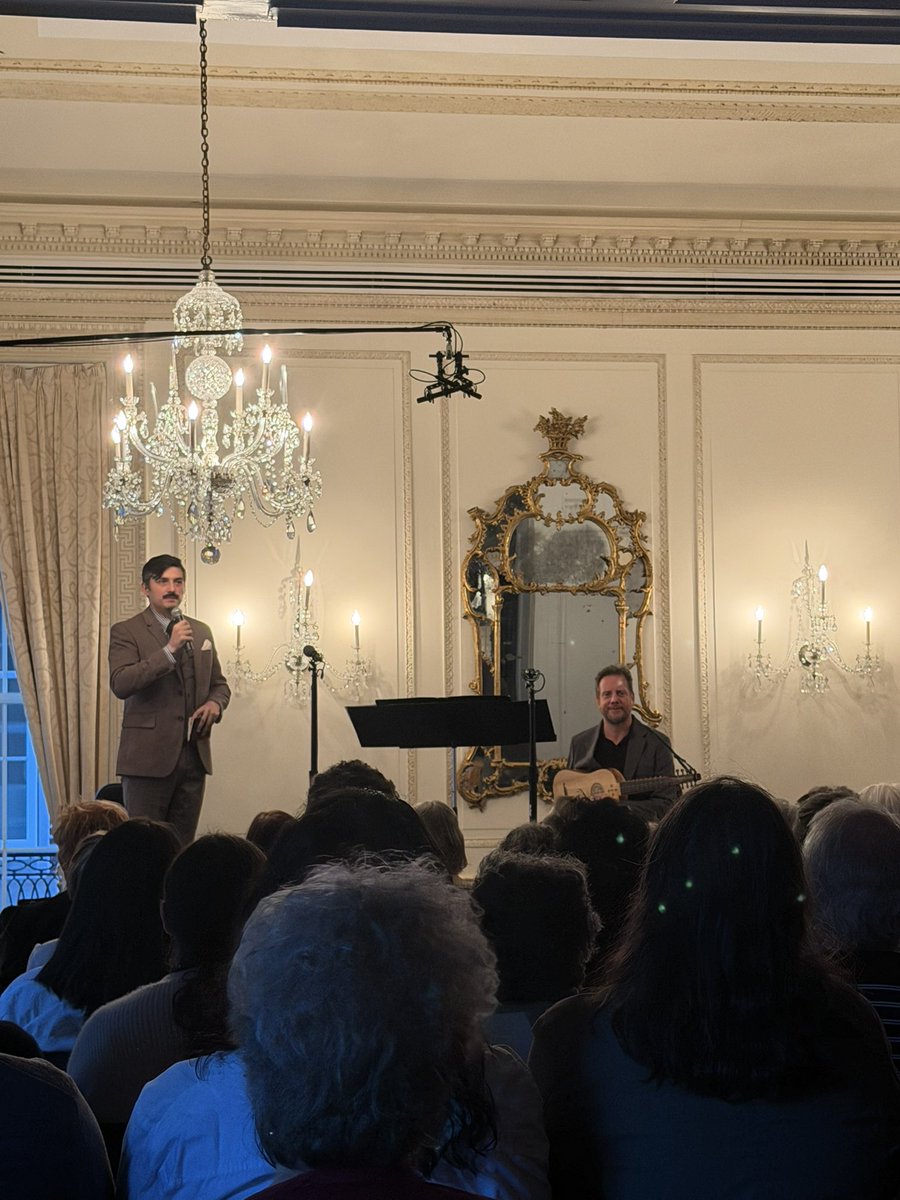
Unas cosas bárbaras las que se pueden hacer en NYC.
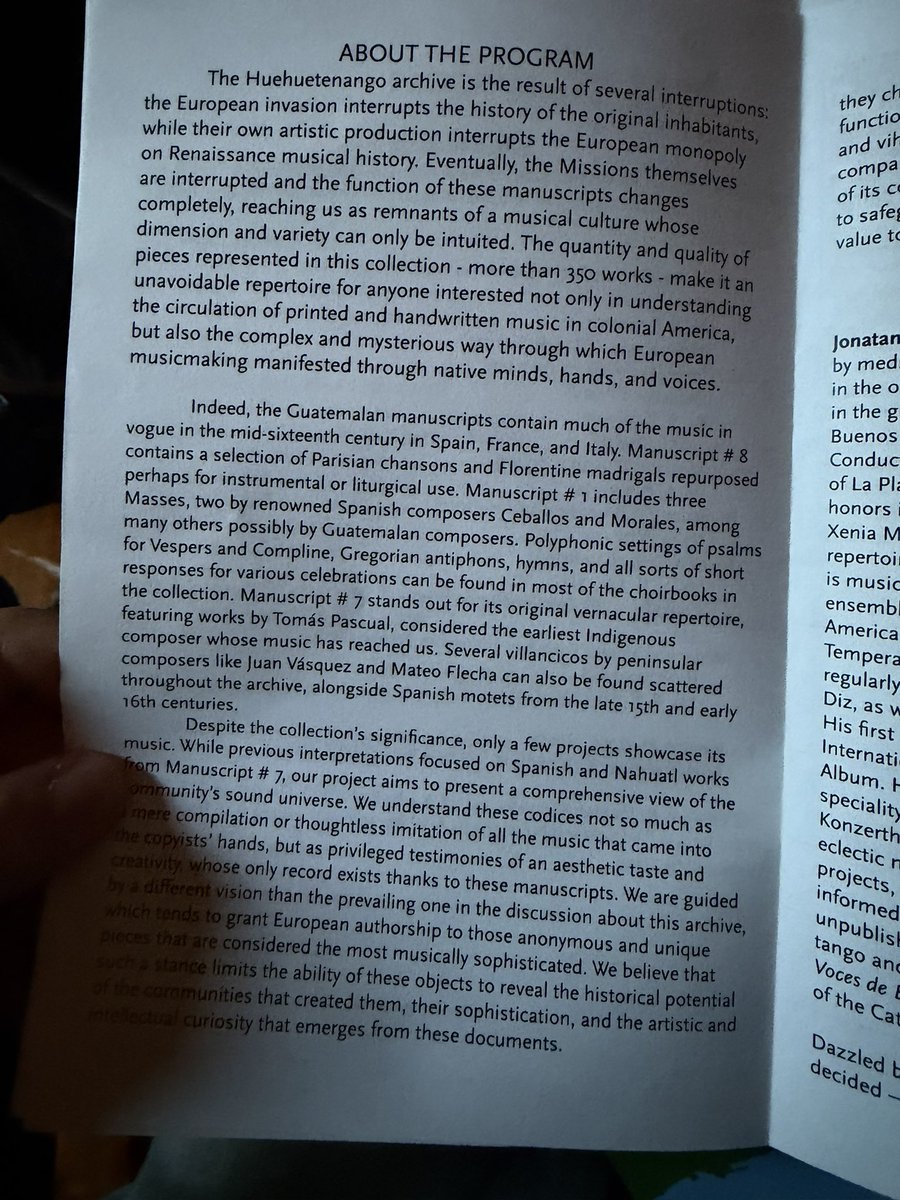
Ayer fui a un evento de música que recuperaron de unos archivos crípticos del siglo XVI de Huehuetenango. Tremenda voz la del vato.
@SamBaudinette Yes! Also the misconception that affect is unconscious, rather than a qualitatively conditioned reaction that the Ego has when bombarded by unconscious signifiers. The unconscious only admits quantity, not quality. Even anguish is not unconscious, it is the excess of repressed...
I worry one of the gross misapprehensions of the unconscious in American psychoanalysis (which is unfortunately hegemonic in self psychological & relationalist circles) is the theory that the unconscious is whatever in the subject is produced by affective & cognitive dissociation
@SamBaudinette I've only read the first one and it's pure class. It's also one of Jessica Benjamin's more obtuse texts imo. Like Subjects, Love Objects as a whole has a few of those more difficult Benjamin texts including this one, brilliant book!
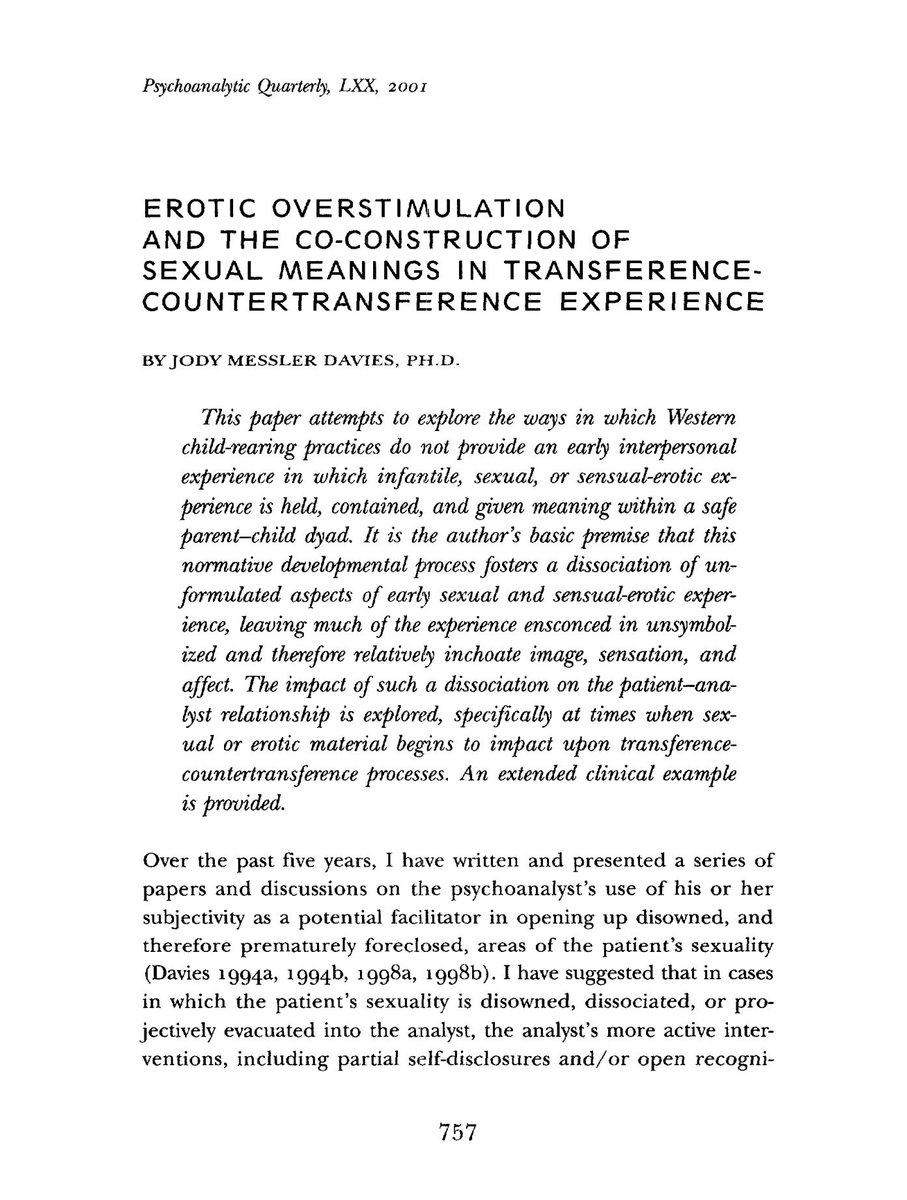
More reading for class. These four papers offer accounts of eroticism and power dynamics within the transference from an American relationalist perspective. They are all rather critical of a cultural attitude they describe as “Western” or “Judaeo-Christian.”