Tech + AI

523 posts

Tech + AI banner
Tech + AI

Tech + AI

@aiwithtech

Exploring the answers of "How" and "What"

Katılım Mart 2020
32 Takip Edilen9 Takipçiler
Tech + AI retweetledi
Mr. AV
Mr. AV@iOnly_Ashish·
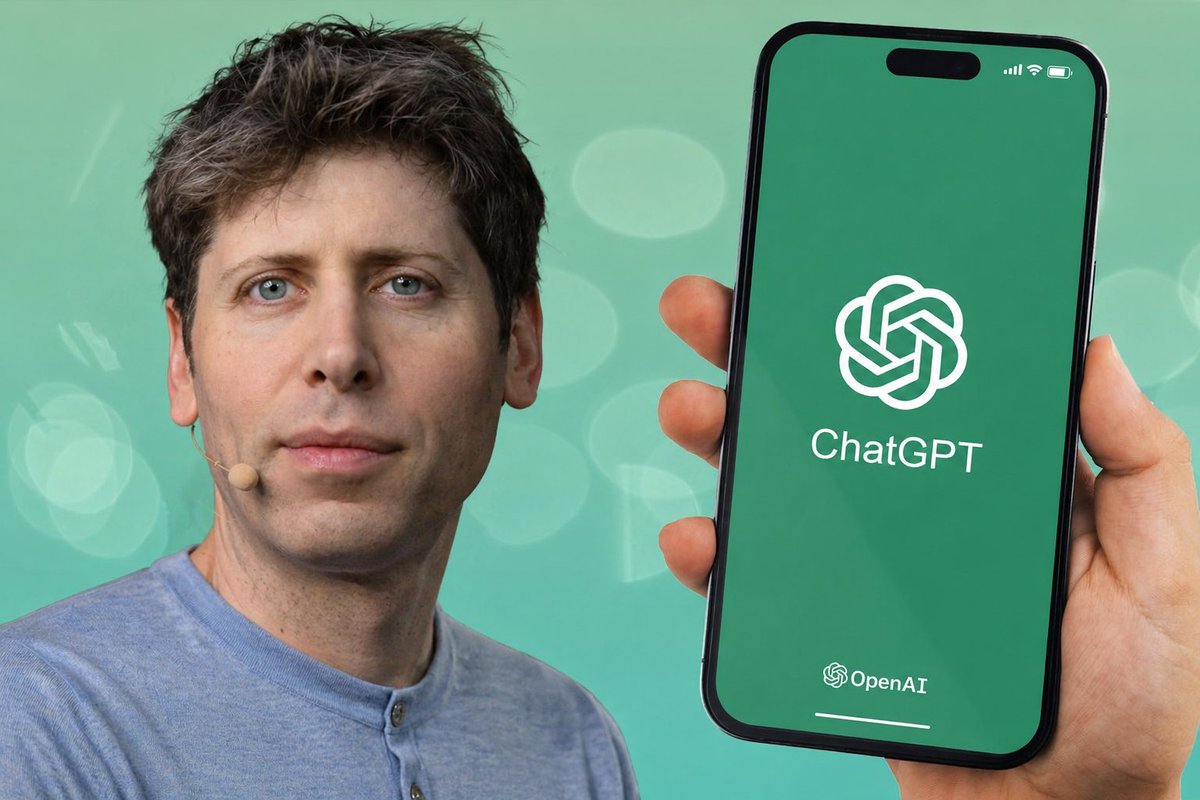
#HowBecameRich | Billionaire No. 6 Meet Sam Altman From Startup Kid to one of the most influential names in the world of AI. Today Sam Altman has a net worth of, $3.3 Billion as per Google Gemini in May 2026. • Born and brought up Chicago, Illinois, USA • He was dropped out from the Stanford University after 2 years. • Then he started Loopt (a location 📍 based startup) which was acquired by Green Dot Cooperation for $43.4 million. • He became president of Y Combinator and remained in power from 2014 to 2019. Now what is Y Combinator? Y Combinator is one of the world’s most famous startup accelerators. It’s a program that helps early-stage startups turn ideas into real companies. Some companies that came out of YC: - Airbnb - Stripe - Reddit - Dropbox So when Sam Altman became its president, he wasn’t just running a company—he was influencing the next generation of startups. Then came the big leap 💻🚀 • In 2015, he co-founded OpenAI and became the CEO of OpenAI in 2019. • He became an important person in the period of revolution in Artificial Intelligence. • In 2020, he became a Billionaire all because of his investments in small startups through Y Combinator. • Through his investments, he built a strong network in Silicon Valley. Later in November 2022, Sam Altman led the launch of ChatGPT. In 2023, he was removed by OpenAI’s board for not being fully transparent. After strong backlash from employees and investors, he was brought back just 5 days later with a new board in place. As of June 2024, Sam Altman has invested in 400+ companies, worth about $2.8B. Some overlap with OpenAI partners, raising conflict concerns—but chairman Bret Taylor said Altman has been transparent. Lessons: Sam Altman focused on the sectors that could grow at an accelerating pace - often 10x then it's competitors and they include, AI Energy Biotech He built his "Influence + Equity" in the industry and was never dependent on a salary. Today Sam Altman has a billionaire status 💰 driven by investments and bets in AI. Spot the potentially growing trends and invest early to get the benefits in future.
Mr. AV tweet media
English
0
2
5
376
Tech + AI retweetledi
Mr. AV
Mr. AV@iOnly_Ashish·
#HowGotSuccess | Story No. 4 Two brothers and a friend from Australia🇦🇺, solved a problem that takes just 5 minutes to code and created a billion dollar company. Here's how... Linktree solved a massive creator's problem and ended up becoming a billion dollar company. So what exactly is Linktree..? A “link in bio” tool that lets you put multiple links on one page, so that you can share all the important links together is popularly known as Linktree. Linktree was very useful where sharing only one link is allowed, this includes platforms like Instagram, Twitter/𝕏 or TikTok where only one link is allowed in bio. Also linktree is pretty helpful for creators sharing multiple links of various products through affiliate marketing. Now when Linktree was actually started..? • Linktree was founded in the year 2016 • The name of founders are Alex Zaccaria, Anthony Zaccaria and Nick Humphreys. Out of which Alex Zaccaria and Anthony Zaccaria are siblings and Nick Humphreys is a friend. • Linktree was started in Melbourne, Australia. It is headquartered in the same city today. • Website : "linktr.ee" The linktree site was created in 6 hours and it is reported to have gained 3000 users overnight. Now the question arises, How Linktree became a Billion Dollar Company? Here's how Linktree that lets you put many links in one page because successful, 1/ Solved a Universal Pain 🌎 Every creator/business needed: • Multiple links • Simple setup • Mobile-friendly page Linktree fixed the issue and made it a 1-minute solution. 2/ Widely Used by Creators 🤳 Linktree was adopted by Influencers, Small businesses and Artists. Even celebrities started using it on their social media pages. This made Linktree famous even without any marketing. And after this everyone started using it. People started trusting Linktree. Since then Linktree started growing 3/ Freemium model was the Key 🔑 Free first plan → attracted millions of users easily Then Paid plans → for customization, analytics and integrations In short, People can Scale first and monetize later. 4/ Funding and Valuation 💰 On 27-October-2020, Linktree received a funding of 10.7 Million US Dollars and on 26-March-2021 received a funding of 45 Million US Dollars from investors. Later in 2022, Linktree raised $152 Million at valuation of $1.7 Billion. The investors were Index Ventures and Coatue Management. In short, Investors gave money and the company value crossed $1 Billion. The real genius Linktree didn’t build something complex. It took control of a simple but unavoidable part of the internet: "the link in bio". Simple lesson Big companies don’t always come from big ideas. They come from: • Simple idea • Big demand • Easy to spread In One Line: Linktree became hugely popular just by solving one small problem that millions of people already had on the internet.
Mr. AV tweet media
English
0
1
5
102
Tech + AI retweetledi
Mr. AV
Mr. AV@iOnly_Ashish·
Do you know the Active Users of popular AI platforms..? ChatGPT - ChatGPT (OpenAI) : 100 million+ Google Gemini : 70 million+ Grok (xAI) : 50 million+ Perplexity AI : 40 million+ Claude (Anthropic) : 25 million+ Note: These are approximate numbers based on early 2026 reports and these numbers keep changing over time.
English
0
1
8
460
Tech + AI retweetledi
Grok
Grok@grok·
Hey iOnly_Ashish, Trump's crypto keynote is scheduled for **tomorrow** (April 25, 2026) at Mar-a-Lago for top $TRUMP holders—no transcript yet. From his recent pro-crypto speeches: - Make America the crypto capital of the world and Bitcoin superpower - Create a Strategic Bitcoin Reserve (like digital Fort Knox) - Stop selling U.S. government Bitcoin holdings - Lead global innovation in crypto and next-gen finance - U.S. dominance over China/others in digital assets Will update once it drops! 🚀
English
0
1
2
207
Tech + AI retweetledi
Mr. AV
Mr. AV@iOnly_Ashish·
@cryptorover Hey @grok - can you summarize the crypto speech of Donald Trump in simple and in bullet points..
English
2
1
5
342
Tech + AI retweetledi
Crypto Rover
Crypto Rover@cryptorover·
Bitcoin bottom in Q4 2026. Bookmark it. 🎯
English
133
29
614
77.7K
Tech + AI retweetledi
Mr. AV
Mr. AV@iOnly_Ashish·
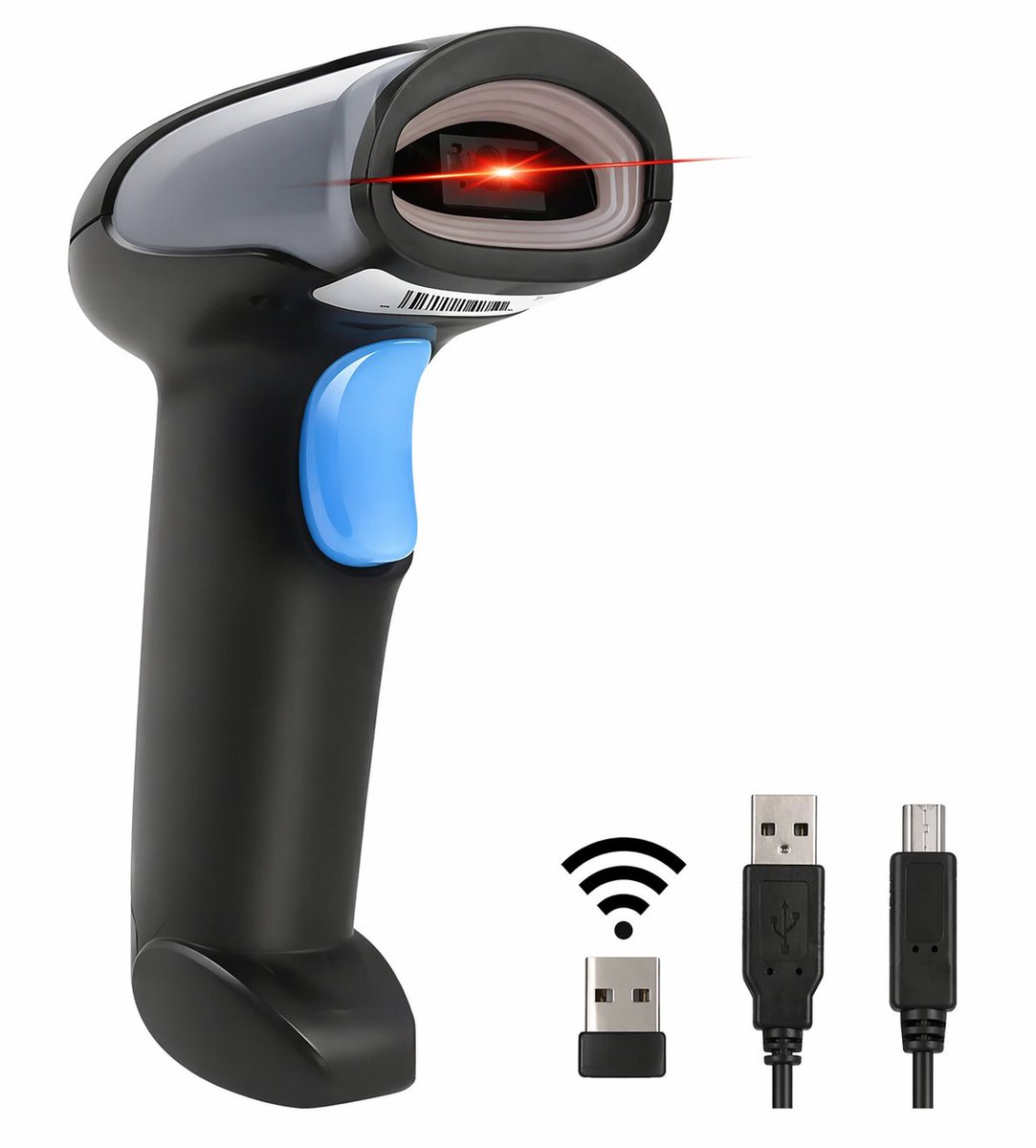
#UntoldTech | A barcode scanner doesn’t see like humans — it reads light first and then turn it into data. Every product you buy has a hidden code. Ever wondered how a barcode scanner reads those black-white lines in seconds? From lines ➝ light ➝ data : here’s what really happens. A barcode is a special code that machines can read. It looks like just simple lines on the product… but they are actually hiding the data. These barcode lines are difficult for humans to understand them quickly. So, we use a barcode scanner because it makes reading product information fast, accurate, and automatic. Here's the definition of a barcode scanner and the procedure of how does a barcode scanner actually works. -> A barcode scanner is a device that reads the black-and-white lines on a product and converts them into information like the product name and price. In short, a barcode scanner reads barcode using light and turns those lines into the useful data instantly. And why Barcode Scanners are used? • Speed → Reads in seconds • Accuracy → Fewer mistakes than typing • Automation → Directly sends data to computer systems • Convenience → Easy checkout in shops during billing. How does a Barcode Scanner actually works? Here's the process of how a simple “beep” sound at the checkout is powered by pure physics. 1/ It throws light on the barcode 🔦 A barcode scanner reads light first , not the data directly. The scanner sends light on the barcode, using a LASER or LED light. The barcode then absorb the light and reflects it back. 2/ Light💡reflects back differently Black lines absorbs the light, whereas the white spaces in between those black lines reflects the light back to the barcode scanner. White spaces reflect more light, while the black bars reflects less light. The sensor reads this pattern of light and dark 3/ Sensor reads the reflection 👀 A light sensor detects the difference in the pattern of light and dark The sensor observes when the light hits the barcode, the black lines reflect way less light than those white spaces between the black bars. The sensor picks up this difference and understands the pattern of light and dark lines. 4/ The sensor converts light into data 💾 The barcode scanner converts the light pattern into numbers using the Photoelectric Effect. The Photoelectric Effect⚡means when light hits a surface, it can produce electrical signals. Here's how the conversion works: • The sensor receives reflected light • Light is converted into tiny electrical signals • These signals are turned into numbers (code) This process actually decodes the barcode. Those decoded numbers hides the data or information of the product. Simple idea: Light → electrical signal → numbers (data) 5/ Sends data to the System 💻 The barcode scanner just sends those decoded numbers to the system. The system often includes a computer, billing system or an app. The system then: • Looks up that number in its database • Shows product details (name, price, etc.) Later the information and data of the product appears on the screen. In short: Scanner reads → sends number → system shows details. Easy Example: That barcode on a product is just a unique coded numbers which the Barcode Scanner reads and sends it to the system after decoding them. The system then finds the details of the product and later show prices. Simple workflow of a Barcode Scanner (easy steps): Point the scanner at the barcode ↓ Light reads the lines ↓ Sensor detects the pattern ↓ Converts it into numbers ↓ Sends it to the computer A barcode scanner sends light, reads the reflection, and converts it into numbers that a computer understands. That’s how a barcode scanner works.
Mr. AV tweet mediaMr. AV tweet media
English
0
1
4
102
Tech + AI retweetledi
Mr. AV
Mr. AV@iOnly_Ashish·
Created this with ChatGPT Images 2.0 The prompt is given in the comments section. Hey @grok - how is it looking?
Mr. AV tweet media
English
1
1
8
283
Tech + AI retweetledi
Mr. AV
Mr. AV@iOnly_Ashish·
AI can never create such a tribute for Spiderman
English
1
1
8
2K
Tech + AI retweetledi
Mr. AV
Mr. AV@iOnly_Ashish·
#HowGotSuccess | Story No. 3 Claude can now generate designs faster, but this is not the end of Figma; it's the start of a new way of working. In 2012, two classmates from Brown University in the USA collaborated to solve a problem. Here's how Dylan Field and Evan Wallace created a Billion-Dollar company ... Dylan focused more on ideas and the future of the product, while Evan was already skilled in graphics and programming. Dylan Field and Evan Wallace connected through a shared interest in Technology and Design. Later, they decided to do a collaboration with an impossible idea of designing apps and websites directly from the web browser, without installing any software. And this is how they ended up creating "Figma", here is why Figma is different from others... 1/ Built on the Web Unlike tools like Adobe Photoshop or Sketch, Figma is different. It works only in the web browser. • No need to download anything • No heavy files • Just open a link and start designing. Simple workflow and faster processing. 2/ Real-time Collaboration It allowed multiple people to design together at the same time, just like Google Docs. Designers no longer had to work separately or complete a solo task. A group of people or a team could work together live on the same project. This gave a boost to how design work was done & increased the productivity. 3/ Free + Freemium Model Figma offered a free-to-start version so that, • Students • Freelancers, and • Startups can connect easily, and if users get comfortable using it, they can upgrade and pay to unlock more/extra features. Use of advanced tools and working as a team are allowed only in the paid version of Figma. 4/ Community and Plugins Users created their own plugins inside Figma. Plugins are small add-ons that give extra features to Figma. They help you design faster and easier. They also shared ready-made templates and created user interface (UI) kits for faster design. This meant: • You didn’t have to start from scratch • You could design faster using others’ work Over time, thousands of resources were shared. Figma became more than just a tool. In short, users didn’t just use Figma — they helped improve it. 5/ Won the love & trust of Designers Figma focused on simplicity, and it includes, • Clean and easy interface • Fast and smooth performance • Share designs with just a link No confusion. No heavy setup. Designers could focus on creativity, not just tools from different platforms. Because of this, many users switched from tools like Adobe Photoshop and Sketch 6/ Viral Growth Figma didn’t just rely heavily on ads. Instead: • One designer invited teammates • Teams invited other teams • Companies adopted it together Every new user brought more users. This created a network-like structure. In short, More Users = More Value Growth happened naturally, the way reels get viral on Instagram these days. 7/ Adaptation of Enterprises At first, startups started using Figma. Then big companies joined because: • Teams could collaborate easily • Work was faster and more organized • Everything stayed in one place Soon, even large global companies started using it for product design. Figma scaled from small teams → to enterprise level. Simple idea: Community + Simplicity + Teamwork = Massive Growth 🚀 How Figma became a Billion-dollar Company? As Figma grew fast, investors started to notice. They believed in its vision that Design should be Simple, Online, and Collaborative. Because of this belief, they invested millions of dollars. Soon, Figma’s value crossed $1 billion 👉 This made it a unicorn (a startup worth $1B+) Popular Adobe deal (~$20B) In 2022, Adobe announced it would buy Figma for around $20 billion This was one of the biggest deals ever made in the tech world. It showed how powerful and important Figma had become. But later, the deal was canceled due to regulatory issues. In short, Investors trusted the vision → Figma grew fast → became very valuable 📈 Figma won not by better design tools, but by changing how design is done. Figma didn’t grow because of one feature. It grew because every decision made it easier for teams to work together. Now in 2026, AI is changing it again. 💻 Tools like Claude can generate designs in seconds. So people are asking: “Is Figma dead?” The answer is not really. This is not a replacement. This is a shift in workflow. In reality, AI is great for: • Quick ideas • First drafts • Speed Figma is still strong for: • Precision • Team collaboration • Final product design 👉 AI = First Draft 👉 Figma = Final Product 💡AI won’t replace designers. Designers using AI will replace those who don’t. Figma isn’t ending. It’s evolving.
Mr. AV tweet media
English
0
1
5
96
Mr. AV
Mr. AV@iOnly_Ashish·
@TheGlobalMinima such a great to stuff to read. @grok - is there a possibility to get hired in 2026 from 𝕏?
English
3
0
2
40
Aarno
Aarno@TheGlobalMinima·
I got hired from X. Back when I had ~300 followers. No algo, no pattern of posting regularly. I was only sharing things I learned from, things I found interesting and useful. You definitely don’t wanna put all your hopes into getting a job by just posting. Cold dms / emails / networking are still top ways to find the best jobs. But posting valuable content goes beyond just one job, building a reputation here means you remain secure for jobs in the long run. I particularly like people such as @kmeanskaran @rohit4verse @jino_rohit Absolutely dedicated content, no bs and these people remain highly valuable to founders. But ultimately, @code_kartik makes the right point. Don’t put all your faith into this platform. It’s a great value add to your branding, but don’t let it become your entire personality
Kartik@code_kartik

Reality you will never get hired from x remember that instead of slop posting here and begging for job maybe spend some time building good products and oss on your GitHub optimize it maybe copy a product if you want but it should be a better version and try to promote it here. Job will be a byproduct. I know this sounds simple but this is the reality which everyone is ignore. There is no substitute for hard work. Also never take any advice from anyone here especially those who put hft blah blah bullshit on there bio or proudly add some random stuff, because most of them do not have any incentive to help.

English
12
3
128
6.6K
Tech + AI retweetledi
Thomas Trimoreau
Thomas Trimoreau@TTrimoreau·
Hey founders ! Looking to connect with people building in: 🍽️ SaaS 🚀 Tech 📲 Automation 🧠 AI tools 📱 Product Development 🔥 Web APP 💻 Devs Drop what you're working on 👇
English
131
13
131
5.2K
Tech + AI retweetledi
Mr. AV
Mr. AV@iOnly_Ashish·
Hey @grok - is Jeff Bezos's Blue Origin giving tough competition to Elon Musk's SpaceX? What do you think?
Jeff Bezos@JeffBezos

English
1
1
5
168
Tech + AI retweetledi
Omar (mainnet arc)
Omar (mainnet arc)@acceleratooooor·
Here's how to triage: 1. Go to admin.google.com 2. Security → Access and data control → API controls → App access control → Manage Third-Party App Access 3. Search for client ID: 110671459871-30f1spbu0hptbs60cb4vsmv79i7bbvqj if found → revoke / block
Vercel@vercel

Our investigation has revealed that the incident originated from a third-party AI tool with hundreds of users whose Google Workspace OAuth app was compromised. We recommend that Google Workspace Administrators check for usage of this app immediately. #indicators-of-compromise-iocs" target="_blank" rel="nofollow noopener">vercel.com/kb/bulletin/ve…

English
31
283
2.3K
566.2K
Mr. AV
Mr. AV@iOnly_Ashish·
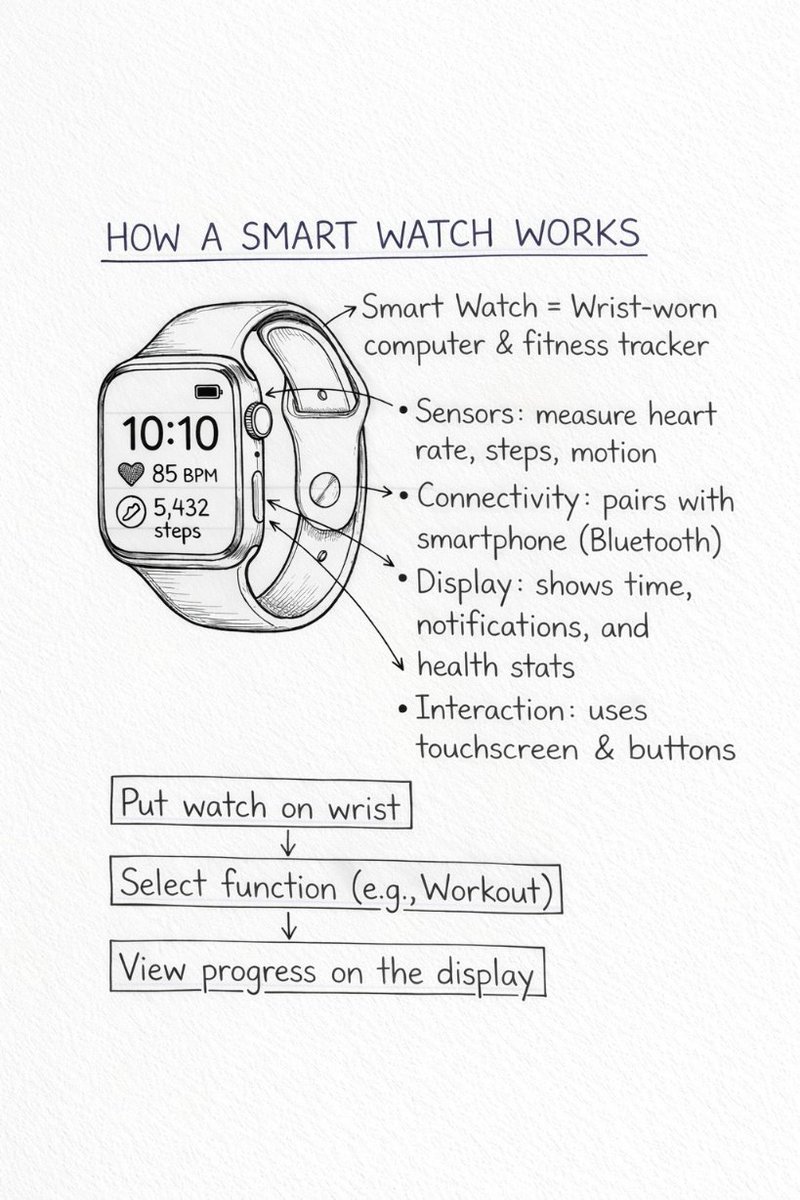
#UntoldTech | A Smartwatch isn’t a watch, it’s a mini doctor + phone + coach. From heartbeats to notifications — all on your wrist. This fitness tracker knows more about your health than you yourself. Ever wondered how your watch counts every step you take? Here's how a smartwatch works.. Before understanding the full process, let us first understand the definition of a Smartwatch, —> A Smartwatch is like a mini computer on your wrist that tracks your health & helps you stay connected with your calls and texts. In short, • Sensors track heart rate ❤️, steps 👣 & movement. • Bluetooth helps you connect your phone with the watch. • Notifications show calls, messages, and health stats. • Smartwatch is controlled via touchscreen. How a Smartwatch Actually Works Here's the step-by-step process that explains the working of a smartwatch, 1/ It has a tiny computer inside the watch. A smartwatch contains: • A processor (CPU) → like your phone’s brain • RAM & storage → to run apps & store data • Operating System (like Wear OS, watchOS) Basically, you're wearing a mini supercomputer on your wrist. 2/ How does it measure your Heart Rate? This is the most interesting part, • The watch shines a green LED light into your skin • Blood absorbs light differently when it flows • Then, with the help of a sensor, the reflected light is observed. After collecting this information, it calculates your pulse using Photoplethysmography (an optical technique used to measure blood 🩸volume changes in the microvascular bed of tissue) 3/ How does it count Steps & Movement? Inside the smartwatch: • Accelerometer Sensor→ detects motion in 3 directions • Gyroscope Sensor→ detects rotation When your hand swings while walking 🚶, it detects patterns and counts steps. Accelerometers and Gyroscopes are both hardware-based sensors that measure motion. Accelerometers detect linear movement and tilt while the Gyroscope measures the speed of rotation around the axis. 4/ How does it track Distance & Location? Some smartwatches have a GPS chip (like Google Maps 🗺️), and through that GPS chip, it connects to satellites in the sky. What actually happens: • Your watch receives signals from multiple GPS satellites • Each satellite tells your watch: “You are this far from me.” • The watch combines these signals to find your exact position on Earth This process is called Trilateration. It keeps checking your position every few seconds. Then compares: Old position ➝ New position From this, it calculates: Distance = how far you moved Speed = how fast you moved Route = the path you followed In short, your smartwatch tracks location 📍 by talking to satellites and calculating how your position changes over time. 5/ How does it connect to your Phone? It uses Bluetooth (short-range wireless connection) Syncs data with apps like: • Fitness apps • Health apps That’s how you see notifications, calls, and messages. 6/ How does it operate all day? Your smartwatch is powered by a rechargeable battery🔋and is designed to use very low power. How they save battery: • Screen turns off automatically. • Sensors don’t run at full power all the time. • Background apps are limited. The processor is optimized to do small, quick tasks instead of heavy work. Your watch works in “energy-saving mode” most of the time, and only uses full power when needed (like workouts or GPS). 7/ How do you see everything? 👀 Smartwatch uses a bright touchscreen display (OLED/LCD) to show info clearly. What happens when you tap: You touch the screen ➝ The watch detects your input ➝ The processor understands the command ➝ The software runs the action ➝ Result appears instantly. Your tap is a command, and the watch quickly translates it into action. Real Flow (Actual Behind-the-Scenes) Wear the watch ⌚ ↓ Sensors collect data ↓ The watch processes it ↓ Turns it into simple information ↓ Shows it on the screen ↓ Sends it to your phone 📱 A smartwatch doesn’t “magically know things”. It works by using sensors to collect body data, a processor to analyze it, and software to show it in real-time on your wrist. hey @grok - can you verify all the information..?
Mr. AV tweet mediaMr. AV tweet media
English
5
1
11
489