Aga Khan Development Network

6.6K posts

Aga Khan Development Network banner
Aga Khan Development Network

Aga Khan Development Network

@akdn

The Aga Khan Development Network is a group of development agencies dedicated to improving living conditions and opportunities in the areas where it operates.

Over 25 countries Katılım Ekim 2008
59 Takip Edilen41.6K Takipçiler
Aga Khan Development Network
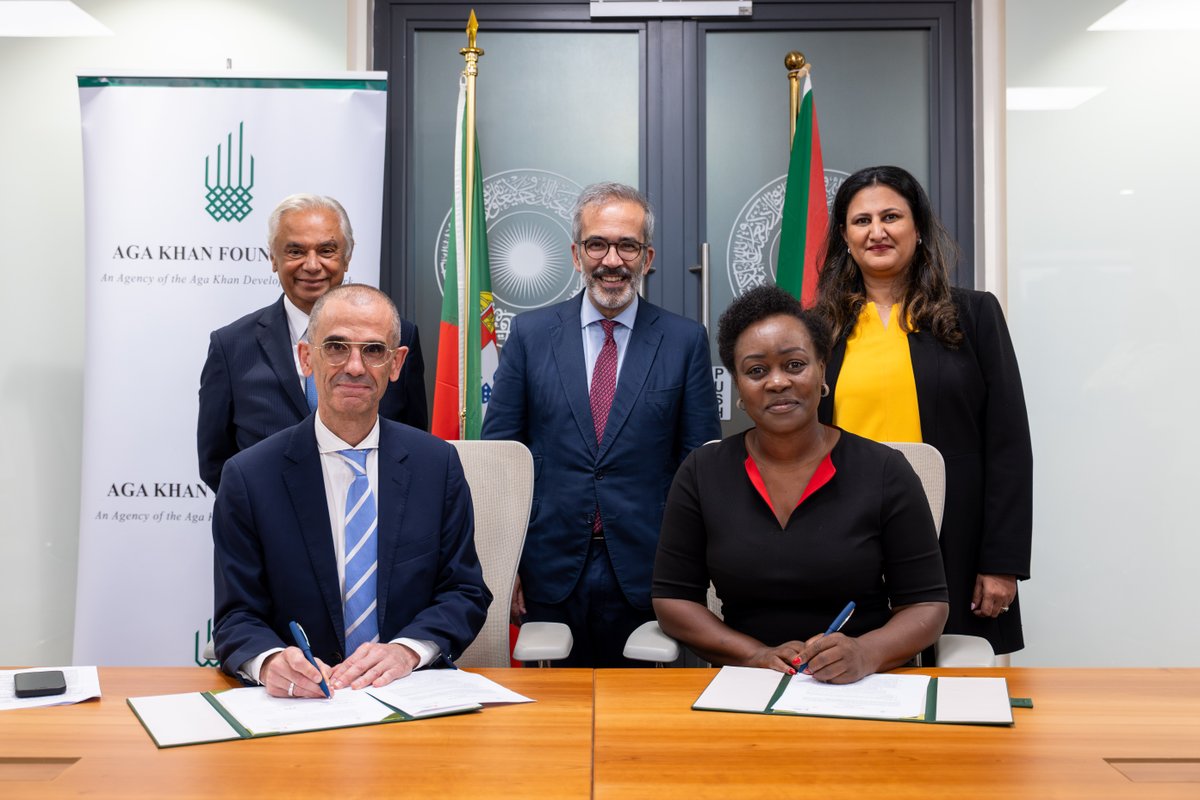
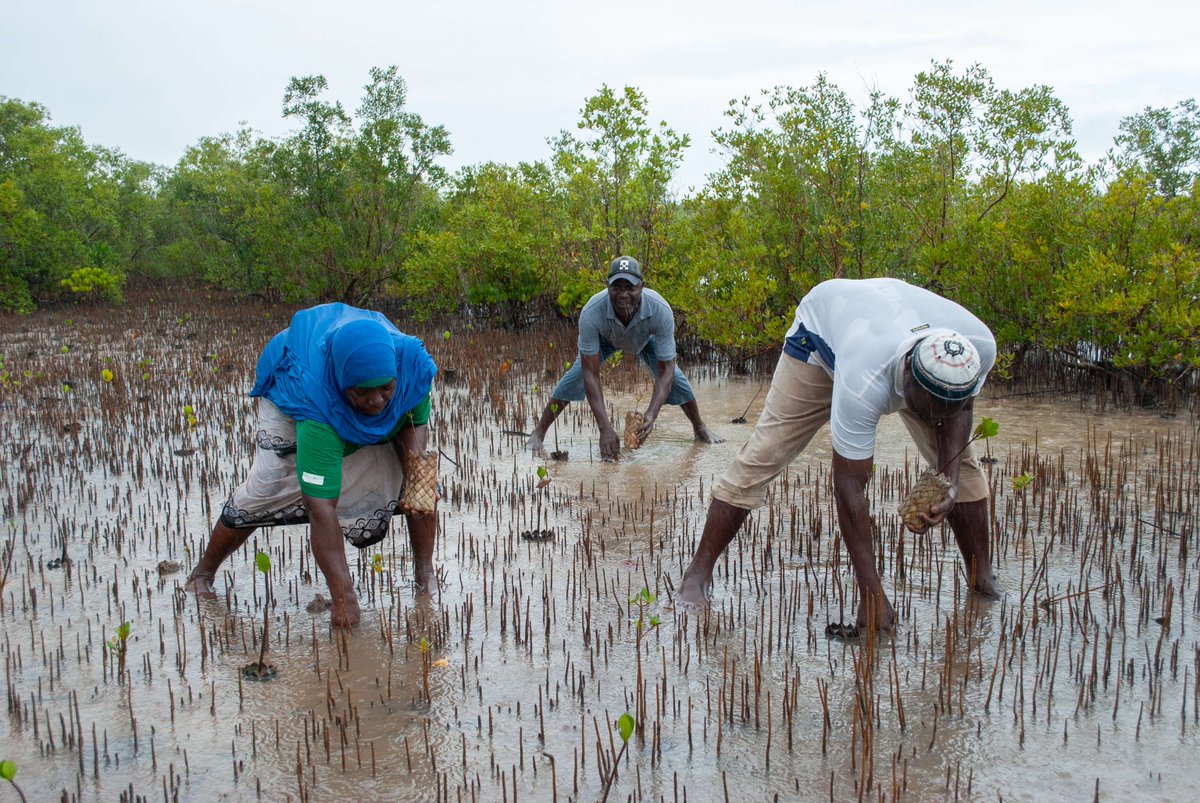
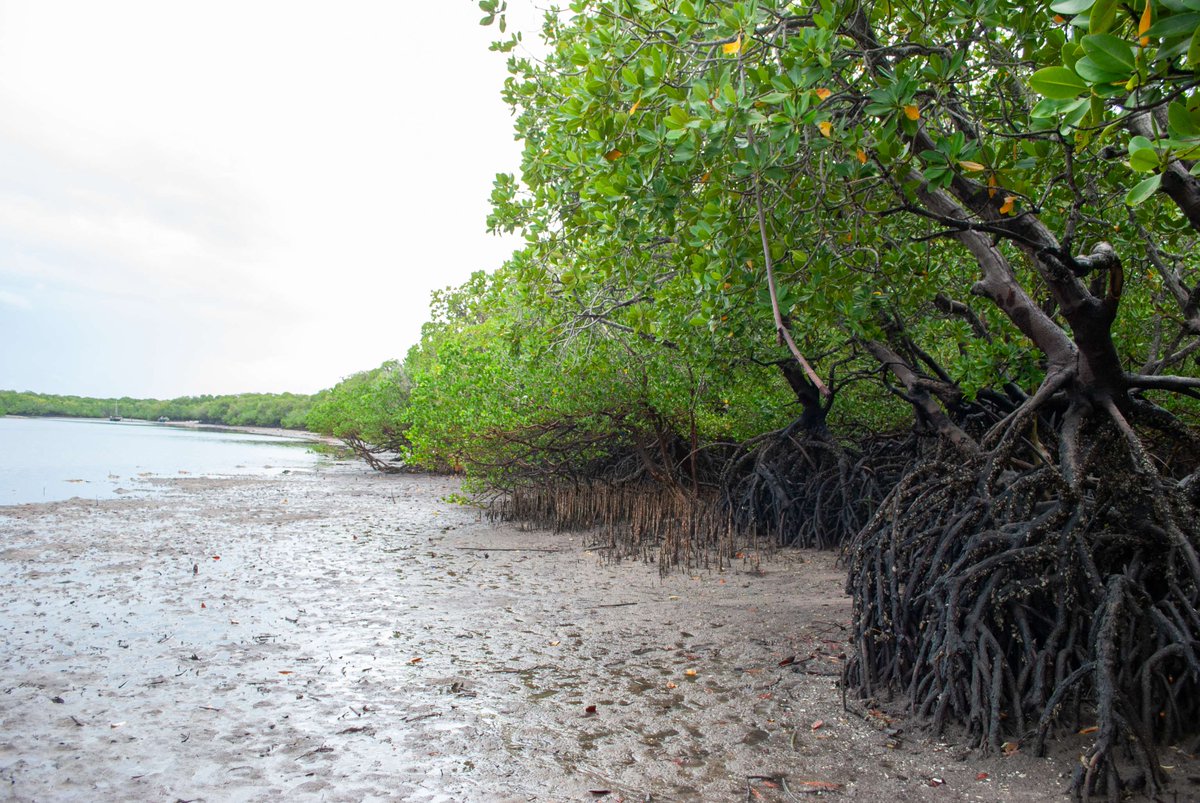
The Aga Khan Foundation (AKF) has signed a new partnership agreement with Portugal's Camões Institute to help restore mangrove forests and support coastal communities in Kenya. The partnership will support the Gazi Bay Coastal Restoration and Eco-Tourism Initiative (G-CORE) in Kwale County, part of AKF’s wider Indian Ocean ReGeneration Initiative. Through G-CORE, the partnership will help plant around 65,000 mangrove seedlings across six hectares, contributing to AKF’s wider work with the Kenya Forest Service to restore 226 hectares of mangrove forest in Gazi Bay. The initiative will also train community members in conservation, improve eco-tourism infrastructure such as the Gazi Boardwalk, and strengthen local enterprises, with a particular focus on women and youth. Through this community-led approach, AKF Kenya and its partners are combining ecological restoration with economic opportunity. @AKF_Global #Kenya #ClimateResilience #MangroveRestoration #CoastalCommunities
Aga Khan Development Network tweet media
English
1
7
38
874
Aga Khan Development Network
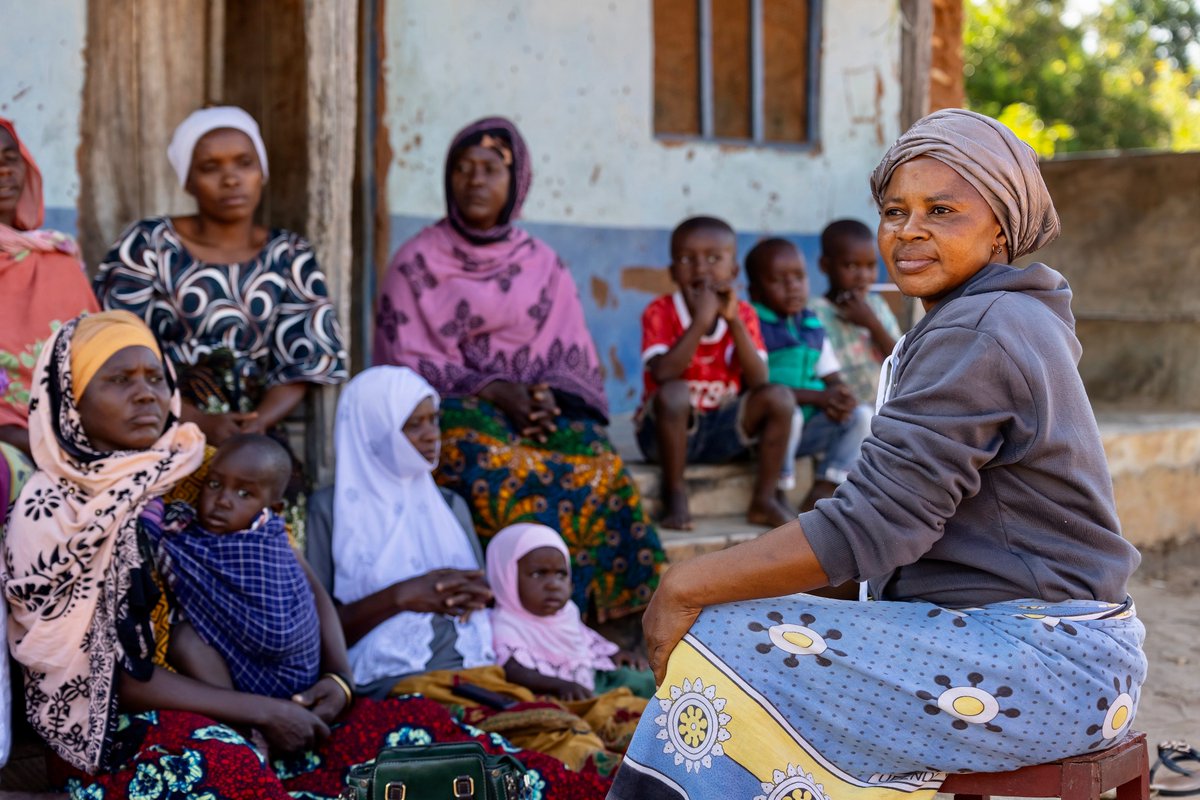
In Cabo Delgado, northern Mozambique, communities are facing growing needs as conflict, displacement and climate shocks continue – while aid cuts reduce the support available to local organisations trying to respond. As Abdul Tavares, who works for a democracy and rights-focused organisation, says, “I feel like our feet are being cut off.” Yet local people are still finding ways to respond. In Pemba, ASMOG collects plastic waste, much of it from beaches. In 25 de Junho village, farmers gave land through the Village Development Organisation to families displaced by conflict. Since 2000, the Aga Khan Foundation has helped more than 100 communities across Cabo Delgado, Nampula and Niassa establish their own Village Development Organisations. @AKF_Global 🔗 Read the full story here: the.akdn/en/resources-m…
English
1
3
19
712
Aga Khan Development Network
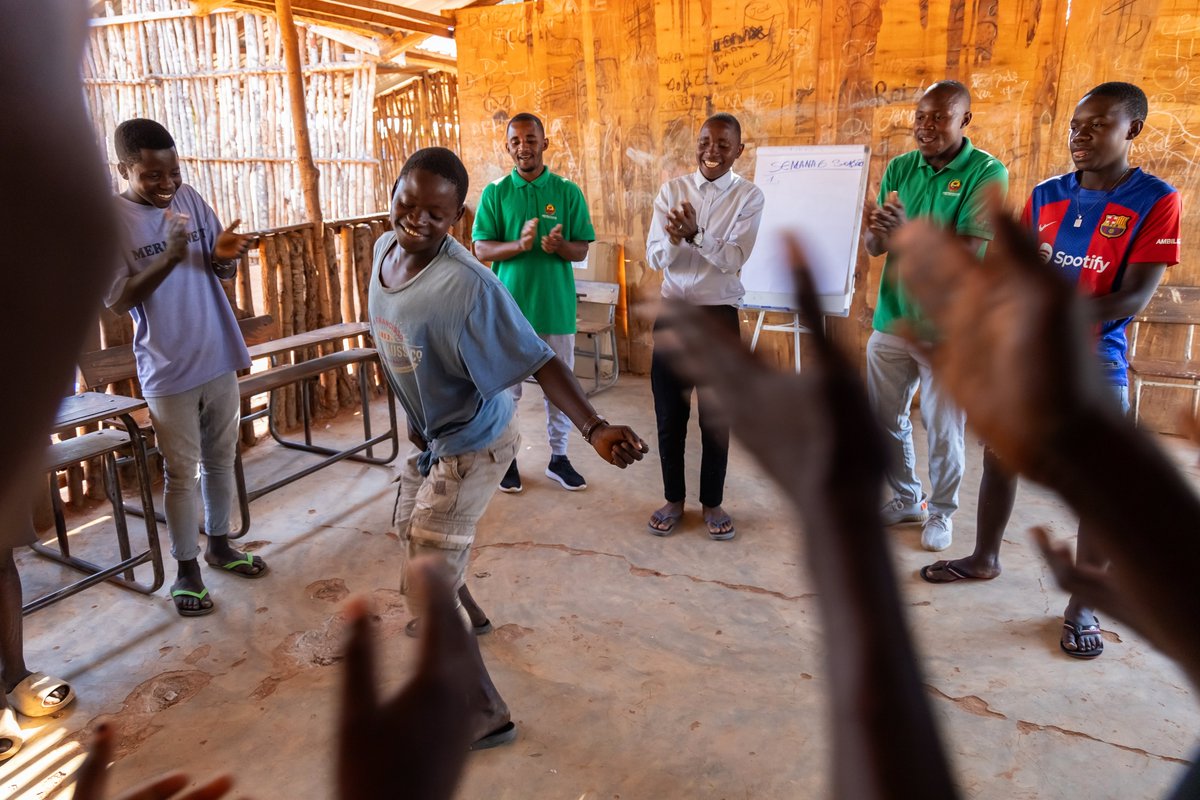
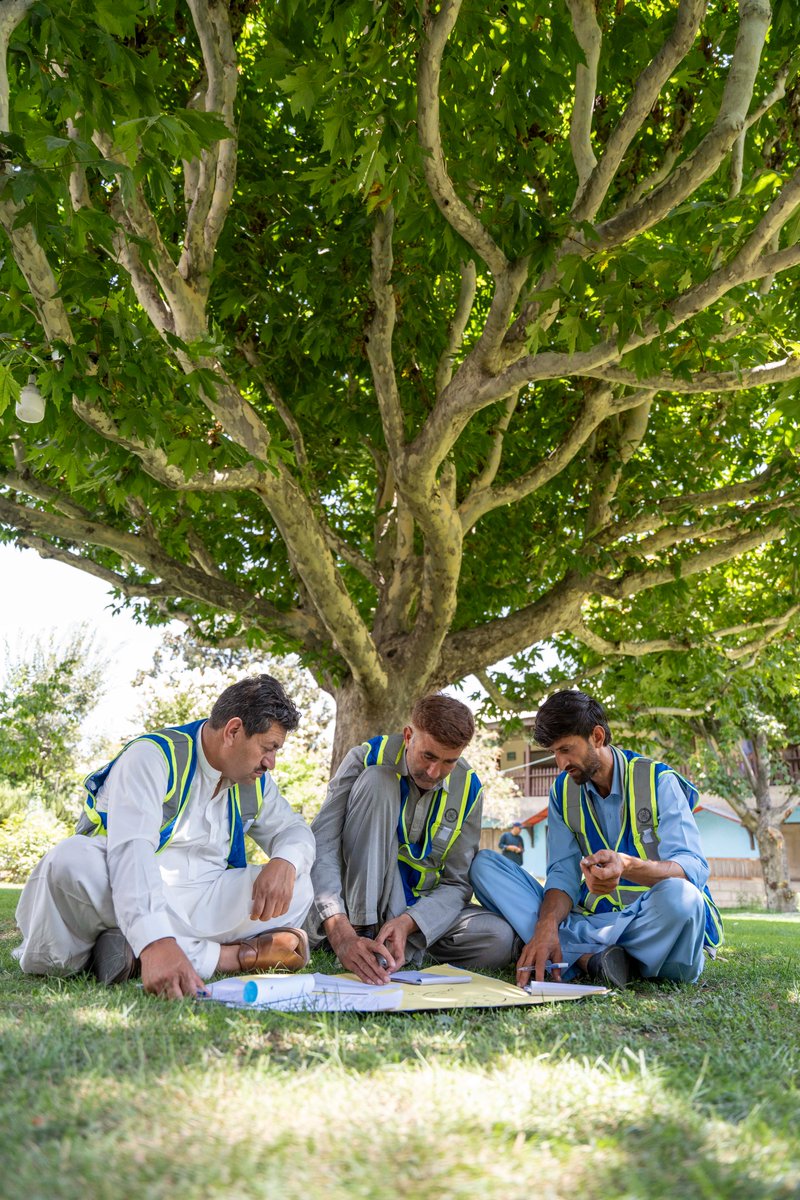
When dramatic cuts to bilateral development aid were first announced in early 2025, Gunjan Veda of the Movement for Community-led Development said her WhatsApp “was just blowing up” with messages from members asking if it was true, what it meant for family members reliant on antiretrovirals, and what would happen to village health centres. The most heartbreaking calls, Veda says, came from the people running these initiatives locally. The community did not know why the work had stopped. They saw a health centre close, medicines still inside but no longer being distributed, and they were angry with the people who had run it. The dissolution of trust between community members and the doctors, nurses, and teachers who oversaw donor-funded initiatives reflects a broader, critical issue: that entire countries’ health systems are dependent on the increasingly fragile architecture of international aid. “So frequently, traditional ways of doing development have robbed communities of their agency.” – Matthew Reeves Community-led development places collective decision-making, implementation, resource management, financial oversight, and adaptation with communities themselves. In Jadoua’h, Syria, a village committee, with an initial small grant from AKF, mobilised 450 families to contribute volunteer time, cash and in-kind resources towards building a community hall. In 2024 alone, communities working with AKF raised $12.4 million locally through contributions of time, funds and materials. The development sector must acknowledge that communities in the majority world have always been – and must be recognised as – the primary drivers in their own development. @AKF_Global 👉 Read the full story here:the.akdn/en/resources-m… #CommunityLedDevelopment #CivilSociety #Localisation #Development
Aga Khan Development Network tweet mediaAga Khan Development Network tweet mediaAga Khan Development Network tweet mediaAga Khan Development Network tweet media
English
0
11
37
1.8K
Aga Khan Development Network
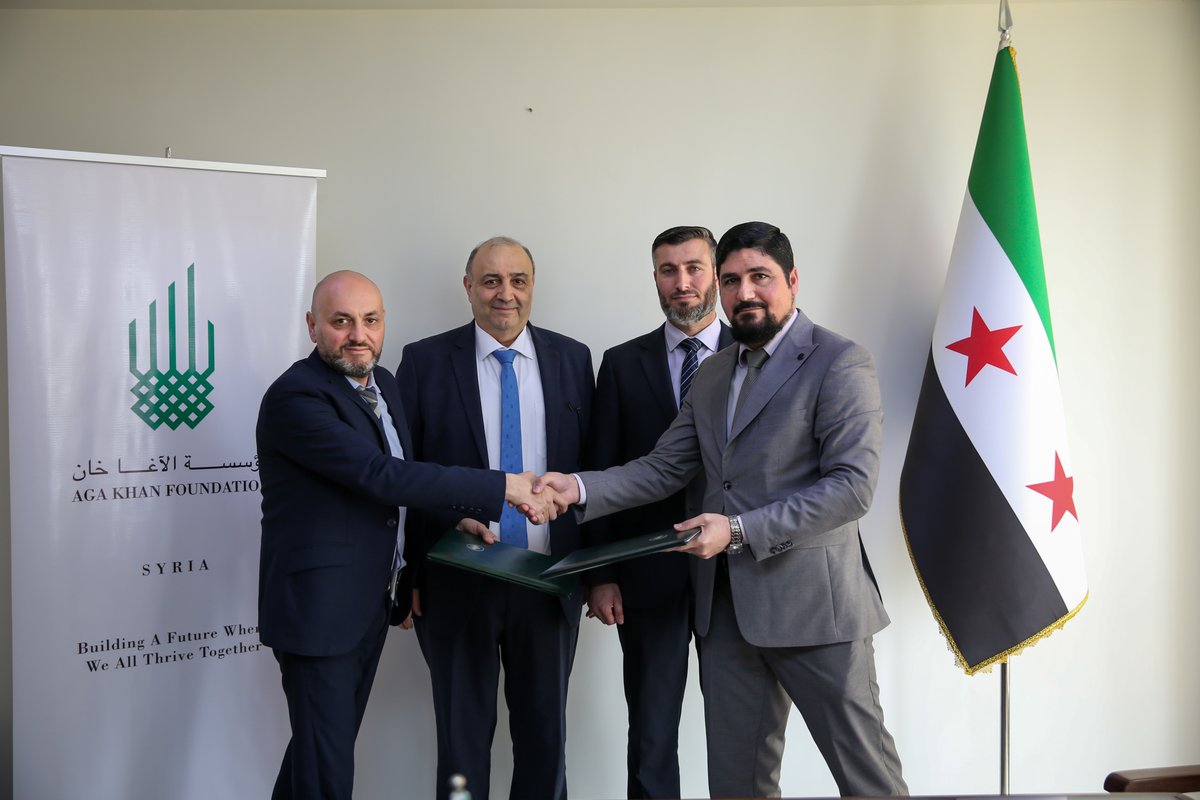
The Aga Khan Development Network (AKDN) has signed a Memorandum of Understanding (MoU) with Syria’s Ministry of Energy to strengthen cooperation on water and sanitation. Across several regions of Syria, with a focus on Salamieh and surrounding communities in Hama, the partnership will help rehabilitate and modernise water infrastructure – including transmission lines, pumping stations and storage tanks – while integrating renewable energy to ensure more reliable, sustainable services. Since early 2025, the Aga Khan Foundation (AKF) Syria has collaborated with government agencies on several vital water projects. These initiatives have already expanded safe water access for hundreds of thousands of people, reducing reliance on unsafe sources and easing pressure on household budgets. As part of a broader commitment, the Ismaili Imamat and AKDN have pledged €100 million over two years for Syria’s development, supporting education, child development and community resilience. #Syria #WaterSecurity #Hama #Salamieh #Partnership #CommunityResilience
Aga Khan Development Network tweet media
English
0
7
51
1.2K
Aga Khan Development Network
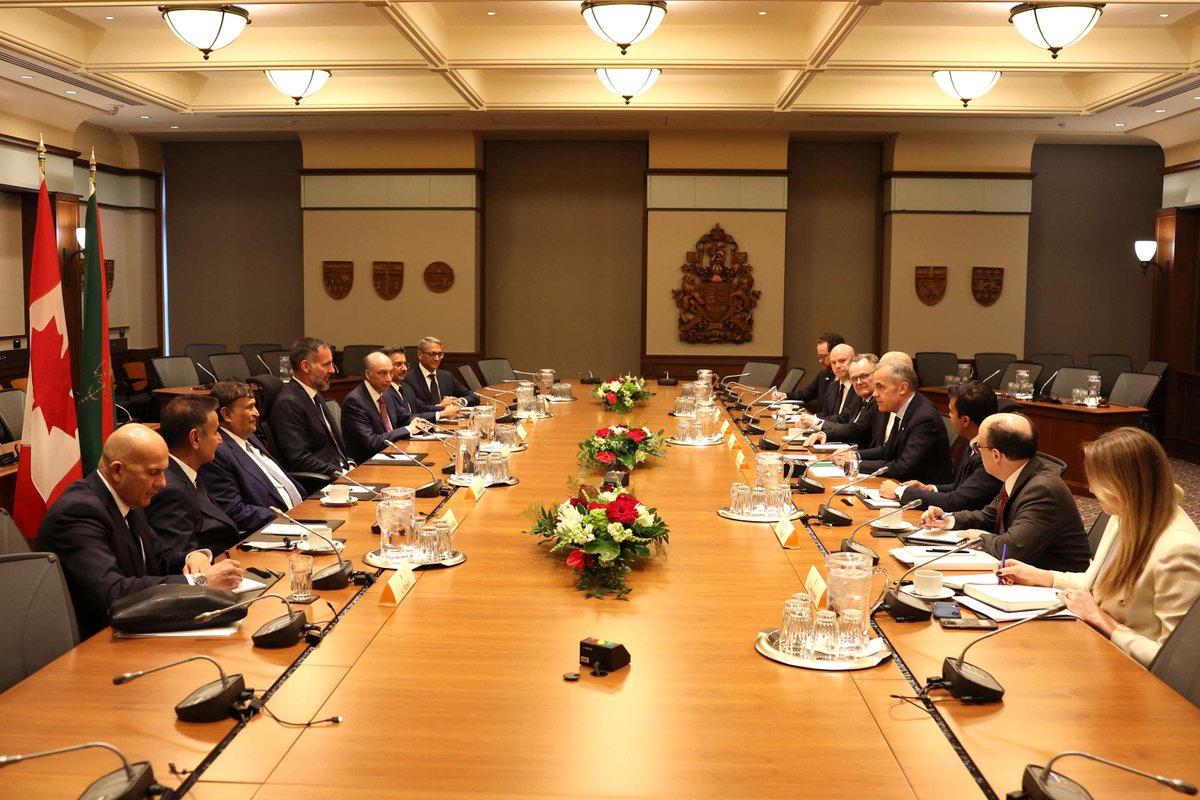
From 25–31 March 2026, His Highness the Aga Khan made an official visit to Canada at the invitation of Prime Minister Mark Carney. Over the course of the week, His Highness met with Prime Minister Carney and Governor General Mary Simon, and addressed senators and members of Parliament at the Delegation of the Ismaili Imamat. In Montreal, he met with the Lieutenant Governor of Quebec and Claude Guay, Parliamentary Secretary to the Minister of Energy and Natural Resources. In Toronto, he met with the Lieutenant Governor of Ontario, the Honourable Evan Solomon, Parliamentary Secretary Taleeb Noormohamed, Rob Oliphant, and Senator Farah Mohamed. His Highness also marked two milestones in the community's commitment to building social infrastructure for Canadians. In Laval, he broke ground on the new Laval Jamatkhana alongside the Honourable François-Philippe Champagne, Minister of Finance, and Stéphane Boyer, Mayor of Laval. In Toronto, he inaugurated Generations Toronto with the Honourable Shafqat Ali, President of the Treasury Board, Premier Doug Ford, and Mayor Olivia Chow. This short film revisits key moments from the visit.
English
3
22
106
3.3K
Aga Khan Development Network
The number of countries with poor health coverage fell from 55 in 2000 to eight in 2023. Yet for patients like Joseph and Fatima, that progress has meant moving from no care to poor care. This World Health Day, watch the short video to learn about their experience. Then read the article on how Dr Gijs Walraven, AKDN's Director for Health, suggests we close the gap between coverage on paper and care in practice. 🔗 the.akdn/en/resources-m… #WorldHealthDay #QualityOfCare #HealthEquity #Pakistan #Africa
English
0
13
45
1.3K
Aga Khan Development Network
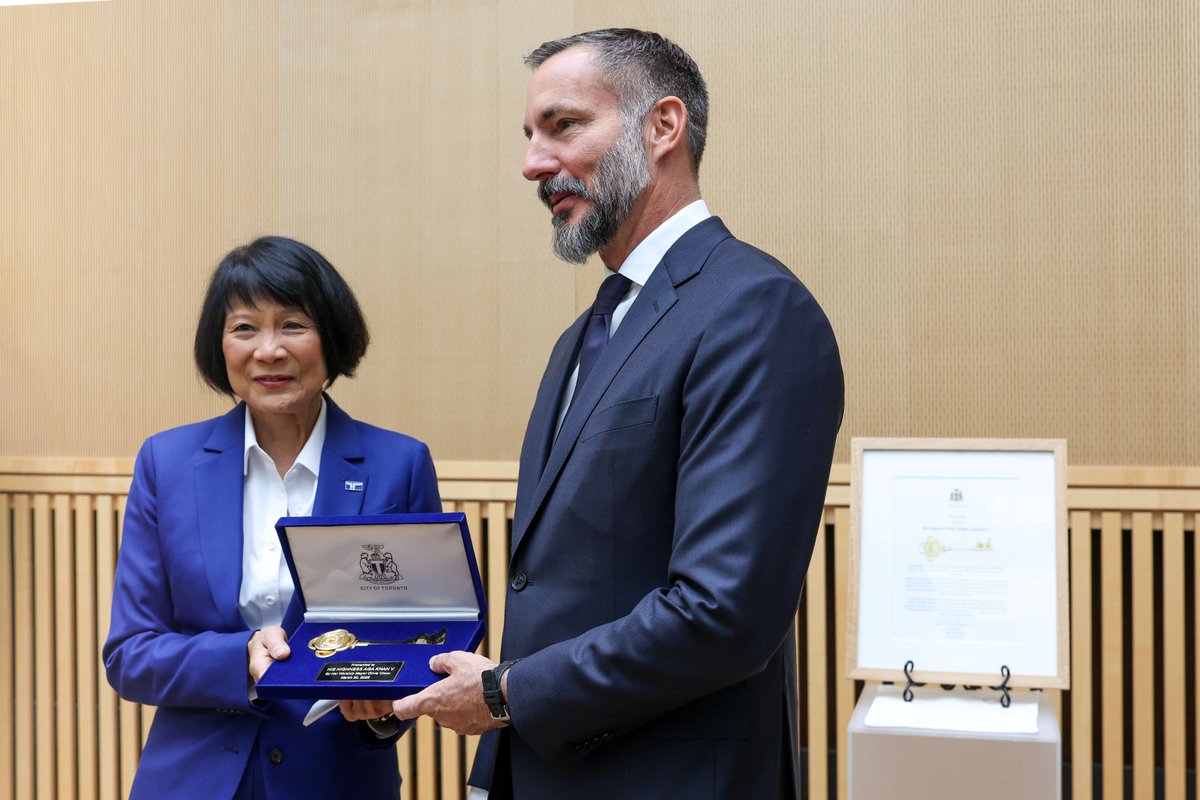
His Highness the Aga Khan has concluded his first official visit to Canada, marking a new chapter in a partnership between Canada, the Ismaili Imamat and the Aga Khan Development Network (AKDN) that spans more than 50 years and reflects a shared commitment to pluralism, inclusion and human development. The visit began in Ottawa, where His Highness and Prime Minister Carney released a joint declaration outlining new partnerships in affordable housing, economic development, principled diplomacy and other areas of mutual interest. In Quebec, His Highness presided over the groundbreaking of a new Jamatkhana in Laval, alongside Canada’s Minister of Finance and Mayor of Laval. The ceremony marked an important moment for the Ismaili community in the Greater Montreal area, while also reflecting the broader partnership between Canada and the Imamat. In Ontario, His Highness inaugurated Generations Toronto, an affordable housing and long-term care facility designed to support community-centred aging within an intergenerational framework. Developed in partnership with the Government of Ontario, the project is guided by values of human dignity and compassion, addressing the health consequences of social isolation for seniors while providing affordable housing. During the inauguration, Mayor Olivia Chow presented His Highness with the Key to the City of Toronto. The honour recognised his vision and commitment to improving quality of life in Canada and around the world, through institutions and initiatives spanning health care, education, culture, habitat and financial inclusion. His Highness’s visit celebrated Canadian projects that reflect shared values and foster inclusive communities, while reaffirming the enduring partnership between Canada, the Imamat and AKDN to improve quality of life globally and in Canada. Photo: AKDN / Akbar Hakim
Aga Khan Development Network tweet media
English
5
20
122
2.1K
Aga Khan Development Network
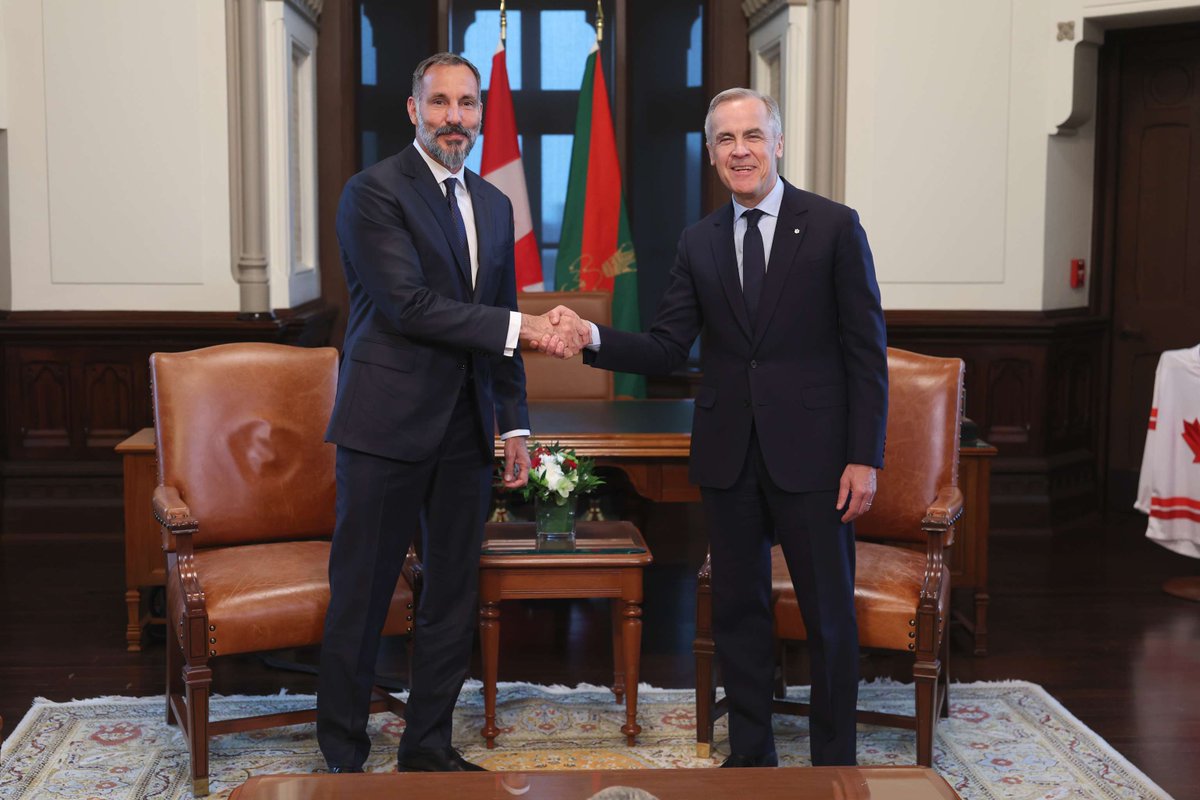
Yesterday, His Highness the Aga Khan began his first official visit to Canada, marking a milestone in a relationship between the Imamat and Canada that spans more than five decades. His Highness met with Prime Minister Mark Carney and was hosted at dinner by Governor General Mary Simon and His Excellency Whit Fraser. His Highness also met today with Senators and Members of Parliament at the Delegation of the Ismaili Imamat. Prime Minister Carney and His Highness released a joint declaration outlining new partnerships in housing, economic development and other areas of mutual interest, setting the stage for renewed collaboration. During substantive discussions with Prime Minister Carney, three priority areas were advanced. First, affordable housing. Prime Minister Carney welcomed investments by the Ismaili Imamat in multi-generational not-for-profit housing projects across Canada. Through Build Canada Homes, the Government of Canada will also forge a long-term partnership with the Ismaili Imamat to develop low- and middle-income housing projects. Second, development collaboration. The leaders announced the creation of an Economic Partnership Platform to strengthen development financing. FinDev Canada and the Aga Khan Fund for Economic Development will pool public and private capital to invest in infrastructure, renewable energy and agriculture across Africa and Asia. Prime Minister Carney and His Highness also committed to ongoing joint development programming in economic opportunity, health, education and pluralism, including in critical regions such as Syria. Opportunities were identified in skills development, energy, and leveraging Canadian innovations and technology in sectors such as agriculture and climate. Third, principled global diplomacy. Recognising the urgent need for quiet, principled diplomacy to save lives, end conflict, and preserve human dignity, the Imamat and Canada renewed their commitment to work together towards these goals. His Highness underscored the importance of new forms of partnership and reaffirmed the readiness of the Imamat, AKDN, and the Canadian Ismaili community and its institutions to serve as reliable partners. Photos: AKDN / Akbar Hakim
Aga Khan Development Network tweet mediaAga Khan Development Network tweet mediaAga Khan Development Network tweet media
English
5
28
148
4.9K
Aga Khan Development Network retweetledi
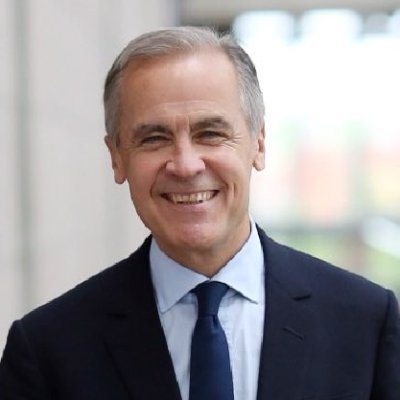
Mark Carney
Mark Carney@MarkJCarney·
Canada is home to more than 120,000 Ismailis — a community that helps shape our country for the better every day.    I met with His Highness the Aga Khan in Ottawa to talk about how we can work together on our shared priorities here in Canada and around the world.
English
1.2K
337
2.2K
219.3K
Aga Khan Development Network
As rain falls in Cabo Delgado, Mozambique, Muanema Timam plants mangrove seedlings to help protect her village from future storms. In December 2024, cyclone Chido destroyed her home. Across this coastal province – one of Mozambique’s poorest and most vulnerable – communities are facing stronger storms, heavier rainfall and repeated flooding, on top of displacement and the effects of conflict. When Chido struck Mecufi district, around 14,000 homes were destroyed. In a region already under pressure, each cyclone can force families to start over again. The government and its partners are racing to help communities adapt. Early warning systems now use radio alerts, colour-coded flags and community volunteers to help people prepare before disaster hits. Along the coast, community-led mangrove restoration supported by the Aga Khan Foundation is helping protect villages from strong winds, while also storing carbon and supporting livelihoods such as fishing and beekeeping. Stronger shelters, safer health centres and more resilient infrastructure are making a difference. But as climate risks grow and resources are stretched, much more is needed. For communities living with recurring climate shocks, resilience starts long before the storm arrives. Originally published by The Telegraph (UK), by Harry Johnstone. 🔗 Read more: the.akdn/en/resources-m…
Aga Khan Development Network tweet mediaAga Khan Development Network tweet mediaAga Khan Development Network tweet mediaAga Khan Development Network tweet media
English
0
5
27
670
Aga Khan Development Network
With international cooperation in freefall, the question of what makes partnerships last has rarely felt more urgent. For Canada, one answer points in a clear direction: that the "variable geometry" Prime Minister Mark Carney championed at Davos earlier this year – different coalitions for different challenges, built on common values and interests – is key to navigating today’s fragmenting world. Over four decades, this approach has taken shape through Canada’s longstanding cooperation with the Ismaili Imamat, the Aga Khan Development Network and Aga Khan Foundation Canada. Beginning with a 1981 collaboration to establish the Aga Khan University School of Nursing and Midwifery in Pakistan, the partnership has supported more than 200 initiatives across Africa and Asia. This work has helped strengthen health and education systems, advance gender equality and women’s empowerment, and support community leadership and innovation. It also includes contributing to the construction of a new facility at Bamyan Hospital in Afghanistan, as well as support for the Madrasa Early Childhood Programme in East Africa. Today, the partnership spans 15 countries, has reached over five million people – more than half of them women and girls – and represents over CAD $1 billion in combined investments. The relationship has also found expression on Canadian soil – in the Aga Khan Museum and Park in Toronto, the Aga Khan Garden at the University of Alberta and the Global Centre for Pluralism in Ottawa. Canadians themselves are active partners through initiatives such as the World Partnership Walk and the International Youth Fellowship. In a fragmented world, this partnership shows that the most resilient alliances are those where shared values and sustained action remain aligned, from the policy table all the way to the communities they exist to serve. @AKFCanada @AKF_Global 🔗 Read more: the.akdn/en/resources-m… #Partnerships #Canada #Pluralism #GenderEquality #Education #HealthSystems
Aga Khan Development Network tweet mediaAga Khan Development Network tweet mediaAga Khan Development Network tweet mediaAga Khan Development Network tweet media
English
0
11
48
1.5K
Aga Khan Development Network
✨ In an era marked by division and fear, pluralism offers hope. Pluralism is a practical, proven framework for unity, resilience and prosperity. It is the belief that our differences, rather than dividing us, can be the very source of our collective strength. Watch this short video, where Meredith Preston McGhie, Secretary General of the Global Centre for Pluralism, explains why pluralism is more important than ever. 👉 Read the full article here: the.akdn/en/resources-m…
English
1
12
46
3.4K
Aga Khan Development Network
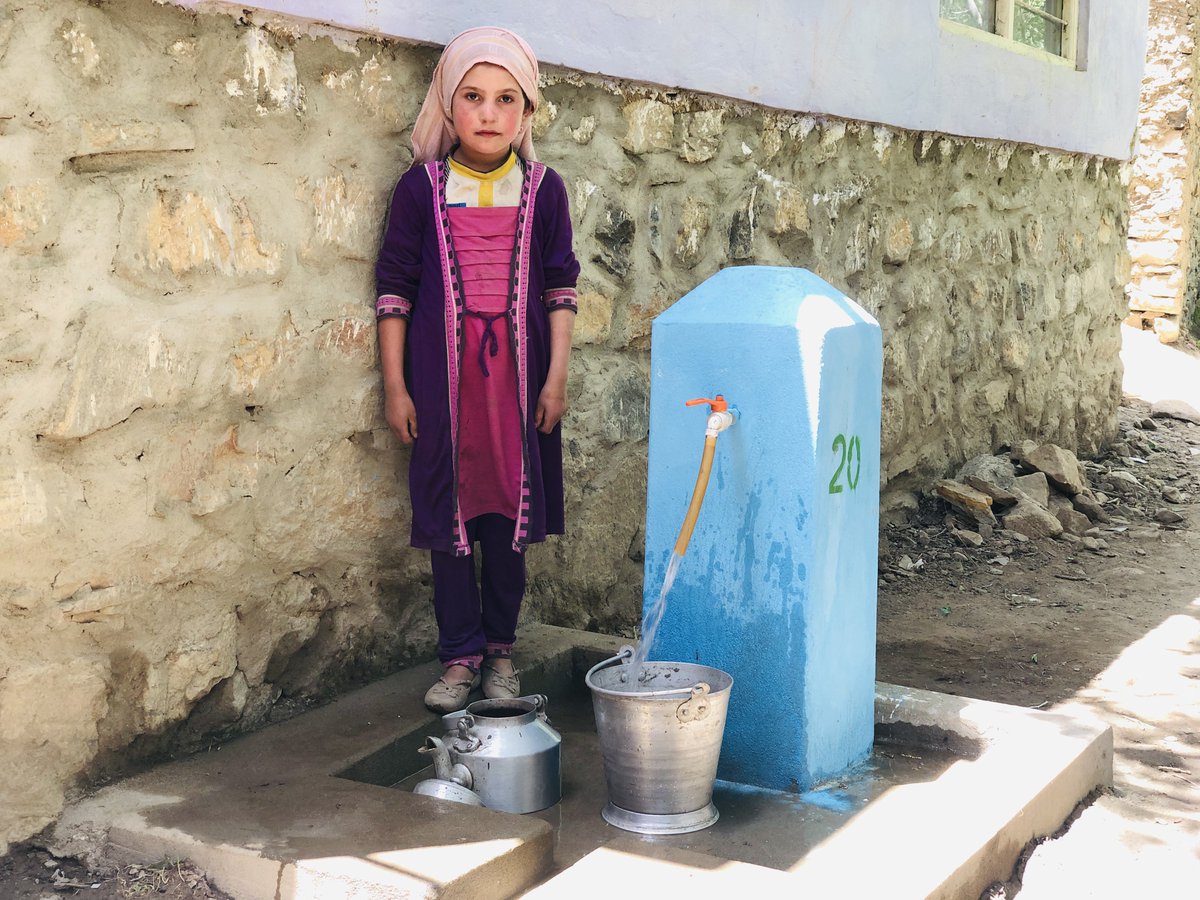
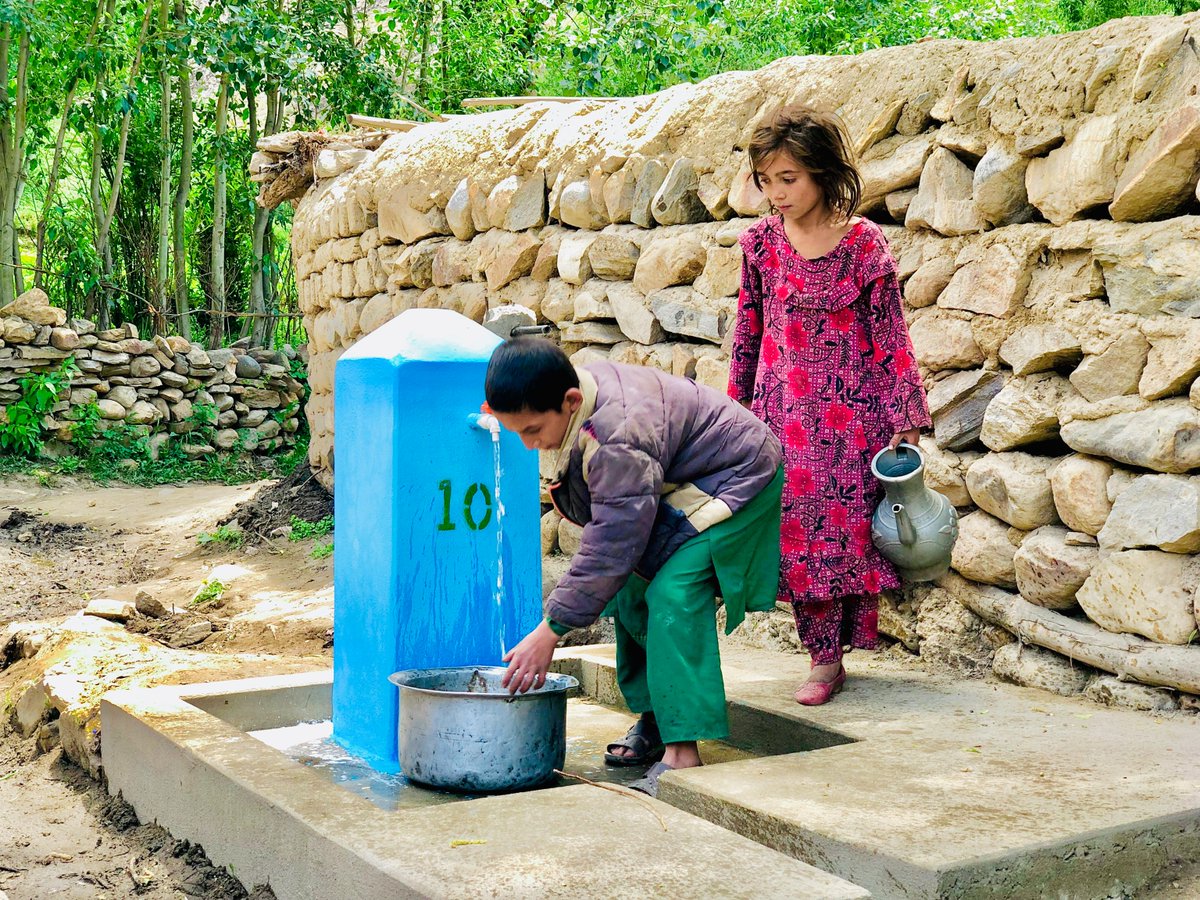
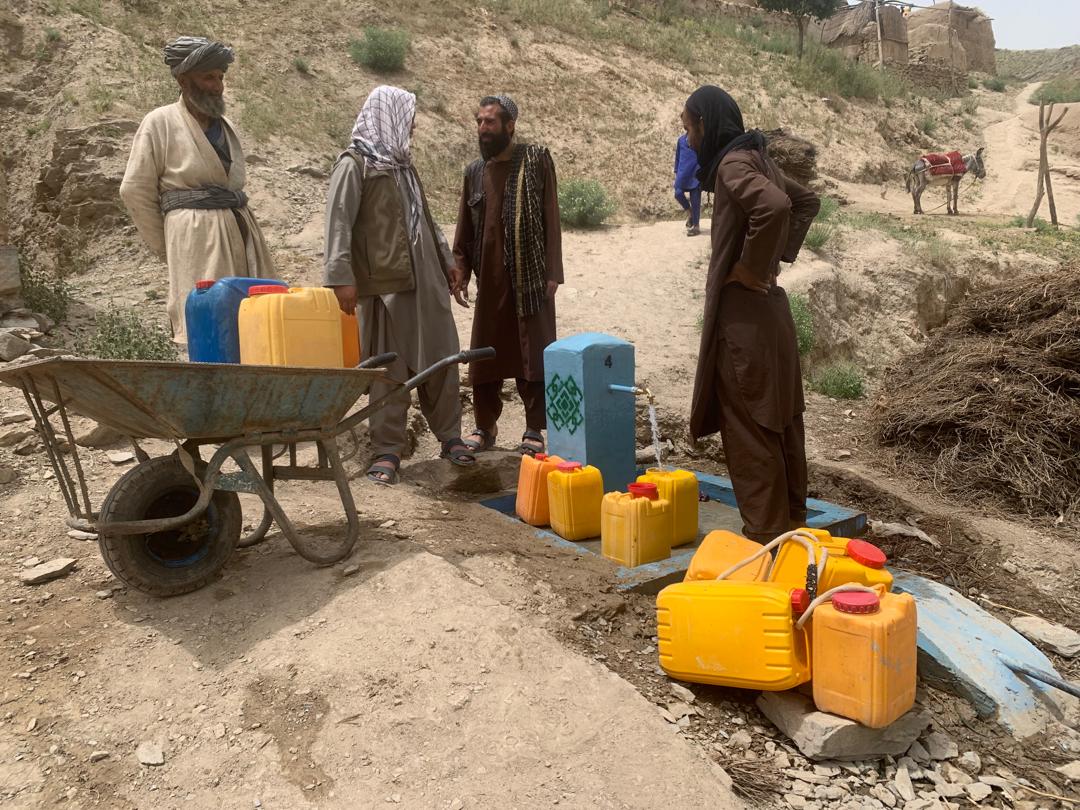
💧In Afghanistan, around 21 million people do not have enough water for drinking, cooking and hygiene. The country is facing a growing crisis that is increasing humanitarian needs and putting already precarious livelihoods at risk. In remote mountain areas like Wakhan in Badakhshan and parts of Bamyan, getting water is especially difficult. Many communities are located high above springs or rivers, so gravity-fed systems do not work and expensive pumping is needed. Water sources are also seasonal. Springs may flow in summer but diminish or dry up in winter. An EU-funded WaSH programme led by AKF and AKAH is helping vulnerable households access safe water and sanitation while building awareness of healthy hygiene practices. The programme aims to reach more than 75,000 people by rehabilitating water points, restoring wells and upgrading solar-powered and gravity-fed water supply systems. With more reliable access to safe water, communities are seeing fewer illnesses, less time spent collecting water and more opportunities for education and livelihoods. @AKF_Global #Afghanistan #WaterAccess #ClimateResilience #CommunityDevelopment #PublicHealth
Aga Khan Development Network tweet mediaAga Khan Development Network tweet mediaAga Khan Development Network tweet mediaAga Khan Development Network tweet media
English
1
13
41
934
Aga Khan Development Network
In countries where people have urgent basic needs, why is it worthwhile for development agencies to invest in cultural heritage? From jobs and skills to identity and international recognition, the benefits of restoring ancient sites ripple far beyond the work itself. 📷 Watch the video to see how.
English
0
11
41
1.5K
Aga Khan Development Network
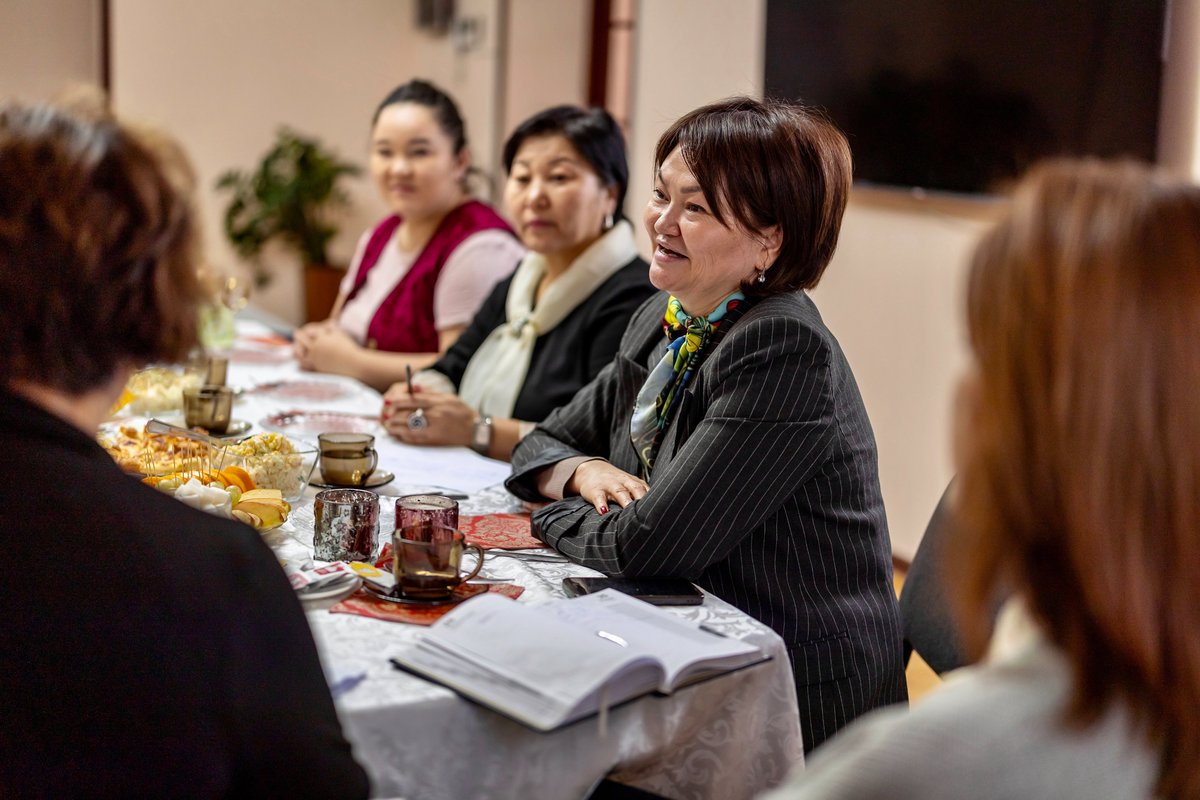
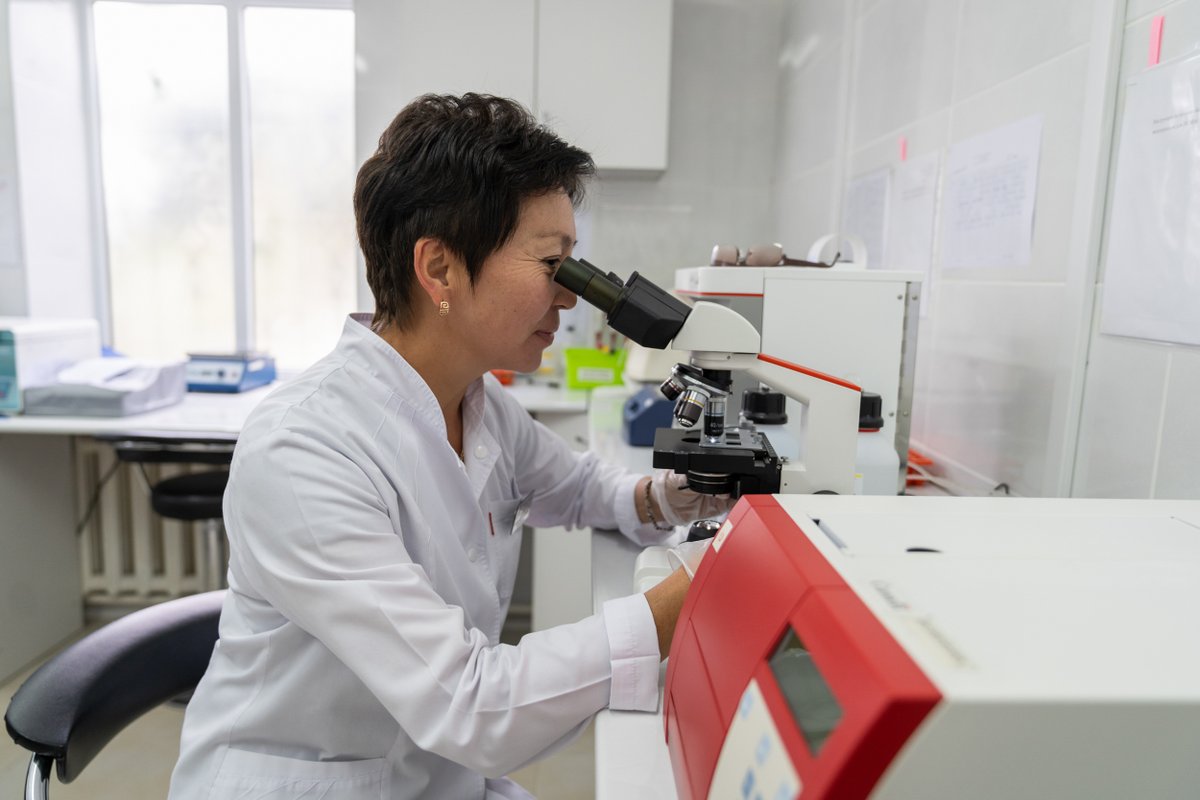
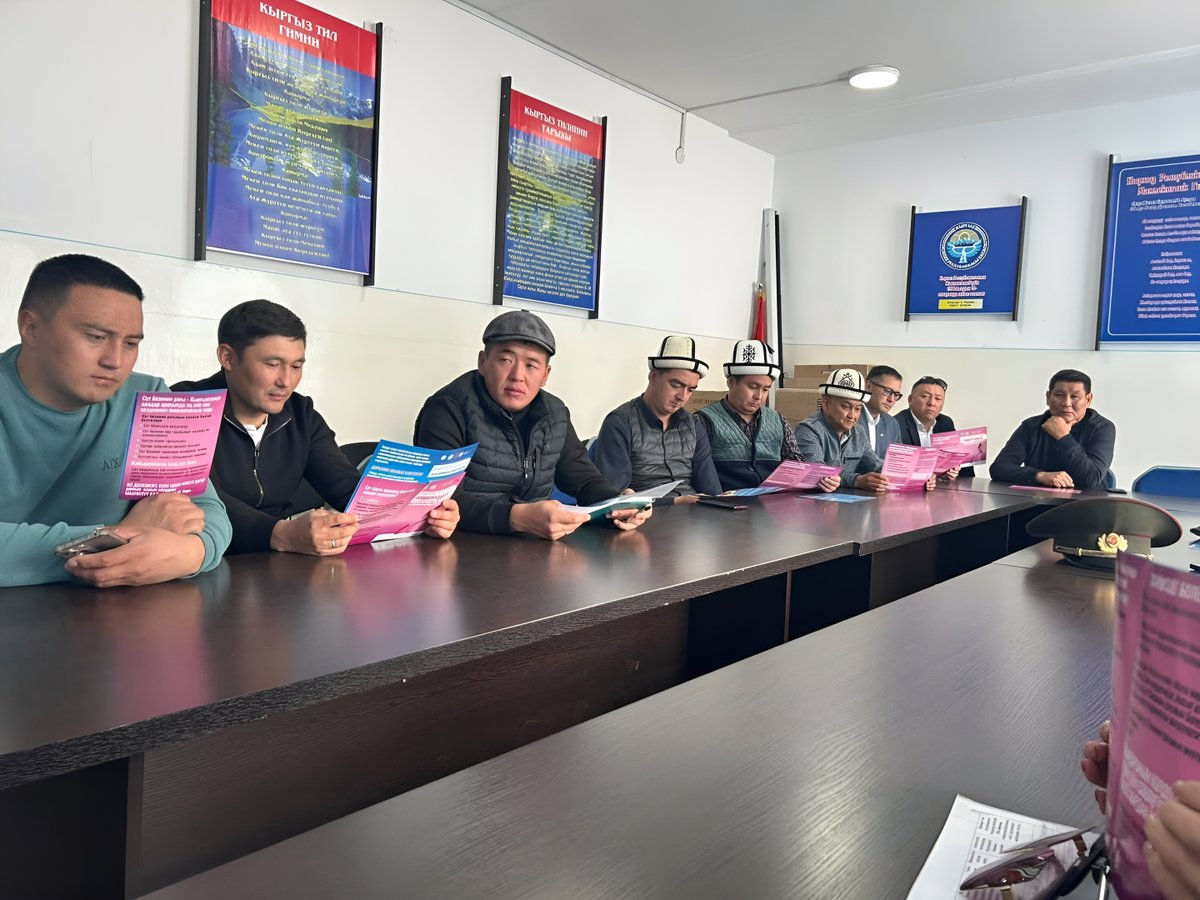
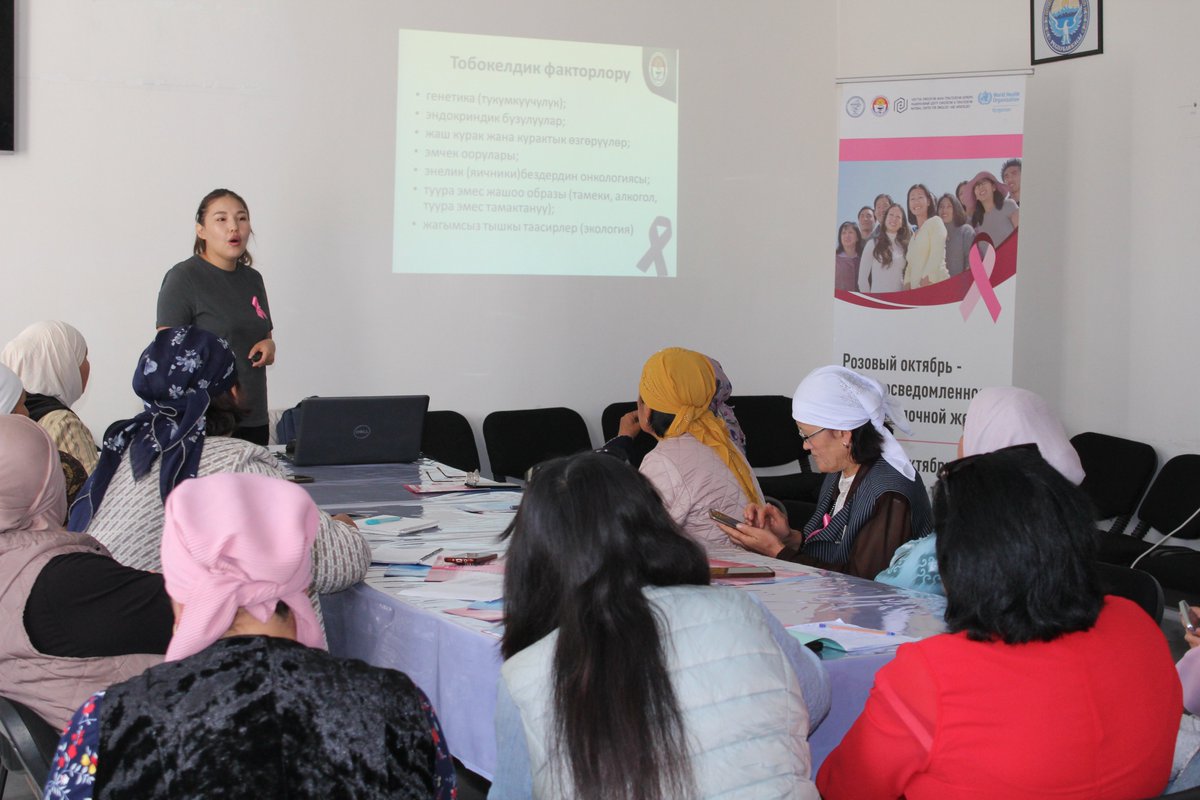
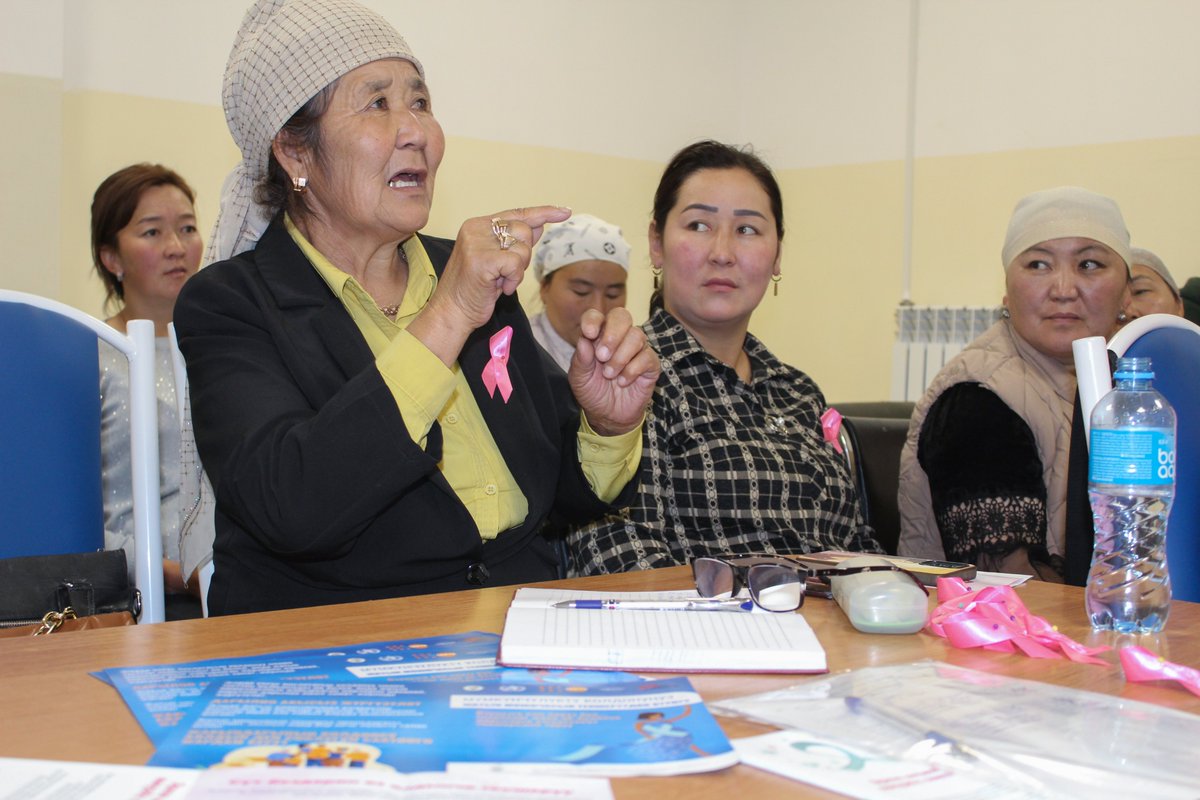
When breast cancer is detected early, survival rates can exceed 90 percent. But in remote parts of Kyrgyzstan, many women are diagnosed much later, when treatment becomes far more difficult. Through the Foundations for Health and Empowerment programme, funded by Global Affairs Canada and implemented by the Aga Khan Foundation and Aga Khan Health Services in Kyrgyzstan, AKDN is working with national partners to bring care closer to communities. In Naryn, Jalal-Abad and Osh, this has included community awareness sessions, screening days, training for local health workers and volunteers, telemedicine consultations linking rural doctors to oncologists in Bishkek and counselling for women and their families. By the end of 2025, more than 40,000 women had been screened across the three regions, with those needing further examination referred to regional and national oncology centres. “Early detection saves lives. But only if people can access care, trust it and feel supported every step of the way.” - Aida Sultangazieva @AKF_Global 🔗 Read more: the.akdn/en/resources-m… #Kyrgyzstan #BreastCancerAwareness #EarlyDetection #WomenHealth #Telemedicine
Aga Khan Development Network tweet mediaAga Khan Development Network tweet mediaAga Khan Development Network tweet mediaAga Khan Development Network tweet media
English
0
5
24
506