
Nader Ale Ebrahim

63.2K posts

Nader Ale Ebrahim banner
Nader Ale Ebrahim

Nader Ale Ebrahim

@aleebrahim

Enhancing Academic #ResearchVisibility & #Impact | Creator of #ResearchTools | Advocate for #OpenAccess & University Rankings | Virtual R&D Teams

Malaysia, Iran Katılım Eylül 2010
4.5K Takip Edilen3.2K Takipçiler
Nader Ale Ebrahim
Nader Ale Ebrahim@aleebrahim·
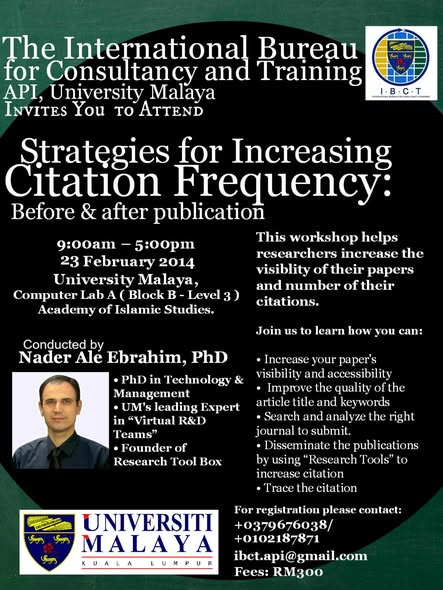
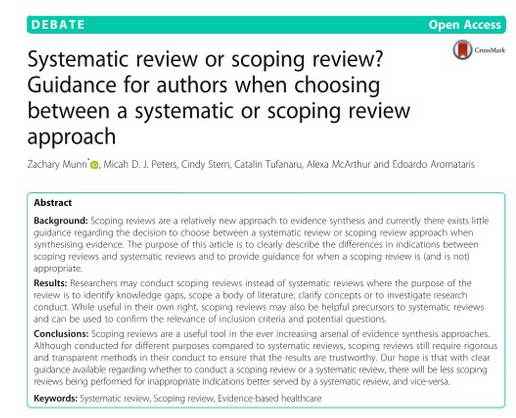
Journal giant Elsevier unveiled an AI tool that scans millions of paywalled papers. Is it worth it? First-of-its-kind product raises questions about costs, access, and equity science.org/content/articl…
Nader Ale Ebrahim tweet media
English
0
0
1
61
Nader Ale Ebrahim
Nader Ale Ebrahim@aleebrahim·
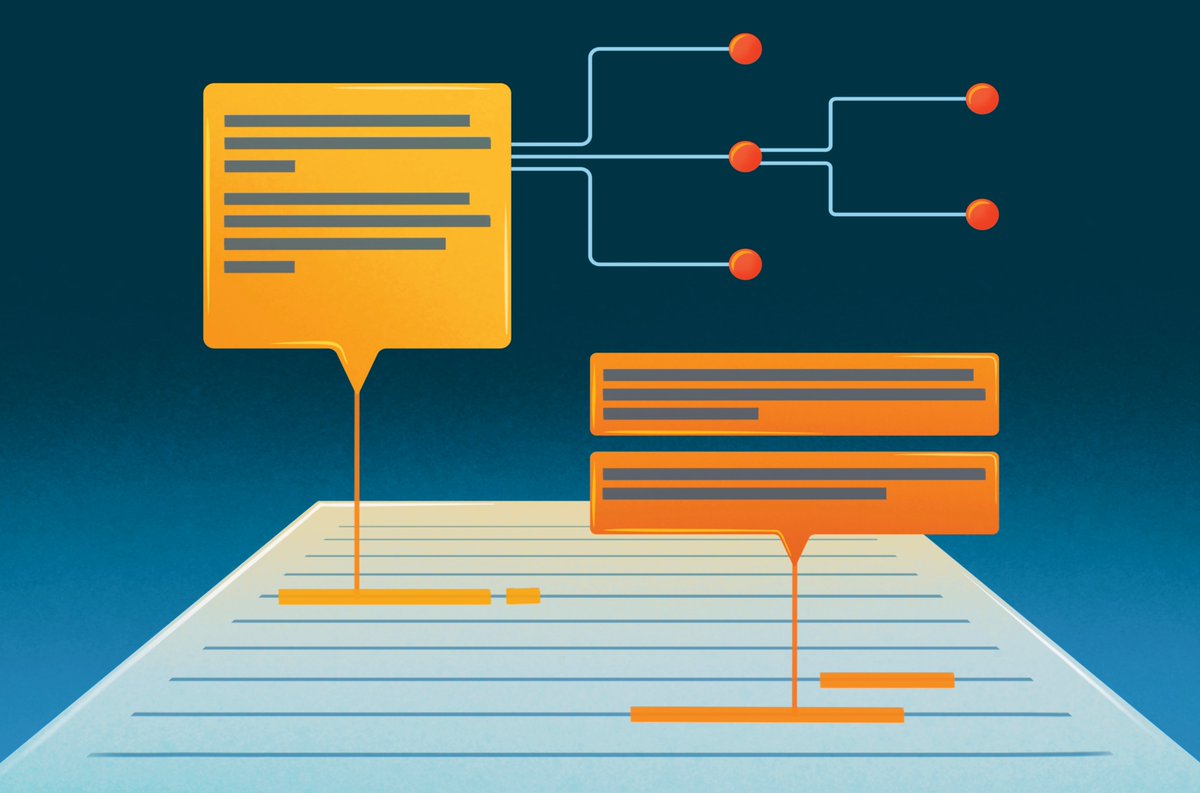
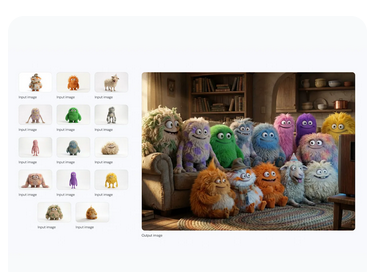
Before you submit your manuscript, give it a “mock peer review” first. 📝🔍 Upload your paper to Review-it and get feedback that feels like a real human reviewer, covering clarity, structure, argument strength, and potential weaknesses. Try it here: review-it.ai
Nader Ale Ebrahim tweet media
English
0
0
2
58
Nader Ale Ebrahim
Nader Ale Ebrahim@aleebrahim·
Voicebox Open source voice cloning powered by Qwen3-TTS. Create natural-sounding speech from text with near-perfect voice replication. voicebox.sh
Nader Ale Ebrahim tweet media
English
0
0
0
71
Nader Ale Ebrahim
Nader Ale Ebrahim@aleebrahim·
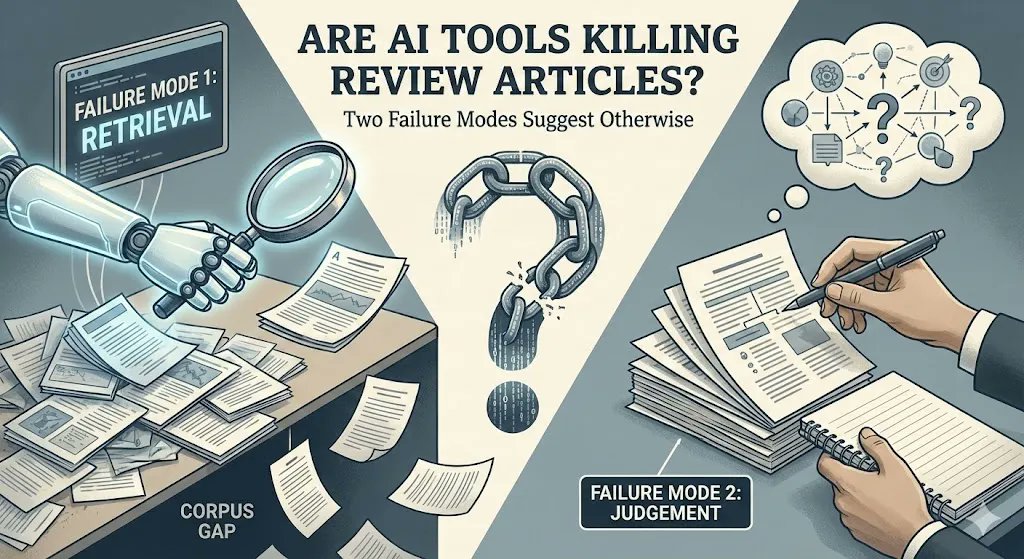
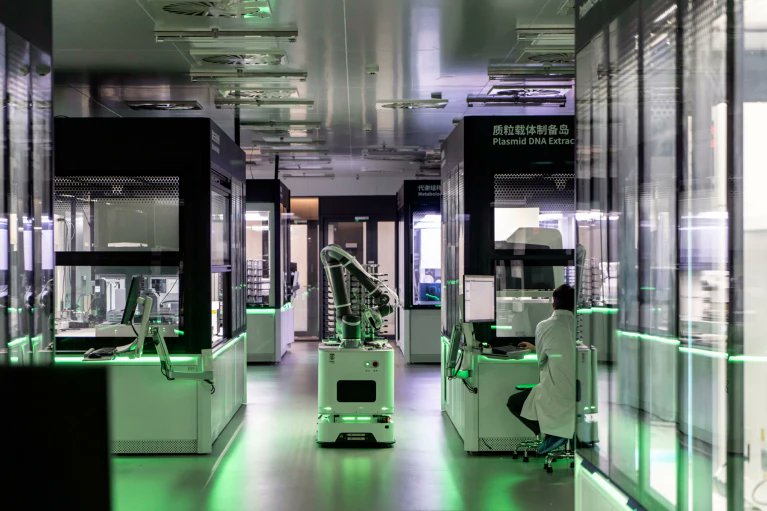
Which science jobs are most at risk from AI? To find out, Nature spoke to more than four dozen researchers across academia and industry who use AI in their work. nature.com/articles/d4158…
Nader Ale Ebrahim tweet media
English
0
0
0
65
Nader Ale Ebrahim
Nader Ale Ebrahim@aleebrahim·
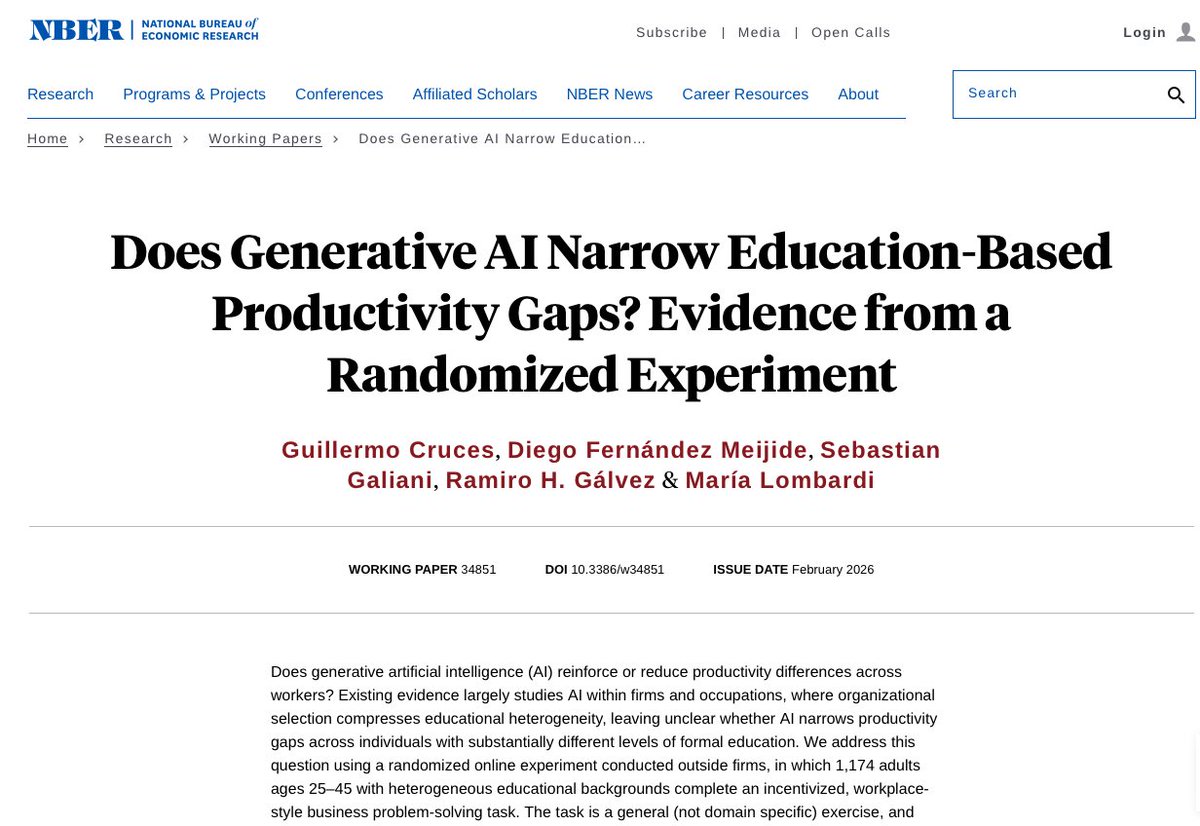
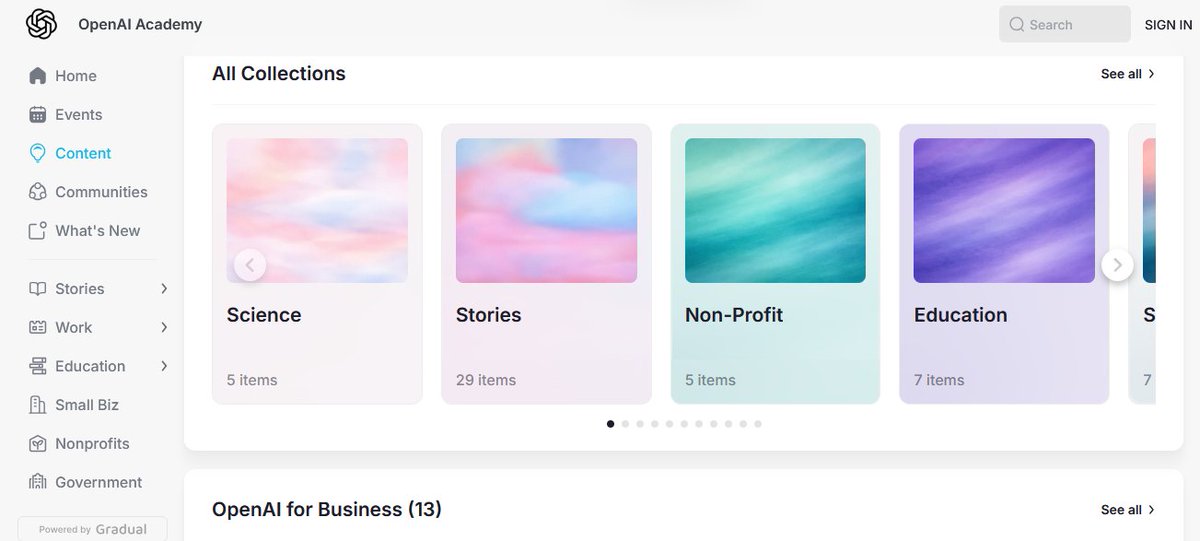
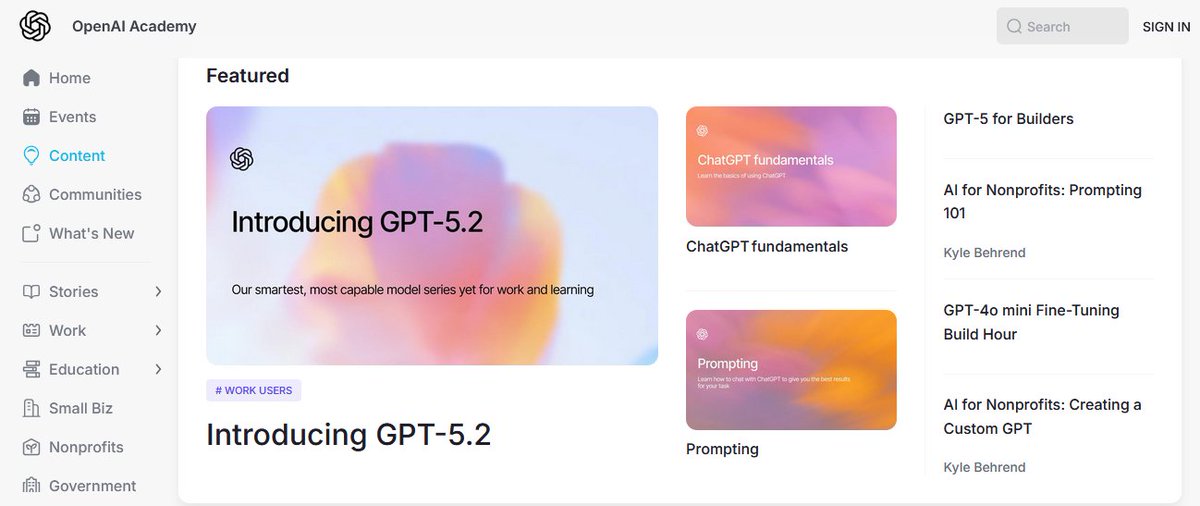
To make the most of ChatGPT, I highly recommend visiting the official training page at the OpenAI Academy: academy.openai.com/public/content Exploring these learning resources will significantly transform the way you use AI in your daily work.
Nader Ale Ebrahim tweet media
English
0
0
0
56
Nader Ale Ebrahim
Nader Ale Ebrahim@aleebrahim·
برای استفاده بهینه از چت جی پی تی حتما به این صفحه آموزشی academy.openai.com/public/content سر بزنید . قطعا بعد از استفاده از آموزش هایش تحول در کاربردهای هوش مصنوعی برای پیشبرد کارهایتان را خواهید دید.
Nader Ale Ebrahim tweet media
فارسی
0
0
3
95
Atieh
Atieh@ObscureRebelle·
سوال فنی: بهترین ابزار هوش مصنوعی که برای درست کردن Presentation تجربه داشتید باهاش چی بوده؟ یا حتی اگر AI نه ابزار دیگه حرفه‌ای پیشنهادی دارید بدید برای غیر دیزاینر البته که کار رو بشه با سرعت جمع کردم برای یک Pitch Deck.
فارسی
29
9
140
28.2K
Nader Ale Ebrahim retweetledi
Navid Taheri
Navid Taheri@naviidtaheri·
ببین، نویسنده این مقاله داره میگه که با یه حرکت فوق‌العاده ساده، دقت مدل‌هایی مثل چت‌جی‌پی‌تی و کلاود رو میتونی به شدت بالا ببری. داستان از این قراره که این مدل‌ها متن رو فقط از چپ به راست می‌خونن. یعنی وقتی داری یه دیتای طولانی بهش میدی و تهش سوال می‌پرسی، مدل موقع خوندن اون دیتا هنوز نمیدونه تو قراره چه سوالی بپرسی، پس ممکنه از نکات کلیدی سرسری رد بشه. نویسنده مقاله پیشنهاد میده که پرامپت خودت رو دقیقاً دو بار پشت سر هم توی یه پیام بفرستی. یعنی بنویسی: (متن راهنما + سوال) + (متن راهنما + سوال) با این کار، مدل توی دور دوم پردازش، چون یک بار سوال رو دیده، حالا با دید بازتر و تمرکزِ صددرصدی روی هدف تو، کل متن رو دوباره مرور می‌کنه. نتایج تست‌ها روی مدل‌های مختلف مثل جمینای و دی‌سیک نشون داده که این حرکت ساده، دقت رو توی بعضی تسک‌ها از بیست درصد به بالای نود درصد رسونده. جالب‌ترین بخشش اینجاست که این کار نه هزینه‌ای داره، نه زمان پاسخ‌دهی رو زیاد می‌کنه و نه نیاز به مهندسی پرامپت پیچیده داره. فقط یه کپی‌پیست ساده است که باعث می‌شه هوش مصنوعی بفهمه دقیقاً کجای دیتای تو اهمیت بیشتری داره. در واقع داری به مدل یه شانس دوباره میدی تا قبل از جواب دادن، یک بار دیگه با آگاهی کامل کل صورت مسئله رو بخونه.
BURKOV@burkov

LLMs process text from left to right — each token can only look back at what came before it, never forward. This means that when you write a long prompt with context at the beginning and a question at the end, the model answers the question having "seen" the context, but the context tokens were generated without any awareness of what question was coming. This asymmetry is a basic structural property of how these models work. The paper asks what happens if you just send the prompt twice in a row, so that every part of the input gets a second pass where it can attend to every other part. The answer is that accuracy goes up across seven different benchmarks and seven different models (from the Gemini, ChatGPT, Claude, and DeepSeek series of LLMs), with no increase in the length of the model's output and no meaningful increase in response time — because processing the input is done in parallel by the hardware anyway. There are no new losses to compute, no finetuning, no clever prompt engineering beyond the repetition itself. The gap between this technique and doing nothing is sometimes small, sometimes large (one model went from 21% to 97% on a task involving finding a name in a list). If you are thinking about how to get better results from these models without paying for longer outputs or slower responses, that's a fairly concrete and low-effort finding. Read with AI tutor: chapterpal.com/s/1b15378b/pro… Get the PDF: arxiv.org/pdf/2512.14982

فارسی
24
46
977
77.3K