Sabitlenmiş Tweet

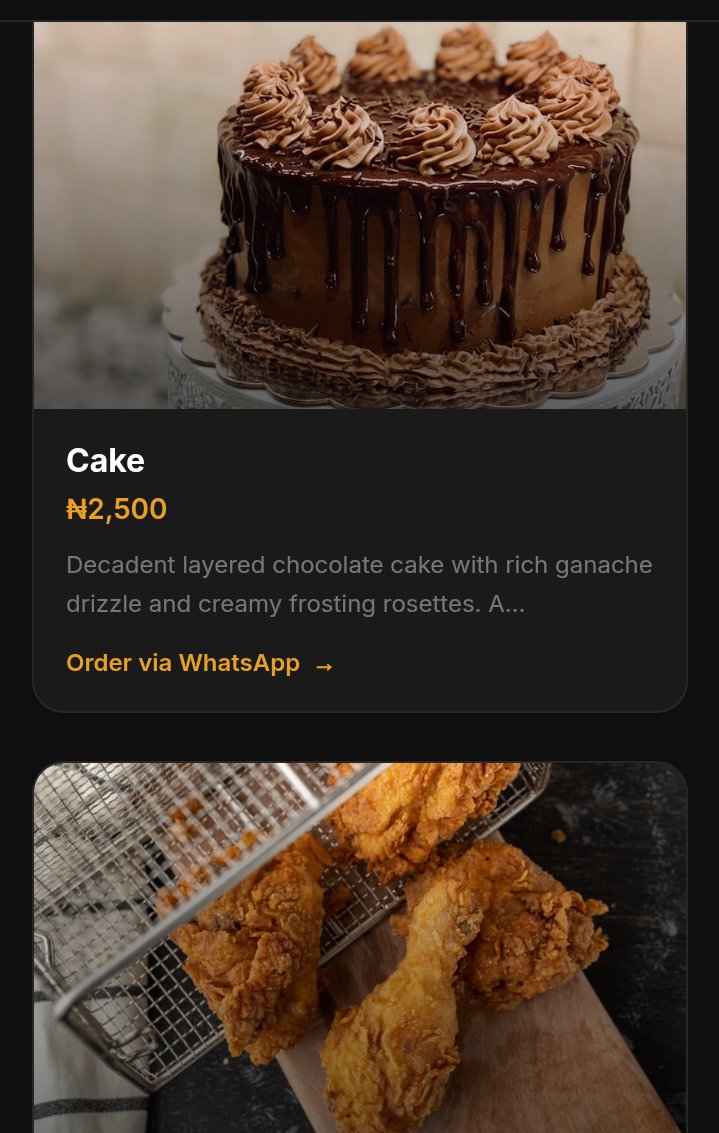
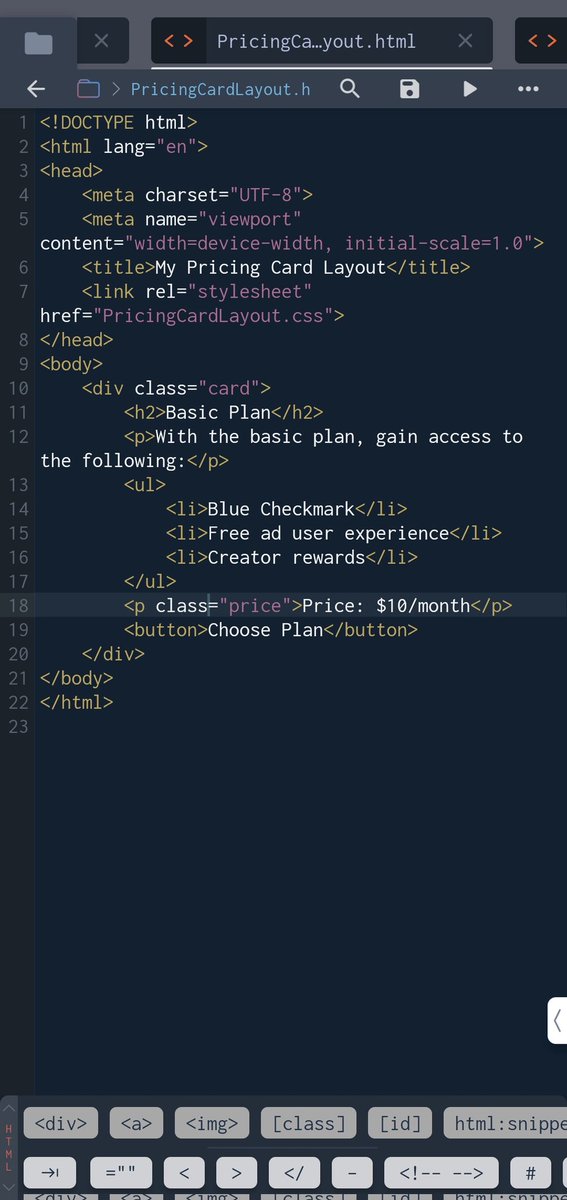
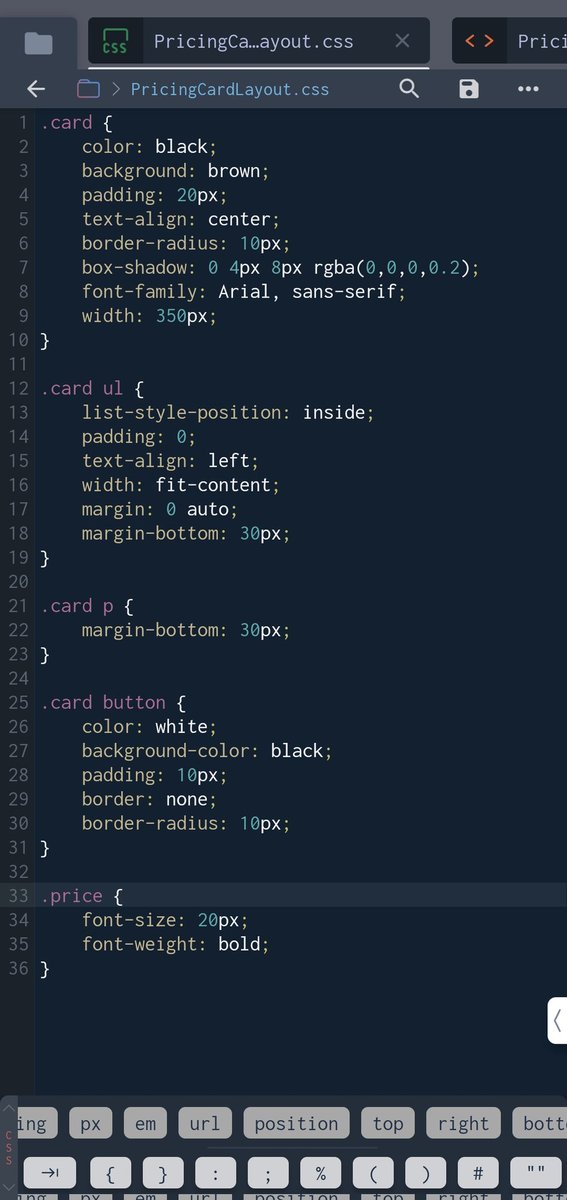
Today, I made a single-card pricing page on my phone. I added CSS this time, but no Javascript yet. I'll probably add that in the next project.

English
Alexander Achuga
62 posts

@alexanderachuga
God First • First Class Honors • Electrical and Electronics Engineer • Web Developer • Data Analyst • AI Automation Engineer




Happy New Week guys.. we will eat good this week 🍷
Your error messages might be helping hackers more than your users. Most developers think security is about authentication, encryption, and firewalls. Sometimes it’s just about choosing better words. A single response message can leak information you never intended to expose. For example: ❌ “Password reset link sent to john@email.com” ✅ “If this email exists, a password reset link has been sent.” The user gets the same guidance. The attacker gets nothing. Same thing with login forms. ❌ “No account found with this email” ❌ “Incorrect password” ✅ “Invalid email or password” Why? Because separate messages allow attackers to discover which emails are registered, then focus on cracking passwords for valid accounts. Your login form becomes a user directory. Signup flows have the same problem. ❌ “This email is already registered” ✅ “We couldn’t complete this signup. Try logging in or use another email.” A small wording change removes a valuable source of intelligence for attackers. Payment systems leak information too. ❌ “Payment reference exists but payment is unpaid” ✅ “We couldn’t verify this payment. Please try again or contact support.” Never expose internal states unless the user is authenticated and authorized to see them. APIs are no different. ❌ “User ID exists but subscription expired” ✅ “Access unavailable” Log the actual reason on the server. Don’t hand it to whoever is probing your endpoints. The goal of security UX is simple: Give users enough information to move forward. Give attackers as little information as possible. Good security isn’t always more code. Sometimes it’s better wording.