Alexander Harmsen

1.5K posts

Alexander Harmsen banner
Alexander Harmsen

Alexander Harmsen

@alexharm

2x AI entrepreneur, father, dreamer & builder. CEO/Founder @portfoliopilot, Chairman/Founder @iris_automation, Advisor @verisimlife. 30under30 YCS16 ODF8 ODI

San Francisco, CA Katılım Eylül 2011
814 Takip Edilen1.9K Takipçiler
Sabitlenmiş Tweet
Alexander Harmsen
Alexander Harmsen@alexharm·
After 100,000 hours of work, we’re announcing financial AGI. @portfoliopilot 3.0 automatically finds optimization opportunities across your financial life. Try now for 10 days, no credit card required.
English
8
9
41
440.2K
Alexander Harmsen
Alexander Harmsen@alexharm·
From the charts below, does anyone want to guess whether the Daily Mail leans right or left?
Alexander Harmsen tweet media
English
0
0
0
14
Alexander Harmsen
Alexander Harmsen@alexharm·
The damage that @realDonaldTrump has done to this country is catastrophic We have lost a lot of soft power, with almost all of our allies losing trust in us As a result, many countries have started looking for alternatives other than us: 👉Germany has been exploring armament solutions given our tensions with NATO 👉European countries have been looking to China for better trade relations 👉Gulf countries now see our military bases as targets rather than security When is enough going to be enough?
Alexander Harmsen tweet media
English
0
0
0
26
Alexander Harmsen
Alexander Harmsen@alexharm·
Loved the chart below, so thought I would share Turns out my home state, Cali, is basically a more dangerous UK How does your home state compare?
Alexander Harmsen tweet media
English
0
0
1
52
Alexander Harmsen
Alexander Harmsen@alexharm·
I would have been called crazy if I had told a financial analyst from 1970 that one of the most valuable private companies in the world spends more than 90% of its revenue on R&D. Yet, here we are. In 2025, @AnthropicAI spent around a total of $9.7B Where did that money go? 👉70% went to compute costs ➡️ 42% went to training the models and R&D ➡️ 28% went to actually serving their customers 👉30% went to salaries and other expenses This is fascinating, and it becomes all the more amazing when you realize that Anthropic’s revenues during 2025 were only $4.5B. That means that Anthropic invested more than 91% of its revenue into R&D. Historically, software companies would only spend around 10-15% of their revenue on R&D. The only industry that invests heavily in R&D is big pharma, coming in at 20-40% of revenue. In the case of big pharma, this heavy investment makes sense because creating a new drug, patenting it, and bringing it to market brings in billion of dollars back. What’s more, the existing patent laws makes these investments worthwhile. But none of this applies when it comes to AI Instead, Anthropic is approaching the AI race as a winner takes it all scenario, with the first company to achieve AGI to get the lion’s share of the market.
Alexander Harmsen tweet media
English
0
0
0
25
Alexander Harmsen
Alexander Harmsen@alexharm·
They said the same things about Millennials Apparently, shitting on the younger generation is a recruiter’s favorite pastime
Alexander Harmsen tweet media
English
0
0
1
35
Alexander Harmsen
Alexander Harmsen@alexharm·
If you think you know how your business is going to change in the next 50 years, trust me you don’t Case in point: the crazy ups and downs of the music industry Over the past 50 years, the music industry has been on a rollercoaster ride. For instance, when the walkman came out, made possible by miniaturized electronics among other technologies at the time, the industry made a ton of revenue thanks to the sales of cassette tapes and physical records. Then, two new innovations shut down that party: 1. Napster, which was made possible by the internet 2. The iPod, which was bolstered by iTunes These innovations changed a couple of things: 👉People started pirating songs and listening to them on their iPods 👉Revenues from physical records and cassette tapes dried up quickly So, the music industry needed to find a work around, and it decided to sue napster and shut it down. And it also decided to monetize music downloads through platforms like iTunes. Then, right after the iPhone came out and everyone had access to the internet from the comfort of their pockets, the music industry found a new revenue source: streaming music. Today, the industry makes most of its revenues from streaming and a much smaller fraction from physical sales or even downloads. Now, what are the lessons here? 1. The change in the music industry was quite unpredictable, regardless of what anyone with hindsight bias might tell you. 2. The change didn’t happen because of a single technological revolution; it happened because several technological revolutions were working together. For instance, streaming is possible because of the internet, the proliferation of smartphones, the rise of cloud computing, and the existence of MP3 compression technology. The problem is that when people look at their industries, they can sometimes focus on a single technological revolution, such as AI or blockchain. But true disruption will come from several technological changes working together to transform your business. And that’s part of what makes it so unpredictable.
Alexander Harmsen tweet media
English
0
0
0
24
Alexander Harmsen
Alexander Harmsen@alexharm·
Anyone wanna guess how much energy is needed for a 6-10 second video? . . . . . . . . Answer: Almost as much as is needed to charge a gaming laptop
Alexander Harmsen tweet media
English
0
0
0
58
Alexander Harmsen
Alexander Harmsen@alexharm·
Now that the UAE has left OPEC, I am curious how the green region in the chart below will change
Alexander Harmsen tweet media
English
0
0
0
34
Alexander Harmsen
Alexander Harmsen@alexharm·
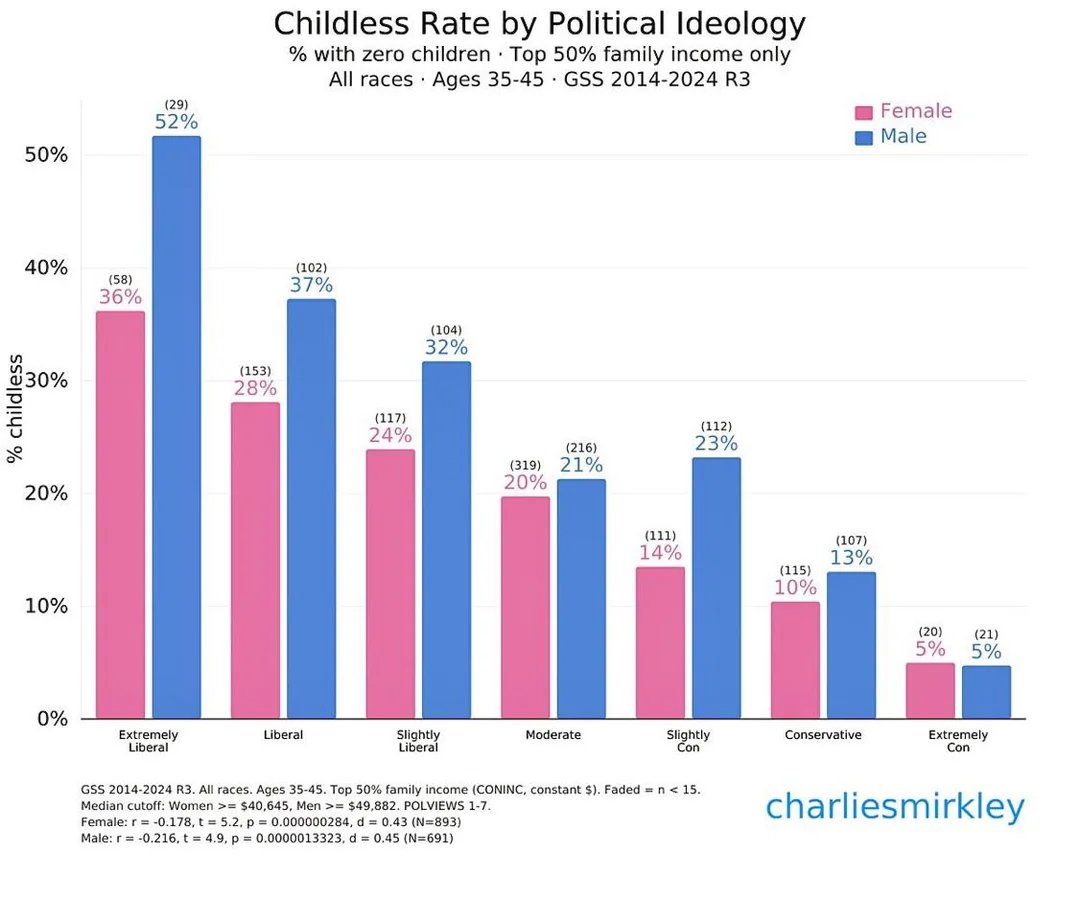
I saw this chart and thought of the movie “Idiocracy” Does that make me elitist?
Alexander Harmsen tweet media
English
0
0
0
29
Alexander Harmsen
Alexander Harmsen@alexharm·
How do you feel about free speech? Should you have the right to say whatever you want, even if it offends others? Back in 2017, almost ⅔ of the country thought so. I am very curious to see what that percentage would look like today
Alexander Harmsen tweet media
English
0
0
0
32
Alexander Harmsen
Alexander Harmsen@alexharm·
Charts like these 👇 put a smile on my face
Alexander Harmsen tweet media
English
0
0
2
54
Alexander Harmsen
Alexander Harmsen@alexharm·
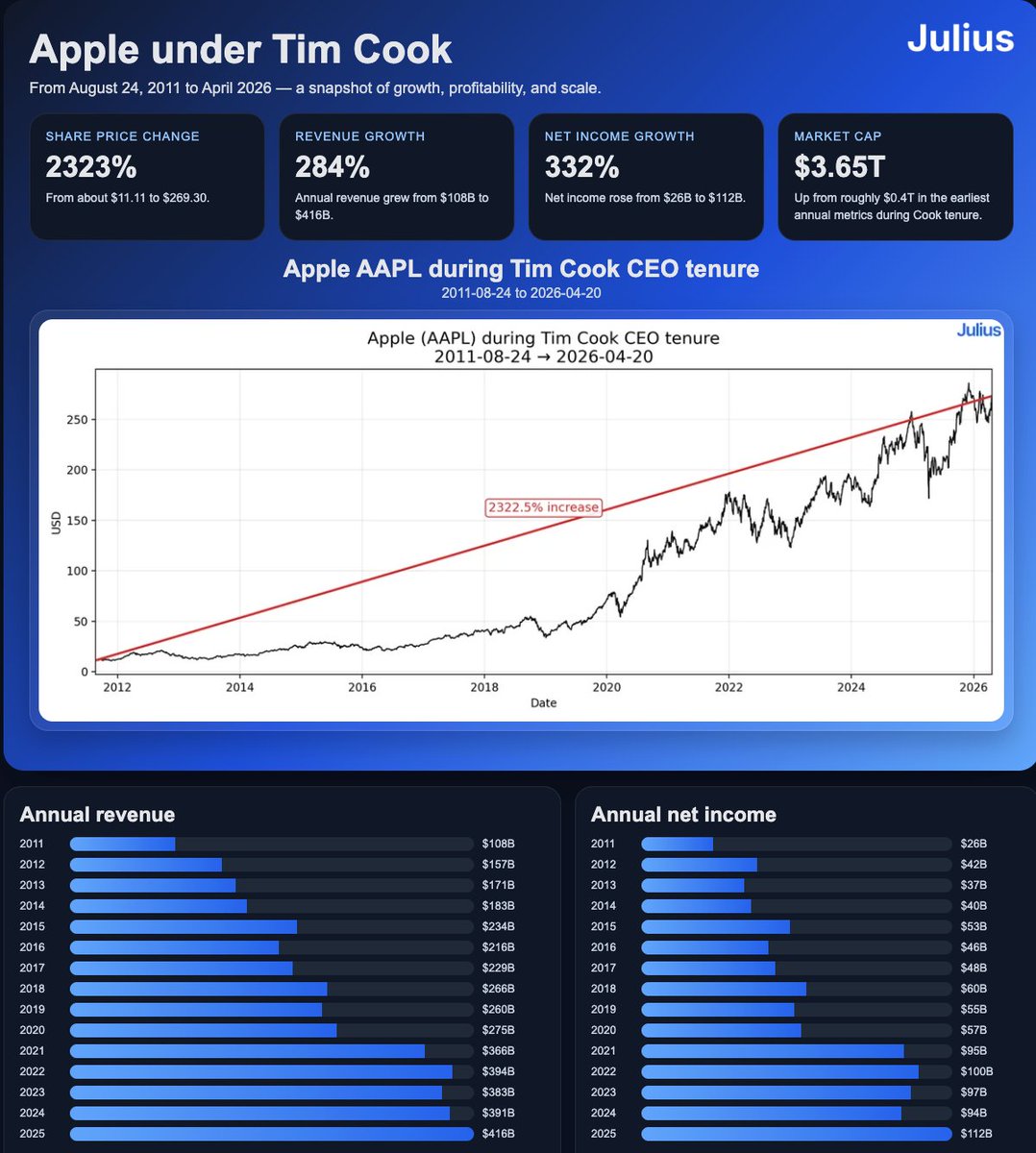
He wasn’t Steve Jobs, but he did an impressive job in his own right Tim Cook, in the span of 15 years 👉Almost 10xed the company’s value 👉Expanded Apple’s product ecosystem to include Apple Watch and AirPods 👉Pushed the company to use the M1 processor (among others), improving Mac performance And so much more. And while his leaving marks the end of an era, I am excited to see what Ternus will bring to the table.
Alexander Harmsen tweet media
English
0
0
2
94
Alexander Harmsen
Alexander Harmsen@alexharm·
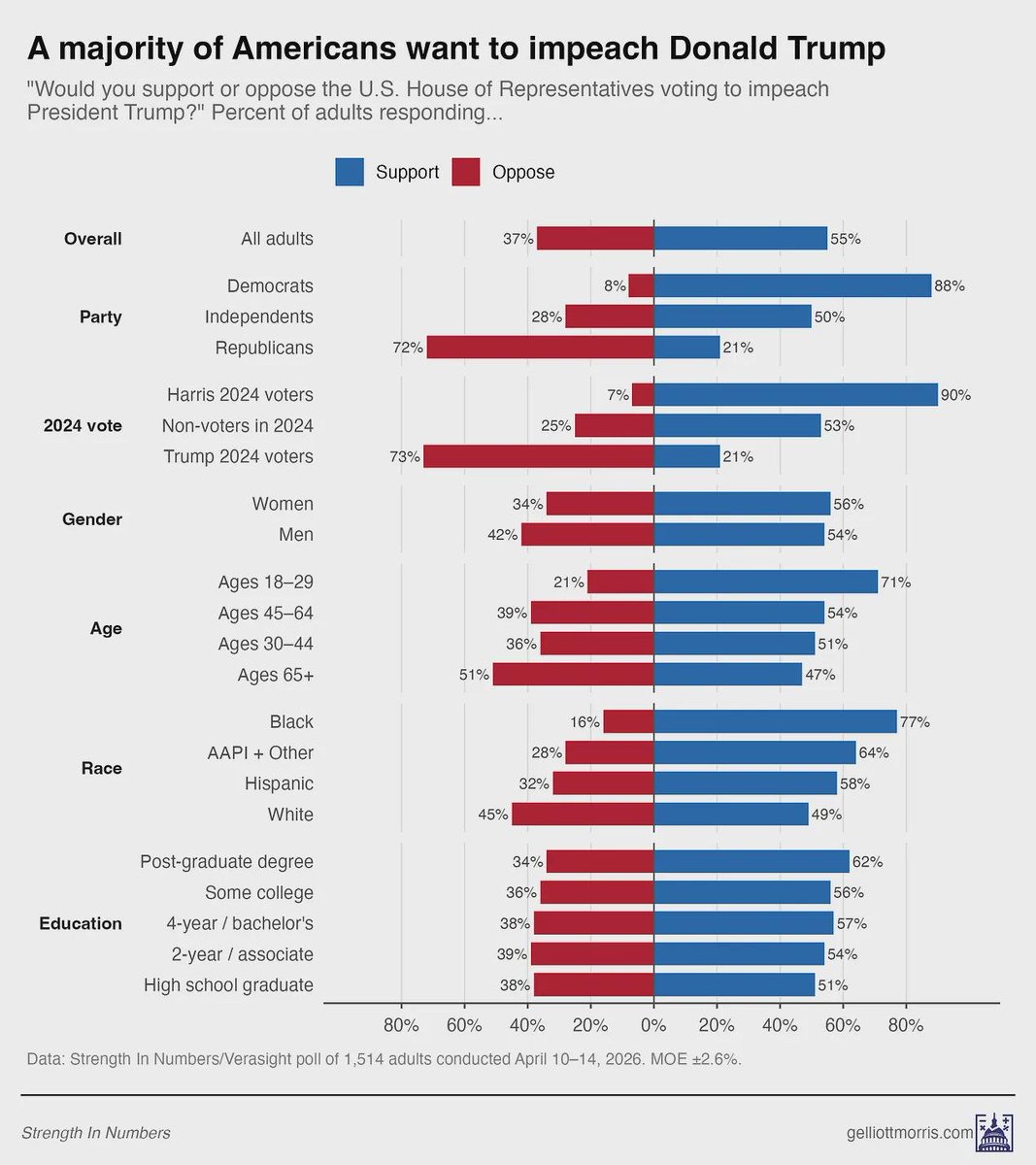
To impeach or not to impeach, that is the question
Alexander Harmsen tweet media
English
0
0
0
34
Alexander Harmsen
Alexander Harmsen@alexharm·
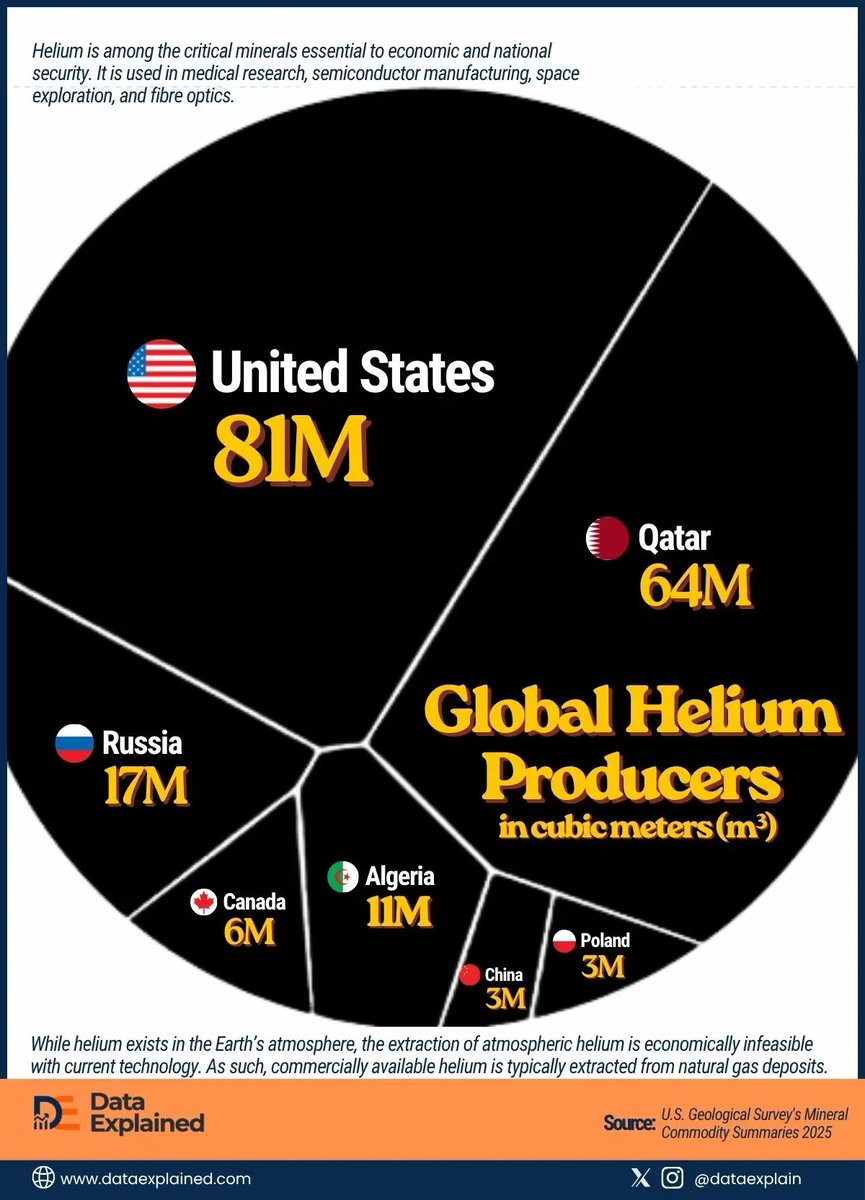
The AI industry is about to get hit hard. Let me explain. So, Helium is used in several different industries, including cryogenics, aerospace, and the manufacturing of silicon wafers. The problem is that even though there is plenty of Helium in the atmosphere, we can only extract it from natural gas deposits. Accordingly, there are only 7 countries in the world that produce Helium, and of those 7 countries, 2 of them produce almost 78% of the global production: US and Qatar. However, with the US/Israel-Iran war raging on, Qatar’s entire Helium production capabilities have been knocked out. To be clear, Qatar used to supply more than a third of the world’s Helium, but that won’t be arriving any time soon. So, what are the consequences of this? For starters, companies building data centers for AI are about to feel this. Remember, helium is critical for chip manufacturing, and chip suppliers will have to a) curb their production of chips b) try to outbid each other for the whatever helium they can find as they scramble to meet their contractual obligations. So, not only are chips going to become more expensive, but this shockwave will have a huge ripple effect downstream. To make matters worse, even if the war were to end today, it would still take years for things to get back to normal.
Alexander Harmsen tweet media
English
0
0
0
52
Alexander Harmsen
Alexander Harmsen@alexharm·
Even though @elonmusk gets bashed for a lot of things, and rightfully so, I think it is also important to give the man his flowers. Because of him: 👉Space flight and exploration has become much cheaper than what it was 30 years ago 👉Commercial firms have become the leaders in space exploration 👉An entire space economy is growing rapidly and expected to be worth trillions of dollars. And he led the charge with @SpaceX
Alexander Harmsen tweet media
English
0
0
0
45
Alexander Harmsen
Alexander Harmsen@alexharm·
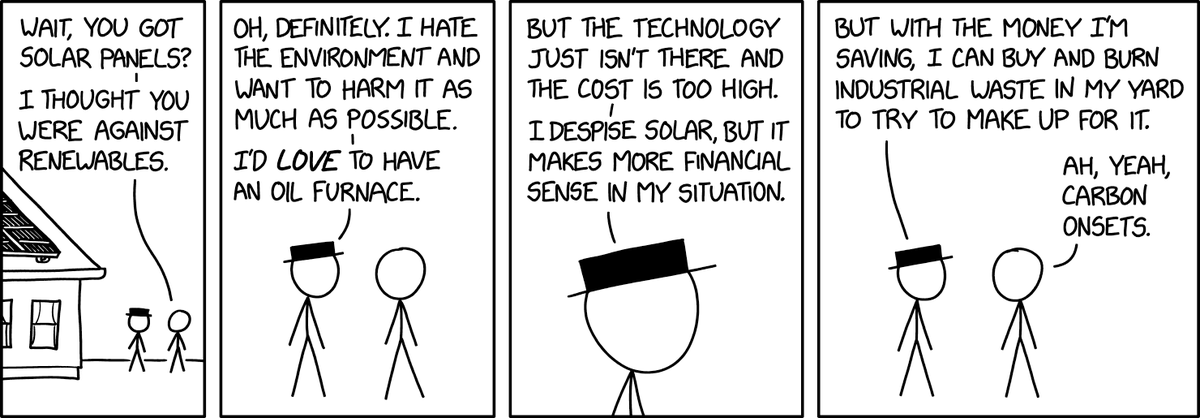
MEGA: Make the Environment Great Again
Alexander Harmsen tweet media
English
0
0
0
28
Alexander Harmsen
Alexander Harmsen@alexharm·
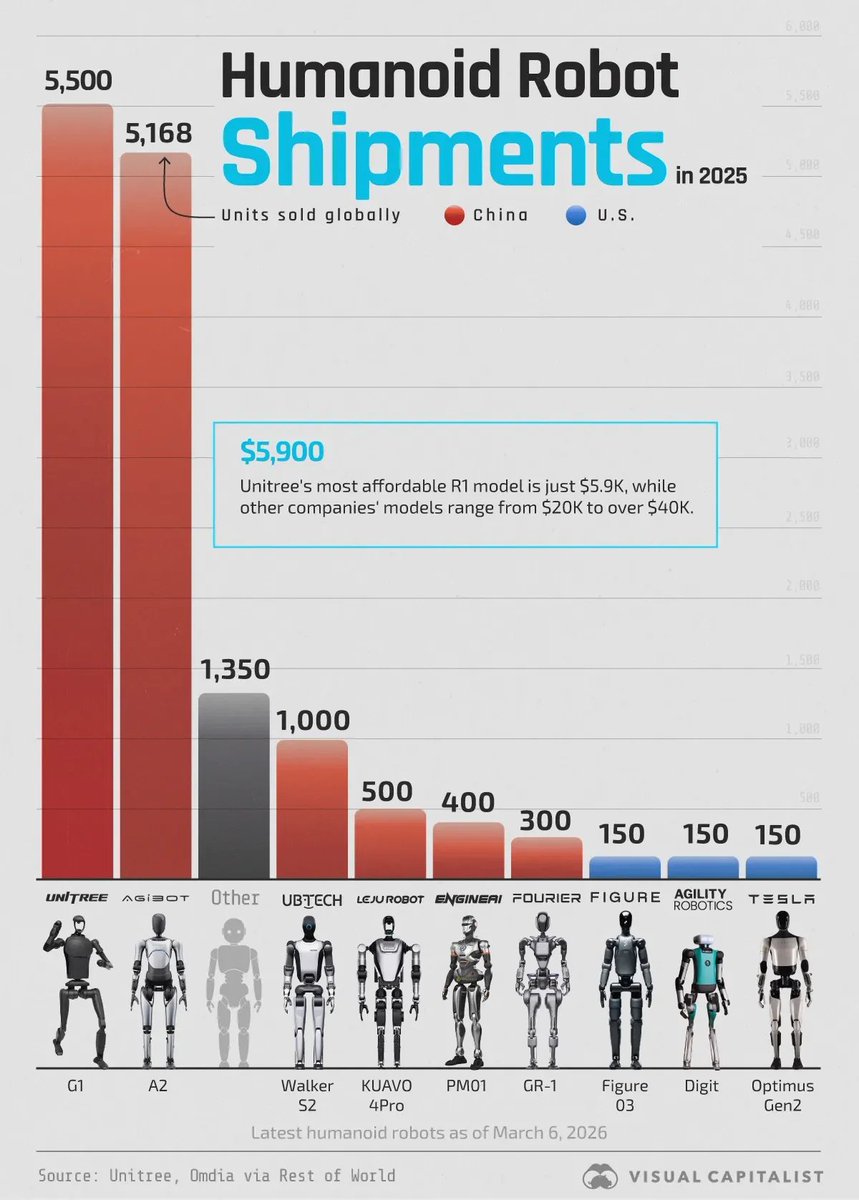
Even though we might be at the forefront of the AI race, we are falling way behind in the robotics one. Time to catch up…
Alexander Harmsen tweet media
English
0
0
1
42
Alexander Harmsen
Alexander Harmsen@alexharm·
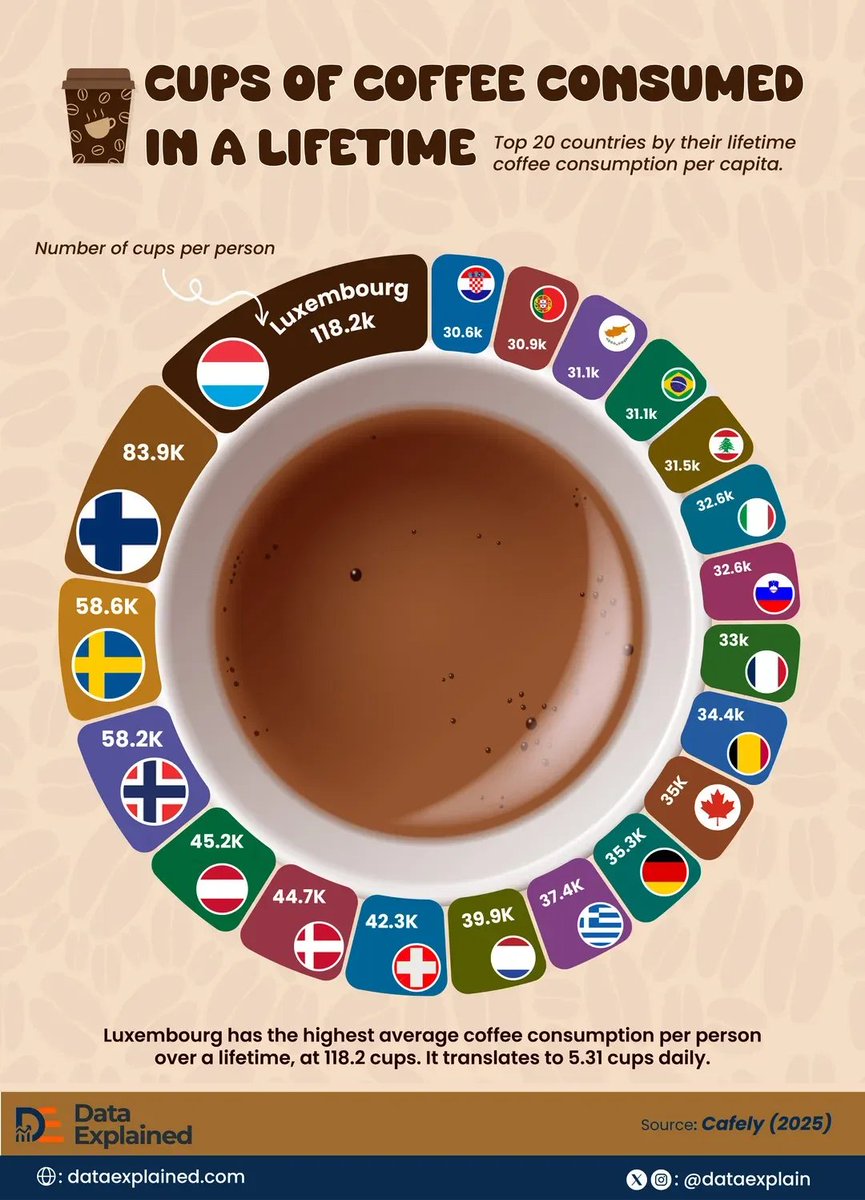
So, I have two questions: 1. Luxembourg consumes the largest number of coffee cups per person but also has the highest GDP per capita in the world. Any connection there? 2. What would happen if we just looked at the coffee consumption of California rather than the entire United States? I am willing to bet that California would rank somewhere on the chart below
Alexander Harmsen tweet media
English
0
0
0
52
Alexander Harmsen
Alexander Harmsen@alexharm·
So, a lot of the jobs on the chart below won’t come as a surprise to anyone. Automation, AI, and robotics are making them obsolete. However, the question I have is what will the people who used to do these jobs do? I don’t think that all upskilling attempts will work. For instance, anyone trying to learn software engineering on their own toady will be competing with a far better trained talent pool that is also struggling to find a job What do I think is the solution? 1. People need to focus on softer skills. There needs to be an emphasis on things like sales, negotiation, storytelling, and emotional intelligence. Regardless of how advanced our tech becomes, these skills will always be in high demand 2. There are also a ton of other jobs that AI and automation won’t be replacing anytime soon. Plumbers, electricians, and nurses are some jobs that are safe. The issue is that they aren’t as shiny or reputable, and I feel that this mentality needs to shift.
Alexander Harmsen tweet media
English
0
0
0
36