Alfa Psychology Consult

670 posts

Alfa Psychology Consult banner
Alfa Psychology Consult

Alfa Psychology Consult

@alfapsyconsult

|Child, Educational & Developmental Psychology Services| Assessment • Therapy • Learning Intervention • Family Support • Teacher Training • School Consultancy

Abuja, Nigeria Katılım Ekim 2022
9 Takip Edilen145 Takipçiler
Alfa Psychology Consult
Alfa Psychology Consult@alfapsyconsult·
Schools deserve support systems that help every child thrive. If your school needs professional support in: • Learning assessments • SEN support & intervention • SEN teacher training • General teacher training • Learning intervention • Family support • Therapy • School consultancy Alfa Psychology Consult is here to help. Led by Amira Ibrahim Alfa, Child & Learning Psychologist, we work with schools to support learners academically, emotionally, and developmentally. You can send a message via WhatsApp 08066199486 or email alfapsychologyconsult@gmail.com 📍Assessment | Intervention | Therapy | Teacher Training | Consultancy #Education #InclusiveEducation #SEN #EducationalPsychology #TeacherTraining #SchoolConsultancy #NigeriaSchools
English
0
1
1
14
Alfa Psychology Consult
Alfa Psychology Consult@alfapsyconsult·
Despite this evidence, many schools unintentionally contribute to linguistic erosion by discouraging indigenous language use within academic settings. In some environments, students are made to feel embarrassed for speaking local languages, reinforcing the perception that linguistic identity must be sacrificed for educational success. The consequences of languicide extend beyond the individual. Language carries oral traditions, humor, cultural values, indigenous knowledge systems, spirituality, and collective memory. Each language reflects a unique worldview and contains concepts that may not easily translate into other languages. When a language disappears, humanity loses an irreplaceable intellectual and cultural resource. Kenyan writer and scholar Ngũgĩ wa Thiong’o famously stated: “Language carries culture, and culture carries… the entire body of values by which we come to perceive ourselves and our place in the world.” This quote captures the psychological significance of language preservation. To lose language is, in many ways, to lose part of cultural consciousness itself. Preserving indigenous languages does not require rejecting global languages such as English or French. Human beings are capable of multilingualism, and multilingual societies often benefit cognitively, socially, and culturally from linguistic diversity. The goal is not isolation from global communication but protection against cultural and psychological erasure. Practical efforts toward preservation include promoting bilingual education, encouraging indigenous language use within homes, producing books and media in local languages, supporting culturally responsive teaching practices, and creating environments where linguistic identity is respected rather than stigmatized. Ultimately, languicide is not only a linguistic issue. It is also an educational, psychological, historical, and cultural issue. Language loss affects how individuals see themselves, how communities preserve their heritage, and how societies maintain cultural continuity. When a language disappears, the world loses a distinct voice, a unique perspective, and a valuable part of human knowledge.
English
0
0
0
15
Alfa Psychology Consult
Alfa Psychology Consult@alfapsyconsult·
Languicide and the Psychology of Language Loss Language is often viewed simply as a tool for communication, but from a psycholinguistic perspective, language is far more than words and grammar. Language shapes thought, influences emotional expression, organizes memory, supports identity formation, and connects individuals to culture and community. When a language disappears, something deeper than vocabulary is lost. A way of thinking, understanding, and experiencing the world disappears with it. This phenomenon is known as languicide, the death or destruction of a language, whether deliberate or gradual. Languicide can occur through colonization, forced assimilation, discriminatory educational policies, globalization, migration, or social stigma attached to certain languages. While some languages decline naturally over time, many disappear because speakers are pressured, directly or indirectly, to abandon them in favor of more socially or economically dominant languages. Psycholinguistics, the study of the relationship between language and the mind, helps explain why languicide has such profound consequences. Human cognition is deeply connected to language. The language people speak influences how they categorize experiences, process emotions, interpret social interactions, and preserve memories. Language is not merely spoken; it becomes embedded in identity and psychological development. Children are particularly vulnerable to the effects of language suppression. In many societies, children have historically been taught that their indigenous or native language is “backward,” “local,” or inferior to dominant languages associated with power, education, or social advancement. When a child is punished, mocked, or discouraged from speaking their mother tongue, the impact extends beyond communication. It can produce shame, language insecurity, cultural detachment, and confusion about identity. History provides several examples of societies that experienced severe forms of languicide. Indigenous communities in Canada and the United States suffered significant language loss through residential and boarding school systems where children were forbidden from speaking native languages and were often punished for doing so. These policies were designed to assimilate Indigenous children into dominant Western culture, resulting in intergenerational trauma and cultural disruption. Similarly, Aboriginal communities in Australia experienced aggressive assimilation policies that marginalized Indigenous languages and cultural practices. In Ireland, the Irish language declined significantly during British colonial rule as English became associated with political power, education, and economic opportunity. Across many African societies, colonial educational systems elevated European languages while indigenous languages became socially downgraded, creating lasting psychological and cultural consequences. Nigeria is not exempt from this phenomenon. In many urban homes today, children understand indigenous languages but struggle to speak them fluently. Some cannot communicate effectively with grandparents or relatives without translation. In certain families, parents intentionally avoid teaching indigenous languages because they believe exclusive English use represents intelligence, sophistication, or better academic prospects. Ironically, educational and psycholinguistic research consistently demonstrates that children learn best when foundational education begins in familiar languages. Mother tongue instruction improves literacy development, comprehension, classroom participation, confidence, and overall cognitive development. Children are often more expressive, engaged, and emotionally secure when learning occurs in a language closely connected to their lived experiences.
English
1
1
1
51
Alfa Psychology Consult retweetledi
Amira Nadya Alfa
Amira Nadya Alfa@amiraibalfa·
My book is now available in Abuja at Roving Heights. If you’ve been meaning to get a copy, this is the perfect time to pick one up. Stop by, grab yours, and join the growing number of readers already enjoying it. Thank you for the support.
Amira Nadya Alfa tweet media
English
0
2
2
139
Alfa Psychology Consult retweetledi
Amira Nadya Alfa
Amira Nadya Alfa@amiraibalfa·
From my experience as both a mother and a child psychologist, I have noticed that many children become extremely restless, overstimulated, and cranky after school, and my daughter was no exception.
English
1
5
5
602
Alfa Psychology Consult
Alfa Psychology Consult@alfapsyconsult·
Mental illness and morality are not the same thing, and society struggles when the two overlap. Some conditions are psychiatric disorders, but the actions connected to them can also be deeply immoral and criminal. A mental disorder explains behavior. It does not automatically excuse behavior. Psychology asks: “Why did this happen?” The law asks: “Should this person be held responsible?” Those are different questions. For example, pedophilia is classified in psychiatry as a disorder. But acting on it, abusing children, grooming, exploitation is still evil and criminal. A diagnosis should never erase accountability or the suffering of victims. The same applies to severe antisocial behavior. Someone may have traits linked to Antisocial Personality Disorder, but if they knowingly manipulate, assault, or harm others, society still has the right to punish them. This is where people get confused. Not every harmful person is mentally ill. And not every mentally ill person is harmful. In fact, most people with mental illness are far more likely to be victims than perpetrators of violence. Courts usually focus on one major issue: Did the person understand what they were doing? If someone fully understands their actions and consequences, mental illness alone usually does not remove responsibility, but there are rare cases, severe psychosis, complete detachment from reality , where a person may genuinely not understand their actions. That is why insanity defenses exist. Not to excuse evil, but to deal fairly with questions of human responsibility. Society has two obligations at once: 1. Protect innocent people. 2. Understand human behavior accurately. Ignoring psychology helps nobody. Ignoring morality helps nobody either. Some people hear “mental illness” and think it means sympathy without consequences. That is not what responsible psychology is about. Treatment and accountability can exist together. Protecting children, punishing abuse, and preventing future harm should always come first. But understanding the psychological roots of dangerous behavior is also necessary if society wants prevention instead of only reaction. A civilized society must be able to hold two truths at once: Some behaviors are clinically disordered. And some actions deserve condemnation and punishment regardless.
English
0
1
1
57
🇵🇸رشفات من المعرفة(Mrs)
I’m just so glad three of my friends are currently outside the country because tell me why my favorite mug cracked while I was pouring hot water into it this morning. (Okay I bought it for 5SR, but that’s besides the point!) And when I tell you I crashed out in Portuguese and Spanish… languages I do NOT speak… please understand the level of heartbreak we are dealing with here😭. I was speaking fluent emotional damage.
🇵🇸رشفات من المعرفة(Mrs) tweet media🇵🇸رشفات من المعرفة(Mrs) tweet media🇵🇸رشفات من المعرفة(Mrs) tweet media
English
6
1
30
4.4K
Alfa Psychology Consult
Alfa Psychology Consult@alfapsyconsult·
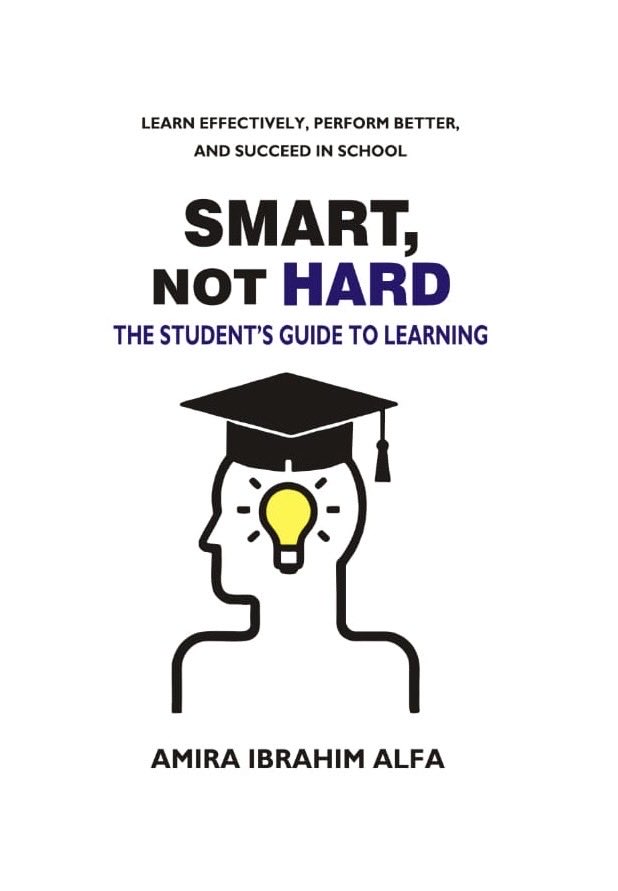
A lot of people think studying is only about spending long hours with books, but understanding your learning style, attention span, memory, and retention patterns matters just as much. That is one of the things I discuss in The Book Smart, Not Hard. the psychology of learning smarter, effective study habits, and how to make learning work for you instead of against you.
Alfa Psychology Consult tweet media
English
0
2
4
140
Alfa Psychology Consult
Alfa Psychology Consult@alfapsyconsult·
@imohumoren Choosing yourself doesn’t automatically stop you from grieving the version of the relationship you hoped would exist.
English
0
0
2
33
Big Cuz
Big Cuz@imohumoren·
Break ups hurt even if you initiated it
English
3
34
138
8.3K
Alfa Psychology Consult
Alfa Psychology Consult@alfapsyconsult·
@vocalcry The delulu we tell ourselves to cope with someone who has commitment issues is brighter than daylight. We will see every red flag and still call it “they’re just scared of love.” 😭
English
0
2
2
8.9K
Alfa Psychology Consult
Alfa Psychology Consult@alfapsyconsult·
@femiprdx As Nigerians, we press the bread between our hands before eating it to reduce the calories. it’s our national coping mechanism. 😭
English
0
0
2
556
Brought to you by Concerta
A slice of bread is 150 calories. We were doomed to fail from the beginning.
English
9
26
74
12.7K
Alfa Psychology Consult
Alfa Psychology Consult@alfapsyconsult·
Parents often worry about children becoming addicted to screens, but many children are growing up emotionally competing with their parents’ phones. Research shows parents use smartphones for an average of about 4–5 hours daily, with some studies reporting even higher use. One study found parents checked their phones around 60 times a day. (PMC) Children notice this more than adults think. When a child is talking, playing, showing excitement, or expressing emotions and a parent keeps scrolling, the child often interprets it personally: “I am not important enough for full attention.” Over time, repeated phone interruptions can affect a child’s: • confidence • emotional security • behaviour • attention span • communication skills • self-esteem Studies have linked frequent parental phone use during interactions with children experiencing more sadness, anger, emotional withdrawal, and poorer well-being. Some children respond by acting out. Others stop trying for attention completely. That second group is often missed because quiet children are usually seen as “easy” children, but emotionally, many are simply learning: “My feelings can wait.” “My parents are here, but not fully present.” Children build emotional security through consistent responsiveness: eye contact, listening, shared attention, conversation, play, and feeling emotionally seen. When phones repeatedly interrupt those moments, attachment and connection can weaken. Research also suggests distracted parental phone use can reduce responsiveness and sensitivity toward children. The difficult truth is: children learn phone habits from adults first. A parent cannot realistically demand constant presence from a child while modeling constant distraction themselves. This is not about demonizing parents. Modern life is exhausting. Many parents are overwhelmed, working, stressed, or mentally drained. But intentional moments still matter deeply. Small changes make a difference: • phone-free meals • no scrolling during conversations • uninterrupted bedtime routines • dedicated play time without screens • putting the phone away when a child is speaking Children do not need perfect parents. They need parents who make them feel emotionally safe, noticed, and worth paying attention to.
English
1
4
3
72
Alfa Psychology Consult
Alfa Psychology Consult@alfapsyconsult·
Daily Quote “Be not afraid of going slowly, be afraid of standing still.” — Chinese Proverb
English
0
2
3
78
Alfa Psychology Consult
Alfa Psychology Consult@alfapsyconsult·
Why don’t some children eat their lunch at school? Especially picky eaters or children who “never seem hungry” during school hours? As a child psychologist, here are some reasons parents often miss 👇 1. Anxiety and overstimulation Some children are simply too overwhelmed to eat. Noise, busy classrooms, crowded cafeterias, strong smells, and transitions can suppress appetite. 2. Eating takes time and focus Many schools give children very little time to eat. Some children are slow eaters, easily distracted, or spend most of lunch socializing instead of eating. 3. The food may feel “unsafe” or unfamiliar Picky eating is not always stubbornness. Some children are sensitive to texture, smell, temperature, or how foods are packed and presented. 4. They may be exhausted by masking all day. Children who are trying hard to follow rules, socialize, regulate emotions, or keep up academically may mentally “shut down” by lunchtime. 5. Separation anxiety can affect appetite Especially in younger children. A child missing home or feeling emotionally unsettled may lose interest in food during school hours. 6. Some children are grazers, not big-meal eaters . They may genuinely eat better before school and after school instead of during lunch. 7. Fear of making mistakes or embarrassment . Some children avoid foods that are messy, difficult to open, or may attract comments from peers. 8. Not every child can finish a meal quickly, especially younger children. Rushed lunch periods can increase stress and reduce how much they eat. Schools should consider developmental differences when creating timetables. Eating is not just a “break” between lessons , it is part of a child’s wellbeing, regulation, and readiness to learn. So what can parents and schools do? • Pack smaller portions instead of overwhelming amounts • Include at least one “safe food” the child reliably eats • Practice opening containers at home • Avoid turning lunch into a daily battle or punishment • Prioritize sleep because overtired children often eat worse • Ask the child WHAT makes eating hard instead of assuming • Work with teachers instead of shaming the child.
English
0
0
0
22
Alfa Psychology Consult retweetledi
Amira Nadya Alfa
Amira Nadya Alfa@amiraibalfa·
I work extensively with children, young learners, and even university students, and honestly, in the past three years, I have never witnessed this level of apathy toward learning across different age groups.
English
1
4
11
593
Alfa Psychology Consult
Alfa Psychology Consult@alfapsyconsult·
“Lazy” mornings in children usually begin the night before. Many parents think the problem starts when they cannot wake their child up for school. In reality, morning struggles are often a reflection of sleep quality, overstimulation, stress, poor routines, and even what happened at dinner time. A child’s brain is not a machine you switch on at 6am. Some children wake up cheerful and alert because their nervous system is well-rested and regulated. Others wake up irritable, exhausted, emotional, or slow because their body never truly settled into restorative sleep. Here are things parents often overlook: 1. Sleep timing matters more than people think. An overtired child does not always “crash.” Sometimes they become hyperactive, emotional, restless, or resistant at bedtime. Consistent sleep schedules help regulate the body clock. 2. Dinner affects sleep. Heavy, sugary, highly processed meals close to bedtime can disrupt sleep quality. Children sleep better when dinner is balanced and eaten early enough for digestion before bed. 3. The nervous system needs a “landing period.” Many children go from bright screens, loud cartoons, rough play, or homework stress straight into bed. The brain needs transition time. Quiet play, dim lights, reading, warm baths, or soft conversations help signal safety and rest. 4. Bedrooms matter psychologically. Too much noise, heat, bright lights, uncomfortable bedding, or overstimulating environments can affect sleep without parents realizing it. 5. Mornings are emotional too. Some children are not fighting sleep; they are fighting anxiety about school, social stress, pressure, bullying, separation, or fear of failure. Morning resistance can sometimes be emotional exhaustion disguised as “stubbornness.” 6. Children borrow regulation from adults. A chaotic, shouting-filled morning dysregulates children further. Calm structure works better than panic. The goal is not just to “make children sleep early.” The goal is to help the child’s brain and body feel safe enough to rest deeply. A well-rested child learns better, regulates emotions better, remembers more, and starts the day with less stress on their nervous system.
English
0
2
3
68
Alfa Psychology Consult retweetledi
Amira Nadya Alfa
Amira Nadya Alfa@amiraibalfa·
My daughter Maryam turned 5 today. May you grow adorned with the beautiful qualities of your noble namesake, Maryam (AS), the pure and beloved mother of Isa (AS). I pray that wherever life takes you, you will always be surrounded by light, love, and Allah’s protection.
English
2
1
10
218
Dija Abubakar
Dija Abubakar@AbubakarDija·
Do we have Muslim therapists in Nigeria?
English
17
3
28
7.9K