Sabitlenmiş Tweet
a Liông ⬛🟩⬛
2.5K posts
a Liông ⬛🟩⬛
@aliong_tt
Tng teh kā chhùi chi̍h chiap tńg ·lâi ·ê Tâi Oân lâng.
Tâi Oân Katılım Mart 2021
113 Takip Edilen180 Takipçiler

Ìn Nî ê gī kiap siáu soat sī Má Lâi gí lām Lán Lâng gí.
Zhongjing Liu | 劉仲敬@LiuZhongjing
印尼武俠小說流行的時候,白話文和印尼國語還沒有發明呢⋯⋯ 印尼國語是馬來語的一種,只是因為蘇加諾未能統一馬來西亞才被稱為印尼國語,也就是說盧布和人民幣輸給了馬來王公的英鎊和印尼軍閥的美元。
Română

@BoTioh 「生理人甲討海人个口語地名・水名那會無代無志宅書面語『tāi-』來鬥、此眞欠解說」
ji.taioan.org/gisu/?n=145
中文


台湾の
「食事皇帝大」
と言う言葉を知りました
これから座右の銘にします!!
“ご飯を食べることは、皇帝が来るよりも大事(=食事は何よりも優先される)という意味を持つ、食の重要性を表すことわざ”
ボンクレ台湾@bonkuretaiwan
ふと思ったんですが、 台湾では朝ごはん屋さんで食べて仕事や学校に行くよね? (もしくは外帯して会社で食べる) 何故そんなに時間があるの??
日本語

You think Osaka's signature food is takoyaki.
Or okonomiyaki.
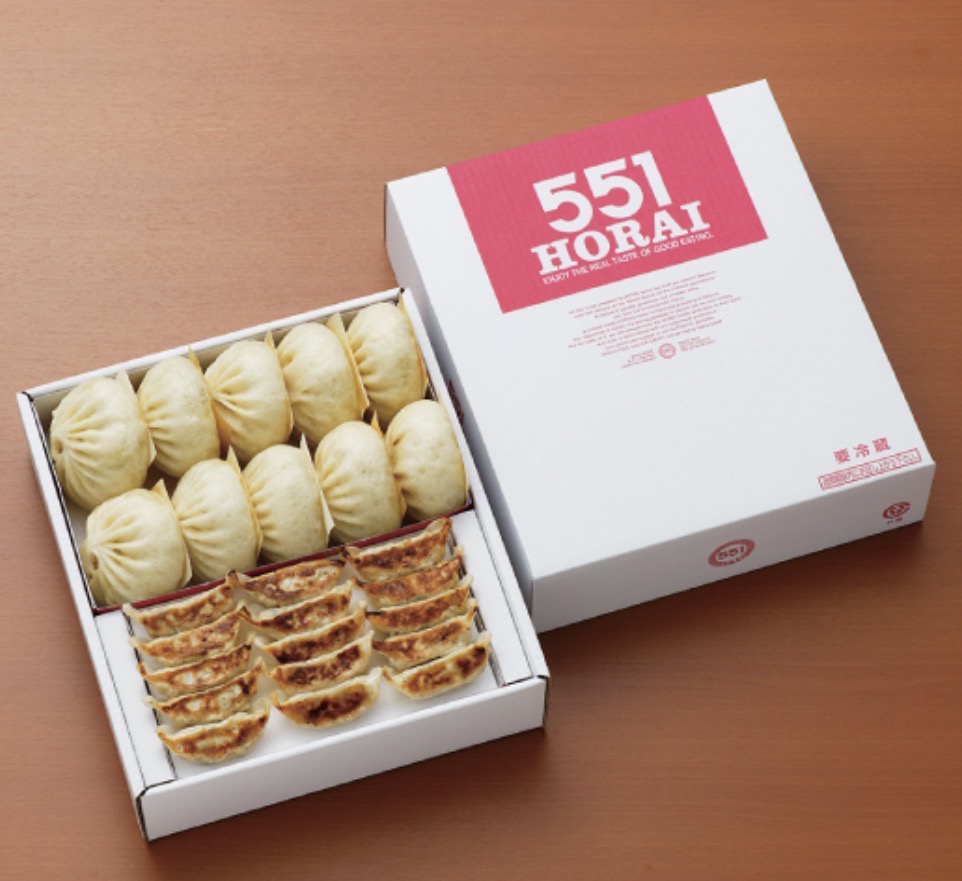
It's a pork bun.
It's called butaman.
The shop is 551 Horai.
They sell about 170,000 of them a day.
They've been doing it for almost 80 years.
But here's what's strange: in 80 years, the company has never opened a permanent shop outside the Kansai region.
People have asked the company why they don't expand to Tokyo.
The answer is always the same.
The dough has to ferment within 150 minutes of leaving the factory.
Anywhere further away, the buns wouldn't taste right.
So they don't sell there.
They know the buns sell.
They know how to expand.
They just don't.
The bun itself is bigger than you'd expect.
Lots of pork, lots of onion, slightly sweet dough.
They call it butaman, not nikuman, because in Kansai dialect, the word for "meat" defaults to beef.
So if they called it a "meat bun," people would think it had beef in it.
They specified pork in the name.
The history is older than you'd guess.
The company opened in October 1945, two months after the war ended, in a part of Osaka that had been firebombed to the ground.
The founder was a Taiwanese immigrant named Luo Bangqiang.
He started with a small restaurant that sold curry rice.
The pork bun came later, in 1946, when he adapted a Taiwanese recipe to Osaka tastes.
A Taiwanese man invented the most Osakan food there is, in a city that still didn't have homes for everyone.
Ride the bullet train out of Osaka today, and you'll see at least one person carrying a red and white paper bag.


English

Lâm Tó lâng chhut Tâi Oân mā ū chiūⁿ pak.
Sūn o͘ hái chúi khì Kiú Siu ê Hayato.
天音@202101amane
米の伝わり方を見て、台湾から各地へ広がったオーストロネシア語族を思い出しました。 日本へは沖縄県・鹿児島県・宮崎県・和歌山県南部・三重県・愛知県・静岡県南西部にこの末裔が多く、HLAハプロタイプはB54-DR4。 隼人や南島系海人族で、宗像氏や安曇氏、渥美氏などがこの系譜です。
Tiếng Việt
a Liông ⬛🟩⬛ retweetledi

@hPCtbtMXnzEv53F @AirdropH32161 漢字=絵文字
Kanji do not possess inherent meaning.
日本語
a Liông ⬛🟩⬛ retweetledi

@AirdropH32161 Kanji is the corpse of languages.
Let's abandon it.
English

a Liông ⬛🟩⬛@aliong_tt
hûi tī
English

Did you know Japan, China, and Korea all have distinct chopstick designs? 🥢
🇯🇵 Japanese chopsticks are shorter, lighter, and more pointed, great for precision with delicate fish and tiny bones.
🇨🇳 Chinese chopsticks are longer, thicker, and blunter, made for shared meals, big tables, and reaching without dragging your sleeve through soup.
🇰🇷 Korean chopsticks are medium-length, flatter, and often stainless steel, paired with a spoon for rice, soups, stews, and saucy side dishes.
Same basic tool.
Three different food cultures.

English

Lâi Ji̍t-pún chia̍h Chhun-chúi-tông, khòaⁿ i tī Ji̍t-pún ū lak-chhat--bô🤣 Góa tiám Bêng-thài-chú tāu-leng-mī, tāu-hoe kah hê-oân-á. Tāu-hoe hām Tâi-oân ê tāu-hoe chha-put-to, hê-oân-á ê phôe, tō sī "Ji̍t-pún-phôe". Ji̍t-pún-lâng tō sī hèng chia̍h Mo-chì-mo-chì ê phôe.
Shiuan@refleurir_
일본 도착한 첫날에 바로 먹어 싶었던 춘수당으로 직진했다 ㅋㅋㅋㅋ 춘수당은 대만 식당인데 메뉴는 대만과 전혀 다르고 일본식 대만 요리라고 할 수도 있다. 특히 시켰던 명란 두유 면은 대만에서 먹을 수 없으니 일본 요리라고 봐도 될 것 같다.
Tiếng Việt