Artem Arakcheev

1.2K posts

Artem Arakcheev banner
Artem Arakcheev

Artem Arakcheev

@alphara

Founder @ https://t.co/PUn7hHzPHl, Open-Source Agentic AI OS | PhD, DBA
Katılım Ocak 2010
308 Takip Edilen44 Takipçiler
Artem Arakcheev
Artem Arakcheev@alphara·
Готов показать, как это выглядит на практике на одном из ваших процессов — можно начать с пилота. 🔗 Подробнее про HyperAgency: h9y.ai 🧠 Open-source (GitHub): github.com/vuics/h9y Если интересно разобрать ваш кейс — напишите.
Русский
0
0
0
8
Artem Arakcheev
Artem Arakcheev@alphara·
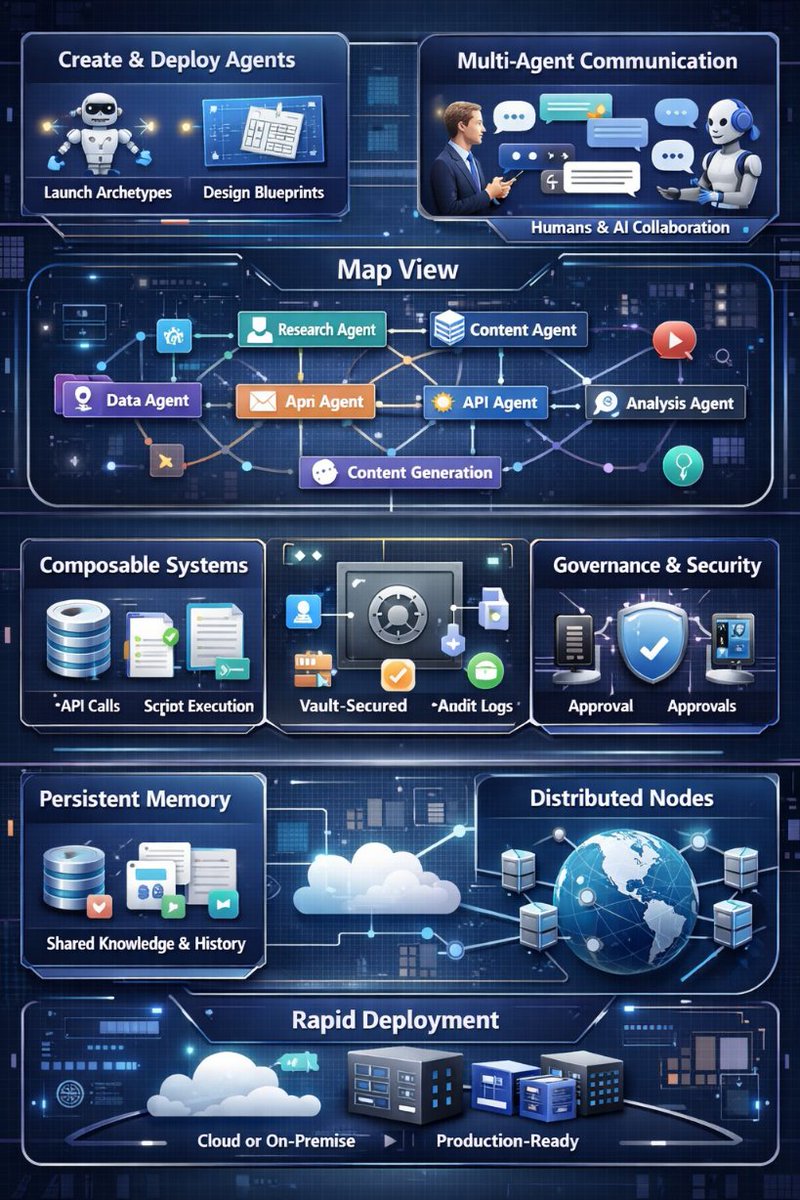
ИИ есть почти везде. Систем — почти ни у кого 🤯 Инструменты не масштабируются → теряется контекст → ценность падает. Бизнесу нужны не инструменты, а системы. Мы строим это в HyperAgency. 🧠 #AI #AIAgents #ИИ #бизнес
Artem Arakcheev tweet mediaArtem Arakcheev tweet mediaArtem Arakcheev tweet mediaArtem Arakcheev tweet media
Русский
1
0
0
16
Artem Arakcheev
Artem Arakcheev@alphara·
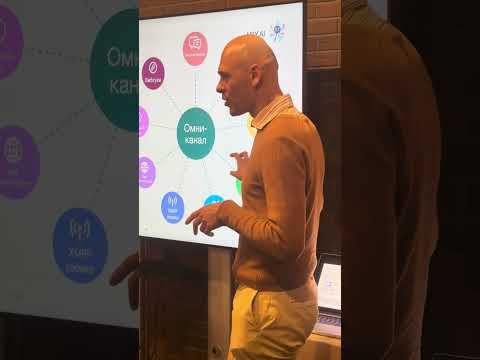
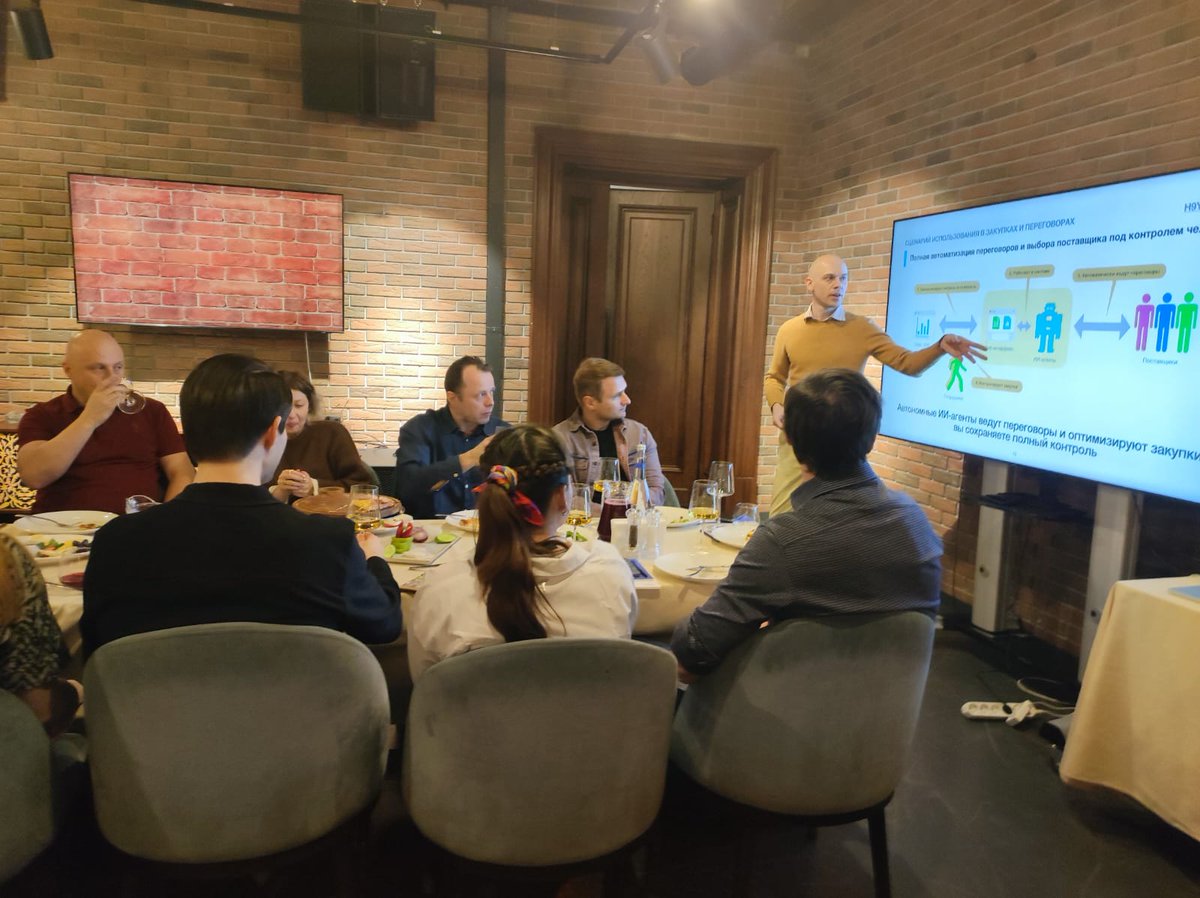
О чём на самом деле говорили директора про ИИ на закрытой встрече 🍽️ 📌 Полные видео: Часть 1 (обзор и контекст): youtu.be/Ym7xeG4HtQ0 Часть 2 (сценарии и архитектура): youtu.be/jqbCZ-ehRr4 Часть 3 (дискуссия и демо): youtu.be/dGuKzZuzLlI #AI #AIAgents
YouTube video
YouTube
YouTube video
YouTube
YouTube video
YouTube
Русский
0
0
0
10
Artem Arakcheev
Artem Arakcheev@alphara·
ИИ в компаниях есть, но часто не помогает На закрытой встрече с директорами обсуждали: — разрозненные AI → теряется контекст 🔗 — системы координирущие агентов с контекстом Организаторы — FiguraIT Бизнесу нужен не новый инструмент, а работающая система #ИИ #агенты #бизнес
Artem Arakcheev tweet mediaArtem Arakcheev tweet mediaArtem Arakcheev tweet mediaArtem Arakcheev tweet media
Русский
0
0
0
13
Artem Arakcheev
Artem Arakcheev@alphara·
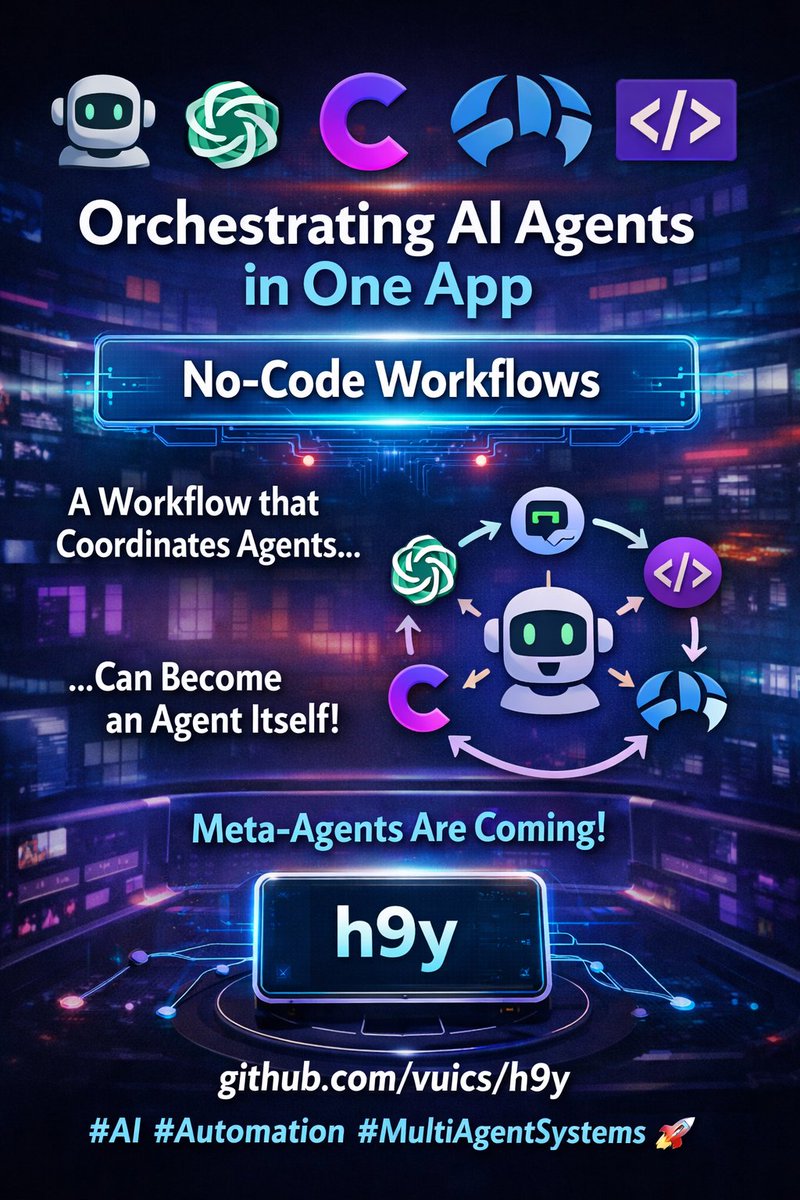
@hasantoxr Here is an agentic AI OS that supports servers & clients for MCP, A2A, HTTP, XMPP, etc. protocols for agent/tool communication. Agents and omni-channel bridges can be created in seconds and coordinated with no-code visual editor: github.com/vuics/h9y
English
0
0
0
80
Hasan Toor
Hasan Toor@hasantoxr·
🚨BREAKING: Google DeepMind dropped a paper that changes how AI agents will work forever. It's called Intelligent AI Delegation and it's a full framework for AI agents to safely hand off tasks to other AI agents and humans. No brittle heuristics. No ad-hoc handoffs. No accountability black holes. Here's how it works: The framework runs across 5 core pillars: → Dynamic Assessment: agents evaluate each other's real-time capabilities before delegating → Adaptive Execution: mid-task re-delegation when things go wrong → Structural Transparency: every step is auditable, not a black box → Scalable Market Coordination: decentralized bidding systems where agents compete for tasks → Systemic Resilience: hard stops before cascading failures hit Here's the wildest part: They borrowed concepts from aviation and medicine to explain why AI agents blindly follow bad instructions the same way junior doctors don't question senior surgeons. And they built a fix for it. This isn't just theory. They mapped it onto real protocols like MCP, A2A, and AP2 and showed exactly what's missing from each one. This is the infrastructure layer the agentic web has been waiting for. Full paper link in first comment 👇
Hasan Toor tweet media
English
33
127
537
48.2K
Artem Arakcheev
Artem Arakcheev@alphara·
@ZabihullahAtal Here is another example of agentic AI OS with kernel, coordination, observability, data layer, omni-channel, wallet, extensibility (skills), human-in-the-loop, secret vault, isolation, decentralization, gui/api/cli: github.com/vuics/h9y
English
0
0
1
41
Atal
Atal@ZabihullahAtal·
🚨 BREAKING: A new research paper proved that the future computer will have no apps at all and no operating systems like Windows, macOS, or Linux. Instead, it may run entirely on AI agents. The concept is called AgentOS. Here’s the problem researchers identified. Today’s AI agents are becoming incredibly capable. Systems like OpenClaw can already: • control a local computer • execute complex workflows • connect and use external tools • perform multi-step tasks autonomously But there’s a hidden limitation. All of these agents still run inside traditional operating systems. And those systems were designed for a completely different era. Modern operating systems like Windows, macOS, and Linux were built around two interaction models: • GUI (Graphical User Interface) clicking icons and navigating windows • CLI (Command Line Interface) typing commands into a terminal These models were designed for humans manually operating software. Not for AI agents coordinating complex tasks across dozens of tools. This creates a fundamental mismatch. And it leads to several problems. First: fragmentation. Every application exists in its own silo. Data, workflows, and permissions are separated across different programs. Second: context loss. When a task spans multiple tools, the system has no unified understanding of what the user is trying to accomplish. Each app only sees a small piece of the workflow. Third: messy permissions and hidden automation. Many AI tools bypass normal system controls to get things done. Researchers call this phenomenon “Shadow AI.” Where autonomous agents operate across systems without clear structure, governance, or transparency. In short: AI agents are powerful. But the operating system architecture isn’t designed for them. So researchers propose a new paradigm. A new type of operating system called AgentOS. Instead of apps running on the system… The system itself becomes an AI coordination layer. At the center is something called the Agent Kernel. Think of it as the brain of the entire computer. This kernel continuously interprets user intent and manages intelligent agents. It can: • understand natural language requests • break complex tasks into smaller steps • coordinate multiple specialized AI agents • select the right tools for each step And traditional software? It evolves into something called Skills-as-Modules. Instead of launching separate applications, capabilities become modular skills that agents can dynamically combine. For example, instead of manually opening multiple tools: • a document editor • a spreadsheet • a presentation app • an email client You simply say: “Analyze this report, extract the key insights, create slides, and send them to my team.” The Agent Kernel interprets the request. Then it automatically selects and orchestrates the required skills. No apps. No switching windows. Just intent → execution. In other words: Computers stop being app platforms. They become intent platforms.
Atal tweet media
English
131
288
1.1K
89.2K
Artem Arakcheev
Artem Arakcheev@alphara·
@KanikaBK Here is an enterprise-ready alternative to OpenClaw, h9y runs in isolated environment, stores api keys in secure vault, creates and coordinates agents with no-code, connects to omni-channel bridges, allows to connect nodes to a single network: github.com/vuics/h9y
English
0
0
1
29
Kanika
Kanika@KanikaBK·
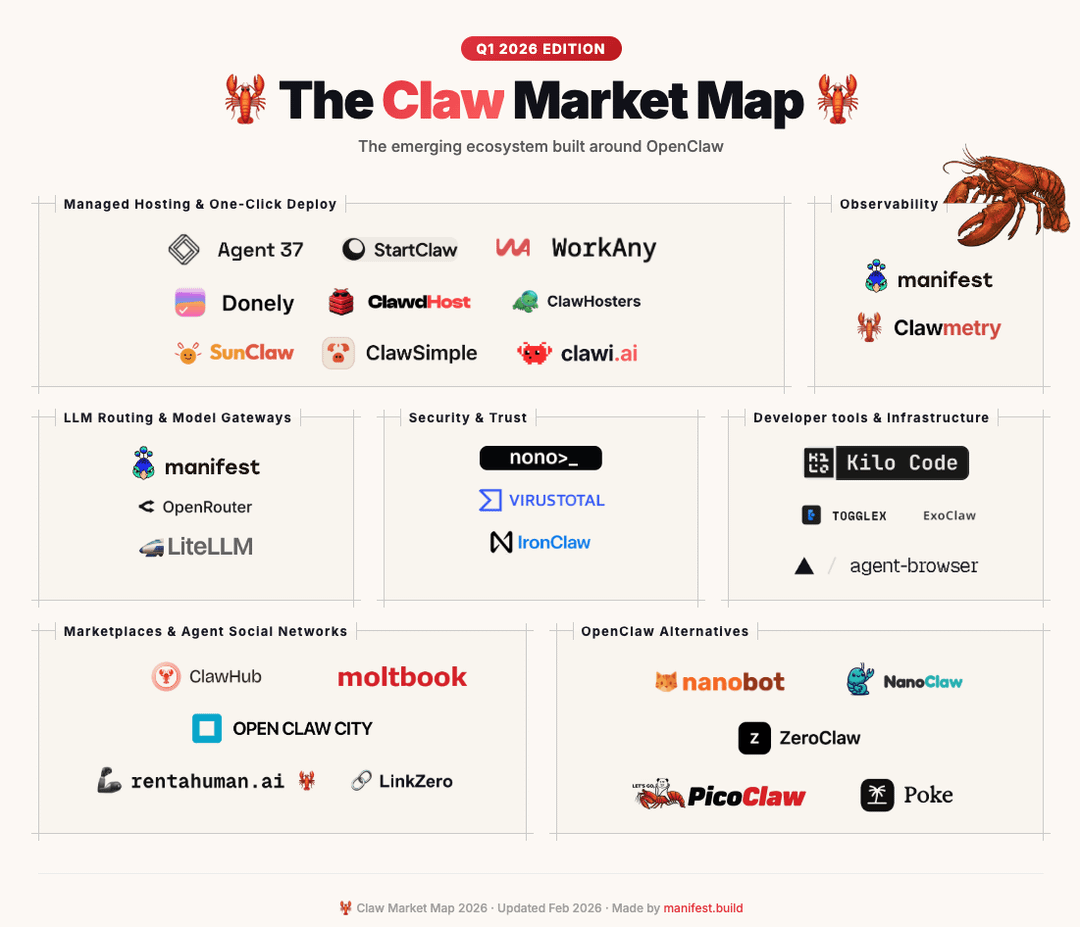
🤯 WAIT… WHAT? Someone just mapped the entire OpenClaw ecosystem… Only 60 days after launch. Already: • 230K+ GitHub stars • 116K+ Discord members • Dozens of startups forming around it Here’s what’s happening 👇
Kanika tweet media
English
57
74
527
30K
Artem Arakcheev
Artem Arakcheev@alphara·
@victorialslocum Here is an agentic AI that simplifies implementing all of these agentic patterns with no-code: x.com/milan_milanovi…
Dr Milan Milanović@milan_milanovic

𝗪𝗵𝗮𝘁'𝘀 𝘁𝗵𝗲 𝗺𝗮𝗶𝗻 𝗽𝗿𝗼𝗱𝘂𝗰𝘁𝗶𝘃𝗶𝘁𝘆 𝗸𝗶𝗹𝗹𝗲𝗿 𝗳𝗼𝗿 𝗱𝗲𝘃𝗲𝗹𝗼𝗽𝗲𝗿𝘀? Context switching. You send a colleague a "quick" Slack message. Takes you 𝟱 𝘀𝗲𝗰𝗼𝗻𝗱𝘀, but it costs them 𝟮𝟯 𝗺𝗶𝗻𝘂𝘁𝗲𝘀 to get back into deep focus. Now imagine this happening 5-10 times a day. Your best engineers aren't shipping slow. We keep breaking their flow. It takes about 𝟭𝟱 𝗺𝗶𝗻𝘂𝘁𝗲𝘀 of uninterrupted work to reach flow state. One notification can break it, even if the developer never opens it. Here is what helps: - 𝗗𝗲𝗳𝗮𝘂𝗹𝘁 𝘁𝗼 𝗮𝘀𝘆𝗻𝗰. Not everything needs an instant reply - 𝗕𝗹𝗼𝗰𝗸 𝗳𝗼𝗰𝘂𝘀 𝘁𝗶𝗺𝗲. Protect 2-4 hours for deep work daily - 𝗕𝗮𝘁𝗰𝗵 𝗾𝘂𝗲𝘀𝘁𝗶𝗼𝗻𝘀. Combine five scattered pings into one message - 𝗗𝗼𝗰𝘂𝗺𝗲𝗻𝘁 𝗮𝗻𝘀𝘄𝗲𝗿𝘀. If it's asked twice, write it down once One team I worked with blocked focus time for a month. Story completion went up 𝟯𝟱%. Bug reports dropped 𝟮𝟴%. Stop treating your team's focus like it's free. It's the most expensive resource you have.

English
0
0
0
12
Victoria Slocum
Victoria Slocum@victorialslocum·
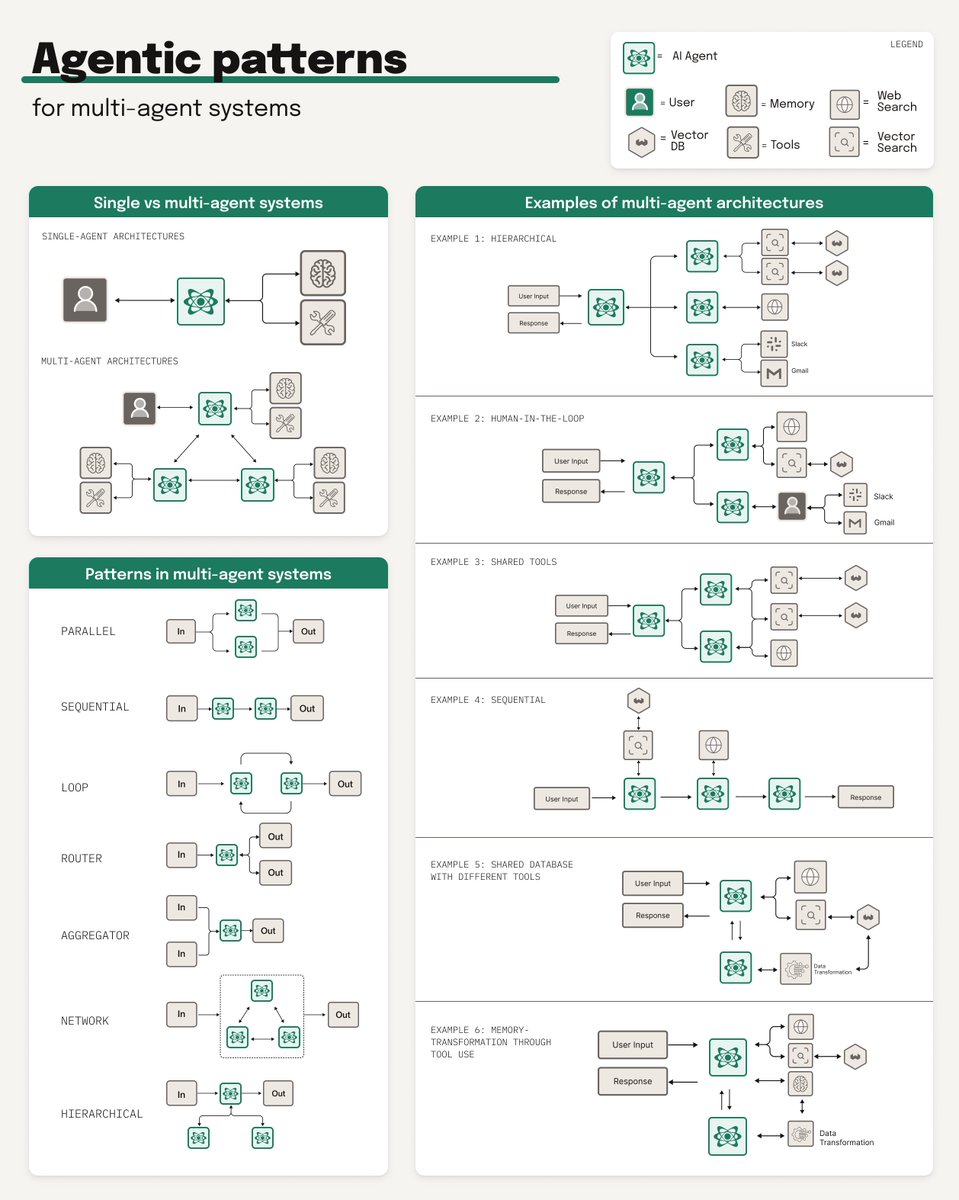
Not all 𝗺𝘂𝗹𝘁𝗶-𝗮𝗴𝗲𝗻𝘁 𝗮𝗿𝗰𝗵𝗶𝘁𝗲𝗰𝘁𝘂𝗿𝗲𝘀 are created equal. Here are six patterns that actually work in production: 1️⃣ 𝗛𝗶𝗲𝗿𝗮𝗿𝗰𝗵𝗶𝗰𝗮𝗹 One top-level agent coordinates multiple specialized sub-agents. The coordinator analyzes the query and routes it to the right specialists - one might handle proprietary internal data, another personal accounts (email, chat), another public web searches, then synthesizes the results into a coherent answer. 𝘞𝘩𝘦𝘯 𝘵𝘰 𝘶𝘴𝘦: When you need to query across different data sources that require different patterns or strategies. 2️⃣ 𝗛𝘂𝗺𝗮𝗻 𝗶𝗻 𝘁𝗵𝗲 𝗟𝗼𝗼𝗽 Critical decisions get routed to humans for approval before execution. The workflow pauses, a human validates or modifies the proposed action, then the agent continues. 𝘞𝘩𝘦𝘯 𝘵𝘰 𝘶𝘴𝘦: High-stakes decisions, regulated environments, or anywhere you need accountability and oversight. 3️⃣ 𝗦𝗵𝗮𝗿𝗲𝗱 𝗧𝗼𝗼𝗹𝘀 Each agent has its own role and focus, but they can all call the same APIs, databases, or search functions - same tools, different tasks. 𝘞𝘩𝘦𝘯 𝘵𝘰 𝘶𝘴𝘦: When the tools are general-purpose but the 𝘳𝘦𝘢𝘴𝘰𝘯𝘪𝘯𝘨 about how to use them needs to be specialized. 4️⃣ 𝗦𝗲𝗾𝘂𝗲𝗻𝘁𝗶𝗮𝗹 Agents work in a pipeline, where the output of one agent becomes the input for the next. Agent 1 retrieves documents → Agent 2 filters and ranks → Agent 3 synthesizes the final answer. 𝘞𝘩𝘦𝘯 𝘵𝘰 𝘶𝘴𝘦: When your workflow has clear stages where you need specialized expertise at each step. 5️⃣ 𝗦𝗵𝗮𝗿𝗲𝗱 𝗗𝗮𝘁𝗮𝗯𝗮𝘀𝗲 𝘄𝗶𝘁𝗵 𝗗𝗶𝗳𝗳𝗲𝗿𝗲𝗻𝘁 𝗧𝗼𝗼𝗹𝘀 All agents access the same underlying database (like a vector store), but each has different specialized tools for 𝘸𝘩𝘢𝘵 they do with that data. One agent might have tools for semantic search, another for data transformation. 𝘞𝘩𝘦𝘯 𝘵𝘰 𝘶𝘴𝘦: When you have a centralized knowledge base but need different types of operations performed on it. 6️⃣ 𝗠𝗲𝗺𝗼𝗿𝘆 𝗧𝗿𝗮𝗻𝘀𝗳𝗼𝗿𝗺𝗮𝘁𝗶𝗼𝗻 Agents that modify data in place within the database. This allows agents to not just retrieve but actively maintain and update the knowledge base. 𝘞𝘩𝘦𝘯 𝘵𝘰 𝘶𝘴𝘦: When your data needs continuous enrichment, cleanup, or transformation as part of the agentic workflow. The reality is that most production systems use 𝗵𝘆𝗯𝗿𝗶𝗱 𝗮𝗽𝗽𝗿𝗼𝗮𝗰𝗵𝗲𝘀 combining multiple patterns. You might have a hierarchical coordinator that routes to sequential pipelines, with human-in-the-loop gates at critical decision points, all working with a shared database. Learn more about building multi-agent systems in our ebook: weaviate.io/ebooks/agentic… Or check out @weaviate_io Agent Skills to start building: weaviate.io/blog/weaviate-…
Victoria Slocum tweet media
English
39
118
697
40.4K
Akshay 🚀
Akshay 🚀@akshay_pachaar·
MCP vs. Skills for AI agents, clearly explained! People treat MCP and Skills like they're the same thing. They're not. Conflating them is one of the most common mistakes I see when people start building AI agents seriously. So let's break both down from scratch. Before MCP existed, connecting an AI model to an external tool meant writing custom integration code every single time. 10 models, 100 tools? That's 1,000 unique connectors to build and maintain. The AI tooling ecosystem was a tangled mess of one-off glue code. MCP (Model Context Protocol) fixes this with a shared communication standard. Every tool becomes a "server" that exposes what it can do. Every AI agent becomes a "client" that knows how to ask. They talk through structured JSON messages over a clean, well-defined interface. Build a GitHub MCP server once, and it works with Claude, ChatGPT, Cursor, or any other agent that speaks MCP. That's the core value: write the integration once, use it everywhere. But here's where most explanations stop short. MCP solves the *connection* problem. It does not solve the *usage* problem. You can hand an agent 50 perfectly wired MCP tools and it'll still underperform if it doesn't know when to call which tool, in what order, and with what context. That's the gap Skills fill. A Skill is a portable bundle of procedural knowledge. Think of a SKILL. md file that tells an agent not just "here are your tools" but "here's how to use them for this specific task." A writing skill bundles tone guidelines and output templates. A code review skill bundles patterns to check and rules to follow. MCP gives the agent hands. Skills give it muscle memory. Together, they form the full capability stack for a production AI agent: - MCP handles tool connectivity (the wiring layer) - Skills handle task execution (the knowledge layer) - The agent orchestrates both using its context and reasoning This is why advanced agent setups increasingly ship both: MCP servers for integrations and SKILL. md files for domain expertise. If you're building with agents, I have shared a repository of 85k+ skills that you can use with any agent, link in the next tweet!
GIF
English
129
272
1.4K
132.5K
Jacob Klug
Jacob Klug@Jacobsklug·
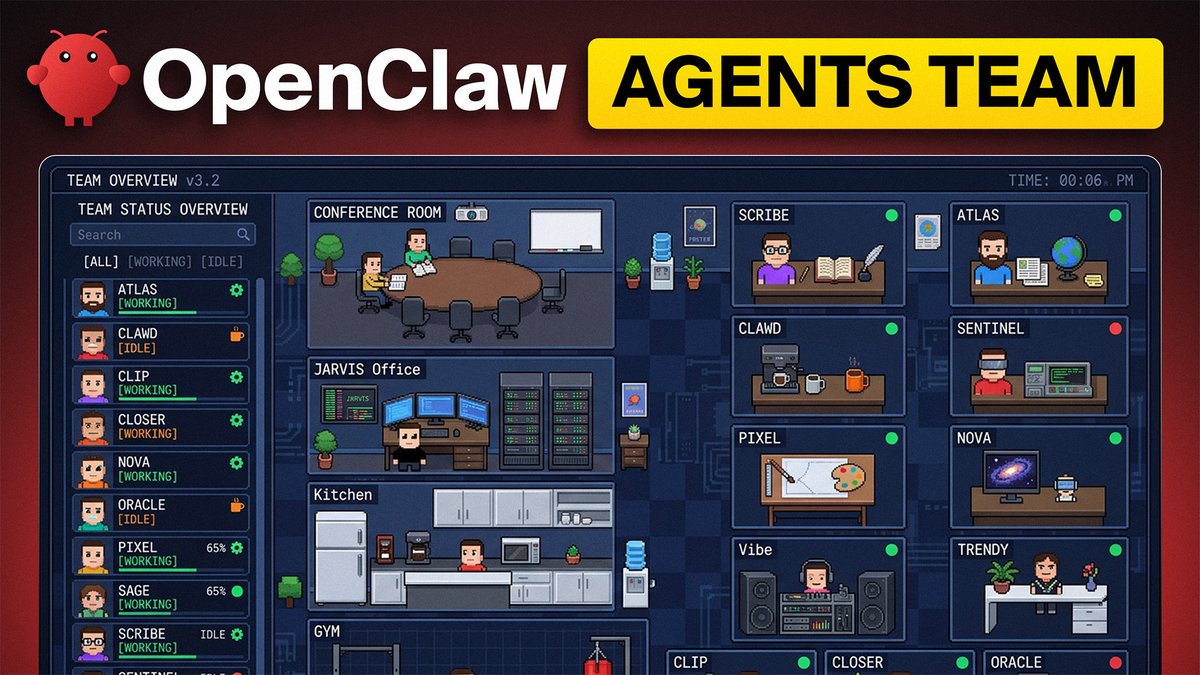
This army of @openclaw agents runs an entire company for $400/month. Here's the exact structure to follow. (bookmark for later) 1/ Core → Jarvis (the brain) → Model: Opus 4.6 via Claude Max OAuth → Routes every task to the right sub agent automatically. YouTube URL comes in, it goes to Clipper. Research report lands, it goes to Scribe. All task routing logic lives in structured MD files the agent reads from. 2/ Research → Atlas (deep research analyst) → Model: Claude via OAuth → APIs: Brave Search, X API, FireCrawl → Cron: Every 1 hour → Runs deep research across X, Reddit, and the web nonstop. Trained on MrBeast's virality framework from every podcast he did on YouTube analytics, plus Dan Koe's viral article structure. Outputs research reports and a master virality playbook MD file that the content team pulls from. 3/ Content → Scribe (copywriter) → Model: GLM 5 → Cron: Every 3 hours → Takes research from Atlas and writes draft posts matched to the founder's voice and style. → Trendy (trend scout) → Model: GLM 4.7 → APIs: X API → Cron: Every 2 hours → Scans X and Reddit for trending topics and viral patterns. Reports findings back so Scribe can write timely content around what's working right now. 4/ Design → Image Designer → Model: Nano Banana Pro (Google API) → Generates images on demand. → Video Producer → Models: Higgs Field API + Brok Imagine API → Creates AI UGC videos and video content. → Motion Designer → Model: Claude Code (OAuth) + Remotion → Produces motion graphics and animated content. 5/ Development → Clawed (senior developer) → Models: Claude Code (OAuth) + Codex 5.3 (API) → Cron: Every night at 11pm → Reviews entire codebase, identifies what's missing, and ships pull requests by morning. First feature it ever built was a FAQ section it realized the homepage needed. Spins up multi agents within Claude Code so one reviews, one builds, one handles security in parallel. → Sentinel (code reviewer + bug monitor) → Model: Separate LLM (acts as second review layer) → Cron: Every 2 hours → Reviews all pull requests from Clawed before anything gets merged to GitHub. Also monitors production for user reported bugs and errors. 6/ Growth → Atlas + Scribe working together → Atlas finds Reddit threads where people complain about competitors or ask for clipping tool recommendations. Scribe drafts responses. The founder copies and posts. This workflow alone drove 450+ users to the SaaS with zero ad spend. 7/ Operations → Clipper (clipping agent) → APIs: Poster API → On demand (triggered by Jarvis when a YouTube URL is pasted) → Takes YouTube URLs, clips them, adds captions, and auto schedules posts to social channels. → Ryder (9 to 5 support) → On demand → Handles tasks for the founder's day job. Article writing, research, daily work support. The breakdown: 6 agents run on Claude models. The rest run on cheaper API credits across GLM, Higgs Field, Brok Imagine, and others. This is how solo founders are running entire companies now. The team is already built. You just have to set it up.
Jacob Klug tweet media
English
168
378
2.7K
308.9K
Artem Arakcheev
Artem Arakcheev@alphara·
AI agents don’t forget — they have layered memory. • Configs & maps → DB • Conversations → DB • Files → disk • Runtime → KV in DB • Logs & metrics • HyperAgent packages • Blockchain records Memory = infrastructure github.com/vuics/h9y #AI #AIAgents #AgenticAI
Artem Arakcheev tweet media
English
0
0
0
34
Secretary of War Pete Hegseth
This week, Anthropic delivered a master class in arrogance and betrayal as well as a textbook case of how not to do business with the United States Government or the Pentagon. Our position has never wavered and will never waver: the Department of War must have full, unrestricted access to Anthropic’s models for every LAWFUL purpose in defense of the Republic. Instead, @AnthropicAI and its CEO @DarioAmodei, have chosen duplicity. Cloaked in the sanctimonious rhetoric of “effective altruism,” they have attempted to strong-arm the United States military into submission - a cowardly act of corporate virtue-signaling that places Silicon Valley ideology above American lives. The Terms of Service of Anthropic’s defective altruism will never outweigh the safety, the readiness, or the lives of American troops on the battlefield. Their true objective is unmistakable: to seize veto power over the operational decisions of the United States military. That is unacceptable. As President Trump stated on Truth Social, the Commander-in-Chief and the American people alone will determine the destiny of our armed forces, not unelected tech executives. Anthropic’s stance is fundamentally incompatible with American principles. Their relationship with the United States Armed Forces and the Federal Government has therefore been permanently altered. In conjunction with the President's directive for the Federal Government to cease all use of Anthropic's technology, I am directing the Department of War to designate Anthropic a Supply-Chain Risk to National Security. Effective immediately, no contractor, supplier, or partner that does business with the United States military may conduct any commercial activity with Anthropic. Anthropic will continue to provide the Department of War its services for a period of no more than six months to allow for a seamless transition to a better and more patriotic service. America’s warfighters will never be held hostage by the ideological whims of Big Tech. This decision is final.
English
10.3K
11K
70.5K
13.3M
Marry claire
Marry claire@Marryclaire_AI·
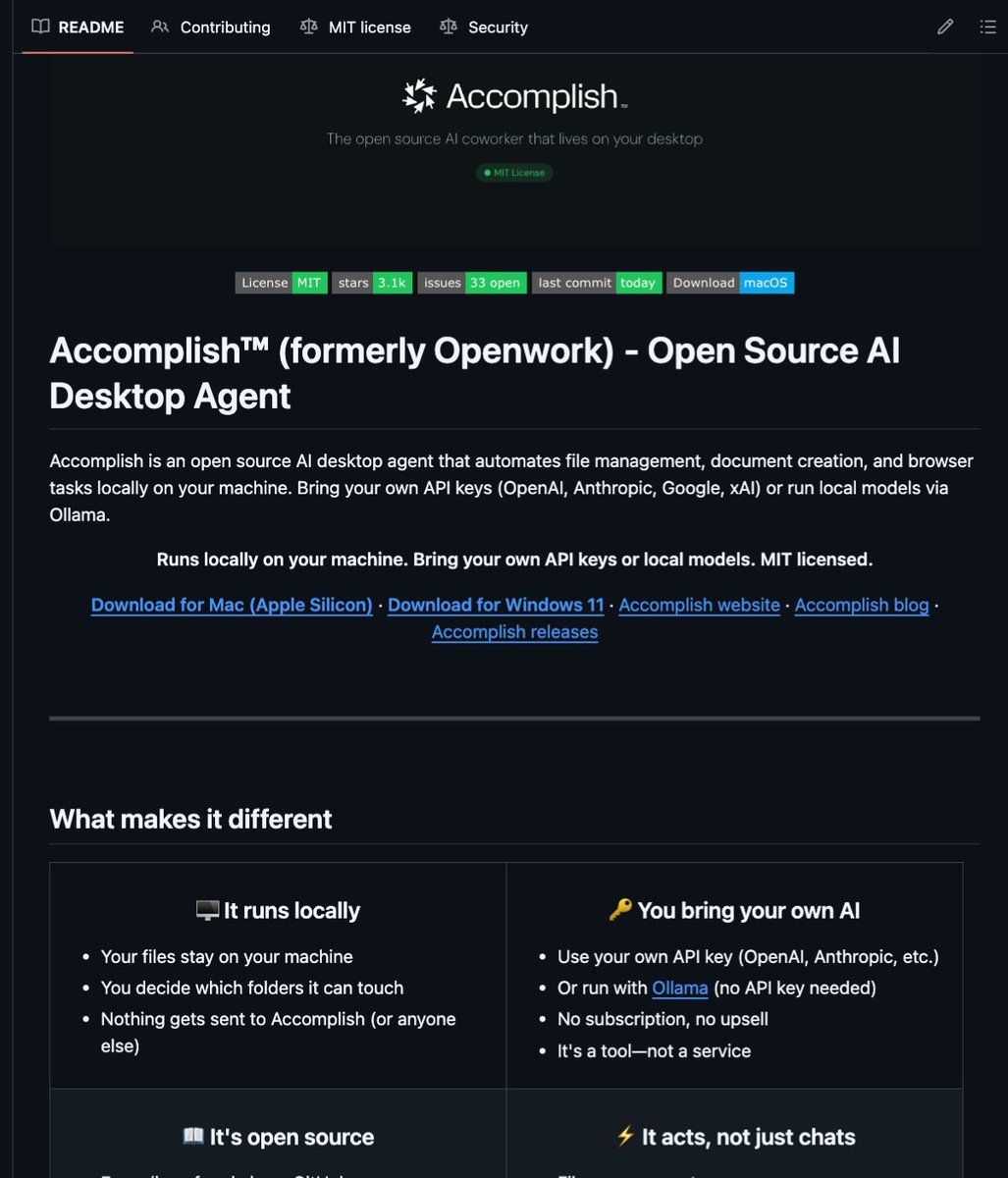
BREAKING: An anonymous dev on GitHub just built an AI that codes and browses the web at the same time. It's called Accomplish and it runs locally without burning through API credits. No Claude Desktop. No Cursor. No monthly subscriptions. 100% Opensource.
Marry claire tweet media
English
71
247
1.6K
137.6K
Vadim
Vadim@VadimStrizheus·
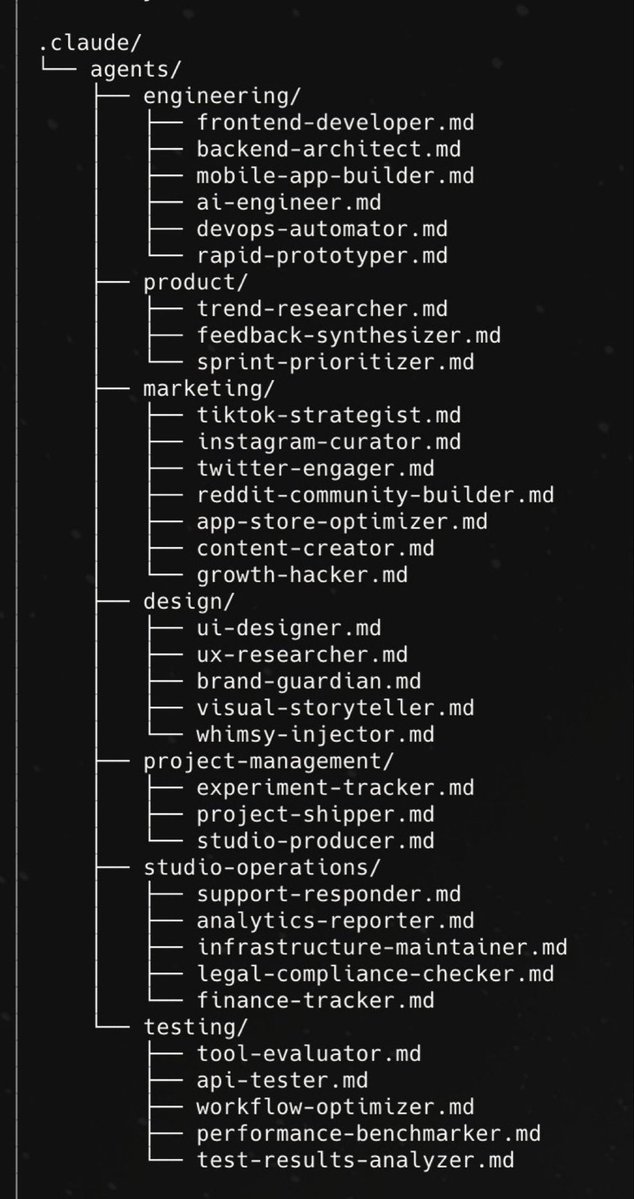
this is what a company looks like in 2026. not people. not offices. not salaries. a folder. .claude/agents/ engineering/ marketing/ design/ ops/ testing/ every role. every department. every function. all .md files. i have 12 of these running in OpenClaw right now. the org chart is dead. the directory is the new company.
Vadim tweet media
English
413
634
6.3K
716.6K