altonio

34.7K posts

altonio banner
altonio

altonio

@altobonde

Katılım Temmuz 2009
105 Takip Edilen32 Takipçiler
altonio retweetledi
sutiฯ
sutiฯ@sfkkfs_·
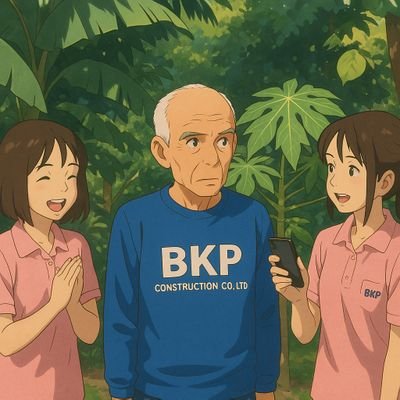
ตลกกก 55555555 คนไทยไปเรื่อยเก่งมากก
sutiฯ tweet media
ไทย
29
32.4K
20.8K
606.1K
Anaya
Anaya@Anaya_sharma876·
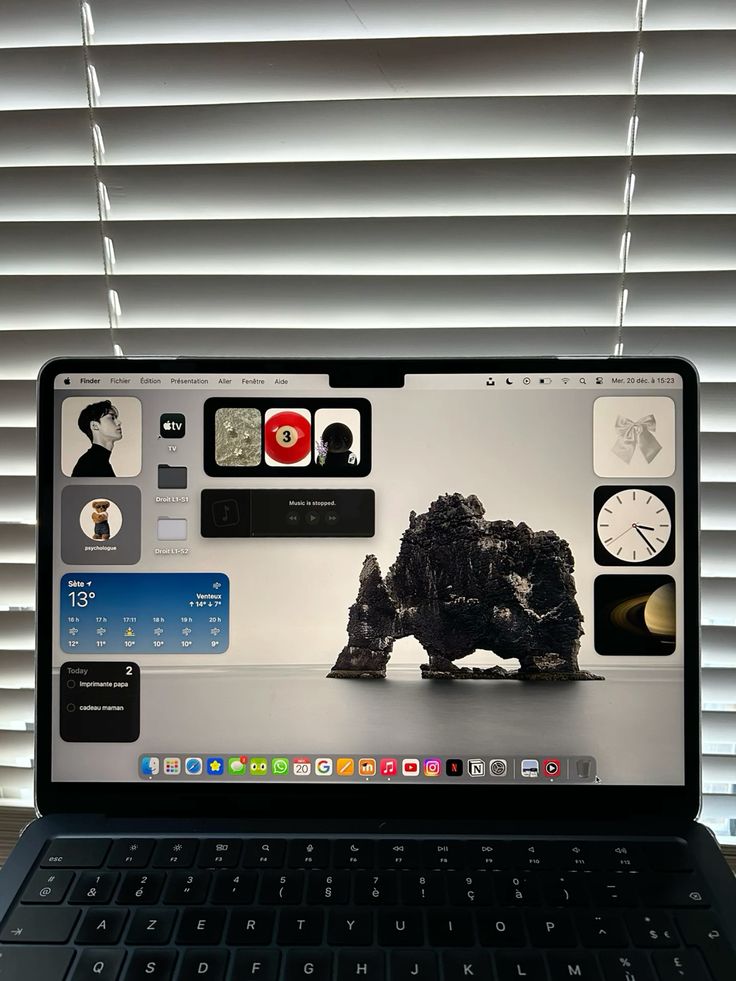
if you had to choose a laptop for coding... MacBook Neo or MacBook Air, which one would you choose??
Anaya tweet mediaAnaya tweet media
English
95
4
391
22.4K
altonio
altonio@altobonde·
Buying a #MacBook is one of my best investment ever!
English
0
0
0
9
altonio
altonio@altobonde·
@AbhiCodes15 I move them to the Notification Center instead. It looks more clean. 🤓
English
0
0
0
16
Abhi
Abhi@AbhiCodes15·
Clean setup… do you actually use widgets or just for looks? 👀
Abhi tweet media
English
24
10
321
3.7K
altonio retweetledi
𝐥𝐨𝐥𝐨𝐧𝐠
𝐥𝐨𝐥𝐨𝐧𝐠@lolong___·
เมื่อมีคนบอกว่าGENใหม่ตายไปเป็นผี จะน่ากลัวกี่โมง อิสัสแล้วแต่ละเม้นกูขำเยี่ยวแตกปิ๊ดออกมาเลย 55555555555
𝐥𝐨𝐥𝐨𝐧𝐠 tweet media
ไทย
32
60.7K
40.3K
1.4M
altonio retweetledi
KHUN
KHUN@khun101010·
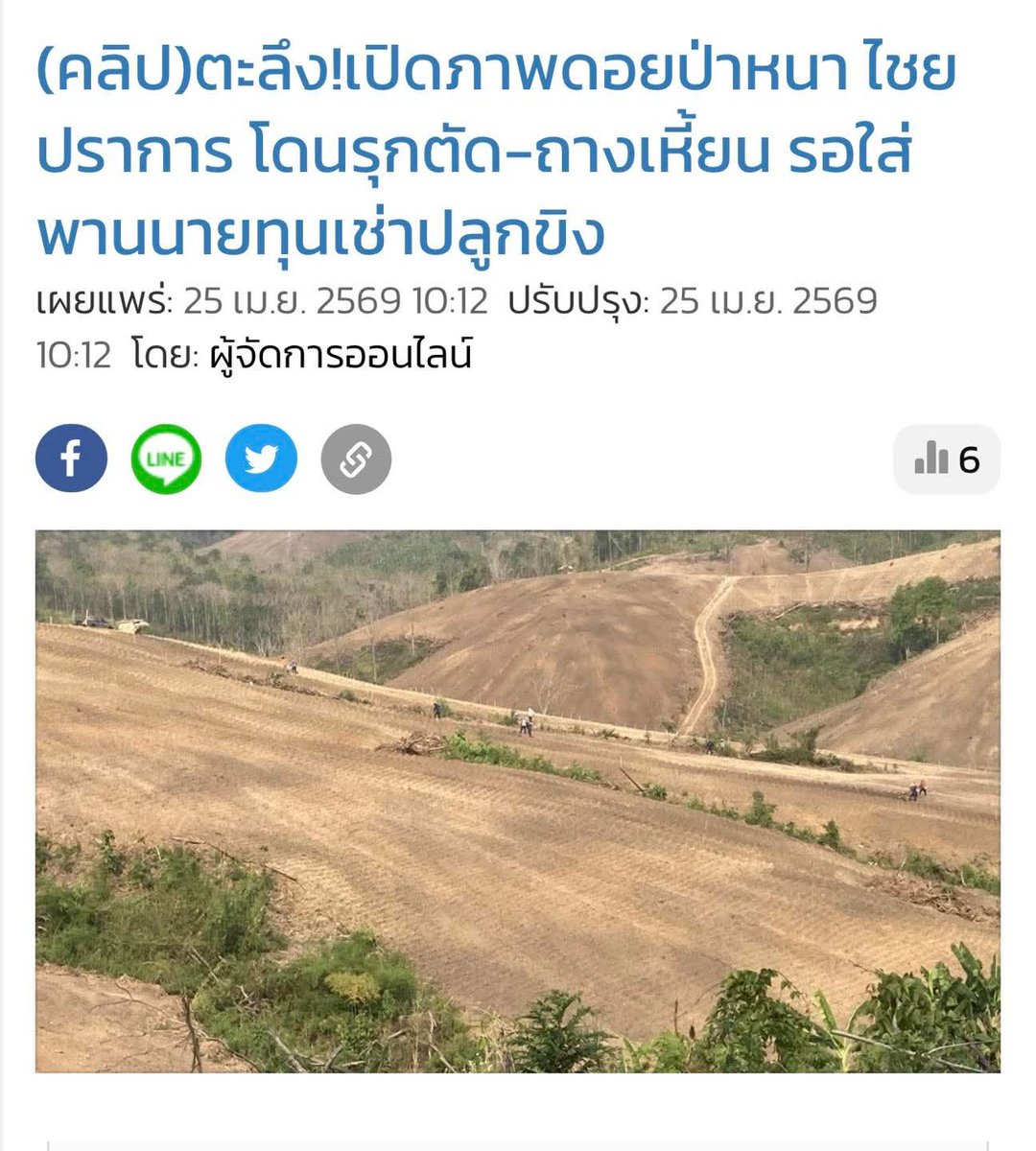
สูตรสำเร็จความฉิบหาย​ ฝุ่นพิษ + ภัยแล้ง​ + น้ำท่วม​ เราจะอยู่กับมันไปอีกนานแสนนาน
KHUN tweet media
ไทย
10
4K
1.2K
46.5K
altonio
altonio@altobonde·
@losarcell @khajochi เพราะมันถูกและคุณภาพดีด้วยครับ มันถึงขายดี
ไทย
0
0
1
307
LOSAR CELL
LOSAR CELL@losarcell·
@khajochi มันขายดีเพราะราคาถูกครับ ไม่ใช่เพราะมันดีอะไร แรมก็แค่ 8 GB
ไทย
4
0
2
1.2K
khajochi
khajochi@khajochi·
ผ่านไปกว่าเดือน ทุกวันนี้ยังหาซื้อ MacBook Neo ยากอยู่เลย ในเว็บคือสั่งวันนี้ได้ของอีกทีปลายเดือนหน้าเลย คุยกับน้องในร้านบอกไม่เคยเห็น MacBook ตัวไหนขายดีเท่านี้มาก่อนเลย
khajochi tweet media
ไทย
2
178
237
34.6K
altonio retweetledi
ทีมชัชชาติ
ทีมชัชชาติ@teamchadchart·
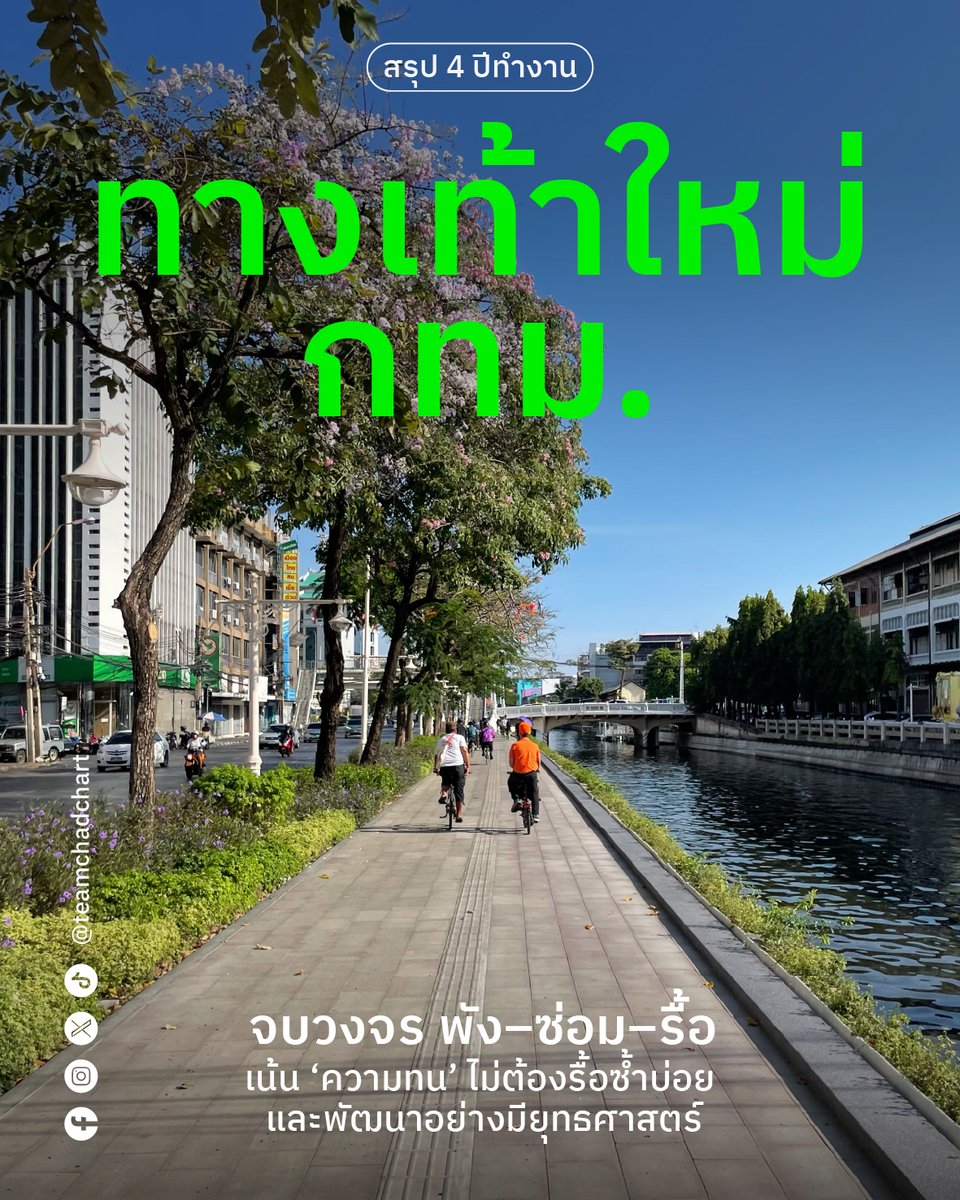
เดี๋ยวทำ เดี๋ยวพัง เดี๋ยวรื้อ อาจเป็นภาพจำที่หลายคนมีต่อทางเท้า กทม. แต่จากการ ‘ยกเครื่อง’ ทางเท้าในช่วง 4 ปีที่ผ่านมานี้ เชื่อว่าวัฏจักรข้างต้นจะเปลี่ยนไป เพราะเป็นการทำใหม่ที่เน้นความคงทน พร้อมอัปเกรดมาตรฐานหลายด้านควบคู่ไปกับการทำทางเท้าอย่างมียุทธศาสตร์ #สรุป4ปีทำงาน
ทีมชัชชาติ tweet mediaทีมชัชชาติ tweet mediaทีมชัชชาติ tweet media
ไทย
14
1.2K
788
51.8K
altonio retweetledi
Sopon Supamangmee
Sopon Supamangmee@sopons·
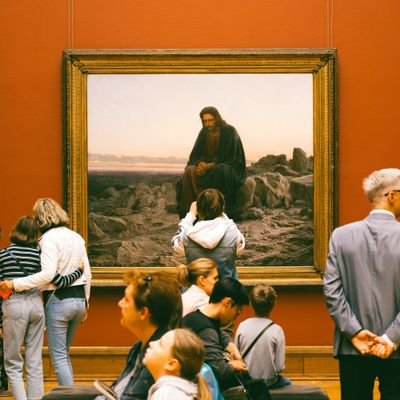
สิ่งที่ยากที่สุดในยุคสมัยปัจจุบันคือการหุบปากเงียบ . เพิ่งคุยกับลูกสาวเรื่องนี้ระหว่างคุยกันช่วงบ่ายวันหยุด เพราะเธอเริ่มโตมากขึ้นและมีความคิดเห็นของตัวเองกับหลายๆ เรื่อง (ซึ่งเป็นเรื่องดี) เพียงแต่บางจังหวะเขาจะโพล่งออกมาโดยไม่ทันยั้งคิดว่าความเห็นนั้นมันจะไปทำร้ายจิตใจใครไหม บางทีมันเต็มไปด้วยอารมณ์มากกว่าเหตุผล หรือบางครั้งเราอาจจะยังไม่เข้าใจครบทุกมุมก็ได้ . ยิ่งเฉพาะปัจจุบันเมื่อทุกคนมีพื้นที่ให้แสดงความคิดเห็นอย่างเสรี แม้นั่นเป็นเรื่องที่ดี แต่คนมักลืมว่าเราไม่จำเป็นต้องมีความเห็นกับทุกเรื่อง . Ryan Holiday นักเขียนและนักปรัชญาสโตอิกชื่อดัง เคยเขียนไว้ว่า . “ไม่มีคนกี่คนหรอกที่เข้าใจสิ่งนี้... แต่จริงๆ แล้วคุณไม่จำเป็นต้องมีความเห็นกับทุกเรื่อง คุณไม่จำเป็นต้องตัดสินว่าสิ่งไหนดีหรือไม่ดี Marcus Aurelius บอกว่าการจำกัดจำนวนความเห็นที่เรามีคือหนึ่งในสิ่งที่ทรงพลังที่สุดที่เราทำได้ในชีวิต" . แต่ถ้าการมีความเห็นน้อยลงคือทางเลือก ทางเลือกนั้นต้องการอะไรจากเรากันแน่? . ลองนึกถึงครั้งสุดท้ายที่คุณมีความเห็นต่อบางเรื่องแบบสุดๆ ไม่ว่าจะเป็นการเมือง เศรษฐกิจ ข่าวที่กำลังร้อน หรือแม้แต่พฤติกรรมของคนรู้จัก แล้วถามตัวเองจริงๆ ว่า "ฉันรู้เรื่องนี้ดีพอที่จะตัดสินไหม?" . คำตอบที่ซื่อสัตย์มักจะเป็น ‘ไม่’ แต่เราก็ยังตัดสินอยู่ดี เพราะการตัดสินให้ความรู้สึกว่าเราเข้าใจโลก และการเข้าใจโลกให้ความรู้สึกว่าเราปลอดภัย . มันไม่ใช่ความรู้ มันคือ ‘ความรู้สึกว่ารู้’ และนั่นคือสิ่งที่อันตรายที่สุด . Charlie Munger นักลงทุนคู่หูของ Warren Buffett เคยพูดในสุนทรพจน์ที่ USC Law School เมื่อปี 2007 ว่า . “ฉันไม่รู้สึกว่าตัวเองมีสิทธิ์มีความเห็นในเรื่องใดก็ตาม ถ้าฉันยังไม่สามารถอธิบายข้อโต้แย้งของฝั่งตรงข้ามได้ดีกว่าคนที่สนับสนุนมันเสียอีก ฉันคิดว่าตัวเองพร้อมจะพูดก็ต่อเมื่อถึงจุดนั้นแล้วเท่านั้น” . ลองอ่านช้าๆ อีกครั้งครับ . ชายที่ถูกยกให้เป็นหนึ่งในคนที่ชาญฉลาดและสร้างความมั่งคั่งมหาศาลจากการตัดสินใจอันแน่วแน่ บอกว่าเขาจะไม่ยอมให้ตัวเองมีความเห็น ถ้ายังไม่เข้าใจฝั่งตรงข้ามดีกว่าคนที่เชื่อในฝั่งนั้น . นั่นคือมาตรฐานที่น่ายกย่อง ไม่ใช่ความอ่อนแอ ไม่ใช่ความลังเล แต่คือวินัยทางสติปัญญาที่เราต้องหมั่นฝึกฝน . แล้วทำไมเราถึงรีบมีความเห็นกันละ? . สมองของมนุษย์ไม่ได้ถูกสร้างมาเพื่อความจริง มันถูกสร้างมาเพื่อ ‘ความเร็ว’ . ในสมัยที่เรายังเป็นมนุษย์หิน การตัดสินใจเร็วคือทางรอด สมองจึงพัฒนาระบบที่นักจิตวิทยาเรียกว่า Cognitive Closure หรือความต้องการปิดคำถามให้เร็วที่สุด . กล่าวคือ เราไม่ได้อยากรู้ความจริง เราแค่อยากหยุดความไม่สบายใจจากความไม่รู้ และความเห็นก็คือฝาปิดที่รวดเร็วที่สุดสำหรับคำถามที่ยังคาใจ . Munger เรียกสิ่งที่เขาทำว่า ‘Iron Prescription’ หรือ "ยาขม" มันไม่ใช่การสำรวมตัวเองว่าห้ามคิด หรือห้ามมีความเห็น แต่คือการยกมาตรฐานความเห็นของตัวเองให้สูงขึ้น ก่อนที่คุณจะตัดสินว่าใครถูกหรือผิด ให้ถามก่อนว่า "ฉันเข้าใจเหตุผลของเขาดีพอไหม ที่จะอธิบายแทนเขาได้อย่างยุติธรรม?" . ถ้าตอบว่าไม่ นั่นอาจจะหมายถึงว่าคุณควรหุบปากเงียบเอาไว้ดีกว่า . และนั่นคือความกล้าหาญแบบหนึ่ง ที่หายากกว่าการกล้าพูดเสียอีก เพราะสิ่งที่เกิดขึ้นเมื่อคุณหยุดรีบมีความเห็นคือคุณจะเริ่มฟังมากขึ้น ไม่ใช่ฟังเพื่อโต้แย้ง แต่ฟังเพื่อเข้าใจ คุณจะเริ่มถามมากขึ้น ไม่ใช่ถามเพื่อโจมตี แต่ถามเพื่อเติมเต็มภาพที่ยังขาด และสิ่งที่น่าแปลกใจที่สุดคือ เมื่อคุณเลือกที่จะบอกว่า “ยังไม่รู้” อย่างมีสติ คุณกลับรู้จริงมากกว่าคนที่รีบรู้ทุกเรื่อง . ในยุคที่ทุกคนแข่งกันมีความเห็น การหยุดแล้วถามว่า "ฉันรู้พอที่จะตัดสินไหม?" ไม่ใช่ความอ่อนแอ มันคือสัญลักษณ์ของจิตใจที่แก่กล้า ที่รู้ว่าบางคำถามคู่ควรกับความเงียบมากกว่าคำตอบที่รีบพูดออกมาโดยไม่ทันคิด . ความเห็นที่ดีที่สุดในชีวิต บางทีคือความเห็นที่คุณเลือกจะยังไม่มี . - โสภณ ศุภมั่งมี
Sopon Supamangmee tweet media
ไทย
7
4.5K
3.6K
220.5K
altonio retweetledi
Catter
Catter@Catter65422769·
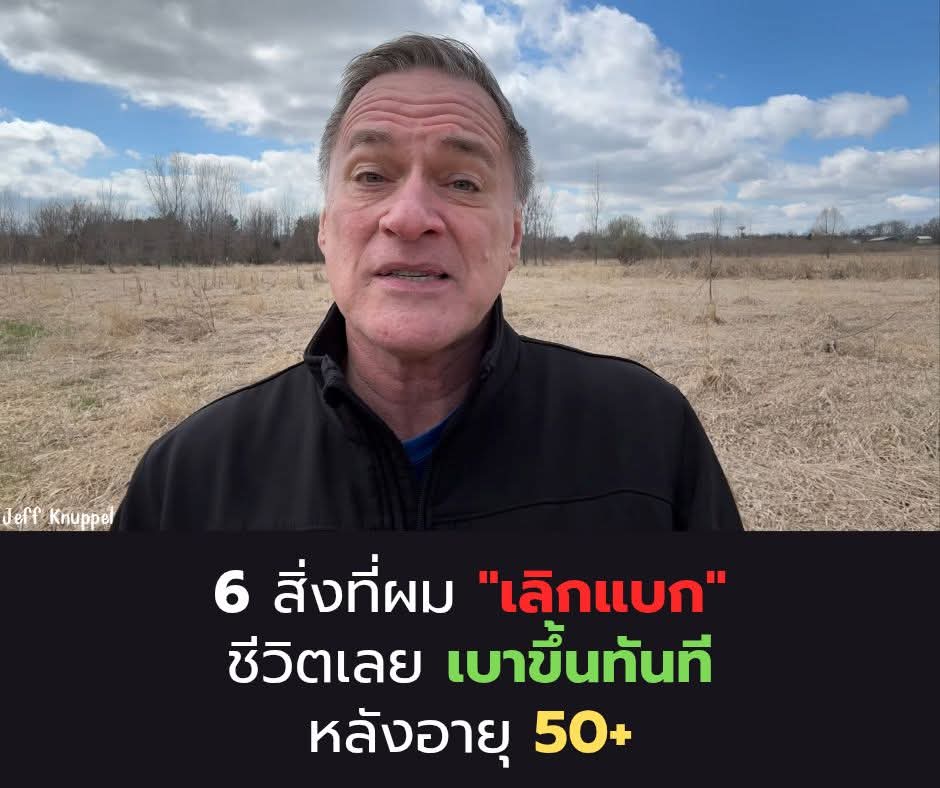
"6 Things I Cut From My Life After 50" 6 สิ่งที่ผม "เลิกแบก" ชีวิตเลย เบาขึ้นทันที หลังอายุ 50+ 1. เลิกกังวลถึงสายตาคนอื่น (Worrying about what people think of my choices) - ทำไมเราถึงเคยทำ: เพราะตั้งแต่เด็กเราถูกสอนให้เข้าสังคม การทำตัวกลมกลืน (Stay in the lane)
Catter tweet media
ไทย
1
1.4K
2K
132.8K
altonio retweetledi
Tonno
Tonno@TonsTweetings·
สำหรับคนที่ท้อ หรือคนที่เหนื่อยทุกคน การที่เราคอยจดบันทึกสิ่งดีๆ รอบตัว ที่เคยเกิดขึ้นกับตัวเราเอง หรือทำให้เรารู้สึกดี แล้วเอากลับมาอ่าน หรือทบทวน มันมีผลดีต่อสมองจริงๆ จากการทดลอง อย่าลืมครับ อะไรก็ได้ ทบทวนไป be grateful วันนี้มีคนเปิดประตูให้ ฯลฯ x.com/thecurioustale…
The Curious Tales@thecurioustales

🚨BREAKING: 8 weeks of gratitude practice physically rebuilds the neural pathways between your memory and reward centers. Your brain physically rewires itself every time you feel grateful. Eight weeks of intentional gratitude practice creates measurable structural changes in the neural pathways connecting your hippocampus to your ventral tegmental area. The memory center starts talking to the reward center in a fundamentally different way. New synaptic connections form. Existing ones strengthen. The physical architecture of how you process positive experiences rebuilds itself. Most people approach gratitude like a mood they can choose to feel. A psychological vitamin they remember to take when life gets difficult. The neuroscience reveals something far more profound. Gratitude is a biological intervention that sculpts brain tissue. Researchers tracked participants practicing gratitude exercises for two months using brain scans. They watched new neural highways construct themselves in real time. The anterior cingulate cortex developed stronger connections to the medial prefrontal cortex. The brain learned to route positive emotional experiences through higher order thinking centers instead of storing them as fleeting feelings. Every positive experience you’ve ever had exists as a neural trace in your memory network. Most sit dormant, accessible only when something external triggers the specific sensory combination that originally encoded them. You smell coffee, suddenly remember a conversation from years ago. Random. Unreliable. Outside your control. Gratitude practice systematically rewires that retrieval system. After two months, participants could voluntarily access positive memories with increasing ease. Their brains had built stronger pathways between memory storage areas and emotional processing centers. They experienced deeper emotional resonance during memory retrieval. The quality of remembering itself had improved. The participants also started noticing positive details in their present environment they had previously filtered out. Their attention systems recalibrated. The same neural pathways pulling positive memories forward were scanning current experiences more thoroughly for elements worth encoding as positive memories. Their brains became biased toward collecting evidence that life contains meaningful moments. Most cognitive interventions try to change how you interpret negative experiences. Gratitude practice changes how thoroughly you notice positive ones. It teaches your visual and emotional processing systems to detect opportunities and pleasures that were always present but neurologically invisible. The timeline reveals something crucial about neural plasticity. Weeks one through three showed minimal structural changes. Participants felt slightly more positive, but brain scans looked identical to baseline. Weeks four through six showed the first measurable increases in gray matter density. Weeks seven and eight revealed entirely new neural network formation. Two months. Your nervous system can physically restructure itself with consistent practice. The method was almost embarrassingly simple. Participants wrote down three specific things they felt grateful for every evening, explaining why each mattered. No meditation apps. No guided visualizations. Just pen, paper, and the requirement to identify gratitude targets with enough detail that their brains had to actively search for positive elements. Specificity drives the neural development. General statements like “I’m grateful for my family” generate different brain activity than precise observations like “I’m grateful my daughter laughed at my terrible joke during dinner because it showed me she still finds me funny despite growing more independent.” The brain needs detailed targets to practice connecting memory specifics to emotional rewards. After eight weeks, participants developed a fundamentally different relationship with their attention and memory systems. Someone whose brain automatically scans for and emotionally amplifies aspects of experience that make existence feel worthwhile. The neural pathways remain permanent after practice ends. Gratitude carves lasting roads through consciousness.

ไทย
1
2.9K
3.4K
238.7K
altonio retweetledi
KHUN
KHUN@khun101010·
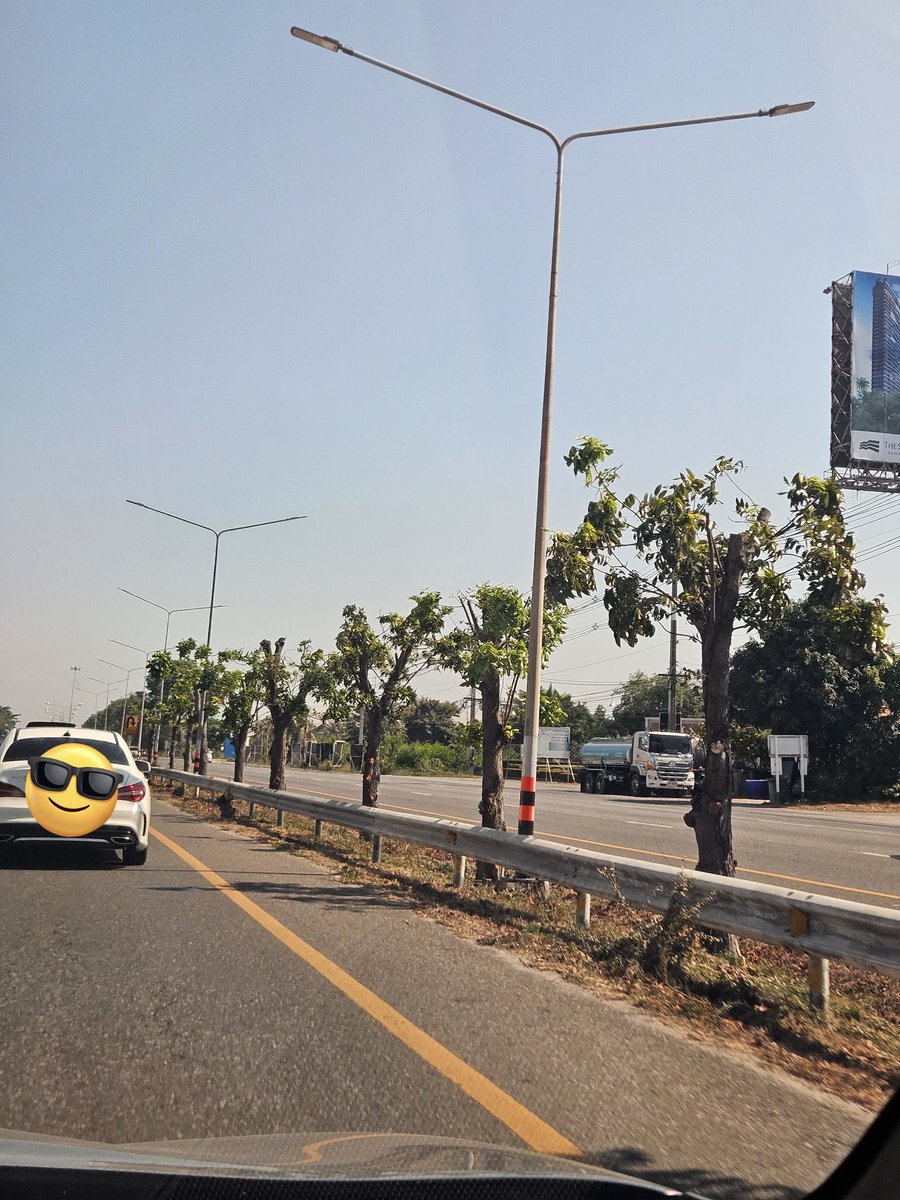
แก้ไม่หายจริงๆ​ สันดาน​ตัดต้นไม้​โง่ๆ​ พิกัด​ถนนสุขุมวิท​แถวชลบุรี​ เลยตลาดหนองมนไปจนก่อนถึงบางพระ​ ตัดทั้งเส้น​ olo
KHUN tweet mediaKHUN tweet media
ไทย
51
2.1K
1.2K
460.2K
altonio retweetledi
😭🥹 Fang_Vaizaddd | CM1@F35-36(SAT) 😭🥲
แล้วทำไมที่แดงสุดในแมพต้องเป็นประเทศกุวะ555555555555555555555555555
ไทย
2
36.9K
16.3K
1.3M
altonio retweetledi
Austin Rose lll🍊🧡
Austin Rose lll🍊🧡@natlamborghini1·
เกี่ยวดิ...เพราะต้องจ่ายเงินค่าแฟรนไชส์ให้PT #Boycottpt
Austin Rose lll🍊🧡 tweet media
ไทย
82
5.8K
2.6K
275.4K
altonio retweetledi
ศุภณัฐ มีนชัยนันท์ Suphanat Minchaiynunt
รมต.พิพัฒน์ตรรกะพังมากครับ ❌ไม่ลดภาษีสรรพสามิต เพราะกลัวรายได้รัฐบาลลด และงบปี 70 ที่รัฐบาลจะใช้ได้จะน้อย ✅แต่เลือกใช้กองทุนน้ำมันมาอุดหนุนแทน แล้วพอน้ำมันลงค่อยไปบวกเงินคืนจากประชาชน เพื่อชดเชยกองทุน สรุปคือ รัฐบาลเลือกให้ประชาชนรับภาระ-เป็นหนี้ในอนาคต‼️ แทนที่ตัวเองจะรับภาระแทนประชาชน โดยการรัดเข็มขัด-ลดรายจ่ายที่ไม่จำเป็นลง ถ้าผู้บริหารประเทศคิดแบบนี้ ไม่สมควรมาบริหารประเทศครับ #จะช่วยประชาชนกี่โมง
เรื่องเล่าเช้านี้@MorningNewsTV3

"พิพัฒน์" เผยความคิดเห็นส่วนตัว ยันไม่ลดภาษีสรรพสามิต แต่จะกู้กองทุนมาซัปพอร์ตแทน เมื่อเข้าสู่สภาวะปกติจะดูดเงินจากตลาดกลับคืนสู่กองทุน ไม่กระทบรายได้ของประเทศ ด้าน "กรณ์-พีระพันธุ์" ซัดแรง เหมือนผลักภาระให้ประชาชนใช้คืนแทน ย้อนถาม โรงกลั่น-รัฐบาล เคยคิดแบกรับภาระบ้างไหม #เรื่องเล่าเช้านี้ #ครอบครัวข่าว3 #กรรมกรข่าวคุยนอกจอ #น้ำมันแพง #วิกฤตพลังงาน #โรงกลั่น #ภาษีสรรพสามิต


ไทย
129
12.8K
5.6K
464.5K
altonio retweetledi
🩵 Beautyskymu •• พรีฯเกาหลี🇰🇷/ญี่ปุ่น🇯🇵
ประเด็นแกะซองบะหมี่กดน้ำก่อนจ่ายเงินละชาวเกาะมาบอกว่าอาชญากรรมนี่ คือเมื่อวีคก่อนในกรุ้ปเที่ยวเกาหลีเจอคนไทยลืมบัตรทราเวลไว้ที่อลย แล้วโดนคนญี่ปุ่นเอาไปรูดใช้ทำ tax free ด้วย อันนี้ไม่อาชญากรรมกว่าเหรอ
ไทย
44
39.8K
15.7K
883.2K
altonio retweetledi
KP ตะลอนแหลก
โครงการคนละหมัด อัพเดทไล่แอดมินคนที่ 39 ที่ตอบเม้นออกแล้วค่ะ🥹
KP ตะลอนแหลก tweet media
ไทย
78
31K
19.9K
1.5M