
Sabitlenmiş Tweet
amadeus
17.3K posts


amadeus
@amadeus
Literally nobody. I JS things @pierredotco. Contributed to ViM once. Previously at https://t.co/kfemvP0EDB https://t.co/QxvkrGs5G3 https://t.co/mIzvuWNaka
San Francisco, CA Katılım Ocak 2008
425 Takip Edilen3.1K Takipçiler


worked on this for the past few months with the most godlike team of all time. hmu if you want to check it out
dom hofmann@dhof
excited to share a new toy called bash. it’s a multiplayer coding agent with social built around it starting with invites and a waitlist, and we’ll open it up as quickly as possible bash.tv
English

It appears that I cannot pay Github for more Copilot credits. I told it to spend up to $200 of additional usage - it got to $60.51 and said "you've hit your additional usage limit." And there's no higher tier I can upgrade a personal account to.
Fascinating revenue model, tbh.
English

I'm really excited to be speaking at @vuefes in Tokyo this October!
vuefes.jp/2026/speaker/a…

English


This actually makes me sad. Programming is such a fun thing to do in of itself. The completion of the thing task is the ultimate goal, but the road to get there is enjoyable!
Even as i investigate loops and think deeply about how to deploy AI in a real manner that produces real and good code I still make time for 45 minutes to 3 hours a day trad programming.
But regardless of AI being perfect or not, being able to produce quality work or not is not even part of the argument. I just like programming and I think that loving the craft of building the thing itself will ultimately make the thing you are building better. Because you care deeper about it.
Its not about a pretty dress & lipstick you put on it, but the deep thought care you put in to the things no one sees or perhaps its so good they just don't notice. I think that is where the best software is made.
LaurieWired@lauriewired
I’m convinced that a large % of programmers don’t actually like computers. As a side effect, are also perfectly happy to throw away their reasoning to a model as soon as they can. I don’t get it, at ALL. Don’t you *LIKE* understanding the magic of the machine? You do realize hand-programming (I hate that I even have to specify hand now) is fun…right?
English

You thought I forgot engineering blogs you should read this week?
I would never forget.
OK I almost forgot.
Engineering blogs you should read this week - 7/5
ON RENDERING DIFFS by @amadeus - pierre.computer/writing/on-ren…
English
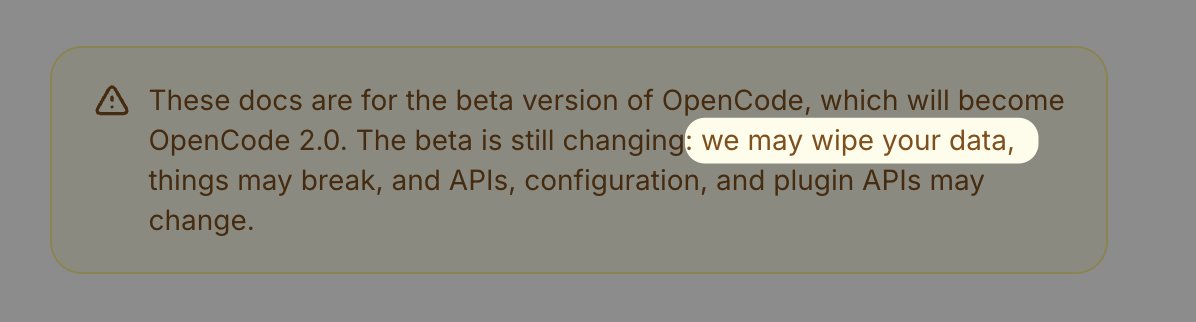

if you want to help beta test OpenCode 2.0
v2.opencode.ai
- data in separate db which we might wipe
- stuff will be broken
- use /report to send us issues
- v1 plugins won't work, v2 api not final
there is a built in skill that you can ask for basically anything
English
i asked james to help us fix our color tokens in our themes and now he's examining how light hits your eyes and plotting it mathematically
i just meant like, we need to be a bit more organized
James Long@jlongster
physical colors are fascinating to me I built a tool to study how we represent all colors. XYZ vs RGB, how it's projected into chromaticity, etc maybe this will help you understand it too! jamesbox.exe.xyz/artifacts/colo…
English


Since I left my job at @poolsideai a couple months back I’ve been working on a new thing with some friends. Next week we have our first onsite in LA. Looking forward to sharing more soon.
English

This is a solved problem, we have it under control. Don't worry about it
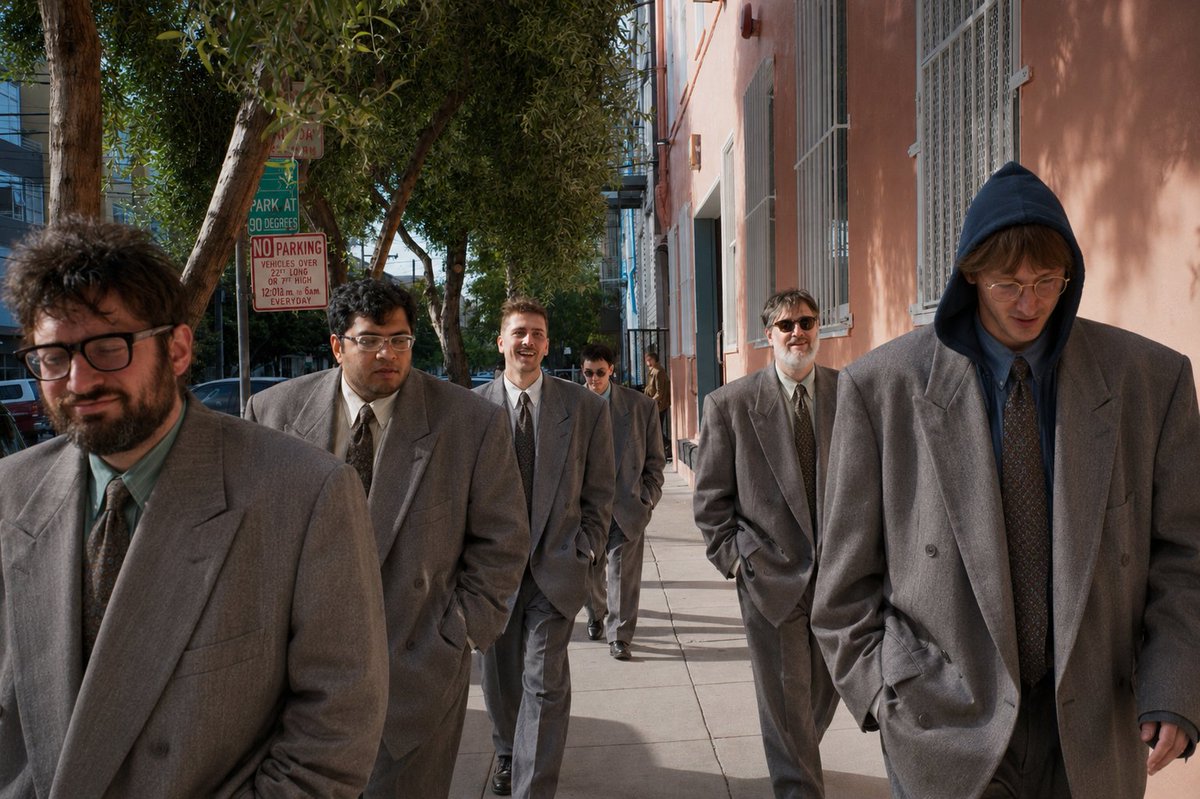
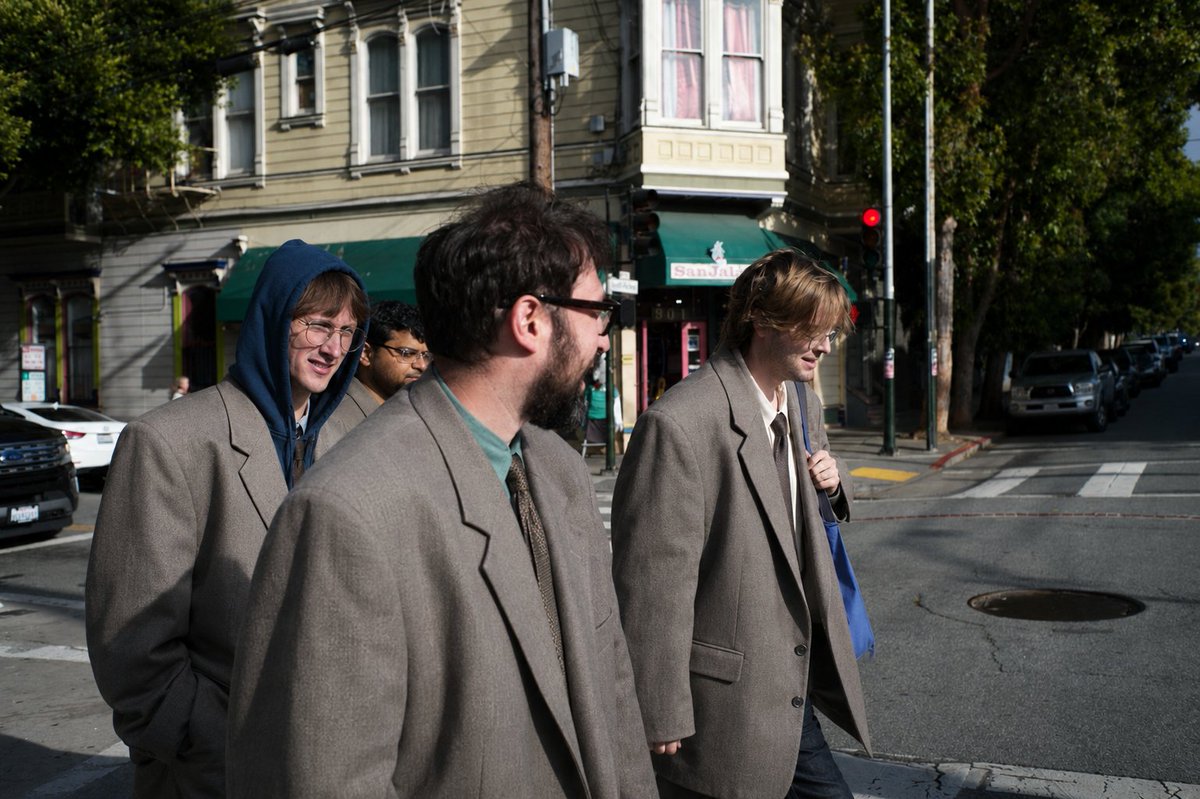


Sammy@sammysintech
If we are bringing taste back to SF tech, can we also bring taste back into SF fashion. I worked in fashion for 7 years and I’d be happy to take a few people on a little group shopping trip on Filmore. 5 spots. We’ll coordinate a day. DM if you’re interested.
English

have any of you guys seen this new scam where the whitest dude alive calls and is like “hi this is ritchie anderson from google account security” but it’s clearly bullshit and they get VERY upset when you call them on it
English
@amadeus dude my one buddy got fuckin cleaned out by the coinbase one
English
i had one of those surrounding a coinbase scam, i knew it immediately, but strung them along for a bit to waste their time. at one point they asked me how much i had in my coinbase account, and i just made up a number like 50k or something and a minute later they just hung up. wasn't a big enough honeypot i guess
English
there’s very clearly a room of bros somewhere trying to run scams like in the beekeeper
English
This is such a great example of one of the major problems I have with AI written code (not the submitter of the issue or the issue itself, but the repro example/fix). AI loves writing infinitely defensible code (which is not good code) instead of trying to defend against the broken state even occurring in the first place.
github.com/pierrecomputer…
This is why you should always be reviewing AI written code (assuming you care about the quality of what you're building) and investing in fixing things correctly.
English
the boi hittin with another banger
Armon Dadgar@armon
I’m concerned about the faustian trade of our free will for convenience. My @GeekWire op-ed on “The WALL-E Economy” and the dystopia we’re approaching with AI and smartphones, but can avoid with policy and behavior changes. geekwire.com/2026/opinion-t…
English


Finally got @amadeus to write about what goes into making our diffs so special.
A love letter to FE development: web workers, WASM, novel virtualization and memory management techniques, and more.
Fun read if you're a perf geek and hate blanking.
pierre.computer/writing/on-ren…
English